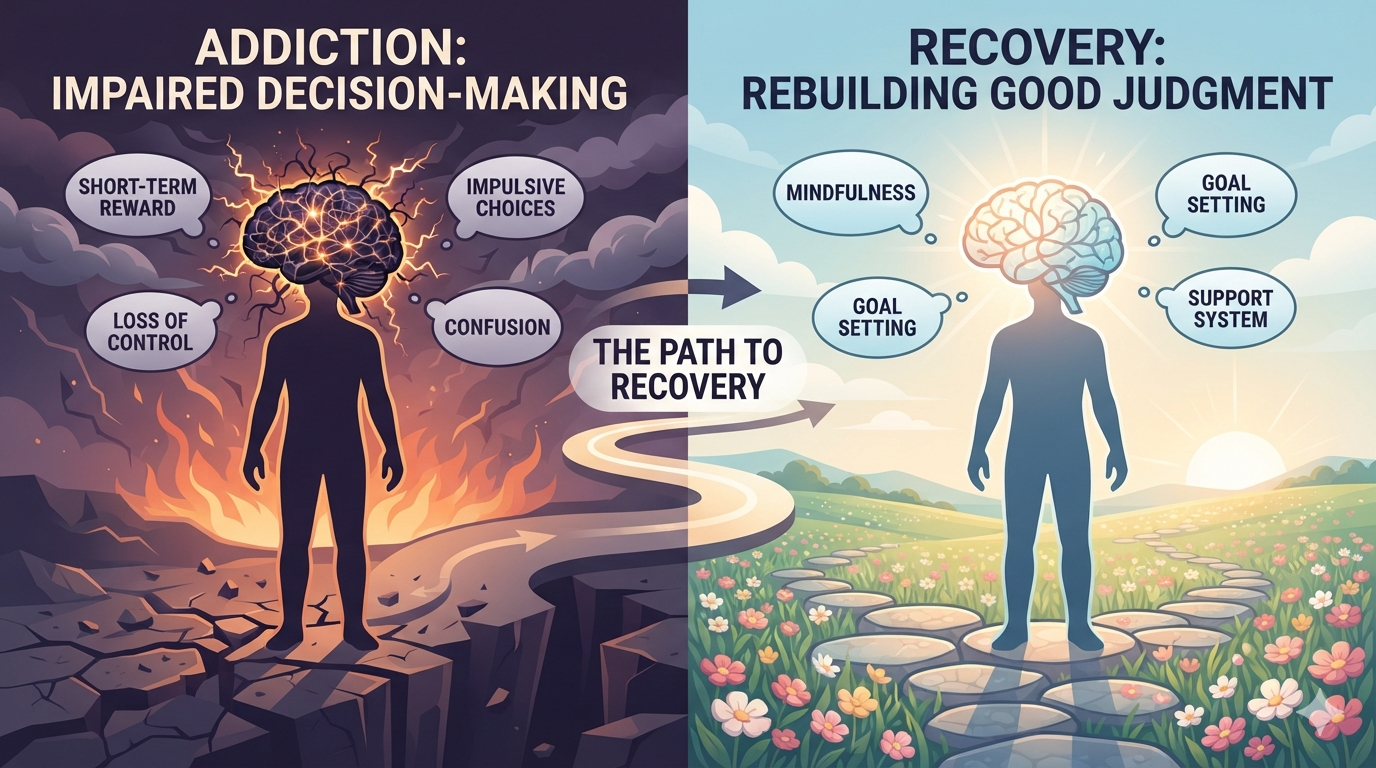
Addiction can impair judgment and lead to harmful decisions. Learn how substance use changes the brain’s decision-making process and how recovery helps rebuild clear thinking and better choices.
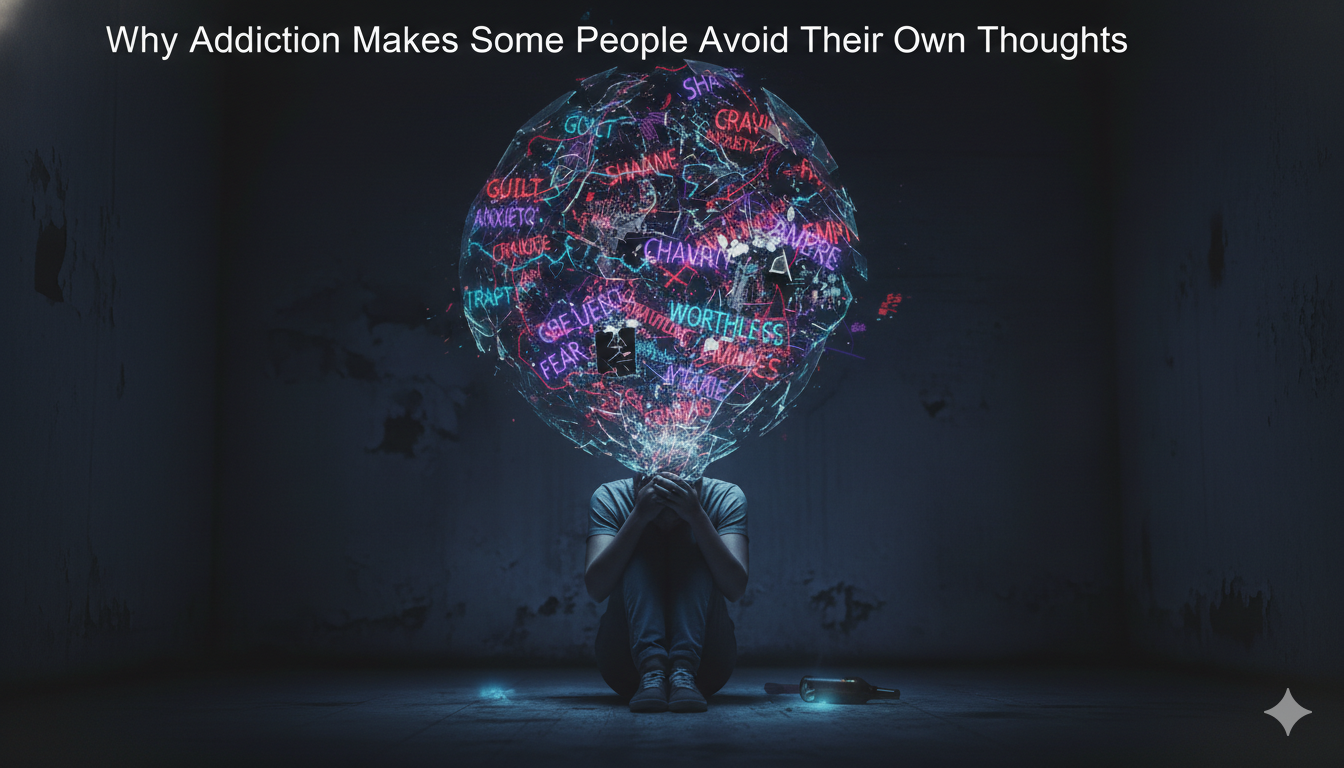
Addiction can gradually become connected with emotional escape, overthinking, stress, and avoiding painful thoughts. Learn why some people use addiction to emotionally disconnect from their inner struggles over time.
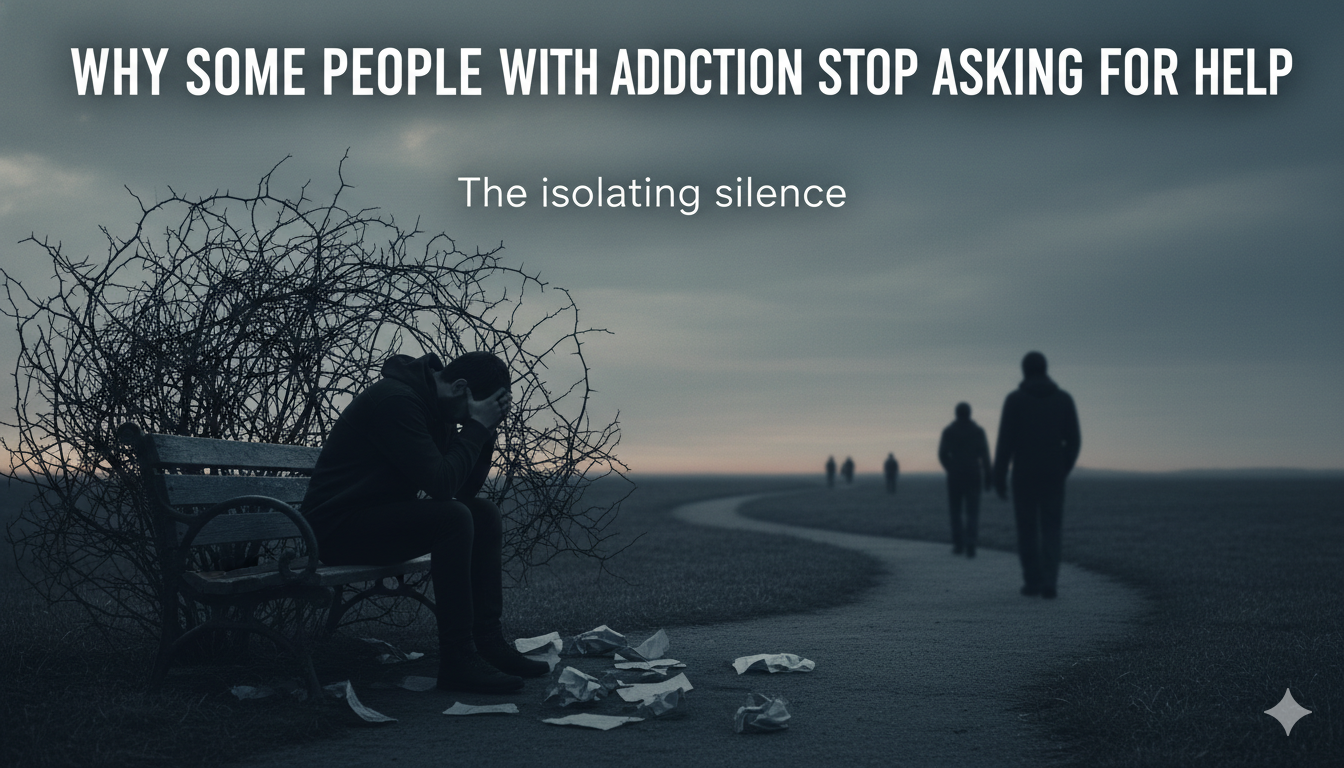
Many people struggling with addiction slowly stop asking for help because of shame, emotional exhaustion, hopelessness, and fear of judgment. Learn the emotional reasons behind isolation during addiction and recovery.
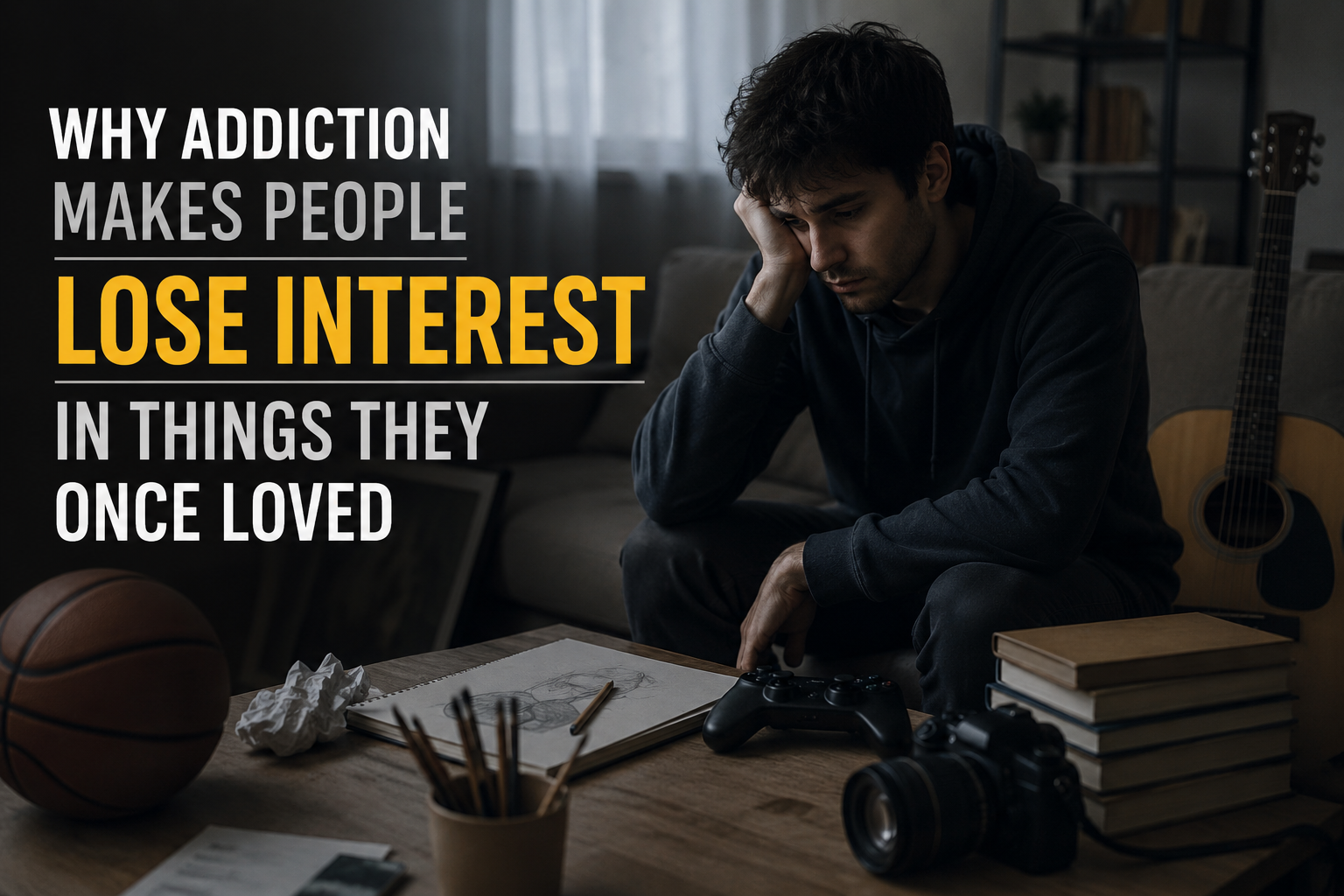
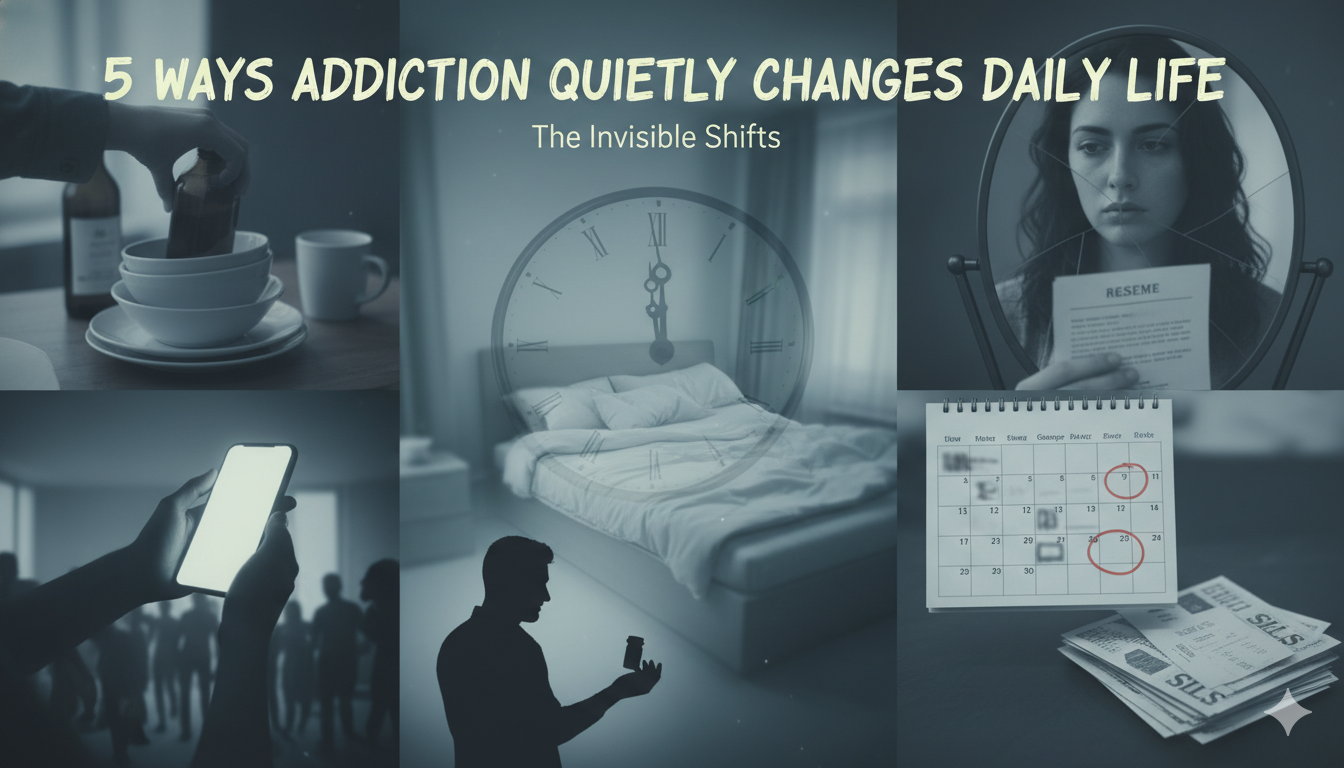
Addiction can quietly affect routines, emotional health, relationships, motivation, and self-worth over time. Learn 5 ways addiction gradually changes daily life beyond substance use alone.
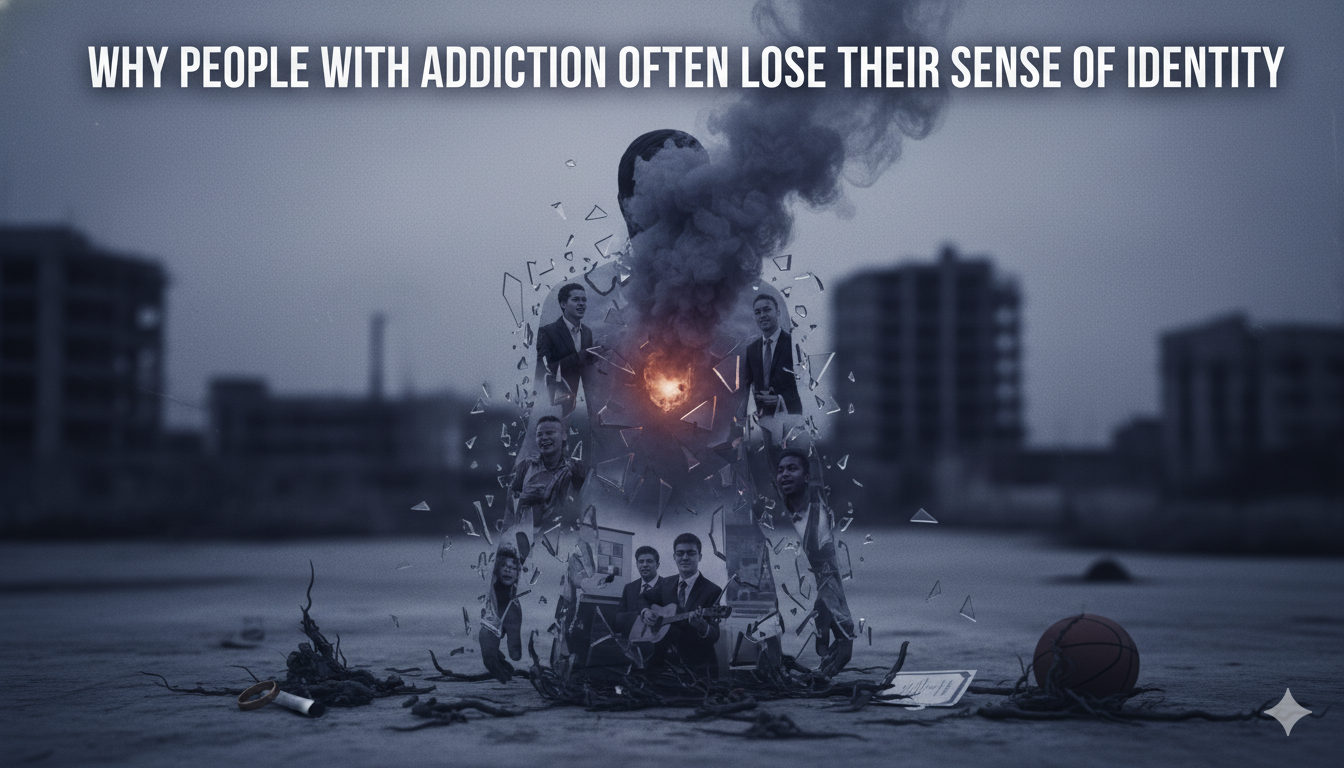
Addiction can gradually affect emotional stability, confidence, relationships, and personal identity over time. Learn why many people struggling with addiction begin losing their sense of identity during long-term substance use and recovery.
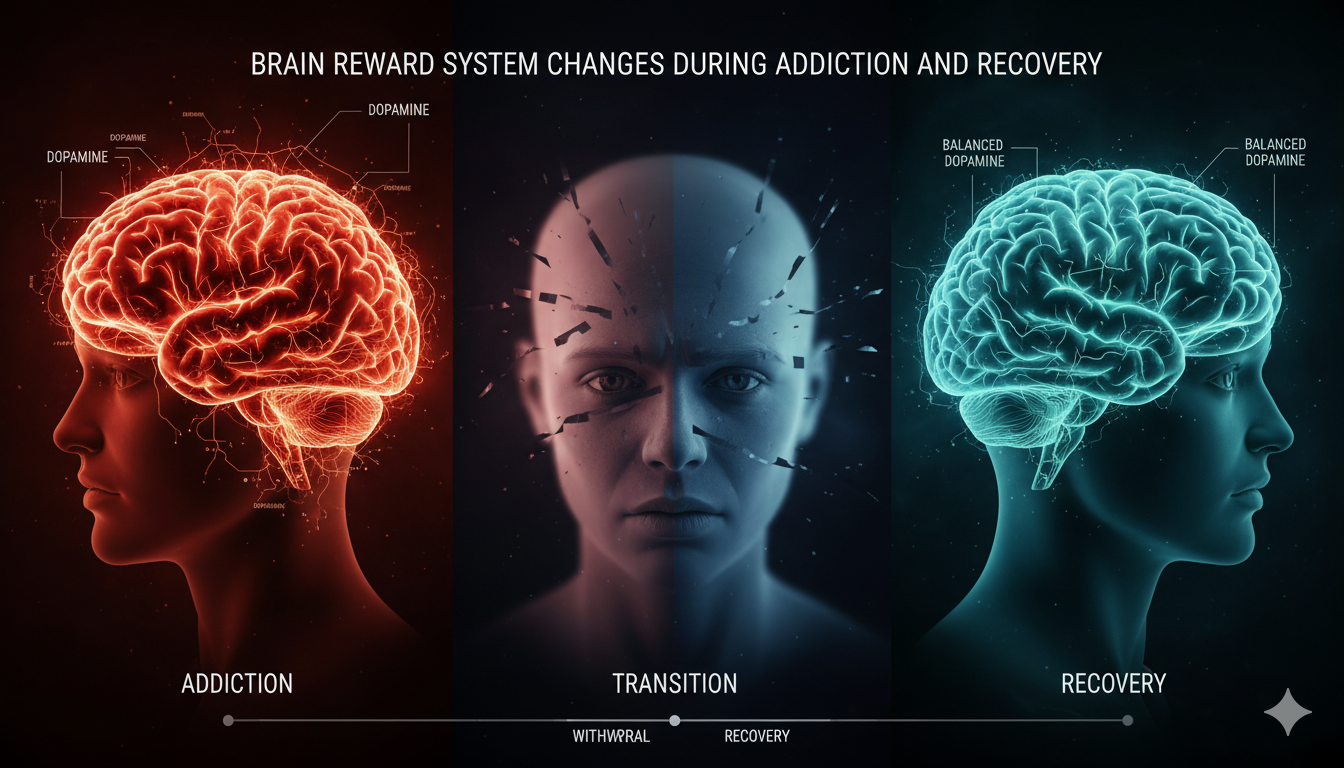
Addiction gradually changes the brain’s reward system, affecting motivation, emotional coping, cravings, and decision-making. Learn why the brain slowly begins prioritizing addiction over relationships, health, and daily life.
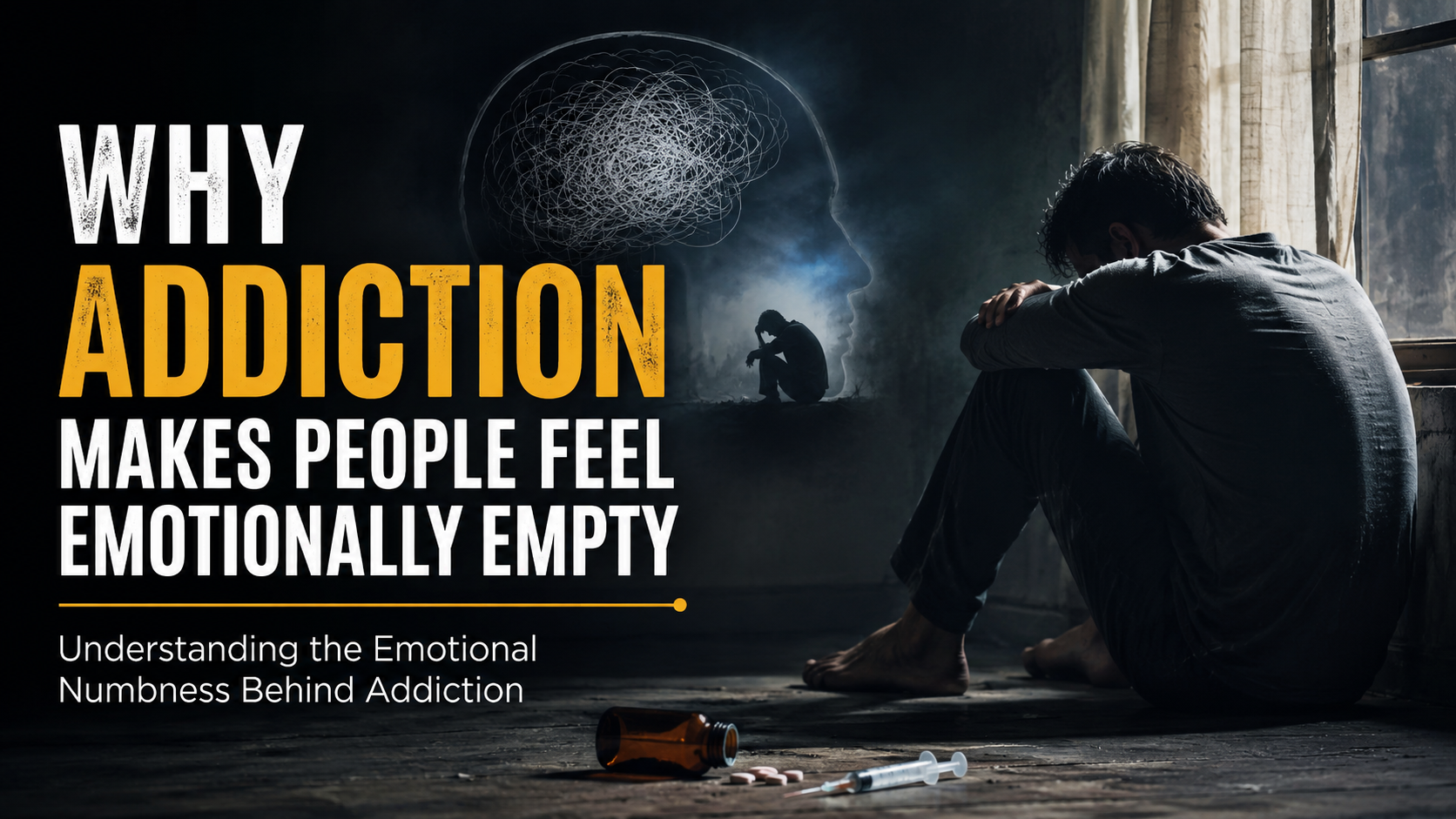
Long-term addiction often leads to emotional numbness, loneliness, and psychological exhaustion. Learn why addiction can make people feel emotionally empty and how recovery helps rebuild emotional stability.
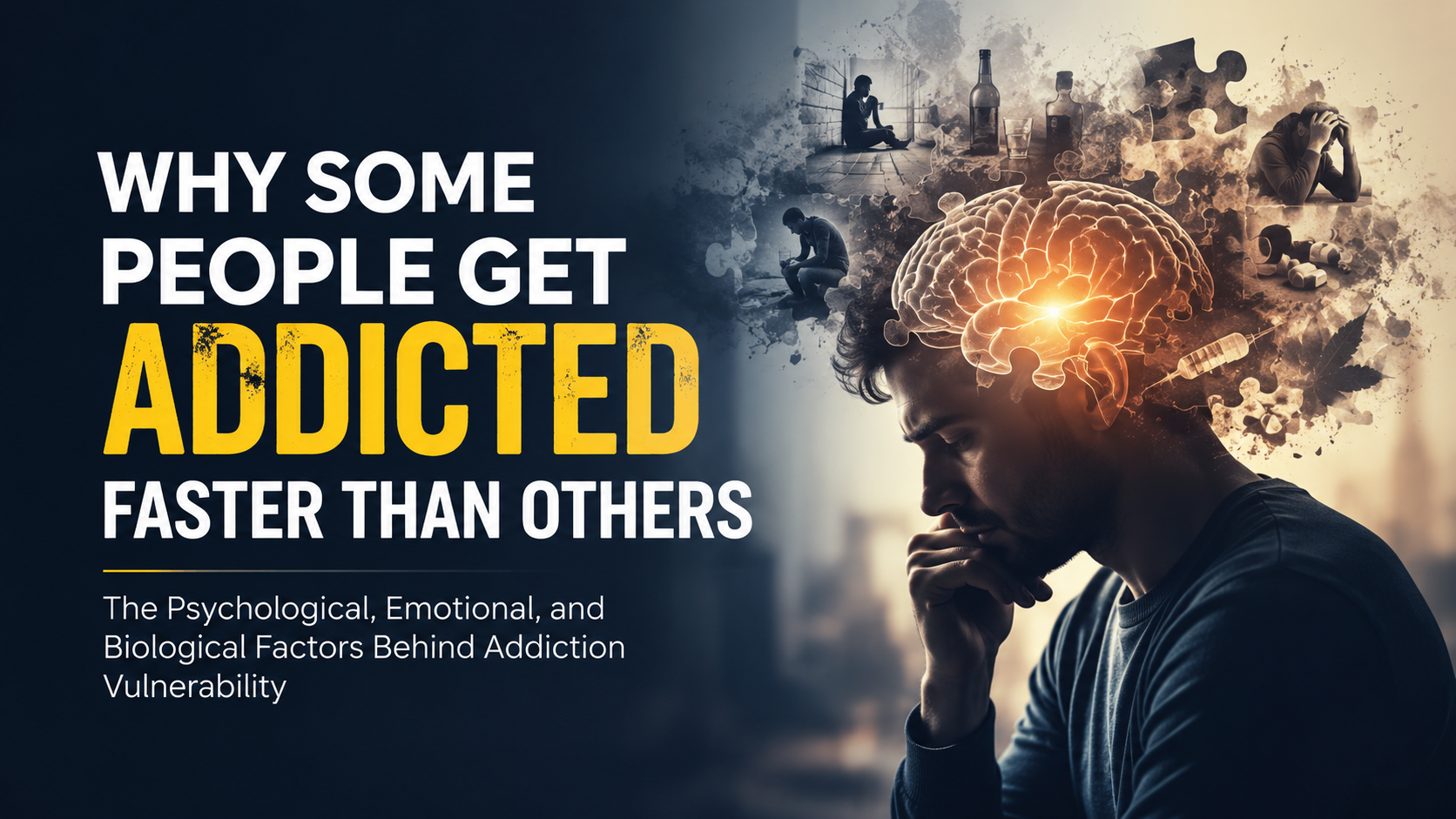
Why do some individuals become addicted faster than others? Learn how emotional pain, mental health, environment, and brain chemistry can influence addiction vulnerability and recovery.