One of the most confusing parts of addiction for families is watching someone gradually begin prioritizing substances over things that once mattered deeply to them. Relationships weaken, responsibilities become unstable, emotional behavior changes, and life slowly starts revolving around obtaining relief, escape, or temporary emotional comfort through addiction. This is how brain addiction can gradually affect emotions, motivation, and decision-making over time.
For many people outside addiction, this behavior can seem irrational or emotionally impossible to understand. Families often wonder how someone could continue using substances despite obvious damage to their health, relationships, career, or emotional wellbeing.
The answer is not simply a lack of care or morality. Addiction gradually changes the way the brain processes reward, motivation, emotional relief, and survival priorities over time. As addiction becomes stronger, the brain slowly begins treating substances less like optional pleasures and more like emotionally important needs.
The Brain Is Designed to Repeat Rewarding Experiences
The human brain constantly learns from experiences connected with pleasure, relief, safety, or emotional survival. When something creates strong emotional reward or temporary relief from discomfort, the brain remembers it and encourages repetition. This process involves chemicals called neurotransmitters, especially dopamine, which plays a major role in motivation and reward processing.
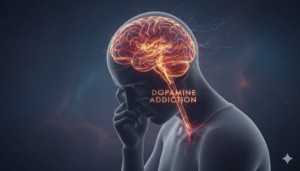
Dopamine is often misunderstood as simply a “pleasure chemical.” In reality, it is heavily connected with learning, reinforcement, anticipation, and motivation. When the brain experiences something highly rewarding, dopamine helps strengthen the desire to repeat that experience again. Brain addiction can slowly reshape emotional priorities and reward-seeking behavior over time.
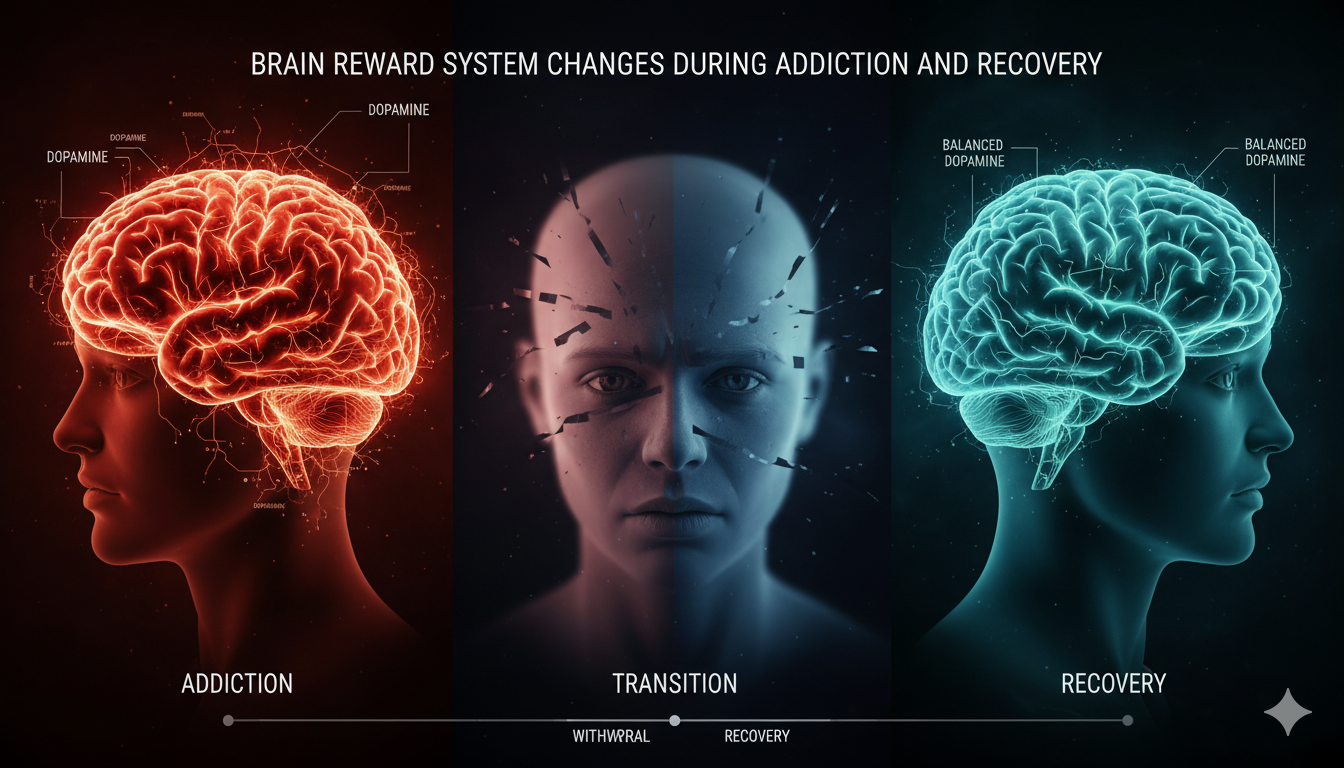
Under normal circumstances, dopamine is released during healthy activities such as eating, social connection, achievement, exercise, or emotional bonding. Addiction, however, begins disrupting this balance. Many addictive substances create dopamine surges far stronger than natural rewards. Over time, the brain starts adapting to these repeated intense stimulation patterns. Brain addiction often affects the reward system more deeply than many people realize.
Addiction Gradually Rewires Motivation
One of the most important things to understand about addiction is that the brain does not instantly change overnight. At first, substance use may feel temporary, social, emotionally relieving, or controllable. But repeated exposure gradually strengthens neural pathways connected with craving, emotional escape, and reward-seeking behavior. As this pattern continues, the brain slowly begins prioritizing substances more heavily than ordinary sources of emotional satisfaction.
Activities that once felt meaningful may start feeling emotionally flat by comparison. Relationships, hobbies, goals, routines, or responsibilities may no longer create the same emotional response they once did because the brain’s reward system has adapted to the intense stimulation associated with addiction.
This is one reason many individuals struggling with addiction begin losing interest in daily life outside substance use. Understanding how addiction affects emotional functioning can also help explain why many individuals begin feeling emotionally disconnected over time. You can also read our article on Why Addiction Makes People Feel Emotionally Empty to better understand how addiction gradually affects emotional wellbeing.
The Brain Starts Associating Substances With Relief
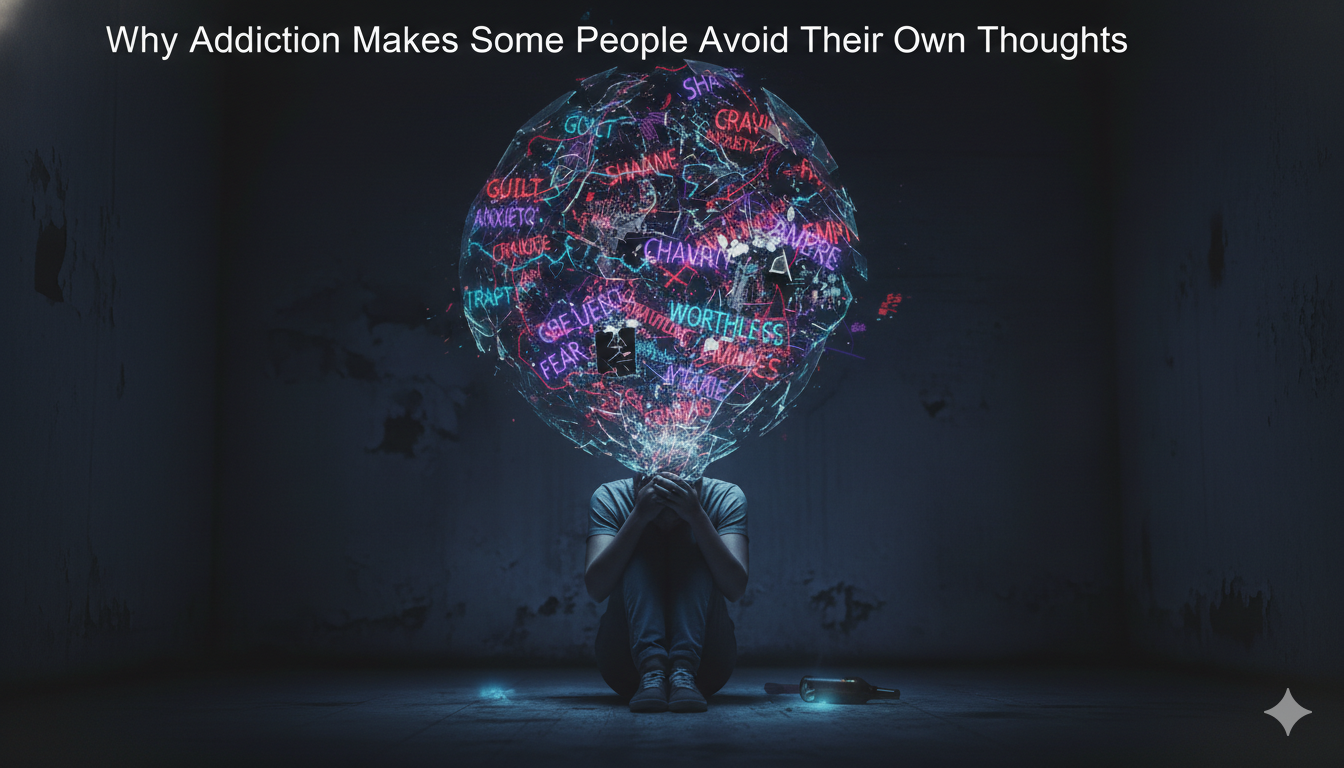
For many individuals, addiction eventually becomes connected not only with pleasure, but with emotional survival itself. Stress, anxiety, loneliness, emotional pain, trauma, guilt, or emotional exhaustion may slowly become linked with cravings for substances because the brain has learned that temporary relief follows substance use.
Over time, this creates a powerful reinforcement cycle. The brain begins anticipating relief before substance use even occurs. Certain environments, emotional states, memories, or stressful situations may automatically trigger cravings because the brain has learned to associate substances with emotional escape.
This is why addiction often becomes psychologically difficult even when someone genuinely wants recovery. In many cases, the individual understands intellectually that addiction is harmful while simultaneously experiencing intense neurological and emotional pressure pulling them toward temporary relief again.
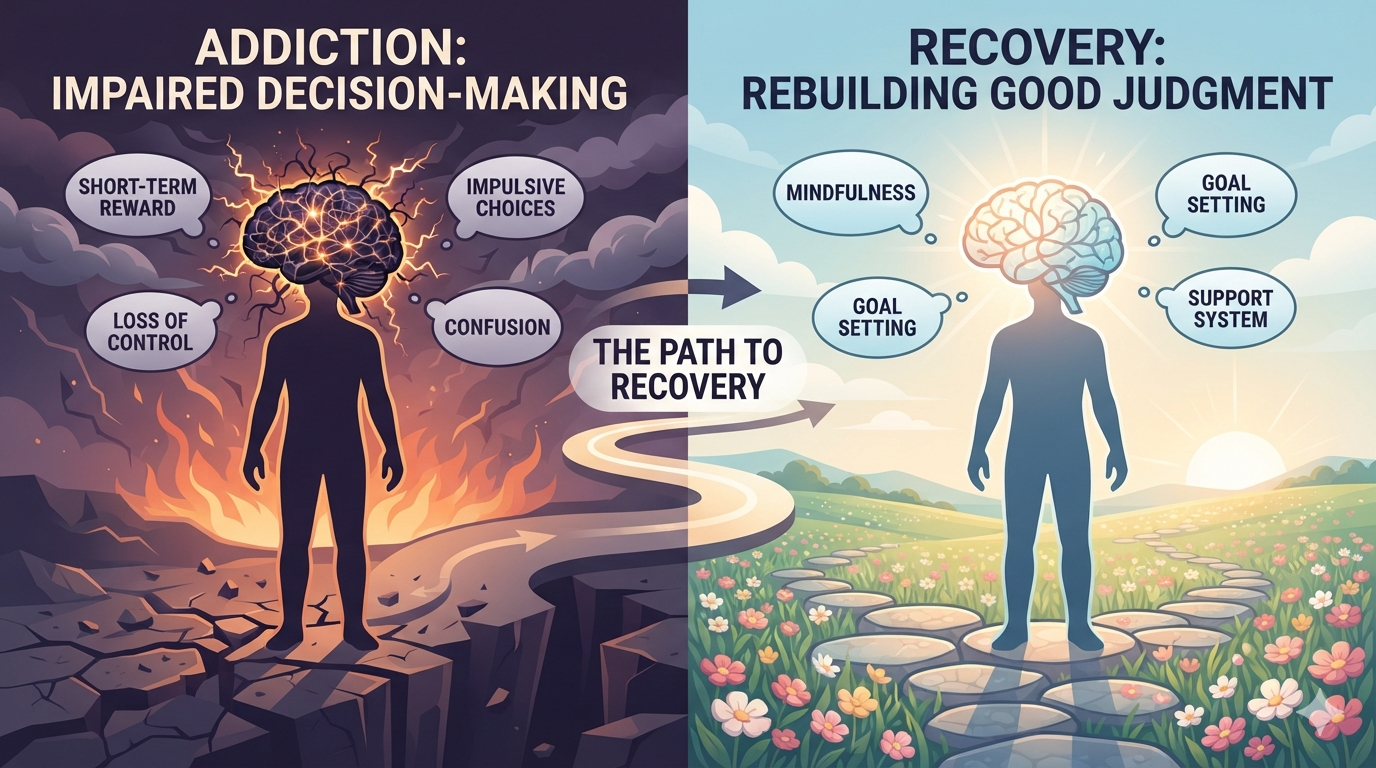
Decision-Making Can Become Emotionally Distorted
According to the National Institute of Mental Health, addiction can significantly affect emotional behavior and brain functioning over time. Addiction also affects areas of the brain involved in judgment, impulse control, emotional regulation, and long-term decision-making. As addiction becomes more severe, immediate relief may begin feeling emotionally more important than future consequences. The brain becomes increasingly focused on reducing discomfort quickly rather than evaluating long-term outcomes rationally.
This is one reason many individuals continue substance use despite:
- damaged relationships
- financial problems
- emotional instability
- health risks
- legal consequences
- repeated guilt or regret
To families, this behavior may look irrational from the outside. But addiction often changes the brain’s motivational priorities in ways that reduce healthy emotional balance and impulse control over time.
Cravings Are More Than Simple Desire
One of the biggest misunderstandings about addiction is the belief that cravings are simply weak moments or lack of discipline. In reality, cravings often involve deeply reinforced neurological patterns connected with reward, stress reduction, emotional coping, and habit learning. Some cravings are triggered emotionally. Others are triggered environmentally through routines, locations, memories, or stress responses connected with previous substance use.
The brain essentially learns: “this behavior reduces discomfort.”
That learning becomes difficult to reverse quickly because the brain repeatedly strengthened those pathways over time. This is one reason recovery often requires far more than simply “wanting to stop.” Many individuals entering recovery are surprised by how emotionally exhausting the adjustment process can feel during early sobriety. You can also read our article on The First 72 Hours of Sobriety to better understand the emotional and psychological challenges that often appear during the beginning stages of recovery.
Why Ordinary Life May Start Feeling Less Rewarding
As addiction strengthens, ordinary life may gradually begin feeling emotionally dull or emotionally unrewarding compared to the intense stimulation associated with substance use. This does not necessarily mean the person no longer values relationships, achievements, or emotional connection intellectually. Instead, the brain’s reward system has adapted to unusually high levels of stimulation, making normal emotional experiences feel less intense temporarily.
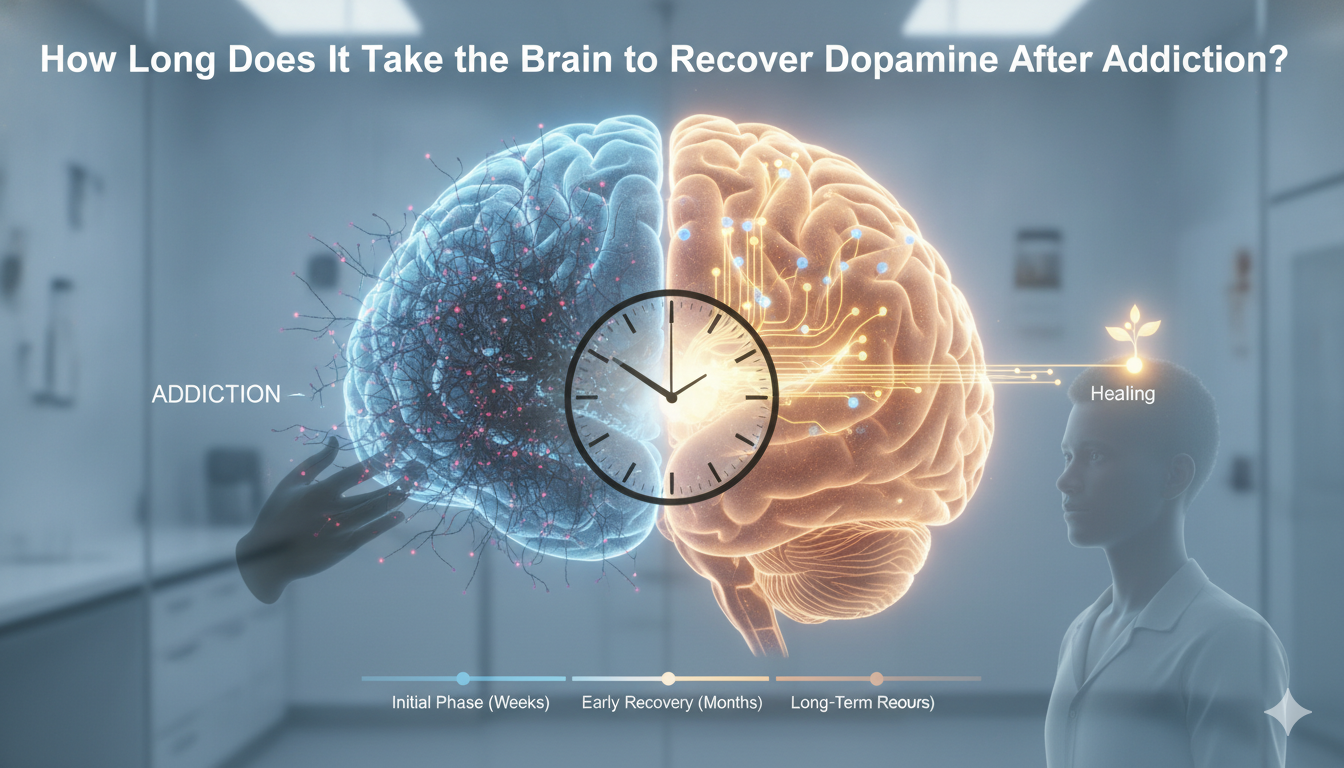
For many individuals, this creates emotional emptiness, boredom, restlessness, or lack of motivation during addiction and early recovery. The brain often needs time to gradually rebalance itself after long periods of intense dopamine overstimulation. This is also one reason recovery can initially feel emotionally uncomfortable even when someone genuinely wants change.
Recovery Involves Rebuilding the Brain’s Reward System
One of the most important parts of addiction recovery is helping the brain slowly relearn healthier sources of emotional reward and stability. This process usually takes time. Sleep patterns, emotional regulation, stress management, relationships, physical health, daily routines, therapy, and emotional support all contribute to helping the brain gradually stabilize during recovery.
Healthy experiences begin rebuilding emotional balance slowly rather than instantly. Therapy often helps individuals understand emotional triggers, cravings, stress responses, and behavioral patterns that addiction reinforced over time. Recovery is not simply about removing substances physically. It is also about helping the brain and emotional system recover from patterns that gradually reshaped motivation, reward, and coping behavior.
Understanding how recovery environments support emotional stabilization can also help explain why structured rehabilitation plays an important role during recovery. You can also read our article on What Is It Really Like Inside a Rehabilitation Center? to better understand how rehabilitation supports emotional and psychological healing. Understanding brain addiction helps explain why recovery is often emotionally and psychologically difficult.
Frequently Asked Questions
Why does addiction affect the brain so strongly?
Addiction affects the brain’s reward system by reinforcing behaviors connected with dopamine, emotional relief, and repeated reward-seeking patterns over time.
Does addiction permanently damage the brain?
Some effects of addiction may improve gradually with recovery, therapy, healthier routines, and long-term emotional stabilization. Recovery often helps the brain slowly rebalance itself.
Why do addicted people lose interest in normal life?
As addiction strengthens, the brain may begin prioritizing substances more heavily than ordinary emotional rewards, making normal activities temporarily feel less emotionally satisfying.
Are cravings only psychological?
No. Cravings often involve both emotional and neurological processes connected with reward learning, stress responses, habit reinforcement, and emotional coping patterns.
Can the brain recover during addiction treatment?
Yes. Recovery, therapy, emotional support, healthier routines, and rehabilitation can all help the brain gradually stabilize over time. Addiction gradually changes the way the brain processes reward, emotional relief, motivation, and decision-making. Over time, substances may begin feeling emotionally more important than relationships, routines, goals, or long-term wellbeing because the brain has repeatedly learned to associate addiction with relief and survival.
With recovery, therapy, rehabilitation, emotional support, and healthier coping strategies, many individuals slowly begin rebuilding emotional balance and healthier reward patterns again.