
For many people, rehabilitation centers remain deeply misunderstood places. Some imagine cold hospital environments, strict isolation, or emotionally intense situations that feel frightening from the outside. Others assume rehabilitation is simply about keeping people away from drugs for a few weeks before sending them home again.
In reality, daily life inside a rehabilitation center is often much quieter, more structured, and emotionally complex than most people expect.
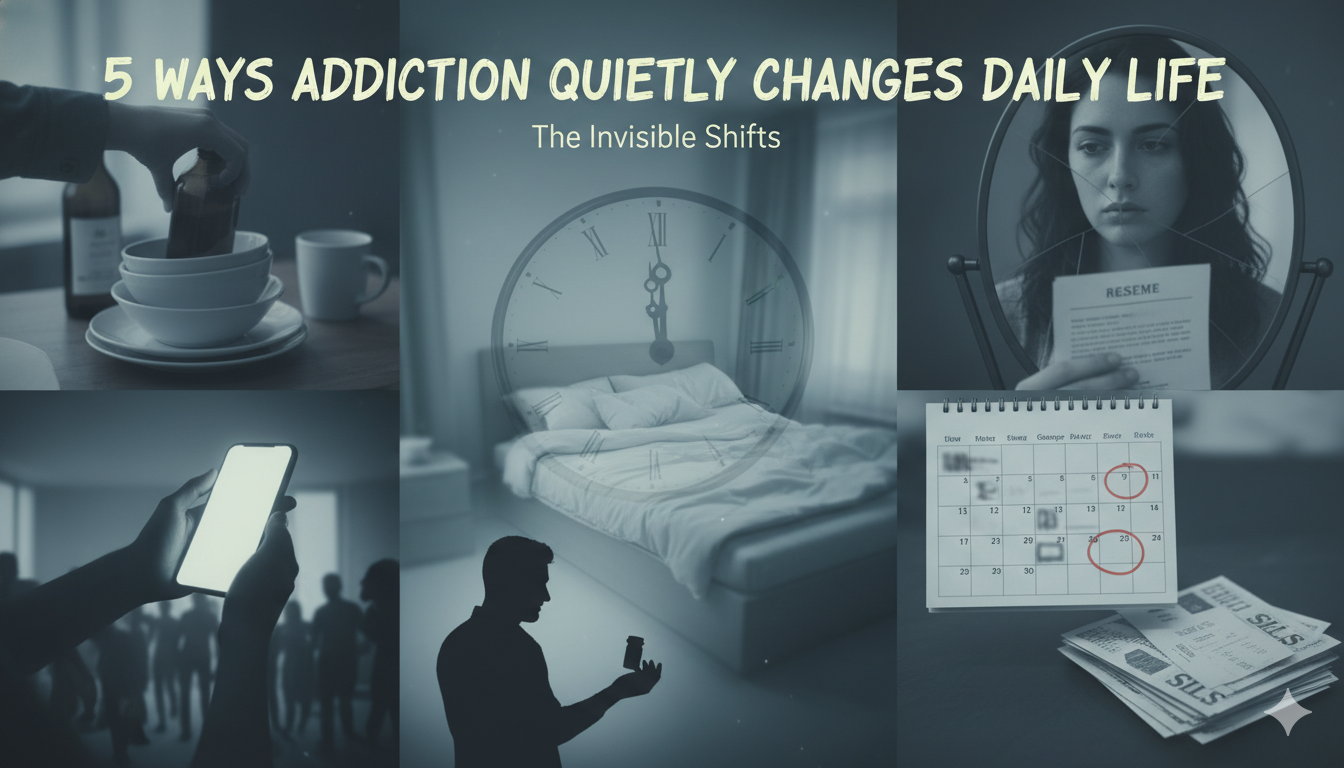
For many individuals entering recovery, the first thing that feels unfamiliar is not the therapy itself, but the sudden absence of chaos. The constant cycle of substance use, emotional instability, sleeplessness, secrecy, and mental exhaustion is interrupted by routine, supervision, and structure. Even simple things like regular meals, scheduled sleep, and quiet mornings can initially feel emotionally uncomfortable for someone whose life has been shaped by addiction for a long period of time.
Recovery environments are not built only to stop substance use physically. They are designed to help individuals gradually regain emotional stability, healthier routines, and psychological support during one of the most vulnerable periods of their lives.
The First Few Days Often Feel Emotionally Uncomfortable
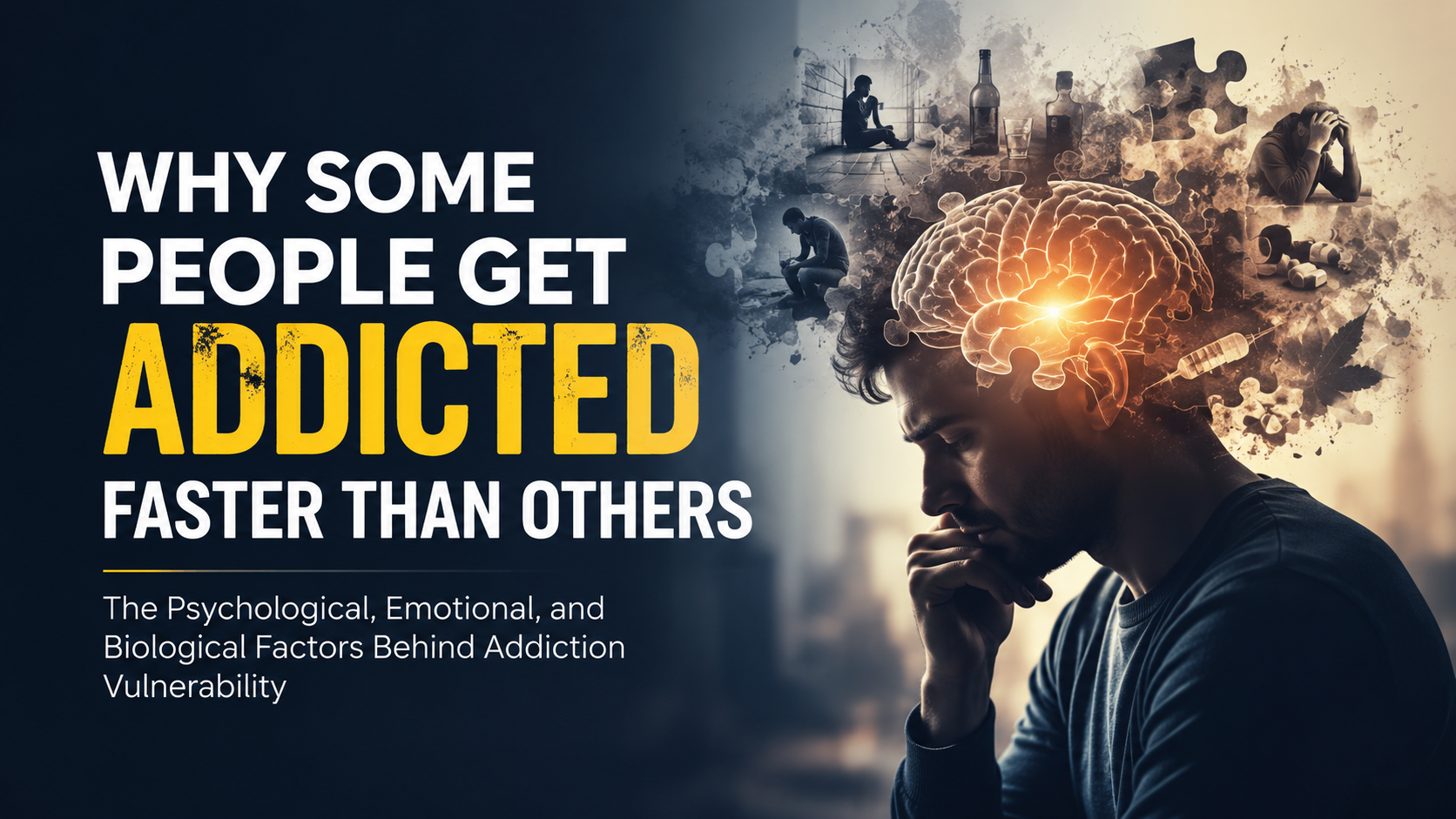
For many individuals, entering rehabilitation feels emotionally strange at first. Some people arrive feeling anxious, emotionally shut down, defensive, or mentally exhausted after long periods of addiction and instability. Others struggle with silence.
Many individuals coming from chaotic lifestyles are not used to structured environments where substances, emotional distractions, or unhealthy coping mechanisms are no longer constantly available. Without those distractions, emotions that were previously suppressed may begin surfacing more clearly.
This is one reason the early stage of rehabilitation can feel emotionally overwhelming even before therapy fully begins. Some individuals isolate themselves initially. Others avoid conversations or group sessions because opening up emotionally feels uncomfortable. In many cases, people entering recovery are carrying guilt, emotional pain, shame, family conflict, trauma, or fear about the future.
The adjustment period is rarely only physical. It is emotional too. Understanding the emotional challenges of early recovery can also help explain why the first stage of sobriety often feels mentally exhausting for many individuals. You can also read our article on The First 72 Hours of Sobriety to better understand what many people experience during early recovery.
Structure Slowly Replaces Emotional Chaos
One of the biggest differences inside rehabilitation centers is the presence of routine. Daily schedules are usually structured carefully around therapy sessions, meals, counseling, rest, medication management when needed, physical activities, and emotional support.
For many individuals, this structure initially feels restrictive. Over time, however, routine often becomes emotionally stabilizing. Addiction frequently disrupts sleep patterns, eating habits, emotional regulation, and decision-making. Rehabilitation environments attempt to gradually rebuild consistency where instability previously existed.
Mornings often begin quietly. Group sessions, counseling appointments, or therapy discussions may continue throughout the day. Some individuals participate actively, while others spend time observing silently before becoming comfortable enough to engage emotionally. Contrary to common assumptions, rehabilitation is rarely constant emotional intensity every hour of the day. Many moments inside recovery centers are surprisingly ordinary and calm.
Therapy Often Feels More Difficult Than People Expect
One of the most emotionally difficult parts of rehabilitation is not always detoxification itself, but learning how to talk honestly without substances hiding emotional discomfort.
Many individuals entering recovery have spent years avoiding painful emotions, conflict, trauma, loneliness, shame, or stress through substance use. Therapy often begins uncovering emotions that were buried underneath addiction for a long time.
This process can feel emotionally exhausting initially. Some individuals become frustrated during counseling because emotional vulnerability feels unfamiliar. Others struggle with guilt related to family relationships, damaged trust, or past decisions connected with addiction.
Group counseling can also feel intimidating during the beginning stages of recovery. Sitting in a room with strangers discussing addiction openly is emotionally uncomfortable for many people at first. Over time, however, many individuals slowly begin realizing they are not alone in their experiences. Shared emotional struggles often reduce feelings of isolation that addiction tends to create.
Recovery Is Not Just About Staying Away From Drugs
One of the biggest misunderstandings about rehabilitation centers is the belief that recovery simply means avoiding substances physically. In reality, rehabilitation focuses heavily on emotional and behavioral rebuilding.
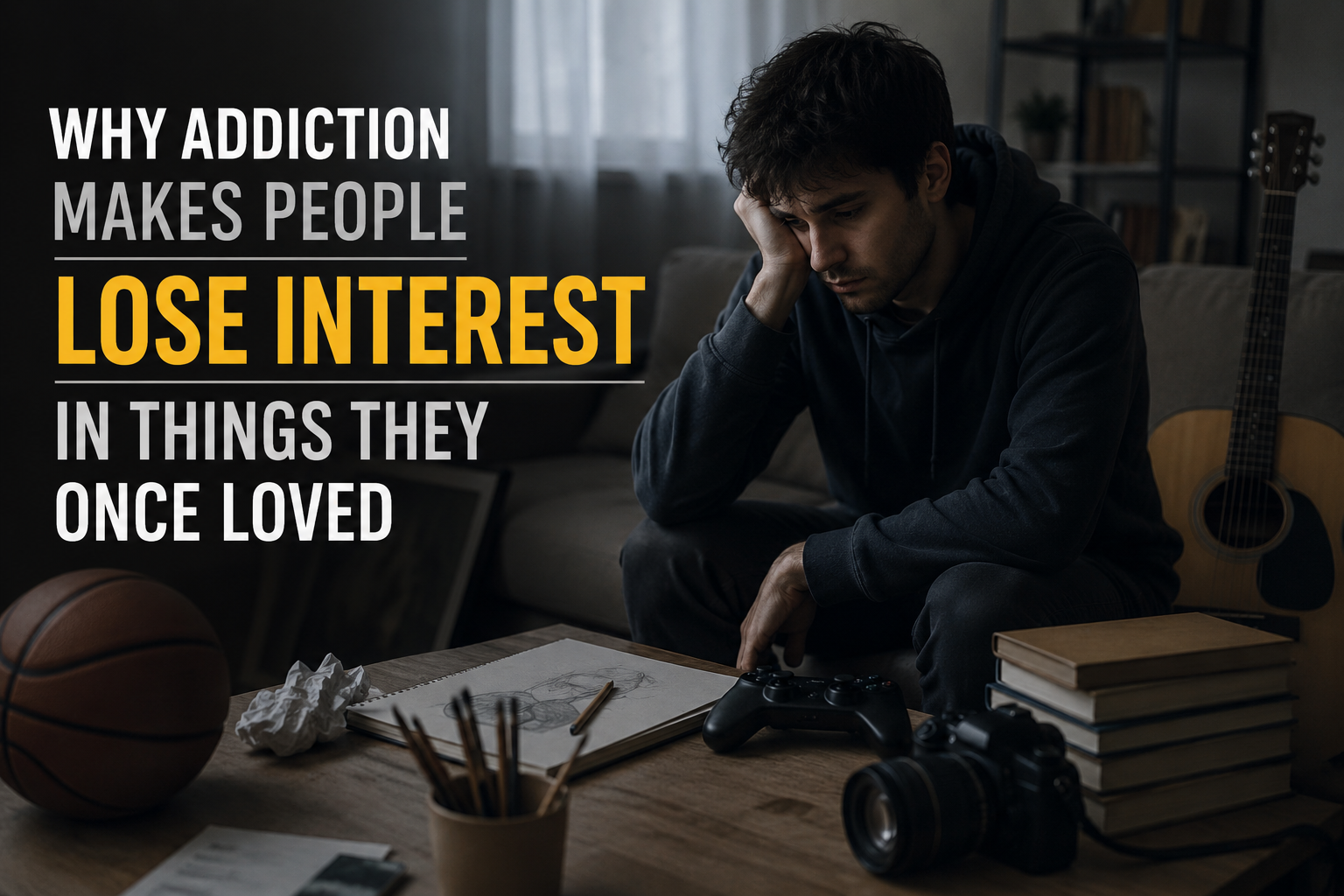
Many individuals entering treatment have lost structure, emotional regulation, healthy coping strategies, stable routines, or supportive relationships over time. Recovery often involves rebuilding these areas gradually alongside sobriety itself.
Therapy may focus on:
- emotional triggers
- relapse prevention
- stress management
- communication difficulties
- unresolved trauma anxiety
- or depression behavioral patterns connected with addiction
This is why rehabilitation usually continues beyond physical detoxification alone. Emotional recovery often takes much longer than physical stabilization. You can also read our article on Detox vs Rehabilitation to better understand why emotional recovery is such an important part of long-term addiction treatment.
Rehabilitation Is Often Quieter Than People Expect
One of the most surprising things families notice when visiting rehabilitation centers is how emotionally ordinary many moments can feel.
People attend therapy sessions, eat meals together, rest, speak with counselors, participate in structured activities, or spend quiet time reflecting emotionally. Recovery environments are not usually built around dramatic moments. They are built around consistency. That consistency becomes important because addiction often creates emotional instability, unpredictability, and chaos over long periods of time.
Inside rehabilitation, the goal is not only helping someone stop using substances. It is helping them slowly rebuild emotional stability and healthier ways of living beyond addiction.
Frequently Asked Questions
Are rehabilitation centers safe?
Professional rehabilitation centers are designed to provide structured, supervised, and supportive environments focused on recovery, emotional stabilization, and addiction treatment.
What do people do inside rehabilitation centers every day?
Daily routines often include therapy sessions, counseling, meals, rest, group support, emotional recovery work, and structured activities designed to support rehabilitation.
Is rehabilitation emotionally difficult?
For many individuals, rehabilitation can feel emotionally challenging at first because recovery often involves confronting emotions and behavioral patterns that were previously avoided through substance use.
Do rehabilitation centers only focus on addiction?
No. Many rehabilitation programs also focus on emotional wellbeing, mental health, behavioral recovery, relapse prevention, and psychological support.
How long do people usually stay in rehabilitation?
Treatment duration varies depending on the severity of addiction, emotional needs, mental health concerns, and the type of rehabilitation program being provided.
Rehabilitation centers are often far more human, structured, and emotionally supportive than many people imagine from the outside. Recovery environments are not simply places where people stop using substances temporarily. They are spaces designed to help individuals gradually rebuild emotional stability, healthier routines, and psychological support during recovery.
For many individuals struggling with addiction, rehabilitation becomes the beginning of learning how to live without depending on substances to manage emotional pain, stress, or instability.
About the Author
Ayesha Maheen — Clinical Psychologist
Ayesha Maheen is a Clinical Psychologist working in the field of mental health, addiction rehabilitation, emotional wellbeing, and behavioral recovery support. Her work focuses on psychological healing, relapse prevention, emotional regulation, and helping individuals and families better understand the long-term impact of substance abuse and mental health challenges. She is affiliated with Jadeed Rifah Rehabilitation and Care Center, where she contributes to rehabilitation awareness, psychological support, and recovery-focused mental health education.
Reviewed & Managed By
Rao Mubeen Hassan — Managing Director
Rao Mubeen Hassan serves as the Managing Director at Jadeed Rifah Rehabilitation and Care Center, overseeing rehabilitation awareness initiatives, organizational management, and community outreach related to addiction recovery and mental health support. His work focuses on strengthening rehabilitation services, promoting recovery awareness, and improving access to professional support for individuals and families struggling with substance abuse, behavioral challenges, and psychological difficulties in Pakistan.