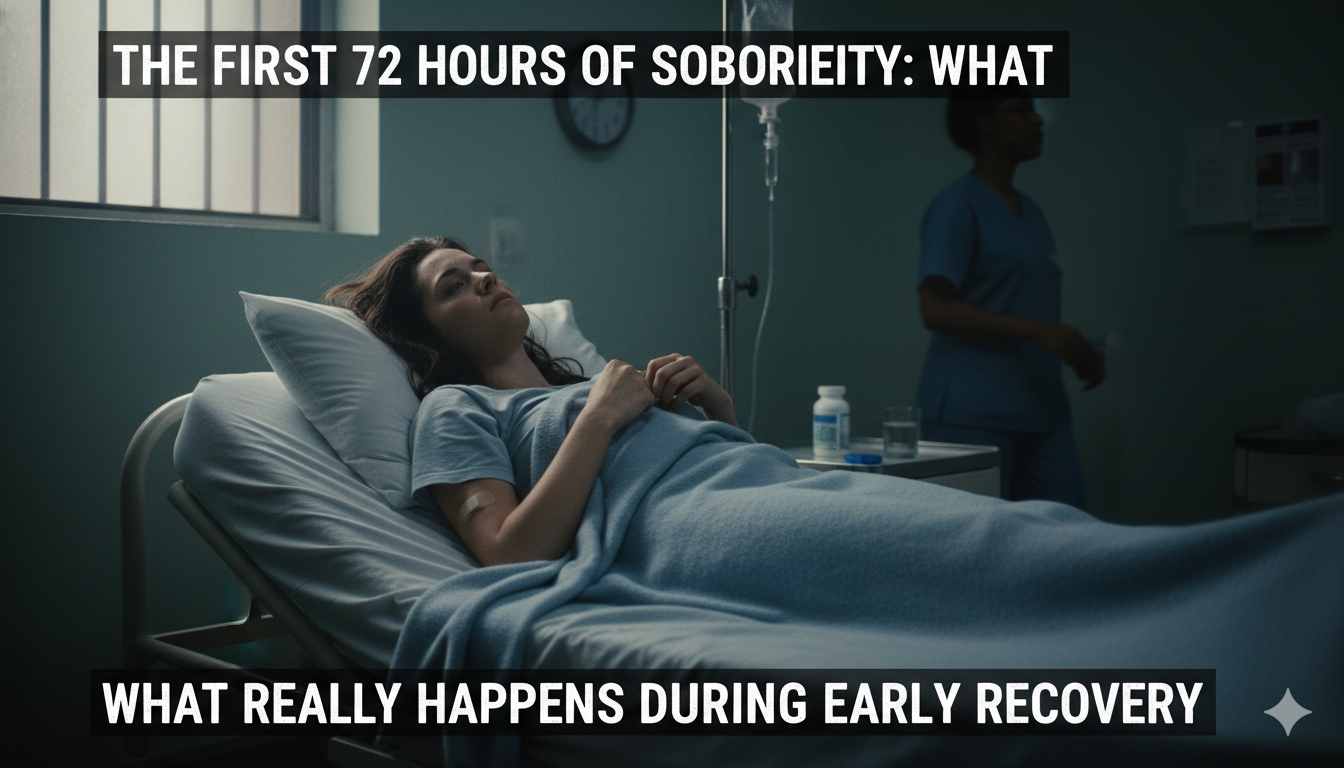
The first few days after stopping drugs or alcohol can feel emotionally and physically overwhelming for many individuals entering recovery. Families often expect immediate improvement once substance use stops, but early sobriety is usually much more complicated than most people realize.
For some people, the first 72 hours feel confusing and emotionally intense. Sleep becomes irregular, emotions fluctuate unexpectedly, and even simple daily activities may start feeling mentally exhausting. Others experience restlessness, irritability, emotional numbness, anxiety, or strong cravings that seem difficult to control. This early stage of recovery is not only about the body adjusting physically. It is also the beginning of a major emotional and psychological shift that many individuals are completely unprepared for.
Why the First Few Days Feel So Intense
Addiction gradually changes the way many individuals cope with stress, emotional pain, loneliness, pressure, and daily discomfort. Over time, substances may begin functioning as emotional escape mechanisms rather than temporary recreational habits.
Once substance use suddenly stops, the brain and body must begin adjusting without the coping system they had become dependent on. This adjustment period can feel emotionally exhausting, especially when unresolved stress, trauma, guilt, anxiety, or emotional instability begin surfacing more clearly during sobriety. For many individuals, early recovery is the first time in a long period that emotions are being experienced without chemical numbness or emotional escape.
Understanding how addiction affects emotional and behavioral functioning can help explain why early sobriety feels so challenging for many people. You can also read our detailed guide on Detox vs Rehabilitation to better understand why physical recovery is only one part of the healing process.
The Body Often Reacts Before the Mind Fully Understands What Is Happening
During the first few days of sobriety, many individuals experience physical discomfort that can feel surprisingly intense. Depending on the substance involved and the severity of dependence, the body may struggle to regulate sleep, appetite, energy levels, concentration, and emotional stability.
Some individuals feel physically restless and unable to relax. Others experience sweating, shaking, nausea, headaches, irritability, or overwhelming fatigue. Cravings may appear suddenly and disappear unpredictably throughout the day. At the same time, emotions often become harder to manage. Small frustrations may feel emotionally overwhelming. Anxiety may increase unexpectedly, and some individuals begin feeling emotionally vulnerable in ways they had not anticipated.
This stage can become especially difficult because people often assume recovery should immediately feel motivating or empowering. In reality, early sobriety frequently feels emotionally uncomfortable before it starts feeling emotionally stable.
Cravings Are Not Always About Drugs Alone
One of the biggest misunderstandings about early recovery is the belief that cravings are purely physical. In many cases, cravings are deeply connected with emotional patterns and psychological triggers.
Stress, loneliness, boredom, emotional conflict, shame, anger, or painful memories may suddenly increase the urge to return to substance use. Sometimes individuals do not even miss the substance itself as much as they miss the temporary emotional escape it once provided. This is why early sobriety can feel emotionally confusing. A person may genuinely want recovery while simultaneously feeling emotionally pulled toward old coping behaviors during difficult moments.
Understanding these emotional triggers is an important part of relapse prevention and long-term recovery support. You can also read our article on Why People Relapse to better understand the emotional and psychological factors that often increase relapse risk.
Sleep, Emotions, and Mental Clarity Often Become Unstable
One of the most frustrating parts of early recovery is how unpredictable the mind and body can feel during the first several days. Sleep problems are extremely common during this period. Some individuals struggle to sleep at all, while others sleep excessively but still wake up feeling mentally exhausted.
Emotional reactions may also feel unusually intense. Feelings that were previously numbed by substances can suddenly return more strongly than expected. Anxiety, sadness, irritability, guilt, emotional emptiness, or restlessness may fluctuate throughout the day without clear explanation.
Mental clarity also tends to improve gradually rather than immediately. Many individuals describe feeling mentally foggy, emotionally distracted, or disconnected from their normal routine during the first phase of recovery. This does not mean recovery is failing. In many cases, it reflects the brain and emotional system slowly adjusting to sobriety again.
Emotional Support Becomes Extremely Important During Early Recovery
The first 72 hours can feel emotionally isolating for many individuals, especially when they are trying to manage cravings, emotional instability, and physical discomfort at the same time.
This is one reason professional rehabilitation and emotional support become so important during early recovery. Therapy, structured rehabilitation programs, supportive environments, and psychological guidance can help individuals better understand what they are experiencing instead of feeling overwhelmed by it. Recovery becomes much harder when individuals attempt to manage severe emotional distress completely alone without support systems in place.
Family understanding also plays an important role during this period. Judgment, pressure, or unrealistic expectations can increase emotional stress, while calm support and patience often help individuals feel safer during recovery.
The First 72 Hours Are Often About Stabilization, Not Perfection
One of the biggest mistakes people make during early sobriety is expecting immediate emotional transformation. Recovery usually does not happen in a single dramatic moment where everything suddenly improves. For many individuals, the first few days are simply about stabilization. The body begins adjusting physically while the emotional system slowly starts learning how to function without substances again.
Some days may feel hopeful, while others may feel emotionally draining. Cravings may decrease and return unexpectedly. Motivation may fluctuate. Emotional reactions may feel unpredictable. This does not mean recovery is impossible. In many cases, it simply reflects how significant the adjustment process can be during the earliest stage of sobriety.
Frequently Asked Questions
What happens during the first 72 hours of sobriety?
Many individuals experience emotional instability, cravings, sleep problems, anxiety, physical discomfort, and mental exhaustion as the body and brain begin adjusting to recovery.
Are cravings normal during early recovery?
Yes. Cravings are very common during the early recovery stage and may be triggered by emotional stress, environmental reminders, or psychological habits connected with substance use.
Why does early sobriety feel emotionally overwhelming?
Substances often suppress emotions and stress temporarily. Once substance use stops, unresolved emotional difficulties may become more noticeable during recovery.
Can professional rehabilitation help during early sobriety?
Yes. Professional rehabilitation can provide emotional support, therapy, medical supervision, relapse prevention strategies, and structured recovery guidance during the early stages of sobriety.
Does recovery become easier after the first few days?
For many individuals, emotional and physical stability gradually improves with time, treatment, support, and healthier coping strategies. The first 72 hours of sobriety can feel physically exhausting and emotionally unpredictable, but they are also the beginning of a recovery process that gradually becomes more stable with proper support and treatment. Early recovery is rarely only about removing substances from the body. It also involves emotional adjustment, psychological healing, and learning healthier ways of coping with stress and emotional pain.
With professional rehabilitation, emotional support, therapy, and structured recovery care, individuals can begin moving beyond the instability of early sobriety toward a healthier and more sustainable recovery journey.
About the Author
Ayesha Maheen — Clinical Psychologist
Ayesha Maheen is a Clinical Psychologist working in the field of mental health, addiction rehabilitation, emotional wellbeing, and behavioral recovery support. Her work focuses on psychological healing, relapse prevention, emotional regulation, and helping individuals and families better understand the long-term impact of substance abuse and mental health challenges. She is affiliated with Jadeed Rifah Rehabilitation and Care Center, where she contributes to rehabilitation awareness, psychological support, and recovery-focused mental health education.
Reviewed & Managed By
Rao Mubeen Hassan — Managing Director
Rao Mubeen Hassan serves as the Managing Director at Jadeed Rifah Rehabilitation and Care Center, overseeing rehabilitation awareness initiatives, organizational management, and community outreach related to addiction recovery and mental health support. His work focuses on strengthening rehabilitation services, promoting recovery awareness, and improving access to professional support for individuals and families struggling with substance abuse, behavioral challenges, and psychological difficulties in Pakistan.