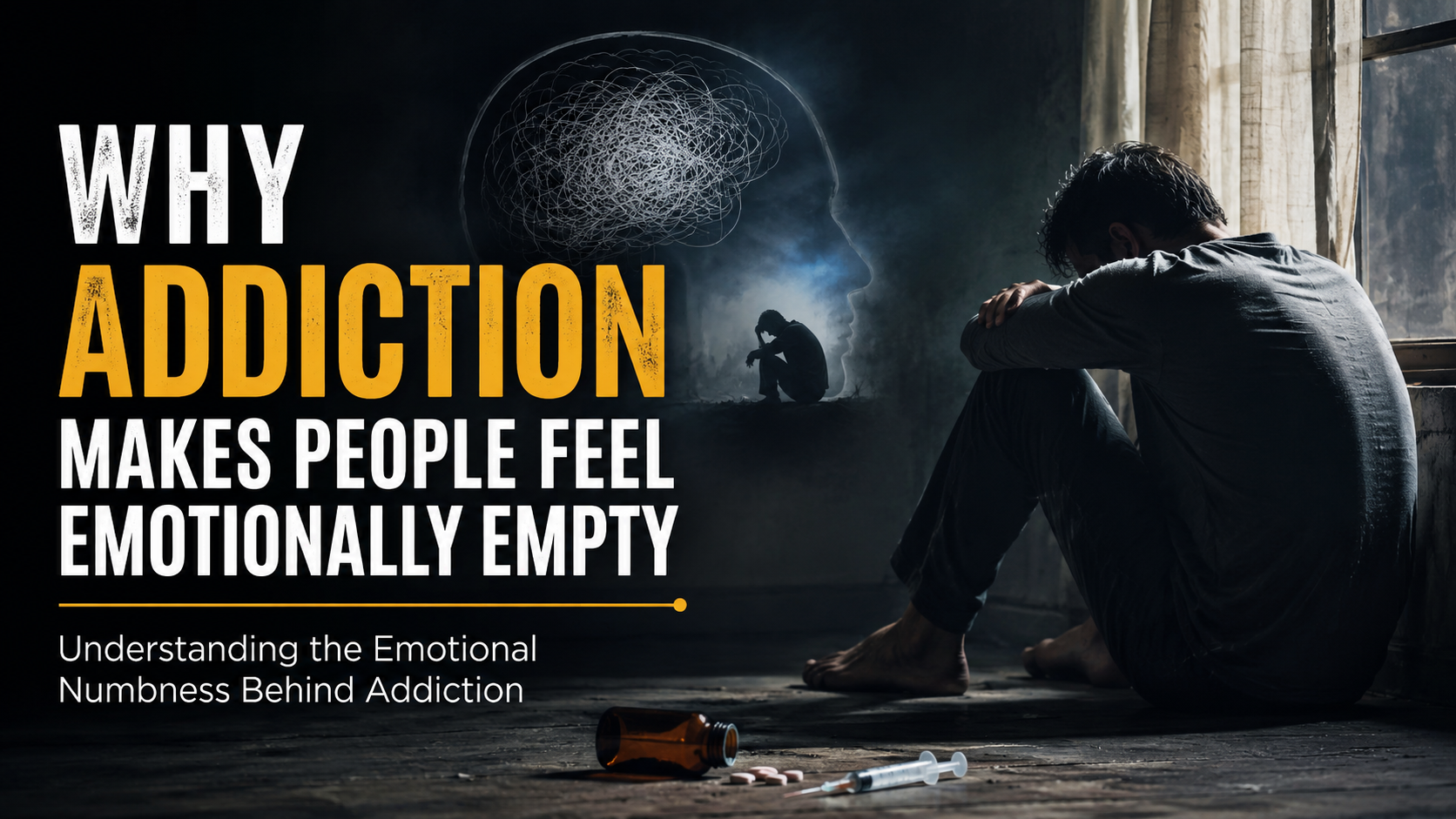
Why addiction feels emotionally empty is something many people struggling with substance use silently experience over time. Many people assume addiction is mainly about pleasure, excitement, or chasing temporary highs. In reality, long-term addiction often leads to the exact opposite emotional state. Over time, many individuals struggling with addiction begin feeling emotionally exhausted, disconnected, numb, lonely, and emotionally empty.
This emotional emptiness can become one of the most painful psychological parts of addiction because the person may continue using substances while no longer feeling genuine emotional relief, motivation, or emotional connection the way they once did.
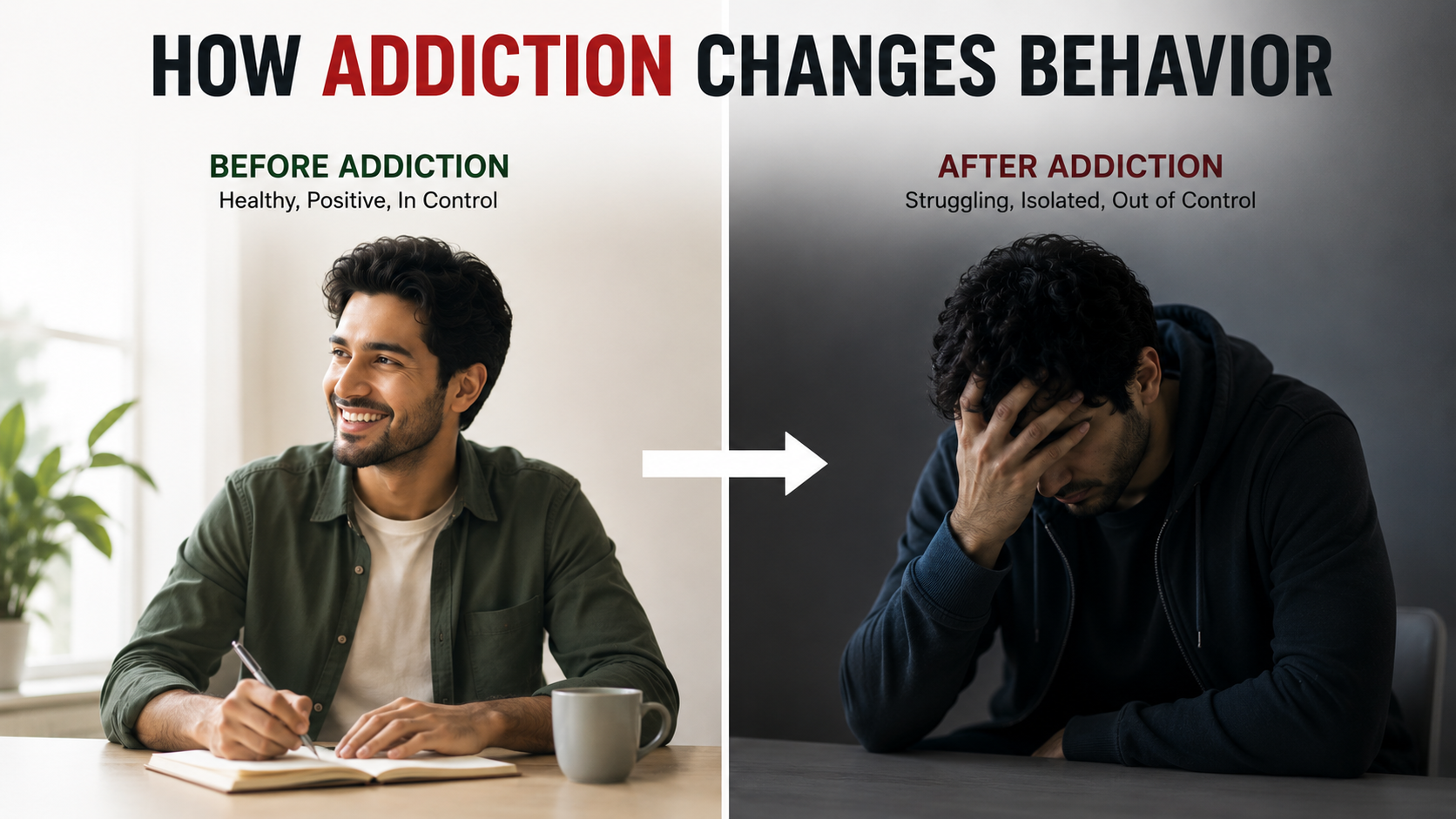
Families often become confused by these emotional changes. Someone who was once emotionally expressive, motivated, socially connected, or hopeful may slowly become emotionally distant, withdrawn, detached, or psychologically drained over time. Understanding why addiction creates emotional emptiness can help people recognize the deeper psychological impact addiction has on emotional wellbeing, relationships, motivation, and mental health.
Addiction Slowly Changes the Brain’s Reward System
The human brain naturally releases dopamine and other chemicals during meaningful experiences such as emotional connection, achievement, hobbies, laughter, and personal goals. These reward systems help people experience motivation, satisfaction, and emotional balance.
Substances can artificially overstimulate these reward pathways very quickly. At first, this may create temporary emotional relief, pleasure, or escape. Over time, however, the brain gradually adapts to repeated overstimulation.
This can make normal life experiences feel emotionally weaker than before. Activities that once felt meaningful may slowly stop creating the same emotional response or emotional satisfaction. As addiction progresses, many individuals begin depending more heavily on substances just to temporarily feel emotionally “normal” again. This is one reason emotional emptiness often becomes stronger during long-term addiction.
Emotional Numbness Can Slowly Replace Emotional Relief
In the beginning, some individuals use substances to escape emotional pain, stress, loneliness, anxiety, trauma, or overwhelming thoughts. At first, substances may temporarily reduce emotional discomfort. However, long-term addiction often begins numbing both painful and healthy emotions simultaneously.
Over time, many individuals struggle to feel emotionally connected to themselves, their relationships, or daily life. Some continue using substances not because they still feel pleasure, but because emotional emptiness and psychological discomfort become difficult to tolerate without them. This emotional numbness is one reason addiction can gradually affect relationships, communication, and emotional functioning so deeply.
Addiction and Loneliness Often Become Connected
As addiction progresses, emotional isolation frequently increases as well. Some individuals begin withdrawing from:
- family relationships
- healthy routines
- emotional conversations
Others begin hiding emotional struggles internally because of shame, fear, guilt, or emotional exhaustion. Over time, loneliness and addiction may begin strengthening each other psychologically. Emotional isolation increases emotional distress, while addiction further increases emotional withdrawal and emotional disconnection.
Many families notice that loved ones struggling with addiction begin seeming emotionally “absent” even when physically present. Conversations may feel emotionally distant, motivation declines, and emotional closeness slowly weakens over time. You can also read our article on How Addiction Slowly Changes a Person’s Behavior to better understand how addiction gradually affects emotional behavior and relationships.
Emotional Emptiness Can Continue During Early Recovery
One of the biggest surprises many individuals experience during recovery is that emotional emptiness does not disappear immediately after substance use stops. In early recovery, some individuals experience emotional numbness, low motivation, anxiety, emotional instability, and difficulty feeling pleasure normally. This often happens because the brain and emotional system need time to gradually rebalance after prolonged addiction.
Many people expect recovery to immediately feel emotionally positive, but emotional healing usually happens gradually rather than instantly. This is why recovery often requires therapy, emotional support, healthier coping strategies, psychological healing, and stable routines alongside physical sobriety itself.
Shame and Emotional Self-Hatred Can Make Things Worse
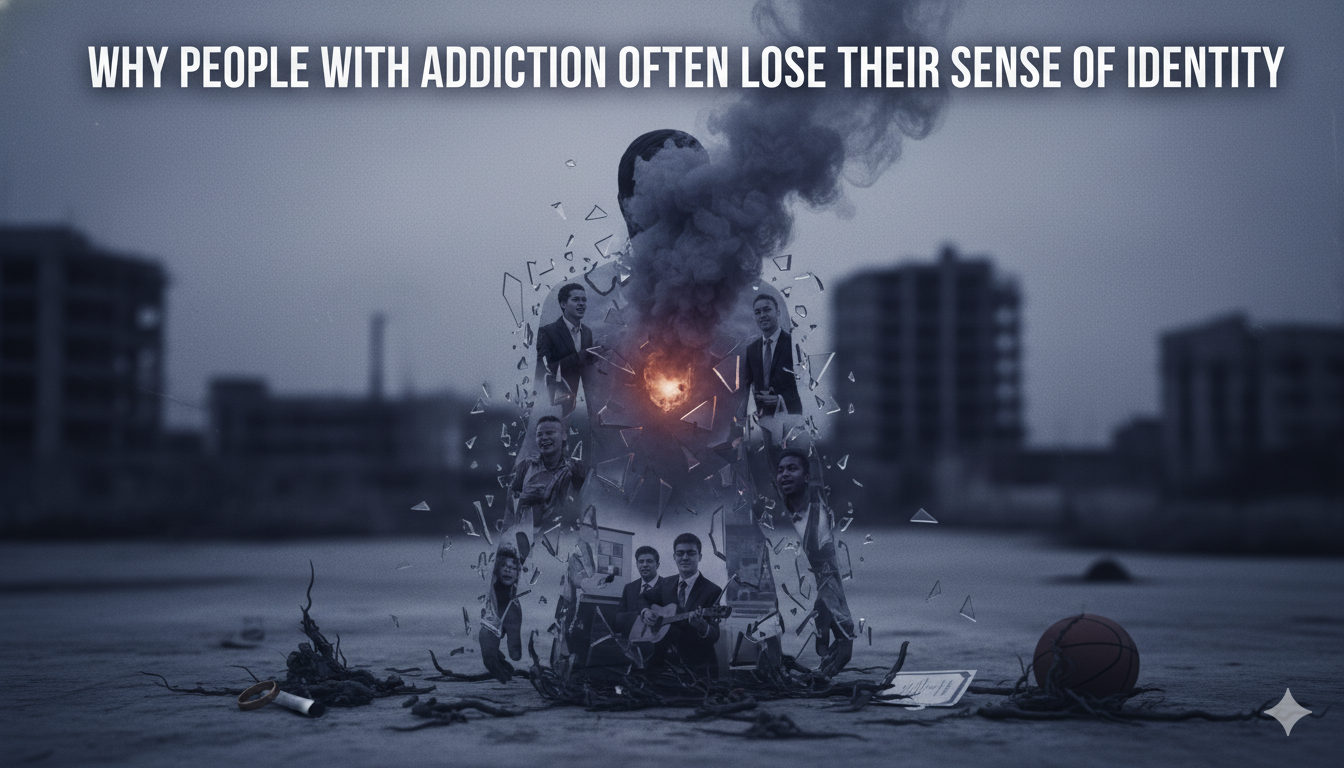
Many individuals struggling with addiction secretly experience intense shame, guilt, or emotional self-criticism underneath the surface. Over time, repeated relapse cycles, relationship damage, emotional instability, and personal regret may slowly affect self-worth and emotional identity. Some individuals begin believing they are broken, that recovery is impossible, or that they will never feel emotionally normal again.
These thoughts can deepen emotional emptiness further while increasing hopelessness and emotional isolation. This is one reason compassionate psychological support and structured rehabilitation environments can become extremely important during recovery. You can also read our article on Why People Relapse Even After Wanting Recovery to better understand why emotional struggles often continue affecting recovery even when someone genuinely wants change.
Recovery Often Involves Relearning Emotional Stability
Many individuals entering recovery eventually realize they need to relearn healthy emotional coping patterns that addiction slowly replaced.
Recovery often involves rebuilding emotional regulation, self-awareness, communication, stress management, motivation, healthier routines, and emotional connection. This process can take time emotionally, but many individuals gradually begin reconnecting with healthier emotions, relationships, goals, and emotional stability as recovery progresses.
Frequently Asked Questions
Why does addiction cause emotional emptiness?
Long-term addiction can overstimulate and gradually disrupt the brain’s reward system, making normal emotional experiences feel weaker over time.
Can addiction cause emotional numbness?
Yes. Many individuals struggling with addiction experience emotional numbness, emotional detachment, loneliness, and reduced emotional motivation.
Why do people with addiction feel disconnected from others?
Addiction often increases isolation, shame, emotional withdrawal, and psychological distress, which may gradually affect relationships and emotional closeness.
Does emotional emptiness continue during recovery?
Yes. Emotional healing usually takes time, and some individuals experience emotional numbness or low motivation during early recovery.
Can therapy help emotional recovery after addiction?
Yes. Therapy, rehabilitation, emotional support, and healthier coping strategies often help individuals rebuild emotional stability and psychological wellbeing during recovery.
Addiction often affects much more than physical health alone. Emotional numbness, loneliness, psychological exhaustion, and emotional emptiness may gradually increase as addiction changes emotional functioning and reward systems over time. Understanding these emotional effects more realistically can help individuals and families approach recovery with greater awareness, compassion, and long-term psychological support.