Returning to work after addiction treatment involves rebuilding confidence, managing stress, and developing healthy routines. Learn how to balance employment with ongoing recovery.
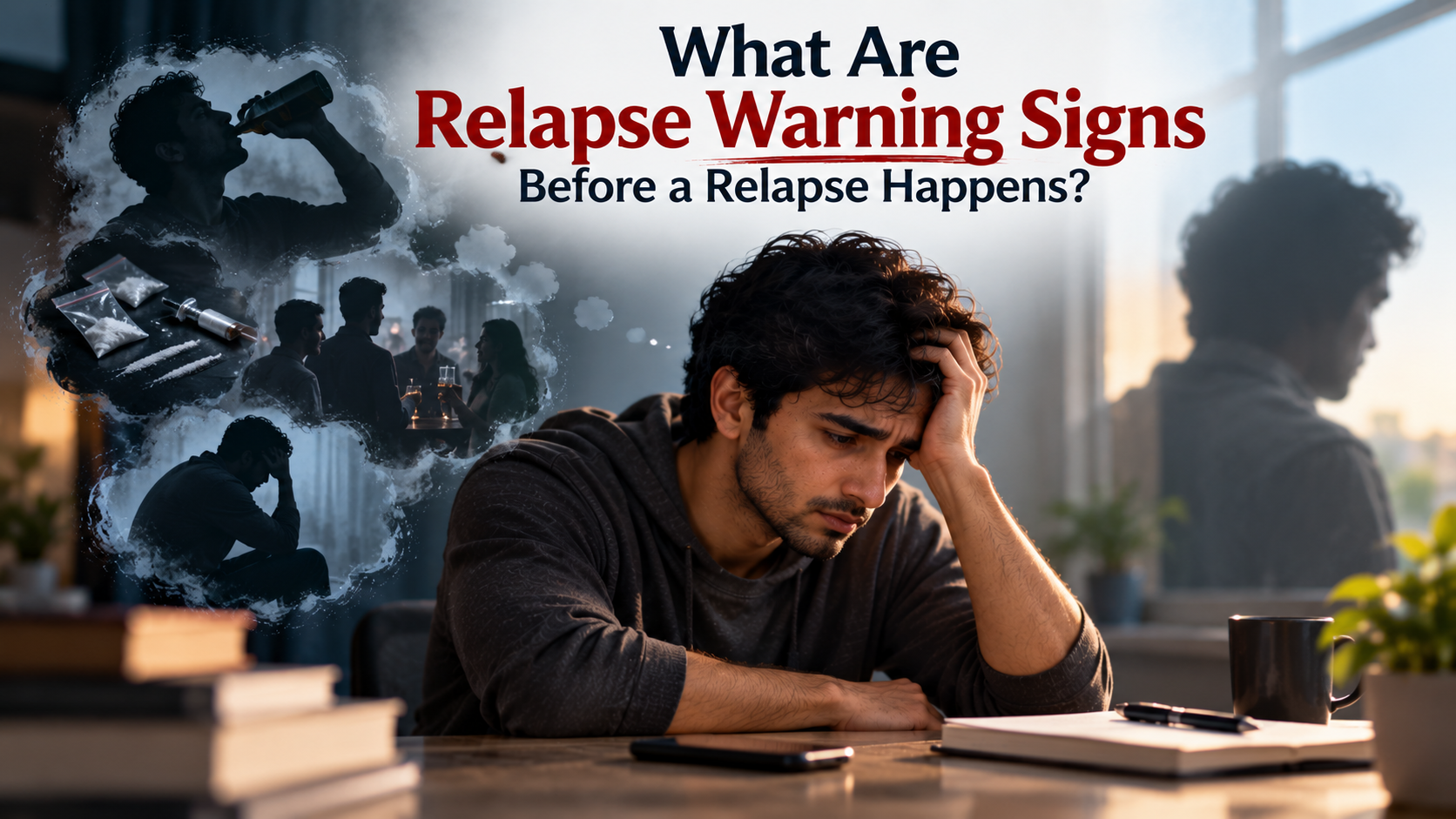
Recognizing relapse warning signs early can help protect recovery. Learn how cravings, isolation, emotional changes, and old habits may signal increasing relapse risk.
Why do some people fear getting better after addiction? Explore how uncertainty, emotional pain, shame, identity, and fear of failure can make recovery difficult.
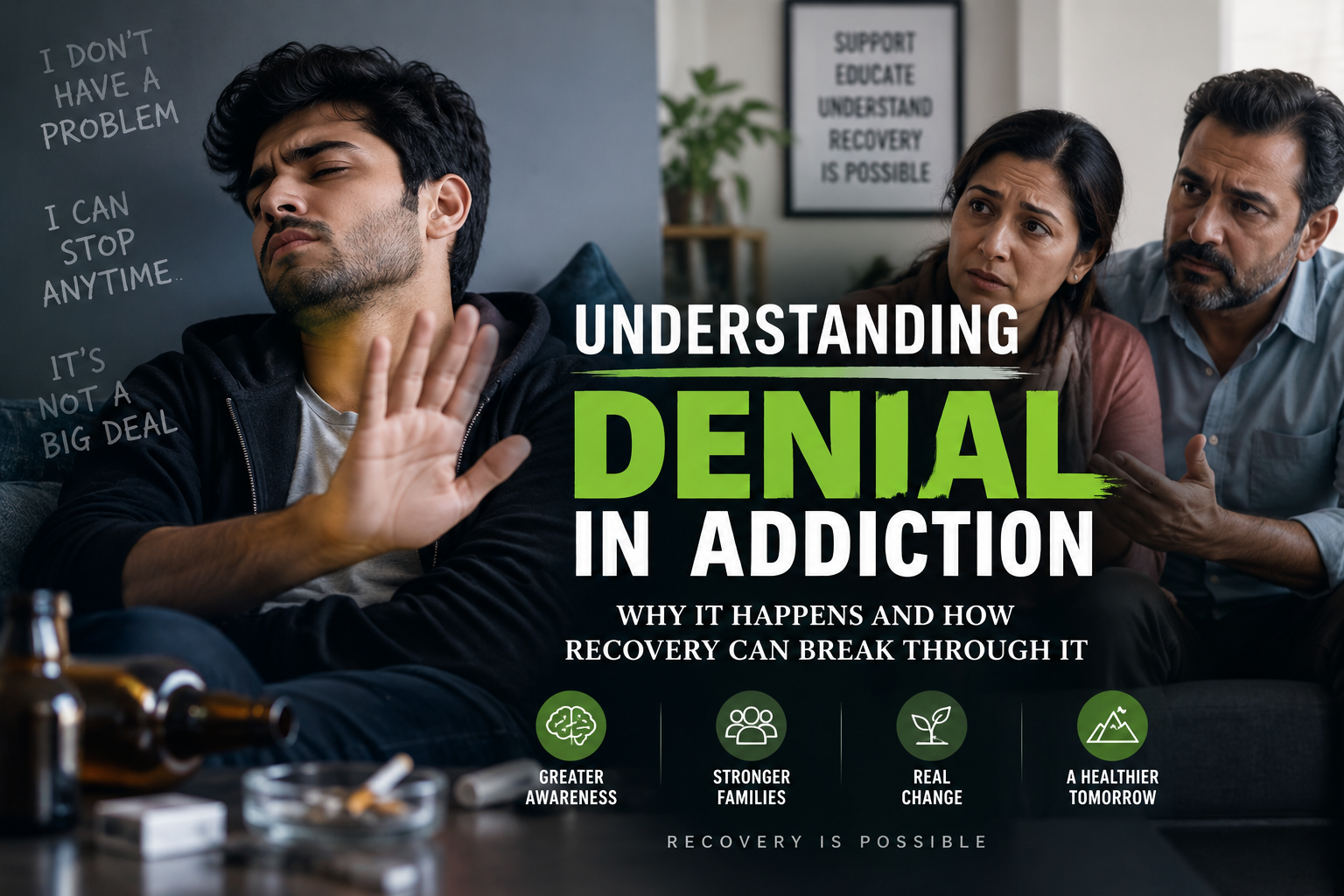
Denial in addiction can make it difficult to recognize a substance use problem. Learn why denial happens, how it affects treatment, and what can help someone move toward recovery.
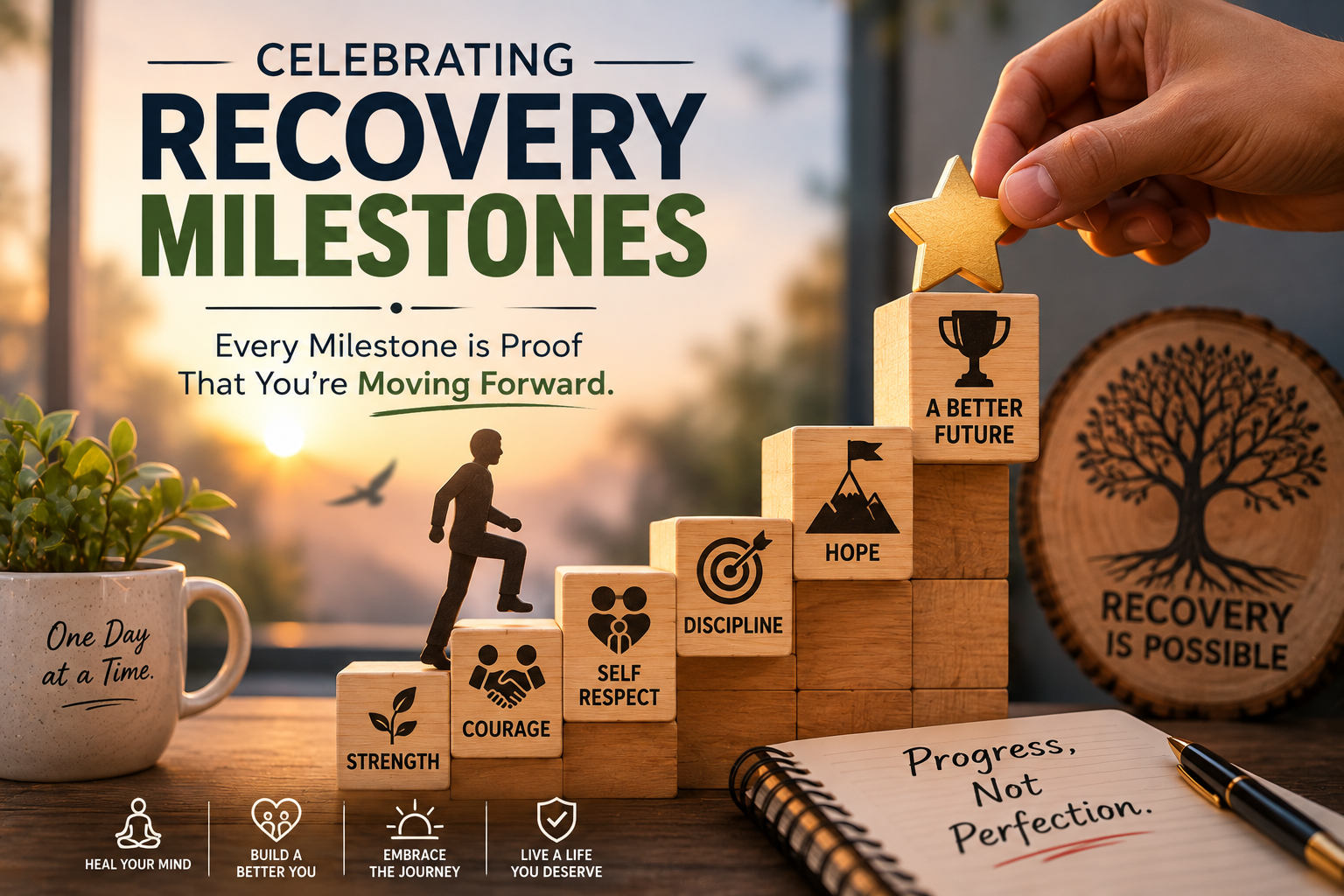
Recovery milestones help people recognize progress, build confidence, and stay motivated. Learn why celebrating achievements matters throughout addiction recovery.
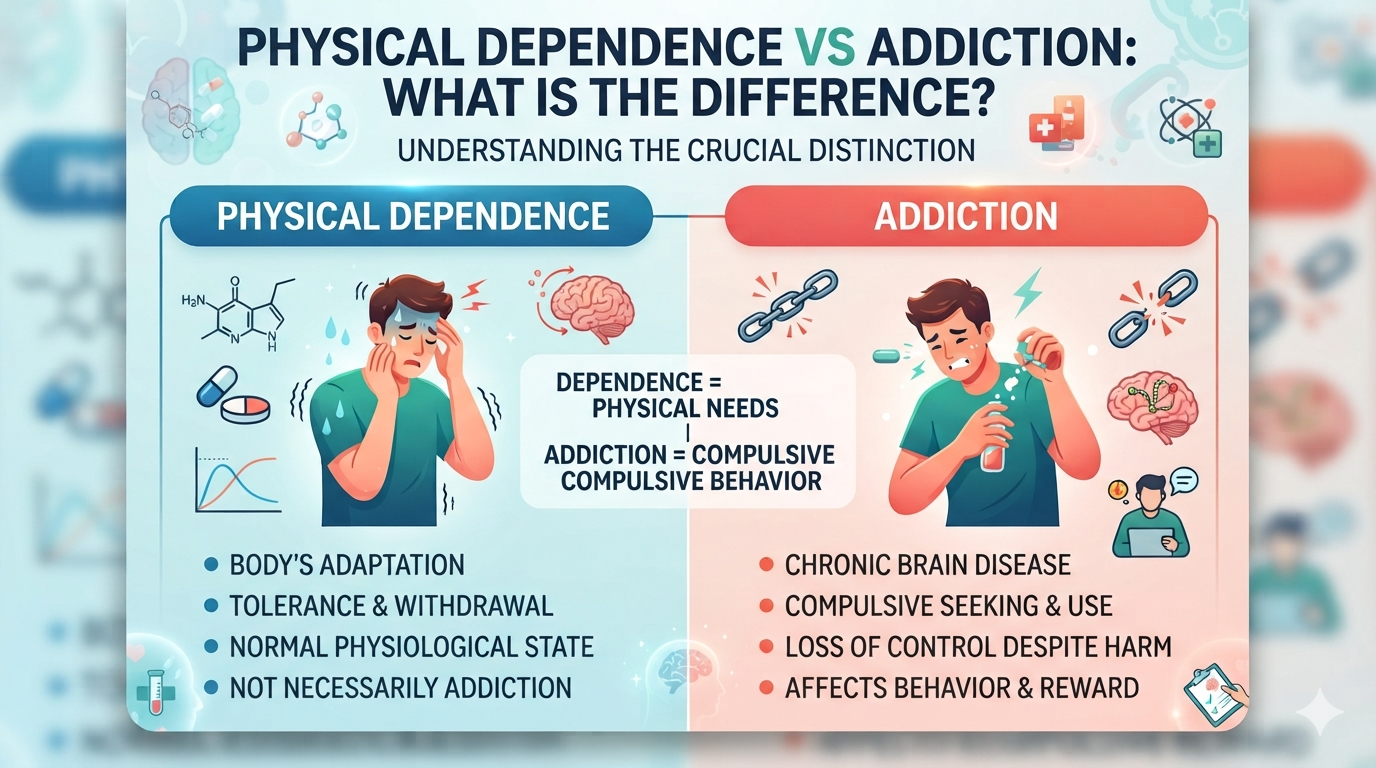
Physical dependence and addiction are not the same. Learn how physical dependence, withdrawal, cravings, and compulsive substance use differ and why the distinction matters.
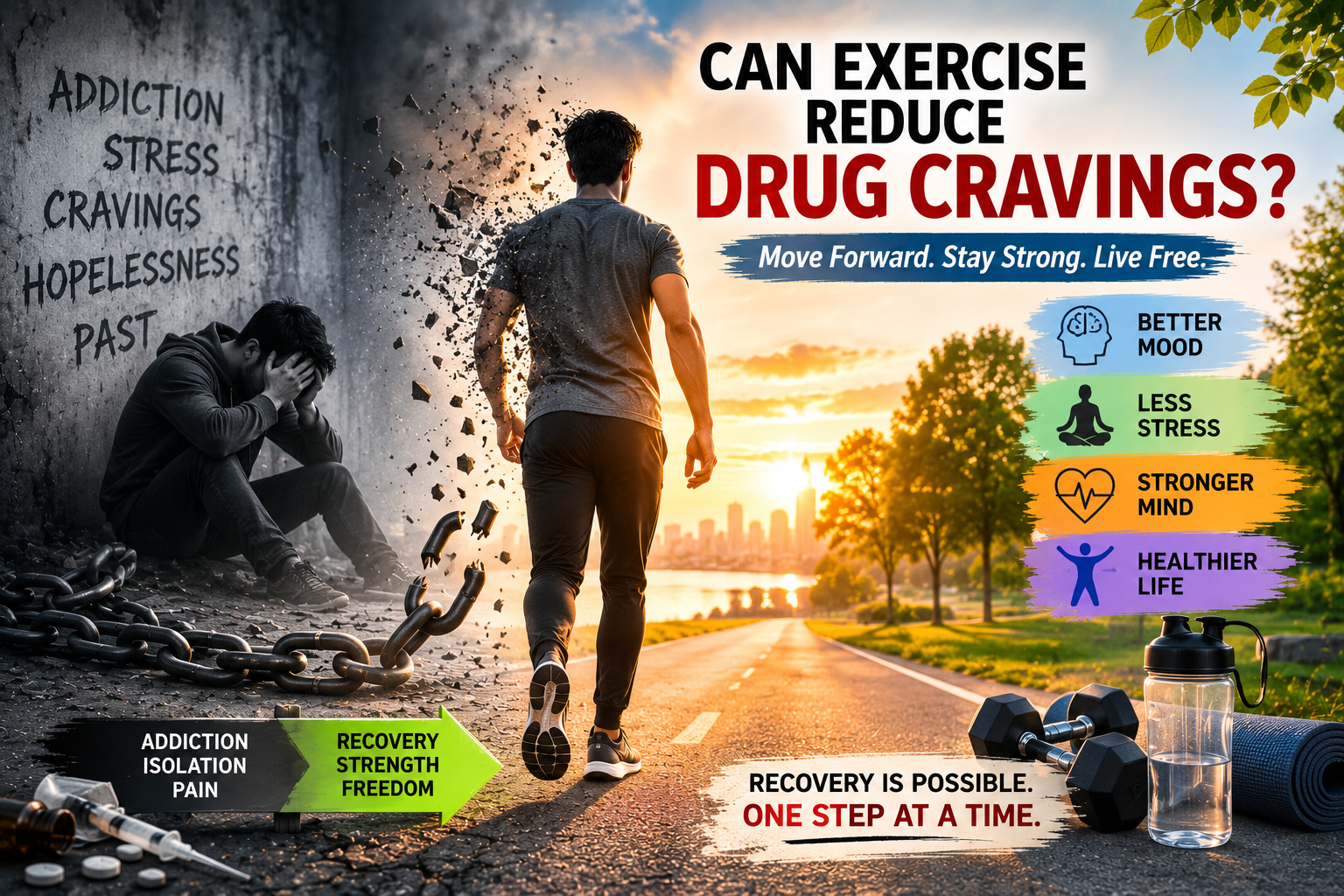
Can exercise reduce drug cravings? Learn how physical activity may support craving management, improve mood, reduce stress, and build healthier routines during addiction recovery.
Financial recovery after addiction takes time, but rebuilding stability is possible. Learn how to manage debt, develop better money habits, find employment, and rebuild financial trust.
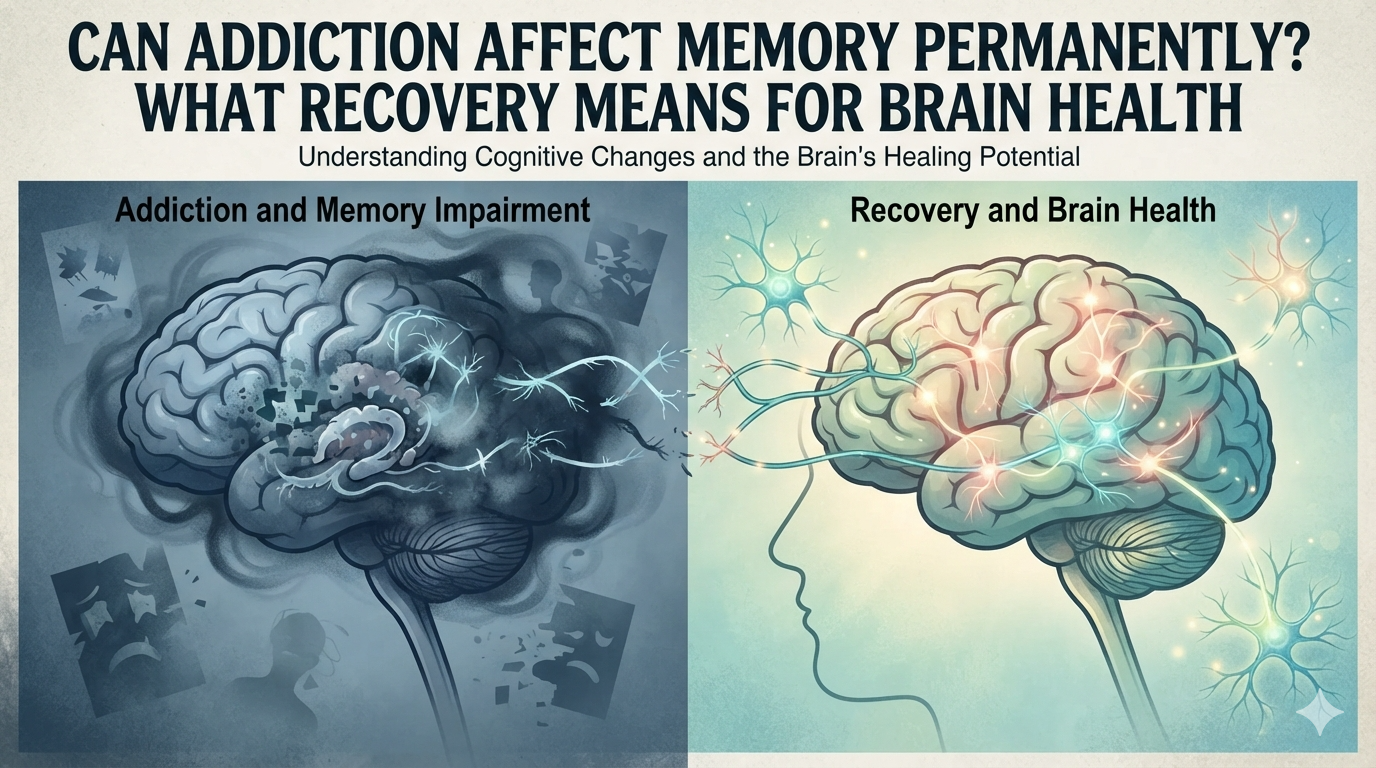
Can addiction affect memory permanently? Discover how substance use changes the brain, why memory problems occur, and how recovery supports cognitive healing over time.
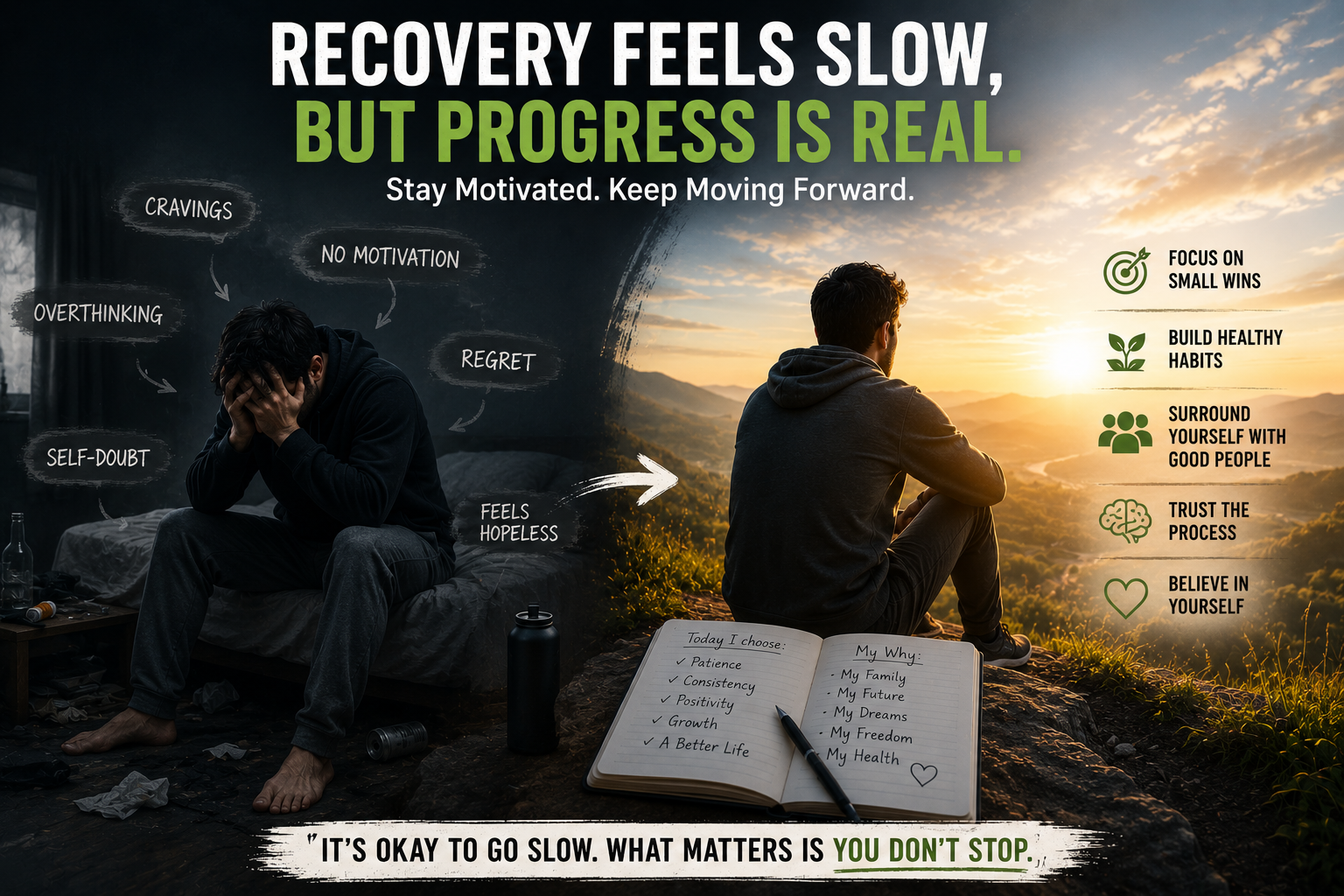
Recovery doesn’t always feel fast, but slow progress is still progress. Learn why healing takes time and discover practical ways to stay motivated throughout your recovery journey.
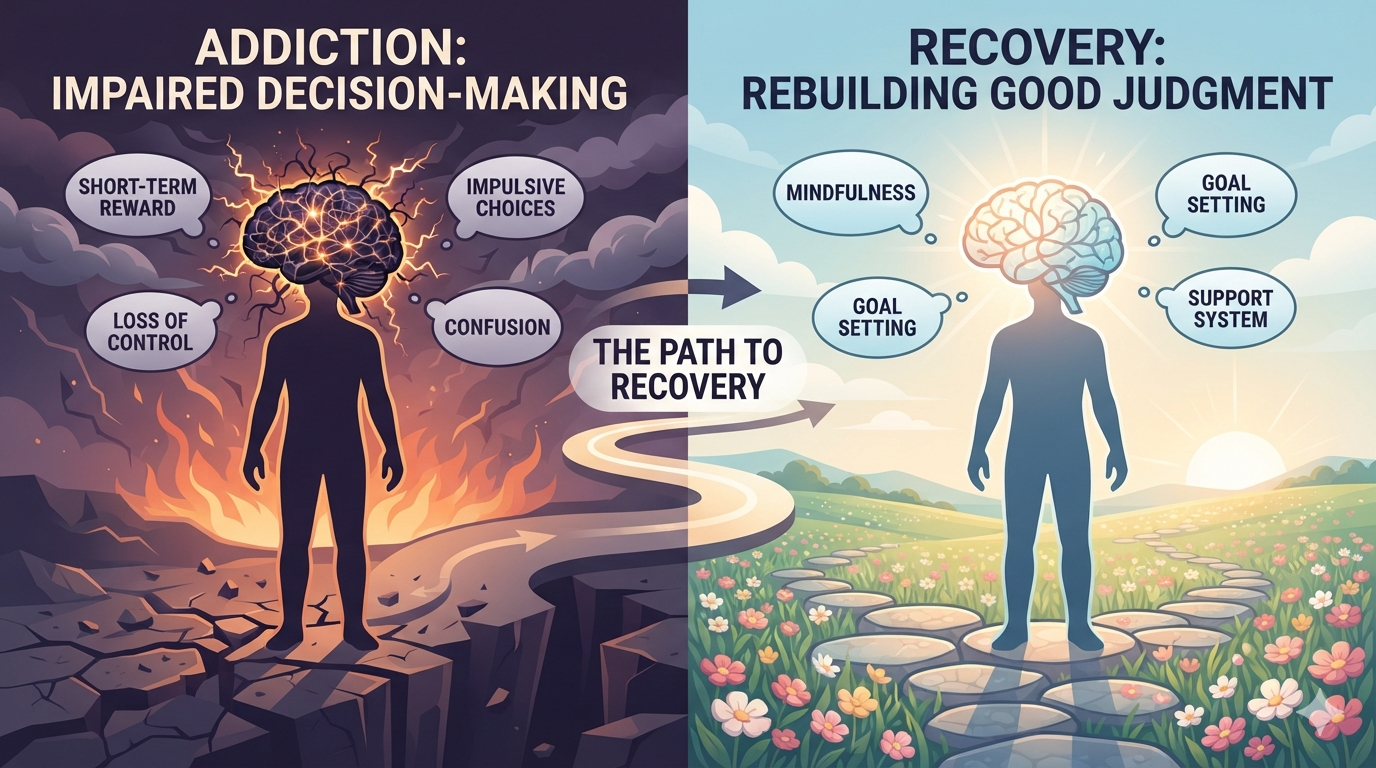
Addiction can impair judgment and lead to harmful decisions. Learn how substance use changes the brain’s decision-making process and how recovery helps rebuild clear thinking and better choices.
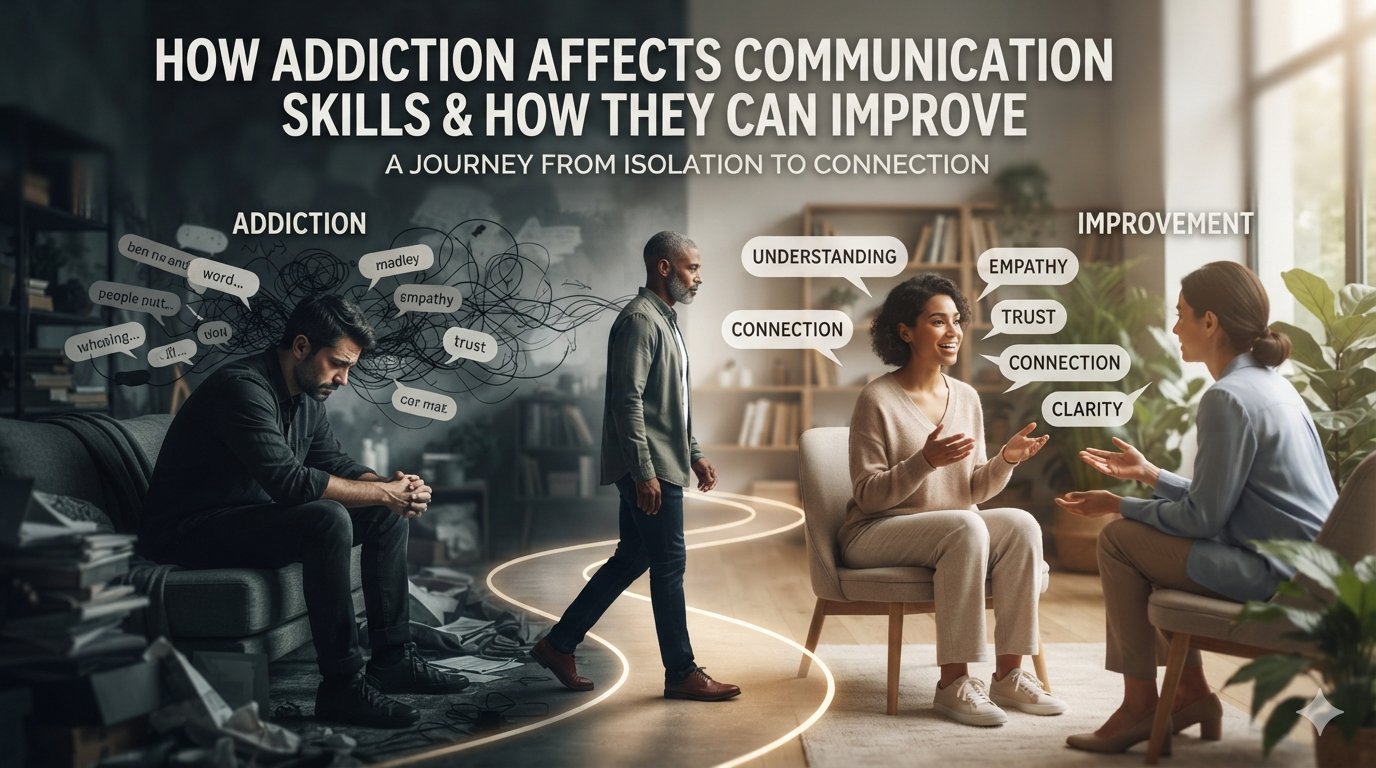
Addiction can damage communication, trust, and relationships. Learn how substance use affects communication skills and discover practical ways recovery helps rebuild healthy connections.
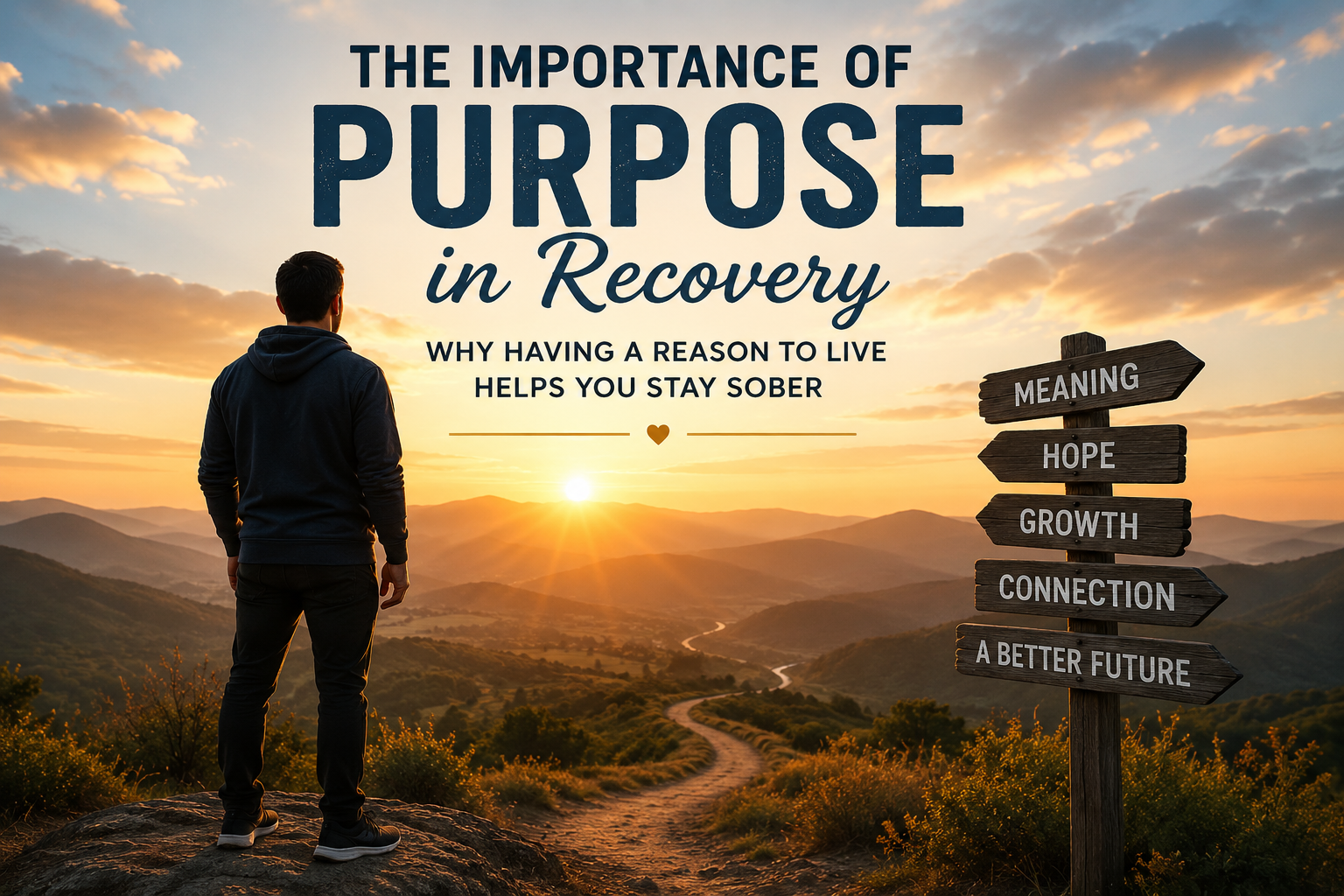
Recovery is about more than quitting drugs. Discover why finding purpose in recovery can strengthen motivation, improve emotional well-being, and support long-term sobriety.
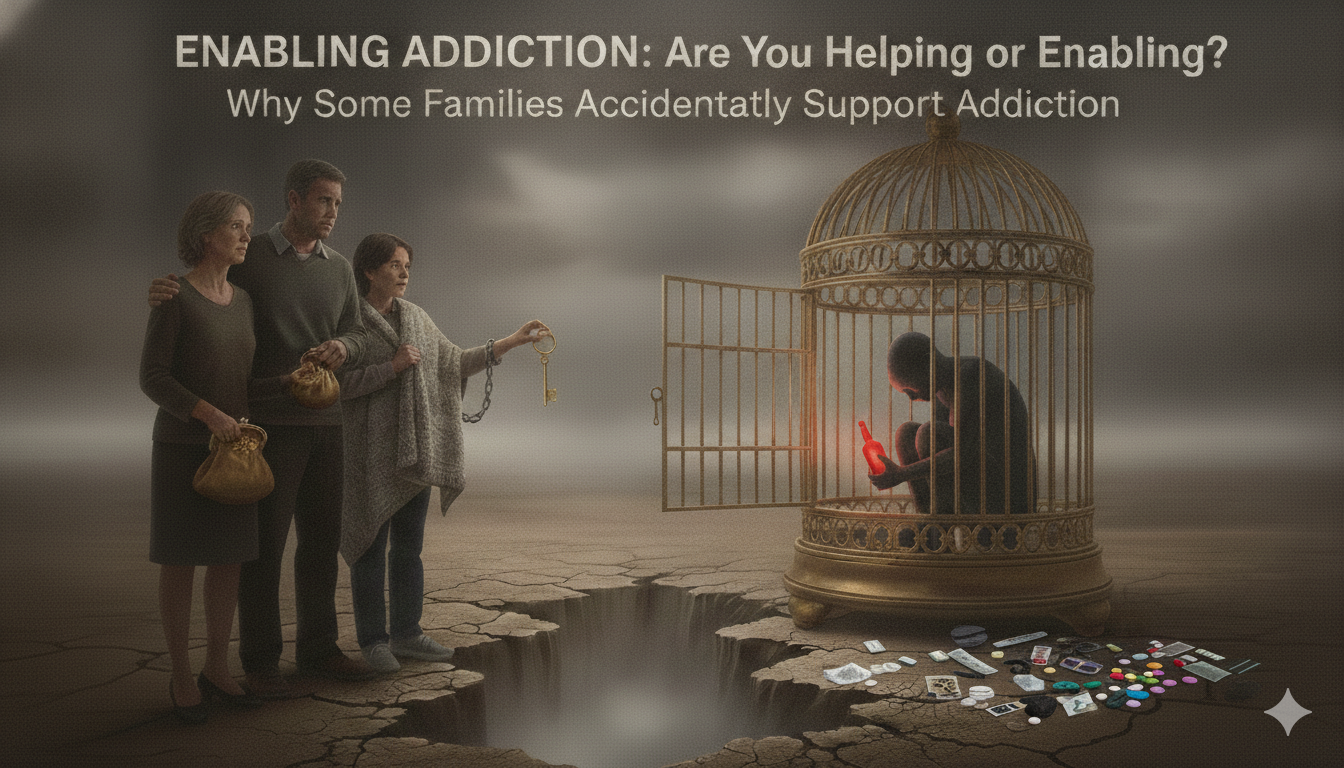
Many families unintentionally enable addiction while trying to protect a loved one. Learn the signs of enabling, why it happens, and how healthy boundaries can support long-term recovery and healing.
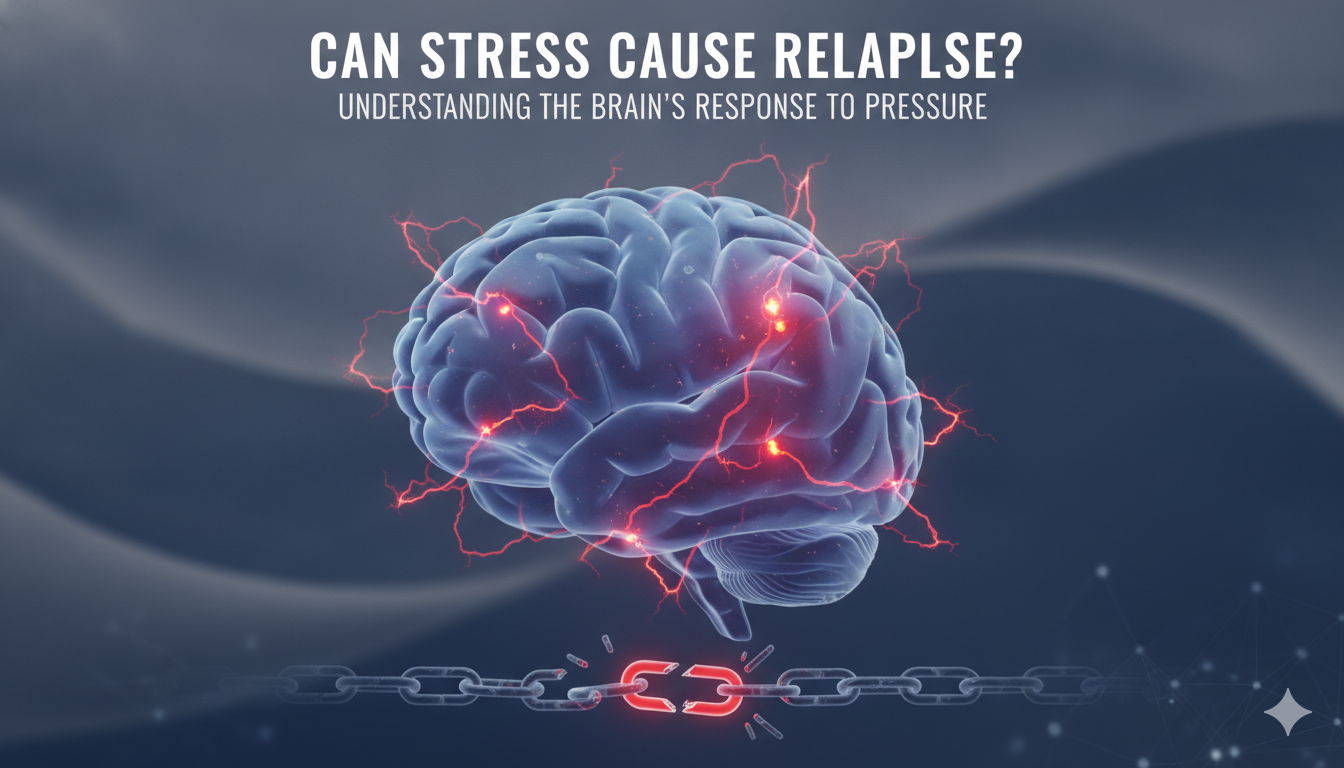
Stress is one of the leading causes of relapse during addiction recovery. Learn how pressure affects the brain, why stress can trigger cravings, and practical ways to stay sober during difficult times.
Boredom after quitting drugs is a common challenge in recovery. Learn why it happens, how addiction affects the brain’s reward system, and practical strategies for building a fulfilling sober life.
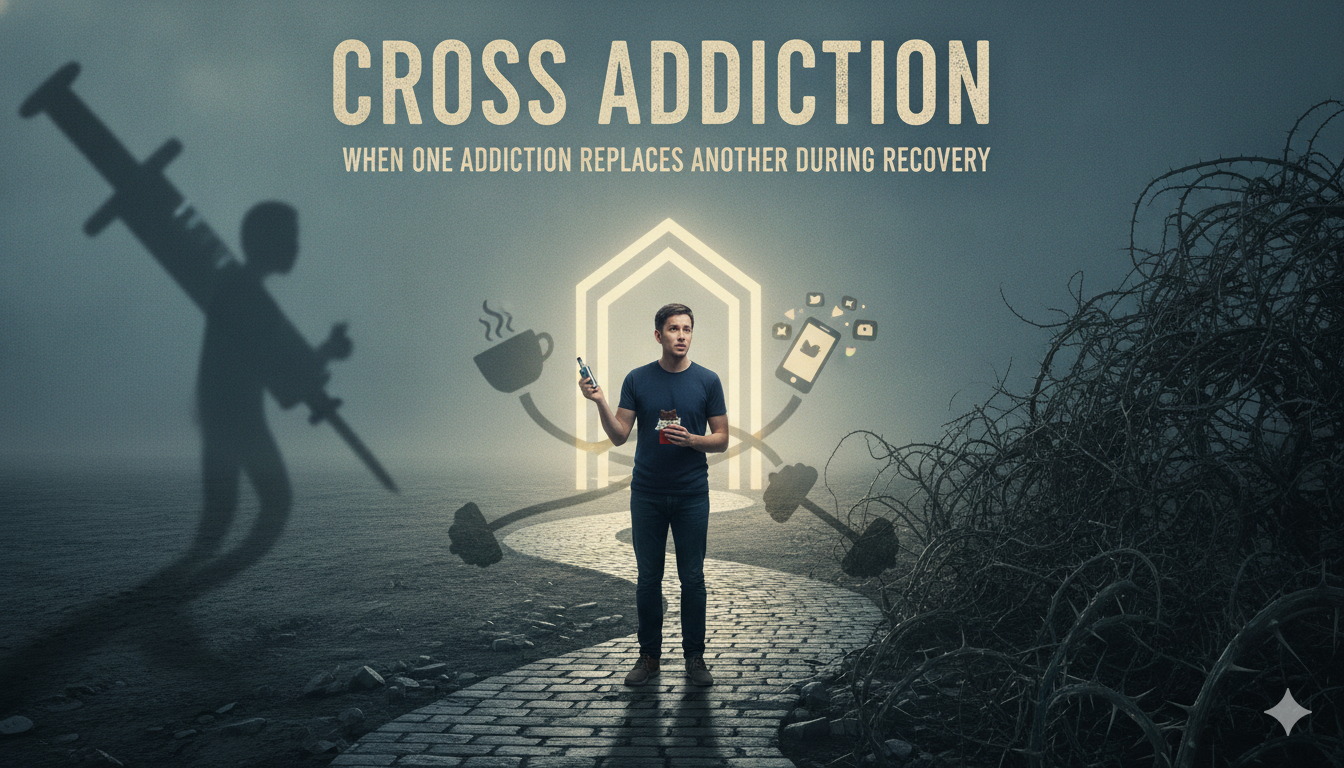
Cross addiction occurs when someone replaces one addictive substance or behavior with another during recovery. Learn the warning signs, causes, risks, and strategies for maintaining long-term sobriety.
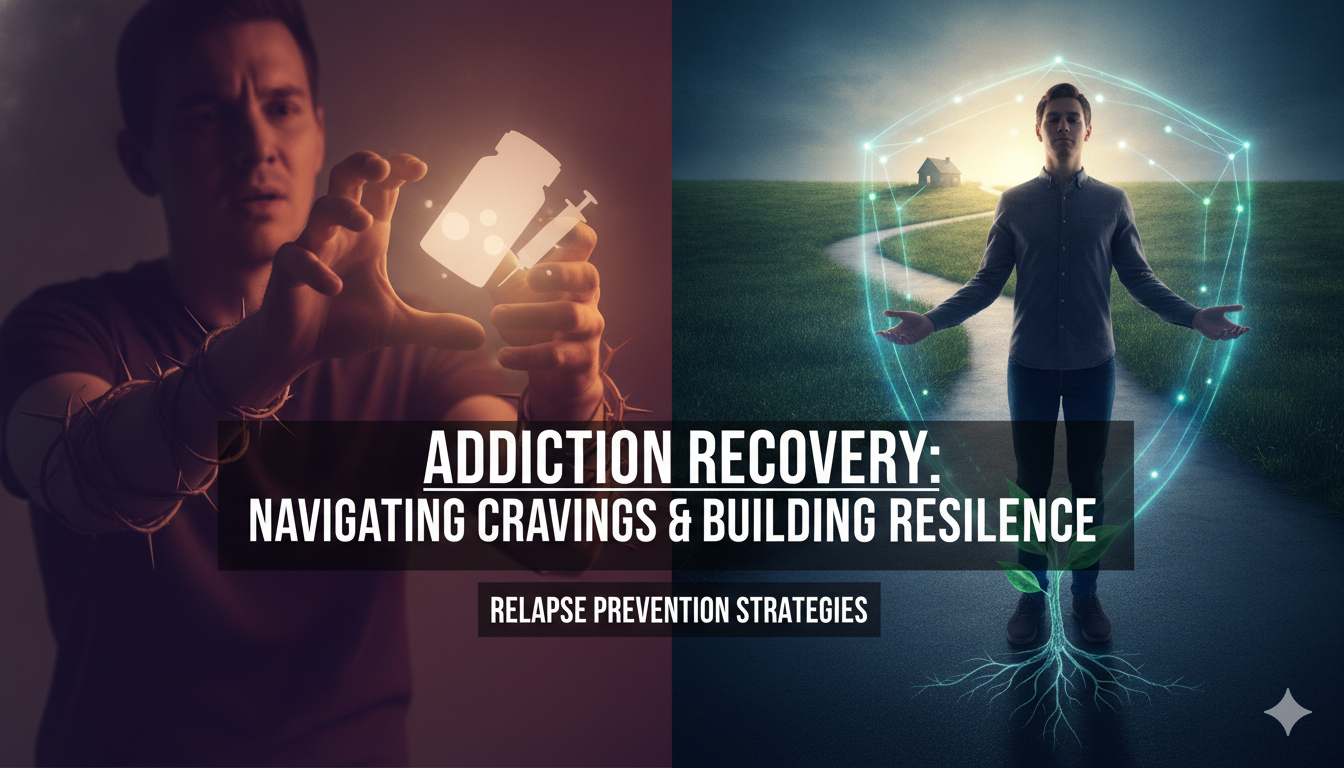
Drug cravings are powerful urges driven by changes in the brain’s reward system after substance use. This article explains the science behind cravings, why they occur, and evidence-based strategies to manage and reduce them during recovery.
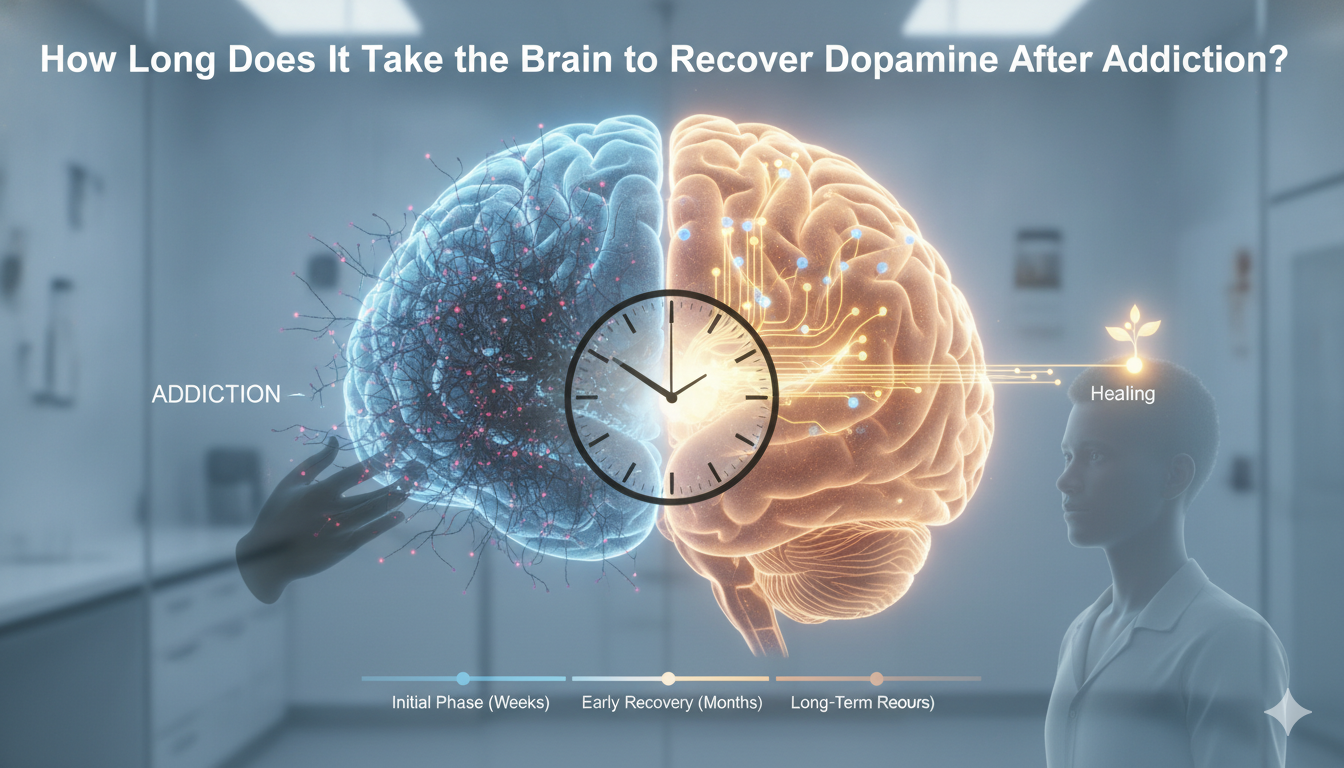
Addiction changes the brain’s dopamine system, but recovery is possible. Learn how long it takes for dopamine levels to heal after addiction and what happens during brain recovery.
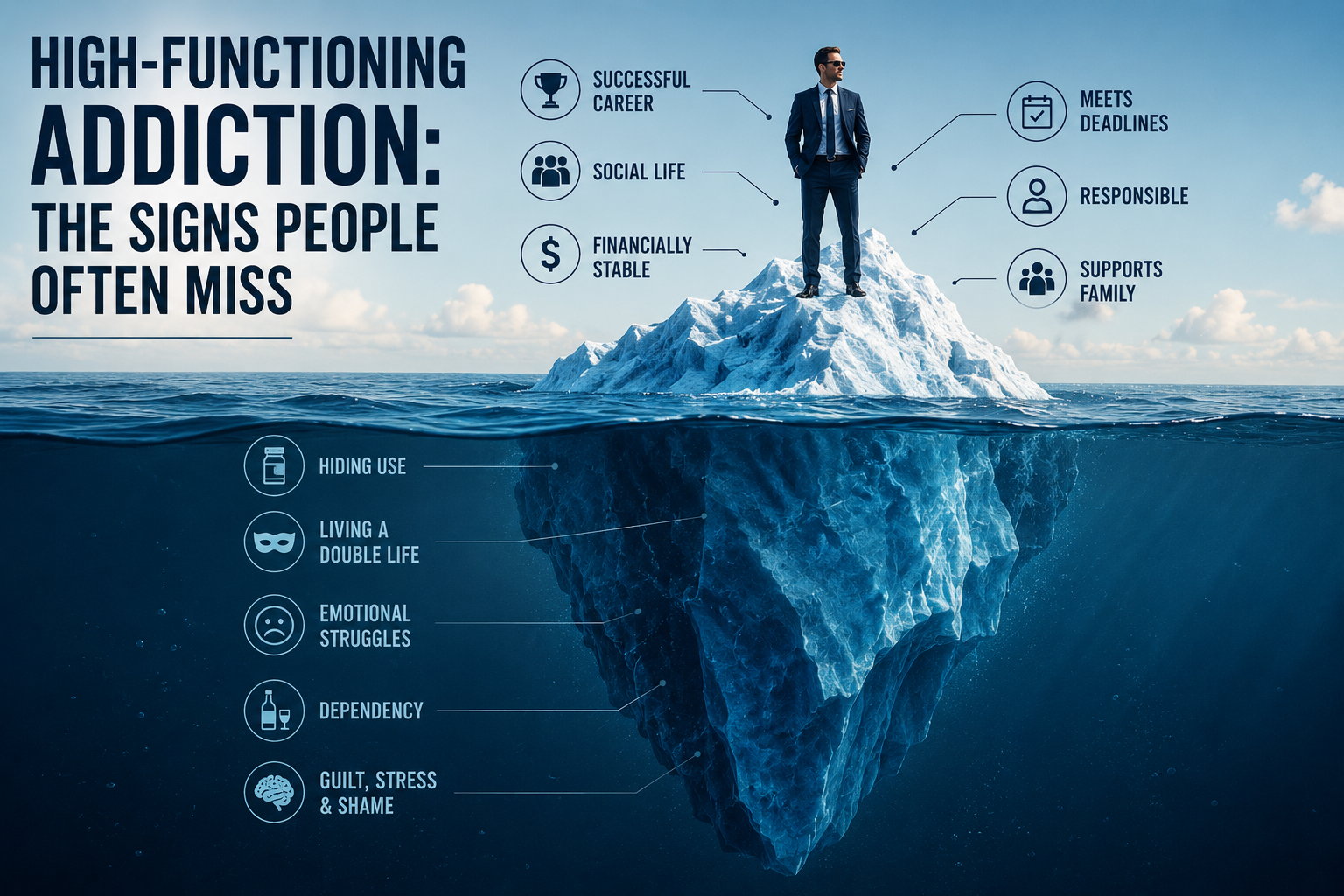
High-functioning addiction often remains hidden behind success, responsibility, and daily routines. Learn the signs people often miss and why early recognition matters.
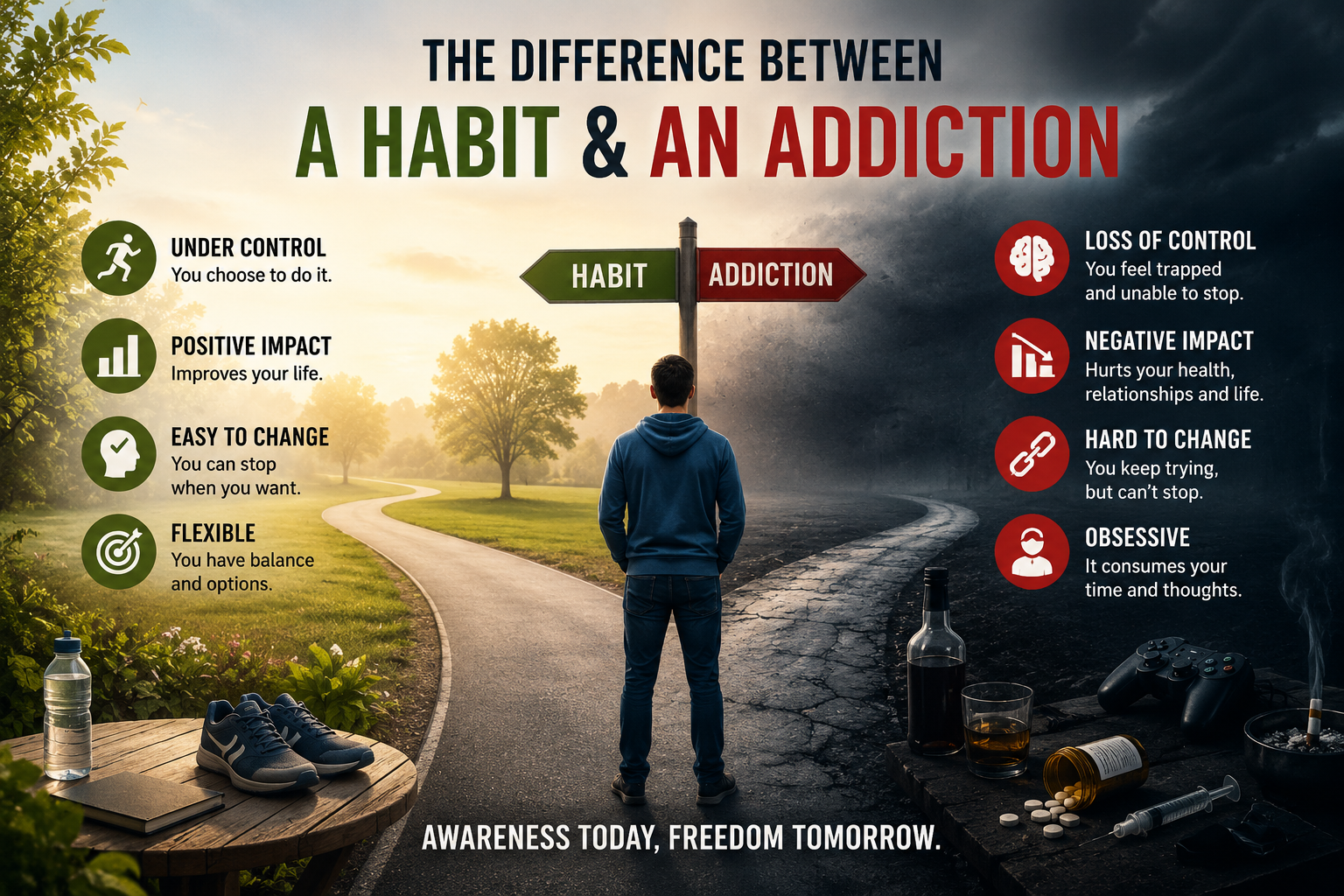
Learn the difference between a habit and an addiction, how each affects daily life, and the warning signs that may indicate a behavior has become difficult to control.
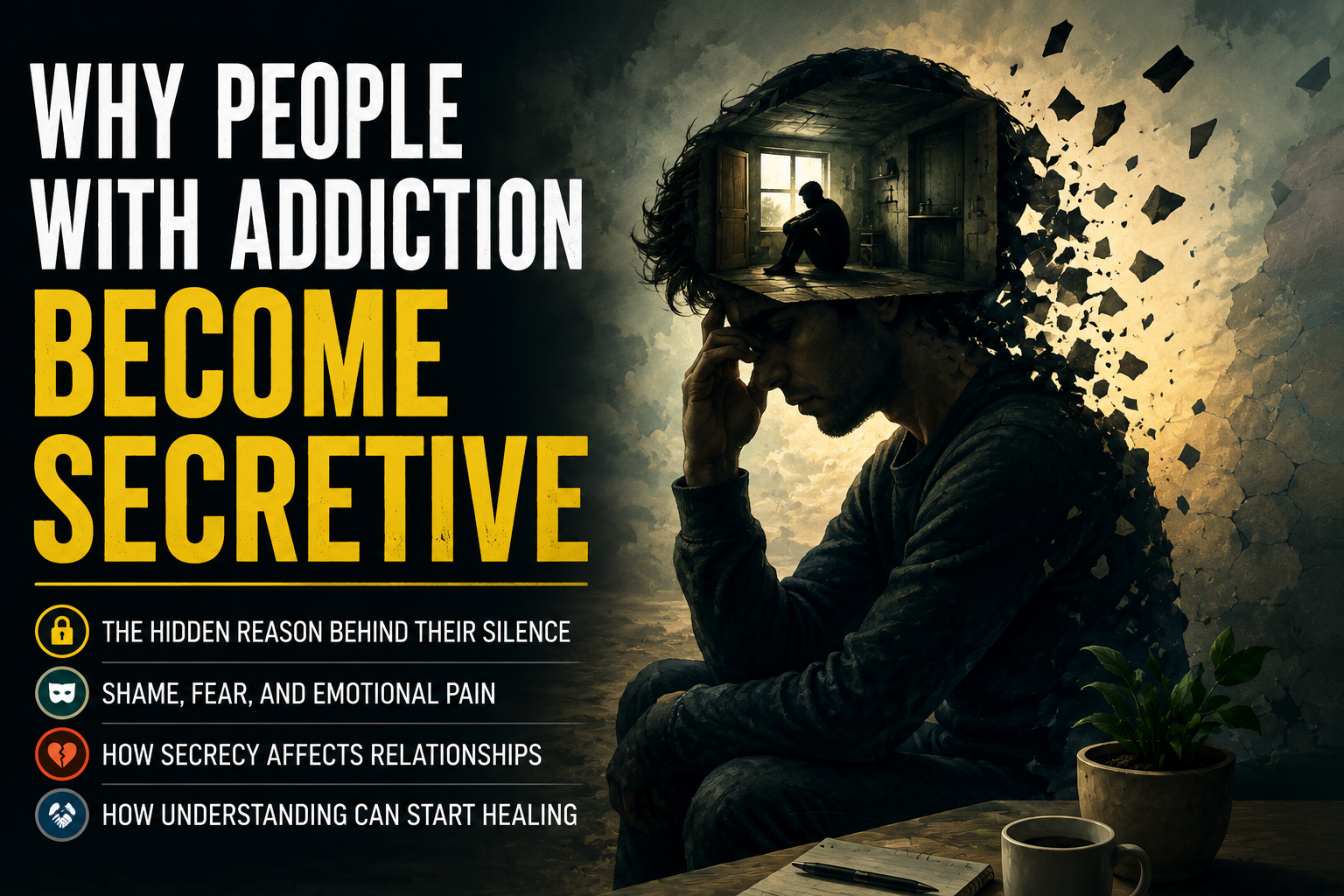
Learn why people with addiction become secretive, how secrecy affects trust and relationships, and what it may reveal about the emotional challenges of addiction and recovery.
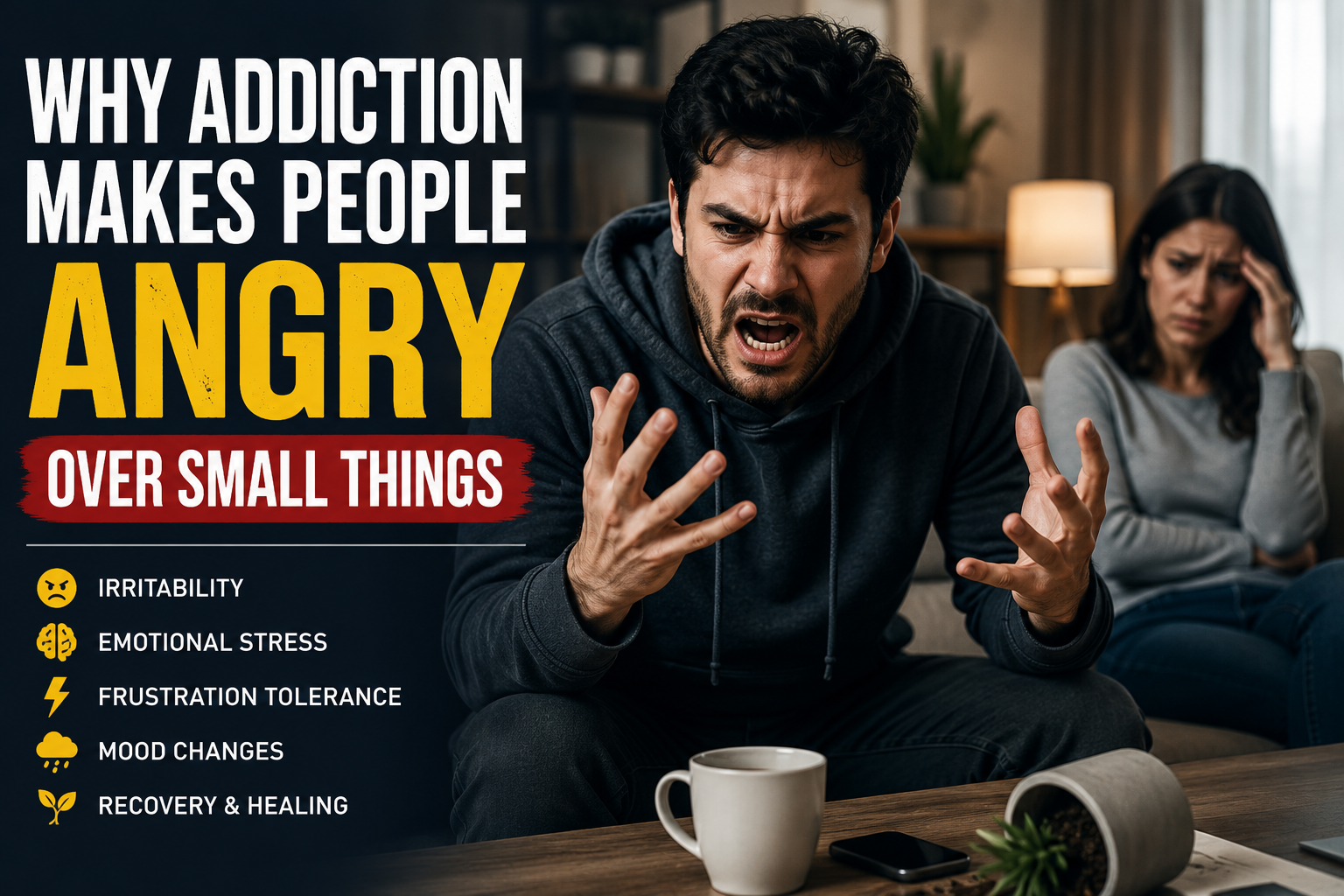
Learn why addiction makes people angry over small things, affecting emotional control, stress levels, communication, and daily relationships over time.
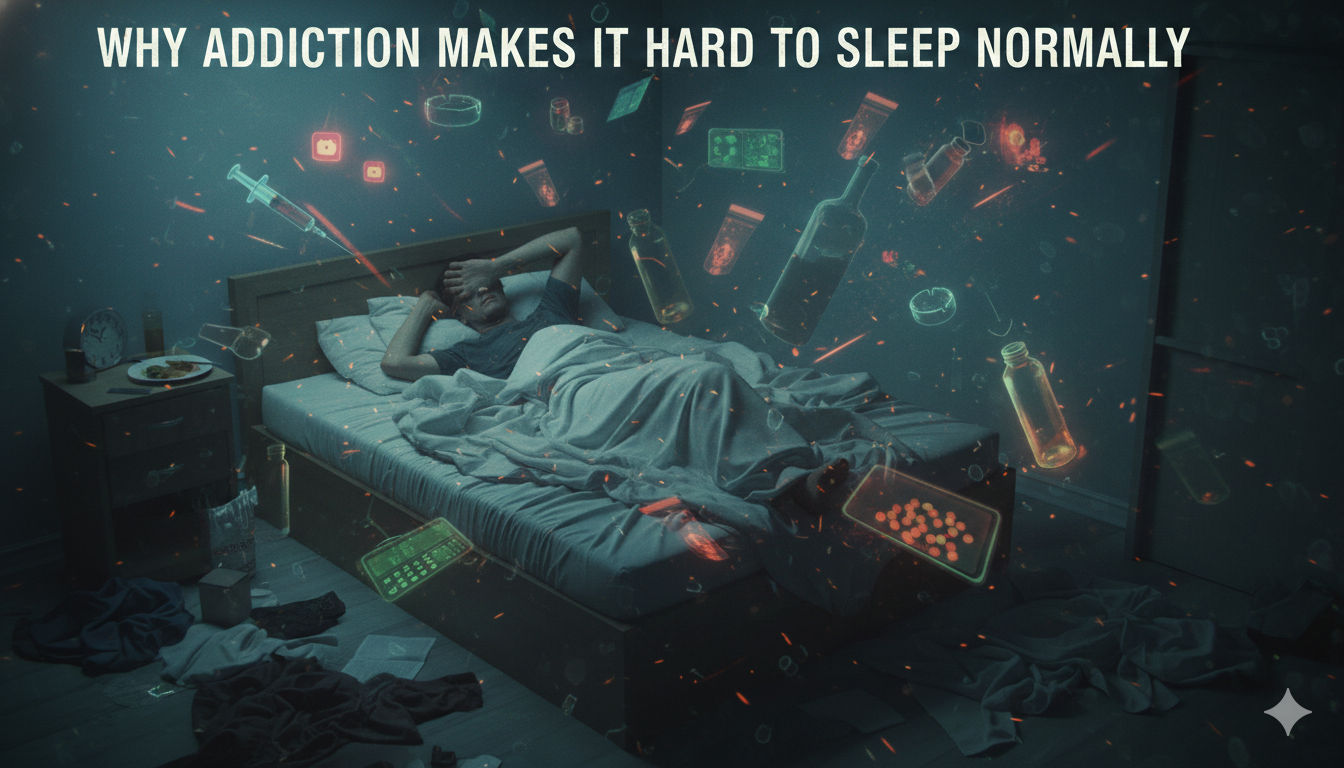
Learn why addiction makes it hard to sleep normally, affecting energy, concentration, emotional stability, and overall mental and physical health over time.
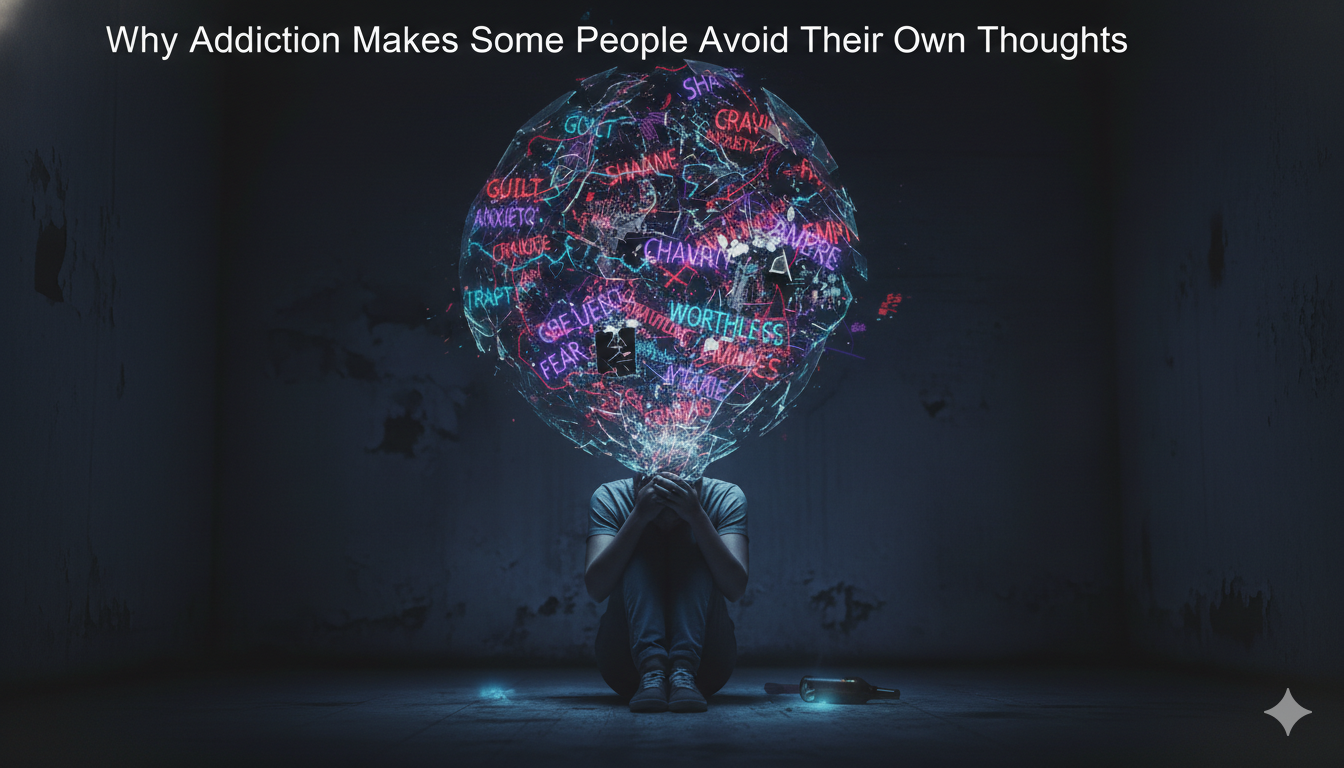
Addiction can gradually become connected with emotional escape, overthinking, stress, and avoiding painful thoughts. Learn why some people use addiction to emotionally disconnect from their inner struggles over time.
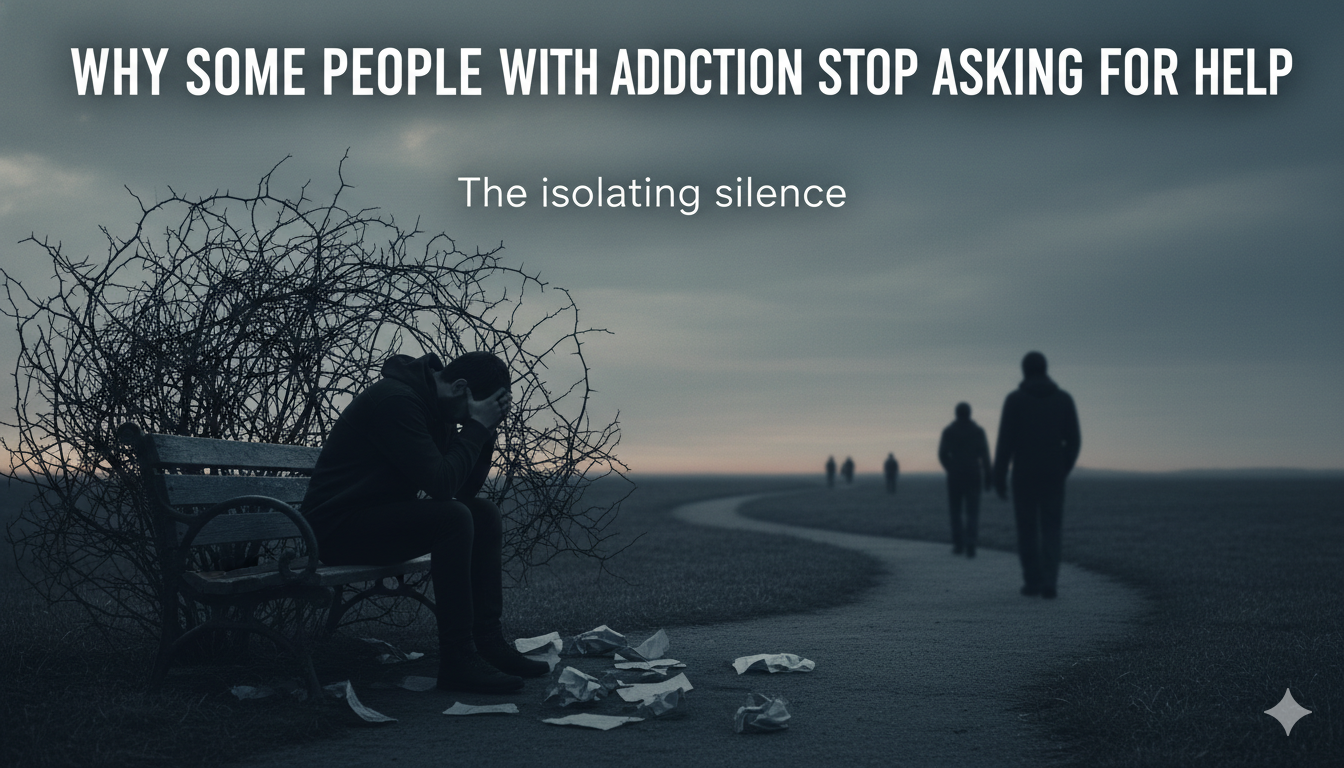
Many people struggling with addiction slowly stop asking for help because of shame, emotional exhaustion, hopelessness, and fear of judgment. Learn the emotional reasons behind isolation during addiction and recovery.
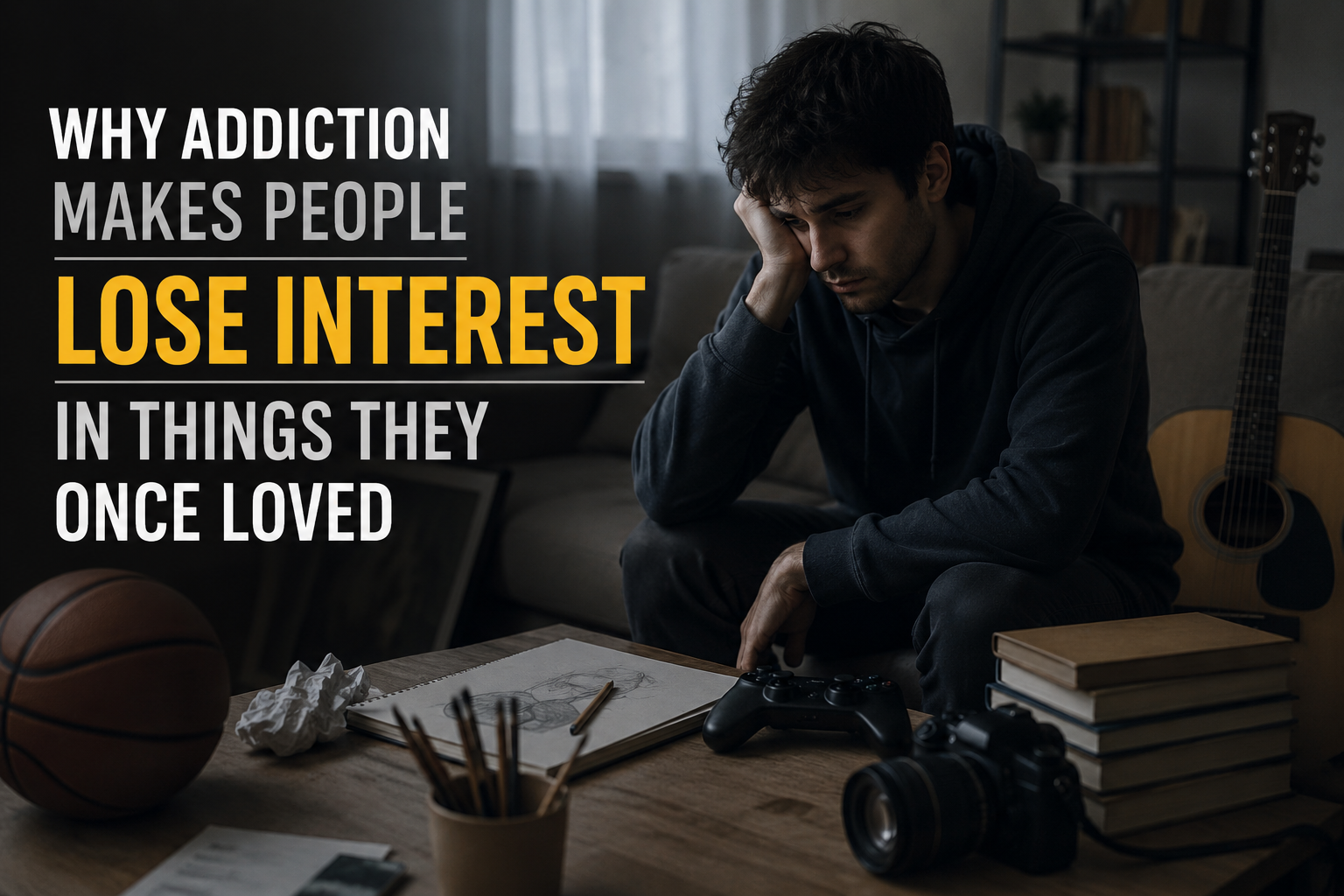
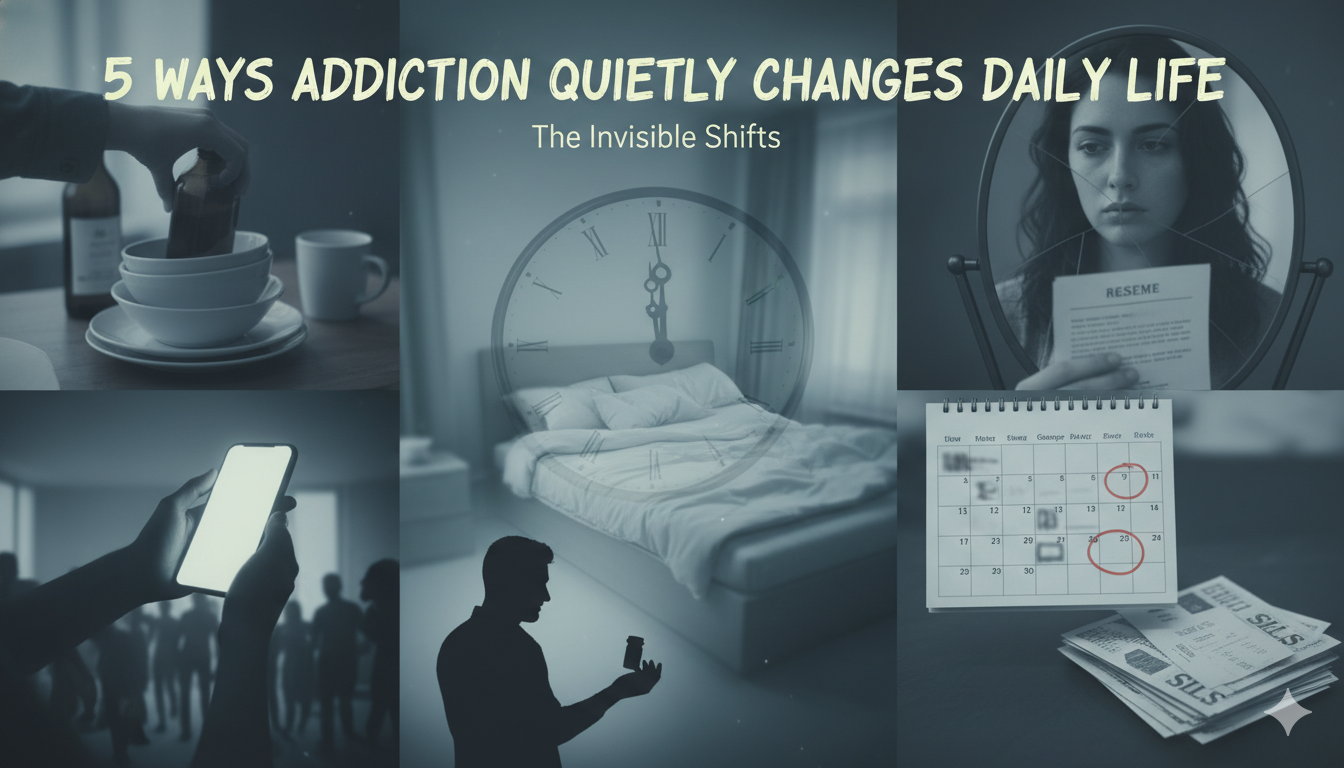
Addiction can quietly affect routines, emotional health, relationships, motivation, and self-worth over time. Learn 5 ways addiction gradually changes daily life beyond substance use alone.