One of the most painful and confusing parts of addiction recovery is watching someone return to substance use after they genuinely seemed committed to getting better. Families often struggle to understand how relapse happens after therapy, rehabilitation, emotional promises, or visible progress during recovery. For many people outside addiction, relapse can look like a lack of motivation or a conscious decision to “go back” to old behaviors. In reality, relapse is usually far more emotionally and psychologically complicated than that.
Many individuals who relapse do want recovery. Some feel deeply ashamed afterward because they know how much effort was invested into getting sober in the first place. Others begin feeling hopeless because they believe relapse means recovery has completely failed.
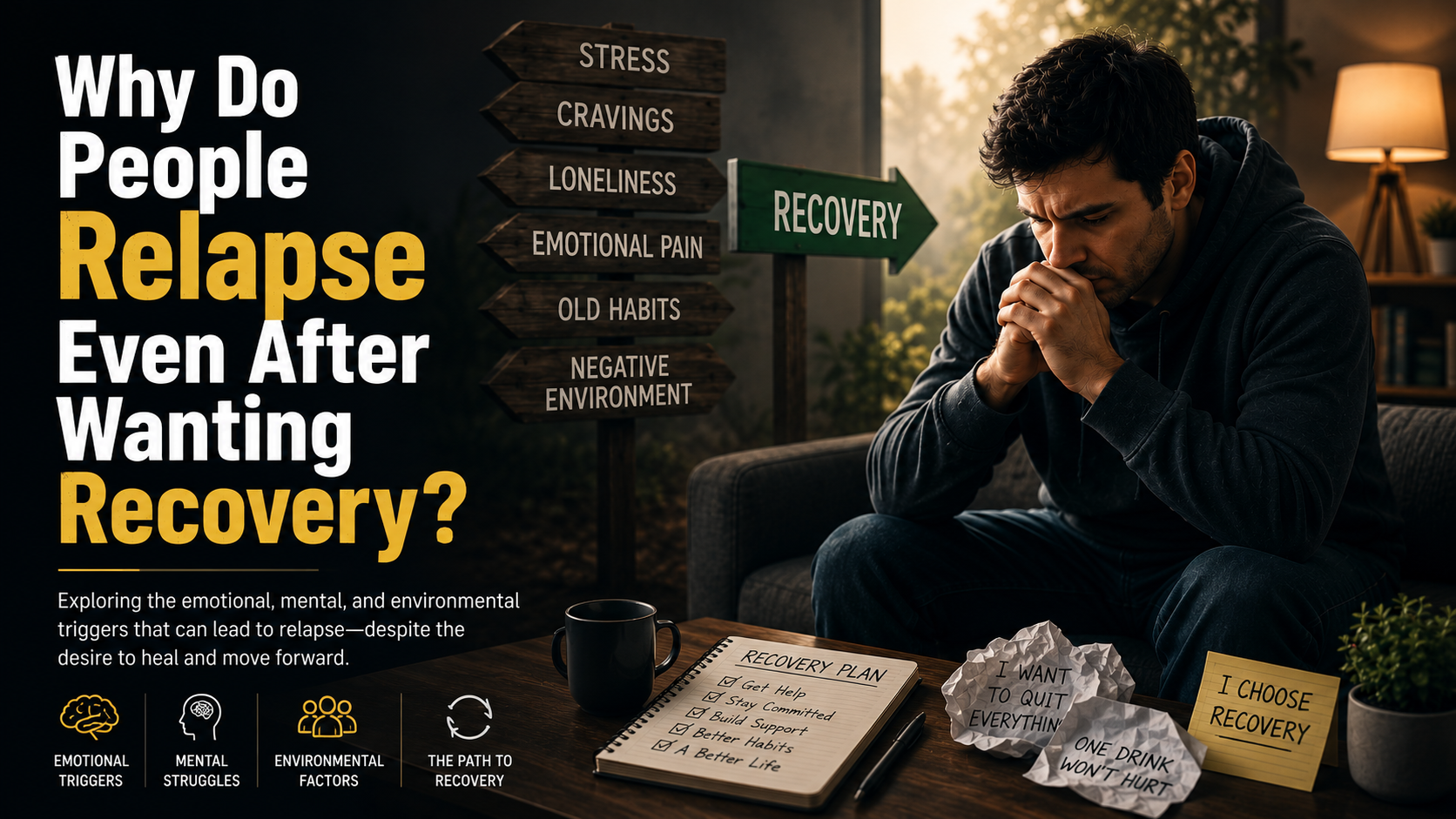
Addiction recovery rarely follows a perfectly straight path. Emotional stress, cravings, unresolved trauma, isolation, environmental triggers, and psychological exhaustion can gradually weaken recovery even when someone genuinely wants their life to improve.
Recovery Does Not Automatically Remove Emotional Struggles
One of the biggest misunderstandings about recovery is the belief that motivation alone permanently removes addiction. In reality, recovery often requires learning how to manage emotions, stress, relationships, and daily life without depending on substances to cope. For many individuals, substance use became connected with emotional survival long before recovery ever began. Drugs or alcohol may have been used to escape anxiety, numb emotional pain, manage loneliness, suppress trauma, or temporarily reduce overwhelming stress.
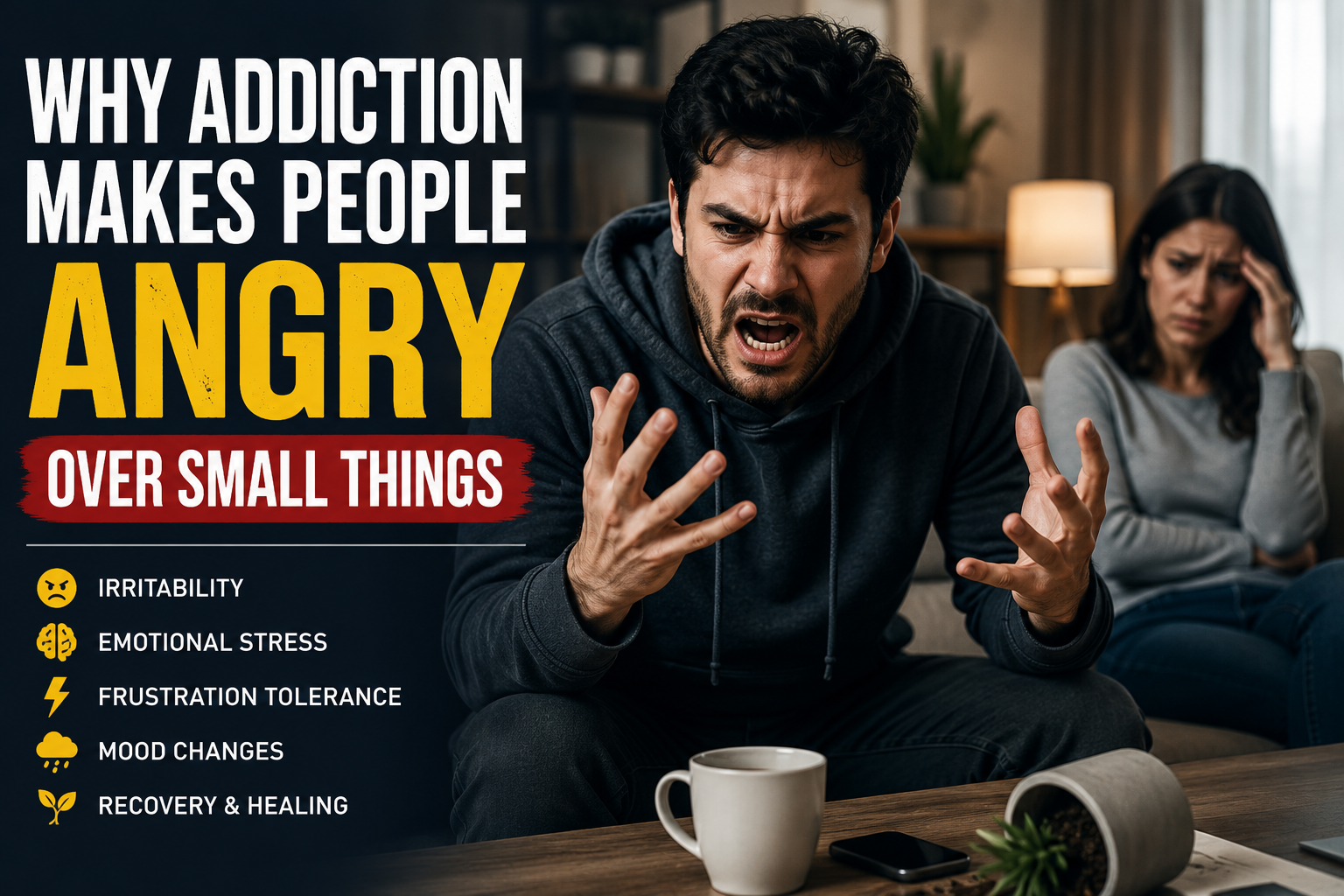
Once recovery begins, those emotional difficulties do not instantly disappear. In many cases, emotions that were previously avoided through addiction slowly return during sobriety. Some individuals begin struggling with emotional emptiness, boredom, guilt, anxiety, frustration, or emotional instability in ways they were unprepared for.
This is one reason recovery can feel emotionally exhausting even when someone genuinely wants change. Understanding what daily recovery life actually feels like can also help explain why emotional adjustment inside rehabilitation takes time. You can also read our article on What Is It Really Like Inside a Rehabilitation Center? to better understand the emotional realities of structured recovery environments.
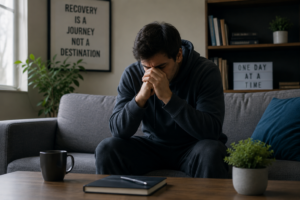
Relapse Often Begins Emotionally Before It Happens Physically
For many individuals, relapse does not happen suddenly in a single moment. Emotional stress usually begins building gradually beforehand. Some people become emotionally isolated. Others stop attending therapy sessions, avoid support systems, or begin emotionally withdrawing from recovery routines that once helped stabilize them. Stress, family conflict, loneliness, financial pressure, shame, or emotional exhaustion may slowly increase vulnerability over time.
Cravings themselves are not always purely physical either. Emotional triggers often play a major role in relapse risk. Certain places, memories, emotional situations, or stressful experiences may reactivate old coping patterns connected with addiction.
In some cases, people relapse during moments of emotional hopelessness. In others, relapse may happen during periods of overconfidence where individuals believe they no longer need support or recovery structure anymore. This is one reason relapse prevention focuses heavily on emotional awareness rather than only physical sobriety.
Shame Can Quietly Make Recovery Harder
One of the most dangerous emotional cycles in addiction recovery is shame.
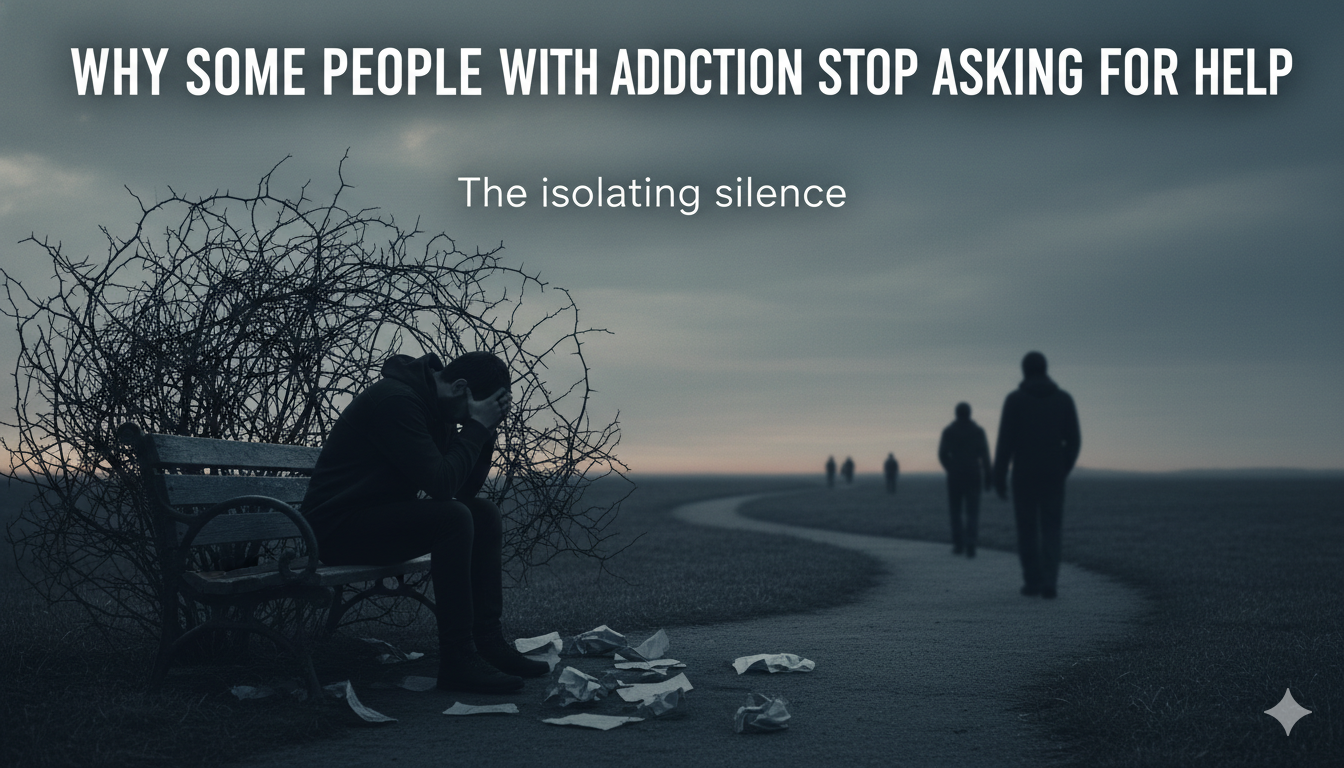
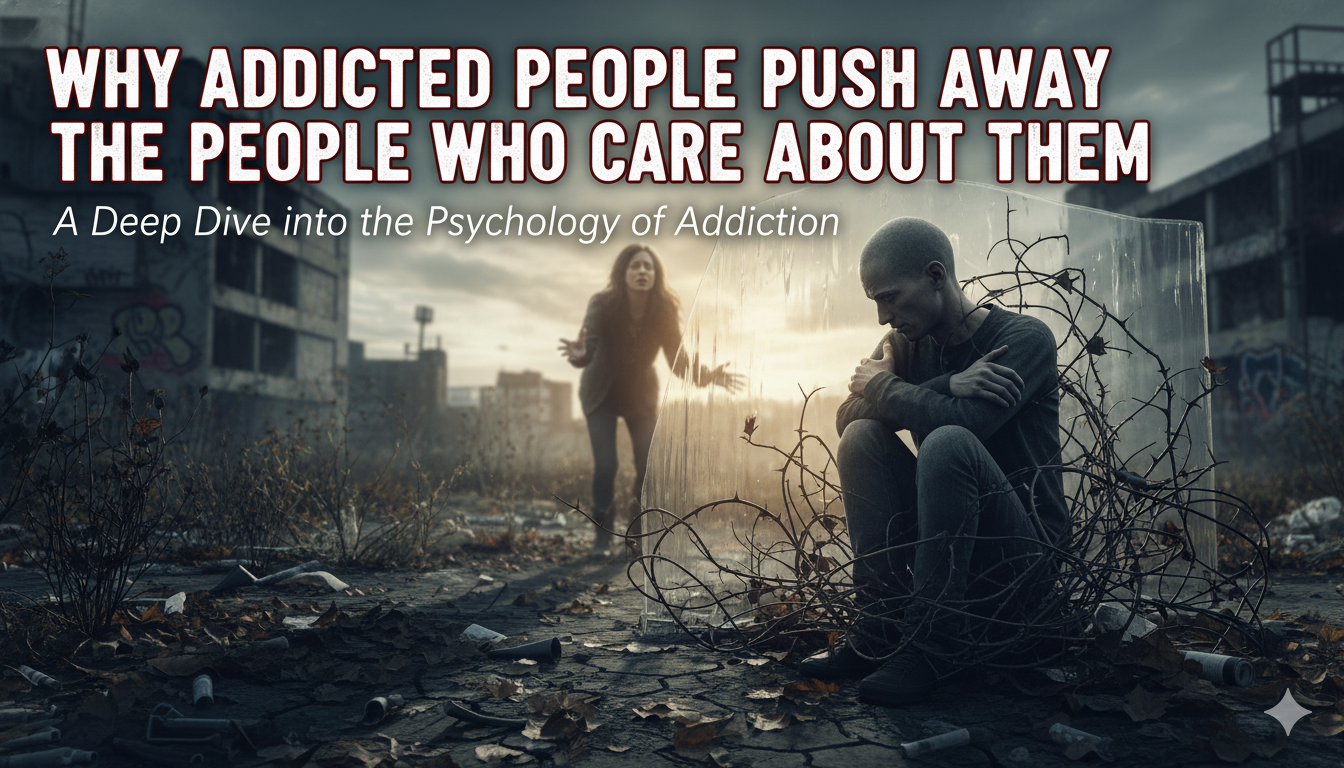
Many individuals struggling with relapse already feel intense guilt toward themselves, their families, or the people they believe they disappointed during addiction. When relapse happens, shame often becomes even heavier. Instead of asking for help, some individuals isolate themselves emotionally because they fear judgment, disappointment, or rejection. Others begin believing they have permanently failed recovery altogether.
This emotional hopelessness can become dangerous because shame often increases emotional stress while simultaneously reducing the likelihood of seeking support. Recovery becomes much harder when individuals feel emotionally trapped between guilt and hopelessness.
Recovery Environments Matter More Than Many People Realize
Another major factor in relapse is environment. Some individuals leave rehabilitation and immediately return to the same surroundings that contributed to addiction originally. Stressful relationships, emotional instability, social pressure, unhealthy routines, or easy access to substances may gradually weaken recovery over time.
This is why long-term recovery often requires more than temporary sobriety alone. Stable routines, emotional support, therapy, healthy relationships, and structured recovery environments all play important roles in helping individuals maintain progress after treatment.
Many people entering early sobriety also underestimate how emotionally difficult the adjustment period can become during the first stages of recovery. You can also read our article on The First 72 Hours of Sobriety to better understand the emotional and psychological challenges many individuals experience during early recovery.
Cravings Can Return During Unexpected Moments
One of the most frustrating parts of addiction recovery is how unpredictable cravings can sometimes feel. A person may feel emotionally stable for weeks before suddenly experiencing intense urges during periods of stress, loneliness, conflict, emotional exhaustion, or even unexpected reminders connected with past substance use.
For some individuals, cravings become stronger during emotionally vulnerable moments rather than during obvious addiction-related situations. Anxiety, grief, boredom, frustration, or emotional numbness may slowly increase the desire to escape emotionally again. This does not always mean recovery is failing. In many cases, it reflects how deeply addiction affected emotional coping patterns over time. Learning how to recognize emotional triggers early often becomes one of the most important parts of long-term relapse prevention.
Relapse Does Not Always Mean Recovery Has Failed
One of the most harmful beliefs in addiction recovery is the idea that relapse completely erases all progress. Recovery is often a long-term process involving emotional healing, behavioral change, psychological adjustment, and rebuilding healthier coping patterns over time. Some individuals experience setbacks during that process before eventually achieving stronger long-term stability.
This does not mean relapse should be ignored or minimized. Relapse can become dangerous if emotional struggles continue without support or intervention. However, treating relapse only as failure often increases shame instead of encouraging recovery to continue. Professional support, rehabilitation, therapy, emotional honesty, and structured recovery planning remain important even after setbacks occur.

Families Often Need Emotional Understanding Too
Families affected by addiction frequently experience exhaustion, confusion, fear, disappointment, and emotional burnout after relapse occurs. Many struggle to understand why recovery can seem stable for a period of time before suddenly becoming unstable again.
Addiction recovery affects not only the individual struggling with substances, but often entire family systems emotionally as well. Understanding relapse more realistically can help families approach recovery with healthier expectations, stronger emotional awareness, and better communication instead of viewing relapse only as intentional self-destruction or lack of care.
Frequently Asked Questions
Why do people relapse after rehabilitation?
Relapse may happen because of emotional triggers, stress, cravings, unresolved trauma, environmental pressure, isolation, or difficulty adjusting emotionally during recovery.
Does relapse mean recovery failed?
No. Relapse can be a setback in the recovery process, but many individuals continue rebuilding recovery successfully with proper support and treatment.
Are cravings normal during recovery?
Yes. Cravings are common during addiction recovery and may increase during emotionally stressful or vulnerable situations.
Can therapy help prevent relapse?
Yes. Therapy often helps individuals identify emotional triggers, improve coping strategies, strengthen emotional regulation, and reduce relapse risk over time.
Why do emotional triggers affect addiction recovery?
Many individuals used substances as emotional coping mechanisms for stress, trauma, anxiety, loneliness, or emotional pain. Emotional triggers may reactivate those old behavioral patterns during recovery. Relapse is often far more emotionally and psychologically complicated than many people realize from the outside. Recovery does not simply involve stopping substances physically. It also requires learning how to manage emotional stress, cravings, behavioral patterns, relationships, and psychological struggles without returning to addiction for temporary relief.
With structured rehabilitation, emotional support, therapy, and healthier coping strategies, many individuals continue rebuilding recovery even after setbacks occur.