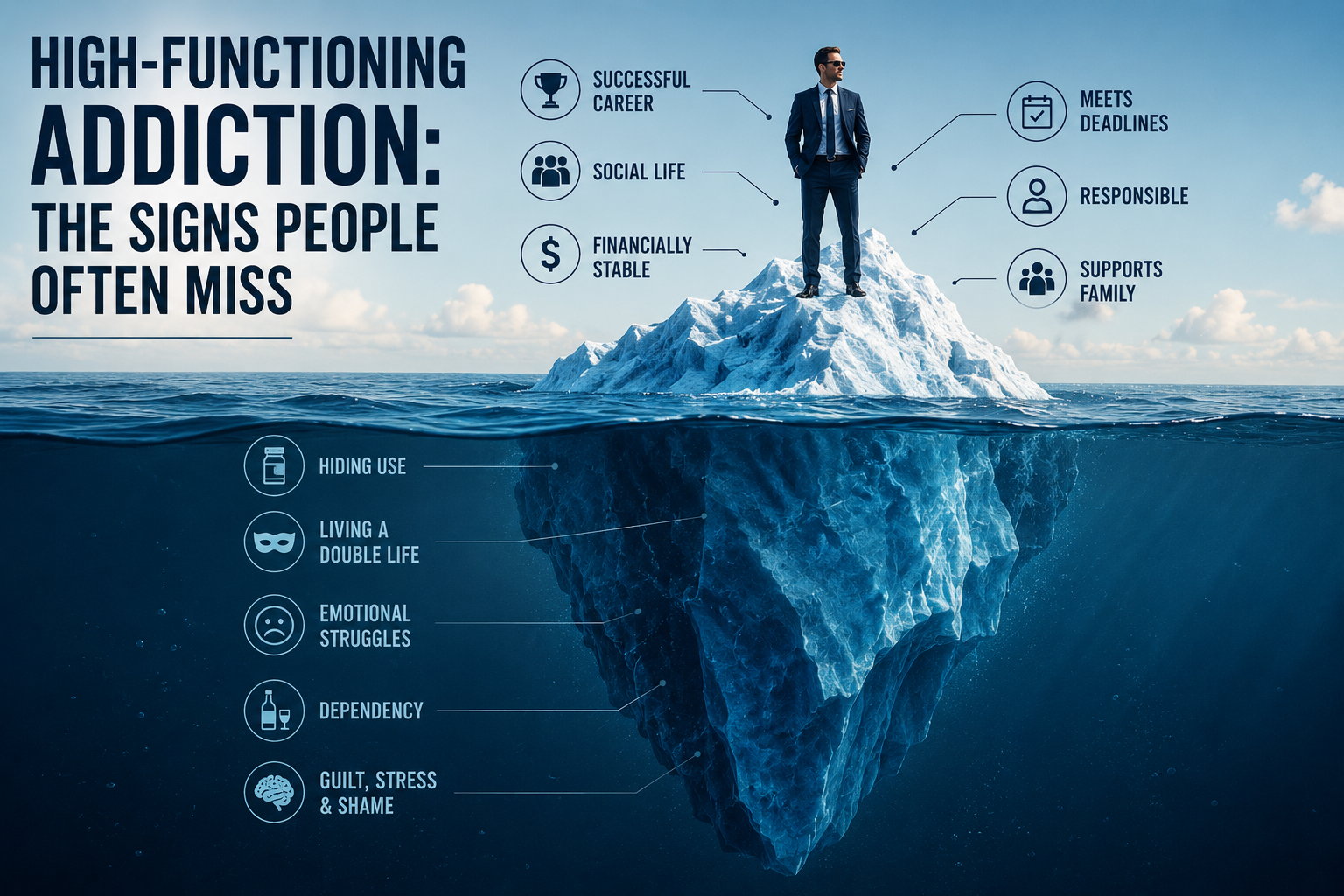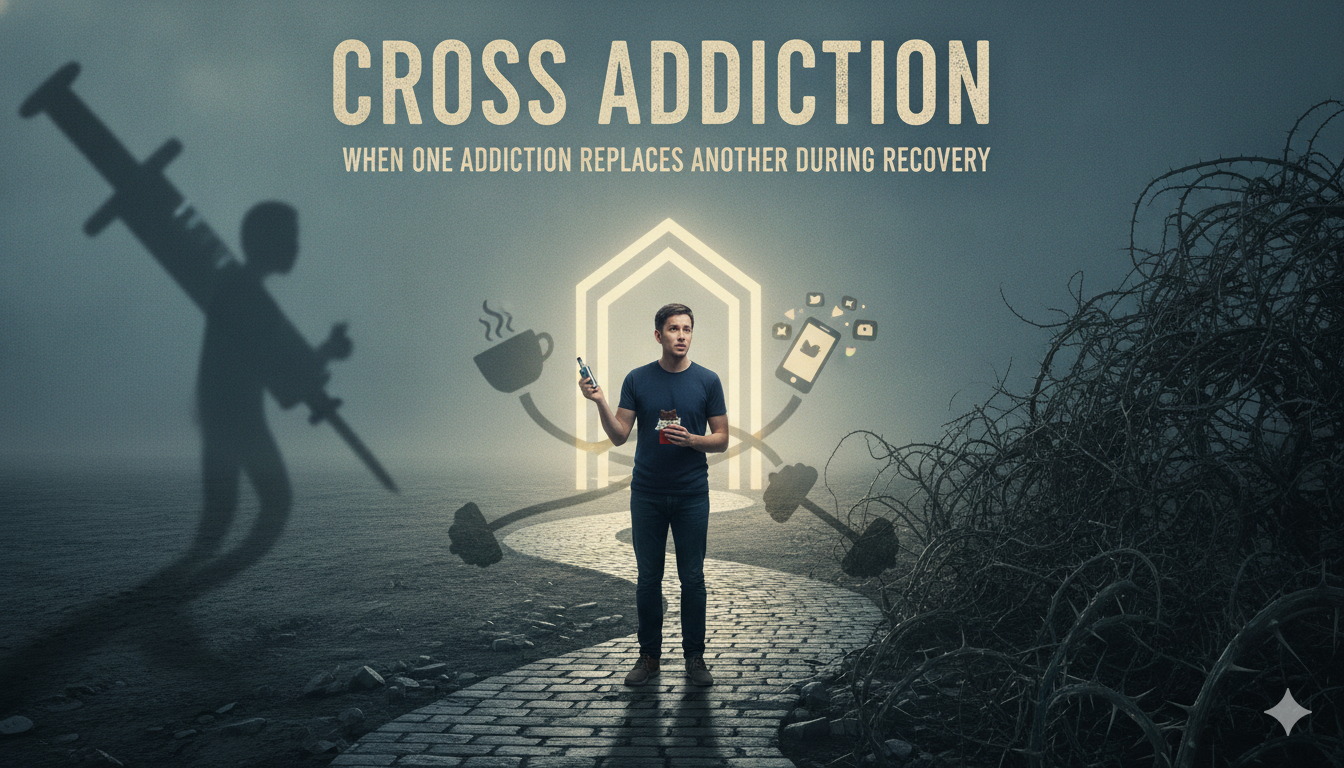
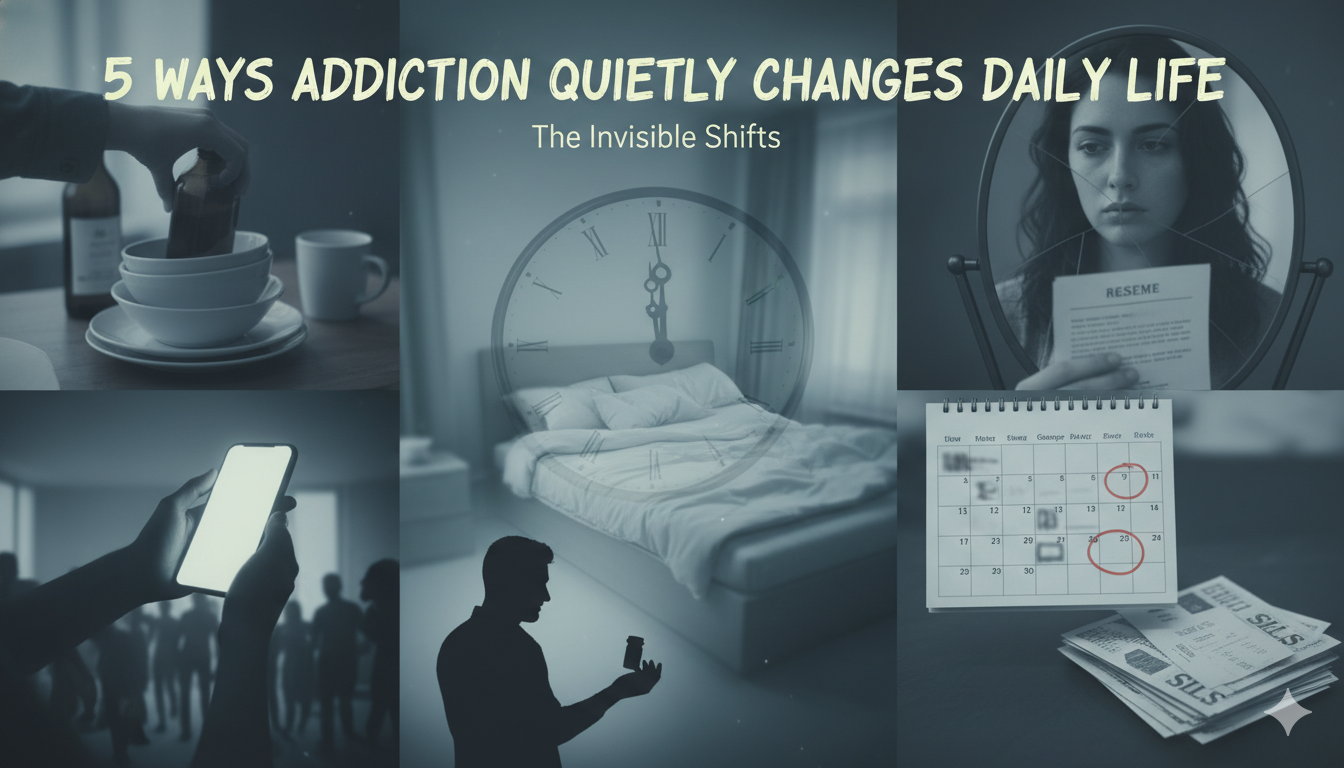
Addiction often affects much more than physical health alone. In many cases, the changes happen slowly and quietly over time, making them difficult to notice in the beginning. Daily routines shift, emotional behavior changes, relationships become strained, and ordinary life may gradually start revolving around stress, emotional exhaustion, or temporary relief.
For families, these changes can feel confusing because the person may still appear functional from the outside for a long time. For individuals struggling with addiction themselves, the process may feel emotionally overwhelming and difficult to fully recognize while it is happening.
Understanding how addiction changes daily life can help families and recovering individuals better recognize the emotional and behavioral impact addiction may have over time. According to the National Institute of Mental Health, addiction can significantly affect emotional health, behavior, and psychological functioning over time.
- Addiction Quietly Changes Daily Routines
One of the earliest ways addiction changes daily life is through routines. Sleep schedules may become unstable. Eating habits may change. Daily responsibilities slowly become harder to manage consistently. Some individuals begin avoiding important tasks, arriving late frequently, or losing structure in everyday life.
Over time, many daily activities may slowly begin revolving around emotional escape, stress management, or substance use itself. This change is often gradual rather than sudden. Many people do not fully recognize how much their normal routine has shifted until addiction has already started affecting multiple areas of life.
- Emotional Reactions Often Become Less Stable
Another way addiction changes daily life is through emotional instability. Some individuals become emotionally withdrawn, irritable, emotionally exhausted, or unusually defensive during conversations. Others begin struggling with guilt, shame, emotional numbness, anxiety, or mood changes that gradually affect communication and relationships.
Emotional stress may also start feeling more difficult to manage without unhealthy coping behaviors. Over time, ordinary situations that once felt manageable may begin feeling emotionally overwhelming instead.
Understanding emotional disconnection during addiction can also help explain why many individuals begin struggling internally even when they appear emotionally functional externally. You can also read our article on Why Addiction Makes People Feel Emotionally Empty to better understand how addiction gradually affects emotional wellbeing.
- Relationships Slowly Become More Complicated
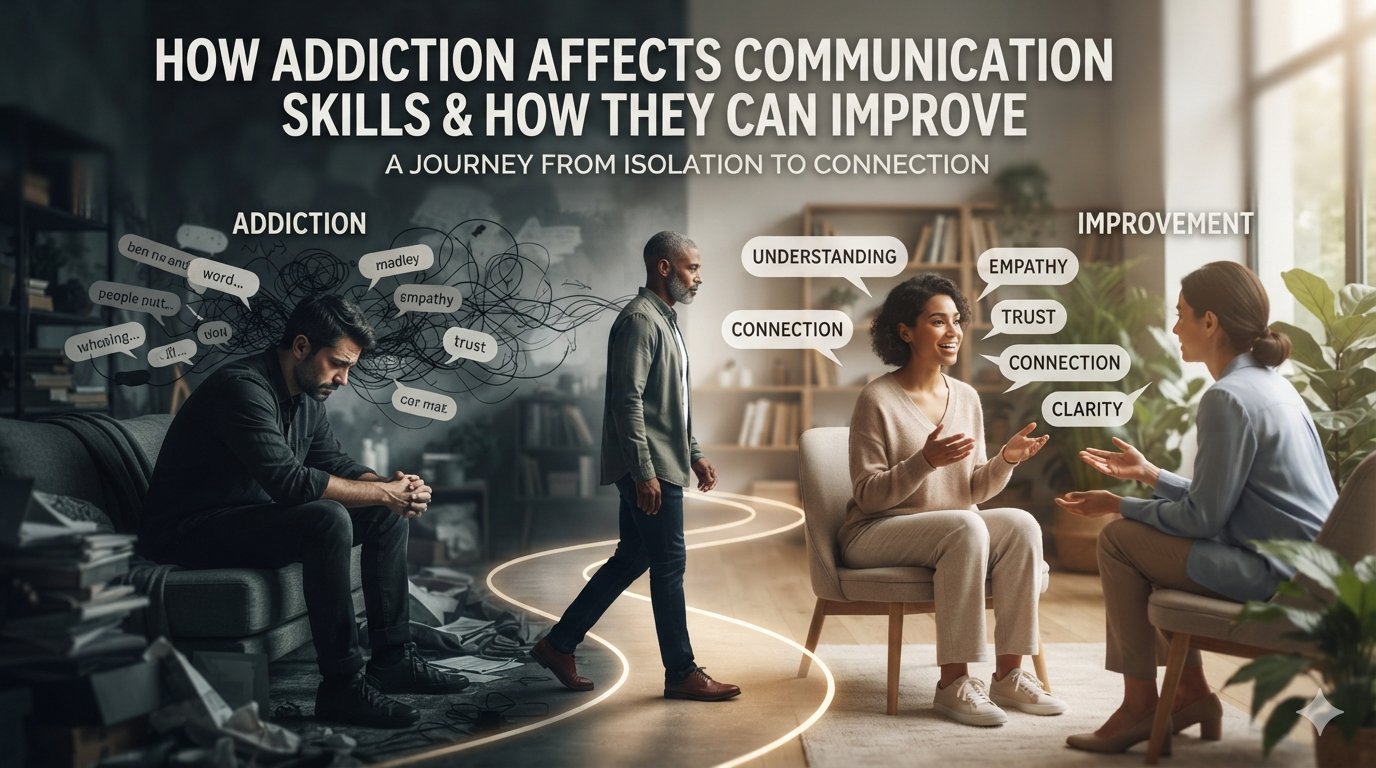
One of the most painful ways addiction changes daily life is through relationships. Communication patterns may begin changing slowly. Trust becomes weaker. Emotional closeness becomes more difficult to maintain consistently. Some individuals isolate themselves emotionally, while others avoid difficult conversations altogether.
Families often notice growing emotional distance before fully understanding the reason behind it. In many cases, addiction creates emotional exhaustion for both the individual struggling with substances and the people trying to support them. Some individuals also begin withdrawing emotionally because shame, secrecy, or emotional stress gradually become harder to manage over time.
Understanding relationship changes during addiction can also help explain why emotional isolation becomes common during long-term substance use. You can also read our article on Why Addicted People Push Away the People Who Care About Them to better understand the emotional patterns behind addiction-related isolation.
- Motivation and Personal Goals May Slowly Fade
Another important way addiction changes daily life is through motivation and long-term goals. Activities that once felt meaningful may gradually begin losing emotional importance. Personal growth, education, hobbies, work goals, or future planning may slowly receive less attention over time.
For some individuals, life begins feeling emotionally repetitive and disconnected. Daily energy becomes focused more heavily on emotional survival, temporary relief, or managing stress instead of building long-term stability. This emotional shift often happens quietly, which is one reason addiction can become severe before people fully recognize how deeply life patterns have changed.
- Addiction Can Affect Self-Perception Over Time
One of the less discussed ways addiction changes daily life is through self-perception and identity. Over time, repeated emotional struggles, shame, damaged relationships, instability, or failed attempts to stop unhealthy behaviors may gradually affect confidence and self-worth. Some individuals begin feeling emotionally disconnected from who they once were before addiction became central to daily functioning.
Others stop believing they are capable of change altogether, especially when addiction has affected life for a long period of time. Recovery often requires rebuilding not only physical health, but also emotional stability, routines, confidence, and a healthier sense of self again.
Understanding identity changes during addiction can also help explain why recovery may feel emotionally confusing at first. You can also read our article on Why People With Addiction Often Lose Their Sense of Identity to better understand how addiction gradually affects self-perception over time.
Recovery Often Begins With Small Daily Changes
One important thing many people misunderstand about recovery is that improvement usually begins through small consistent changes rather than dramatic overnight transformation.
Healthier sleep patterns, emotional support, therapy, structured rehabilitation, communication, stress management, and healthier routines all help individuals slowly rebuild emotional balance over time. Recovery is not only about stopping substance use physically. It is also about rebuilding healthier daily functioning emotionally, socially, and psychologically.
Understanding how rehabilitation supports emotional recovery can also help explain why structured environments often play an important role during treatment. You can also read our article on What Is It Really Like Inside a Rehabilitation Center? to better understand the emotional realities of rehabilitation and structured recovery support.
Frequently Asked Questions
How does addiction affect daily life?
Addiction can affect routines, emotional health, relationships, motivation, communication, confidence, and overall emotional stability over time.
Why do people with addiction become emotionally distant?
Emotional exhaustion, shame, stress, isolation, and unhealthy coping patterns may gradually affect emotional closeness and communication during addiction.
Can addiction affect motivation?
Yes. Addiction may gradually reduce motivation toward personal goals, routines, hobbies, relationships, and long-term planning.
Does recovery improve emotional health?
Recovery, therapy, emotional support, and healthier routines can help individuals gradually rebuild emotional stability and wellbeing over time.
Why are addiction-related changes difficult to notice early?
Many addiction-related changes develop slowly over time, making them harder to recognize clearly during the beginning stages. Addiction often changes daily life quietly rather than suddenly. Over time, routines, emotional health, relationships, confidence, and personal goals may gradually become affected in ways that feel emotionally overwhelming for both individuals and families.
With recovery, therapy, emotional support, and structured rehabilitation, many people slowly begin rebuilding healthier routines, emotional stability, and a stronger sense of balance again.