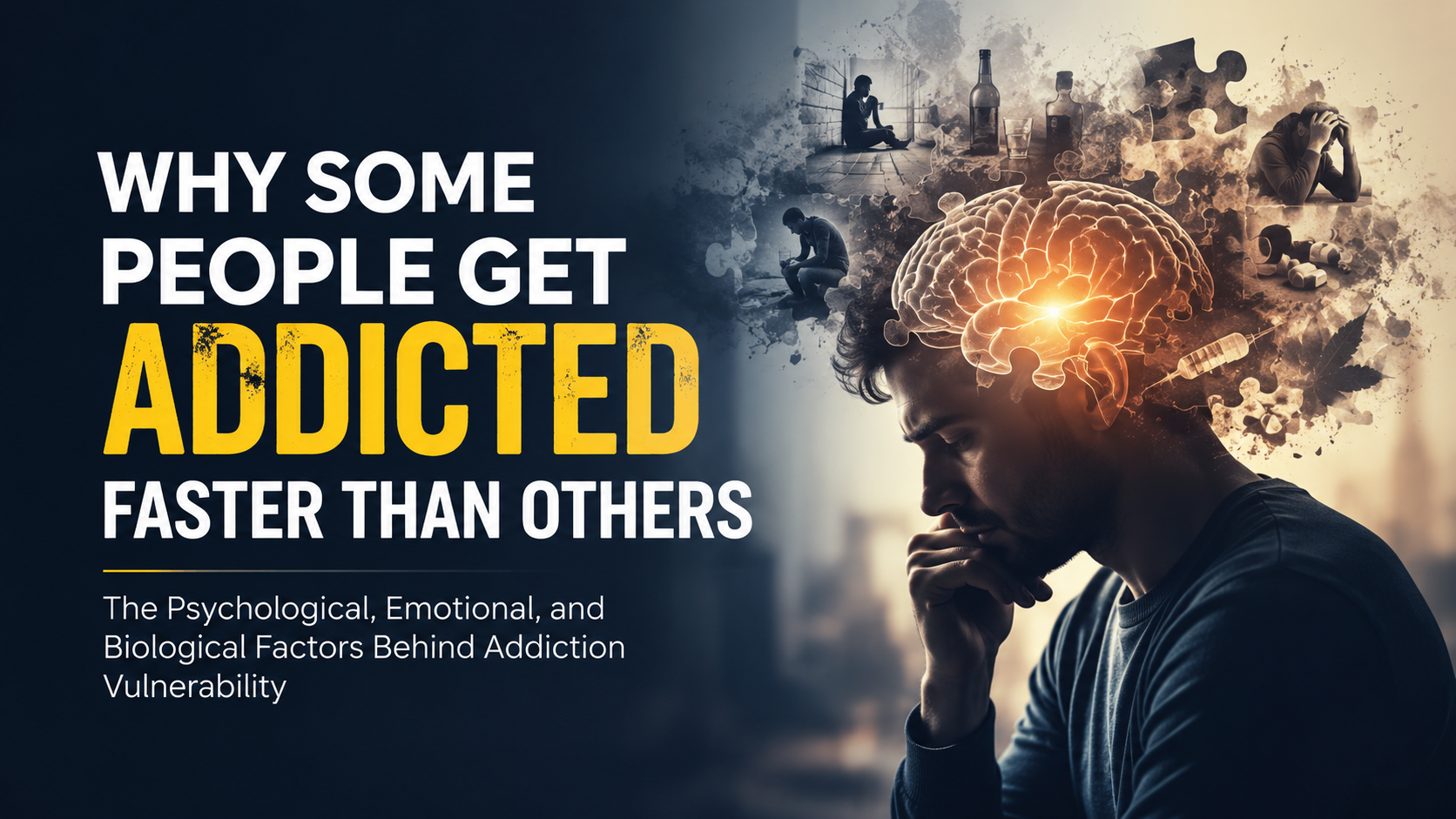
Every day, people make hundreds of decisions. Some are simple, like choosing what to eat, while others have lasting consequences, such as managing finances, maintaining relationships, or planning for the future. When someone develops an addiction, these everyday decisions often begin to change. Family members may wonder why their loved one continues using drugs despite losing their job, damaging relationships, or experiencing serious health problems.
From the outside, these choices may seem irrational. However, addiction changes the way the brain processes rewards, risks, and consequences. It can make short-term relief feel far more important than long-term well-being. The encouraging news is that the brain has an incredible ability to heal. With treatment, time, and consistent recovery, many people regain the ability to make healthier and more thoughtful decisions.
Why Decision-Making Changes During Addiction
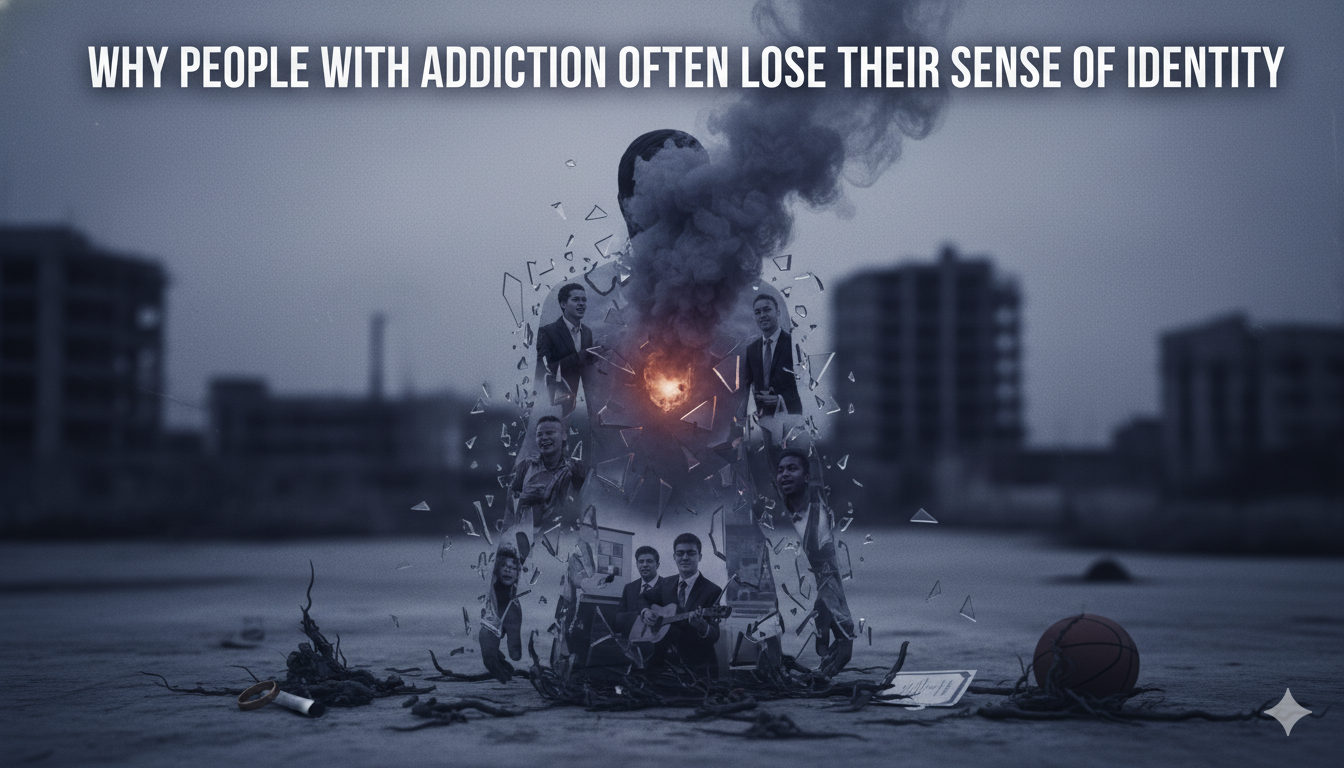
Healthy decision-making depends on several areas of the brain working together. These regions help people evaluate consequences, control impulses, solve problems, and think about the future. Repeated drug or alcohol use disrupts this balance. As addiction develops, the brain begins giving greater importance to obtaining and using substances. Activities that once seemed meaningful, such as spending time with family, pursuing education, or advancing a career, may gradually lose priority.
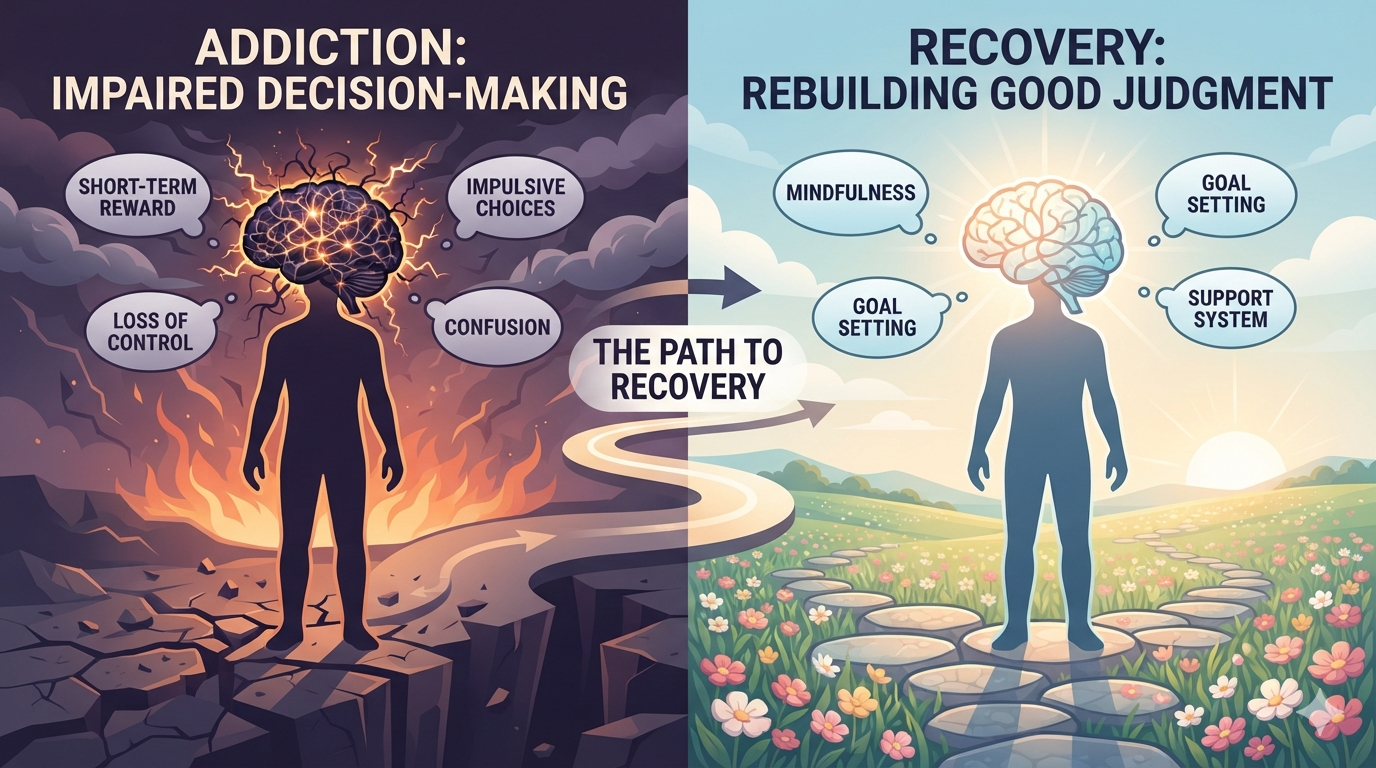
Instead of carefully weighing options, the brain becomes increasingly focused on immediate relief. This is one reason addiction is considered a chronic medical condition rather than simply a lack of willpower.
Why People Continue Using Despite Serious Consequences
One of the questions families ask most often is, “If they know drugs are destroying their life, why don’t they just stop?” The answer is more complex than many people realize. Addiction affects the brain’s ability to evaluate future consequences. While most people naturally consider both immediate and long-term outcomes before making a decision, addiction places much greater value on immediate relief.
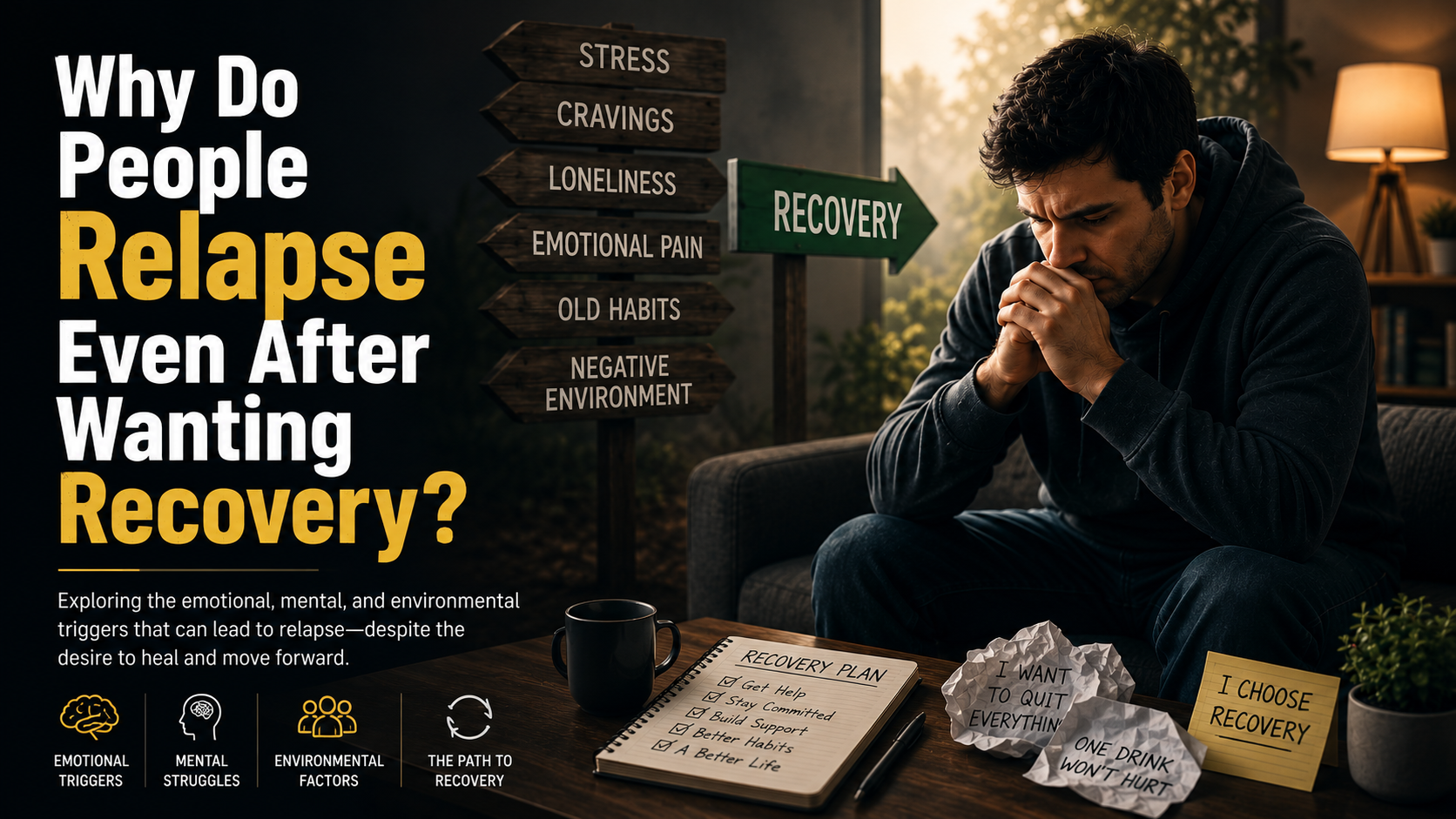
The discomfort of withdrawal, emotional pain, or intense cravings can become so overwhelming that the brain prioritizes temporary relief over future risks. This does not mean the person no longer cares about their family, career, or health. It means addiction has changed how their brain processes choices.
Impulsive Decisions Become More Common
As addiction progresses, impulsive behavior often becomes more noticeable. A person may spend money intended for household expenses, drive while intoxicated, miss important responsibilities, or make promises they are unable to keep. These decisions are often made without fully considering the consequences. Impulsivity increases because addiction weakens the brain’s ability to pause, reflect, and make thoughtful choices.
Many people later express deep regret for actions they took during active addiction. Recognizing this pattern helps families understand that poor decisions are often symptoms of addiction rather than evidence that the individual has stopped caring.
How Addiction Affects Everyday Judgment
Decision-making problems are not limited to major life choices. They often appear in everyday situations. A person may struggle to keep a routine, arrive late for work, ignore medical appointments, or avoid responsibilities that once seemed manageable.
Relationships can also suffer. Small disagreements may quickly become arguments, and important conversations are often avoided altogether. Over time, these repeated choices can damage trust and create distance between the individual and the people who care about them.
Recovery Helps the Brain Think More Clearly
One of the most encouraging aspects of recovery is that decision-making often improves. When substance use stops, the brain begins repairing many of the systems affected by addiction. This healing does not happen overnight. During the early weeks and months of recovery, people may still struggle with concentration, emotional regulation, and impulse control. As healing progresses, many individuals notice they are thinking more clearly, planning ahead, and making decisions based on long-term goals rather than immediate impulses.
Learning Better Decision-Making During Recovery
Recovery is not only about avoiding drugs or alcohol. It is also about learning healthier ways to approach everyday challenges. Counseling and therapy often help people recognize thought patterns that contributed to poor decisions in the past. Instead of reacting impulsively, individuals begin learning how to pause, consider different options, and evaluate possible outcomes. Many also develop practical skills such as problem-solving, emotional regulation, and stress management. These improvements strengthen confidence and reduce the likelihood of returning to old behaviors.
What We Often Observe in Recovery
One of the first positive changes many treatment professionals notice is an improvement in judgment. Patients who once focused only on getting through the day begin talking about education, employment, family relationships, and future goals. Instead of making decisions based on immediate emotions, they become more willing to think carefully before acting.
Families often notice these changes as well. Conversations become calmer, responsibilities are taken more seriously, and trust gradually begins to rebuild. These small improvements are important signs that recovery is progressing.
Good Judgment Is Built Through Daily Choices
Recovery does not instantly restore perfect decision-making. Like any skill, good judgment becomes stronger with practice. Each healthy choice attending counseling, following a daily routine, asking for help when needed, or avoiding high-risk situations helps strengthen new patterns of thinking.
Over time, these small decisions become habits. Those habits eventually become part of a healthier lifestyle. Recovery is not built on one life-changing decision. It is built on hundreds of positive choices made consistently over time.
Final Thoughts
Addiction decision making is greatly influenced by changes in the brain’s reward, motivation, and self-control systems. These changes can lead individuals to make choices that seem confusing or harmful to those around them. However, these behaviors are often symptoms of addiction rather than reflections of a person’s true character.
The encouraging news is that recovery gives the brain an opportunity to heal. With professional treatment, healthy routines, and continued support, many people regain the ability to think clearly, make responsible decisions, and rebuild the lives that addiction once disrupted. Every positive decision, no matter how small, becomes another step toward lasting recovery.
Frequently Asked Questions (FAQs)
Can addiction affect decision-making?
Yes. Addiction changes areas of the brain responsible for judgment, impulse control, and evaluating consequences, making healthy decisions more difficult.
Why do people with addiction make risky decisions?
Addiction increases the brain’s focus on immediate relief while reducing its ability to consider long-term consequences.
Can decision-making improve after addiction treatment?
Yes. As the brain heals during recovery, many people regain clearer thinking, better judgment, and improved self-control.
How long does it take for decision-making to improve?
Recovery varies for each individual. Some improvements appear within weeks, while others continue developing over several months as the brain heals.
How can recovery strengthen good judgment?
Counseling, healthy routines, emotional regulation, stress management, and consistent sobriety all help improve decision-making over time.