Communication is the foundation of every healthy relationship. It allows people to express emotions, solve problems, build trust, and connect with others. When communication breaks down, relationships often become filled with misunderstandings, frustration, and conflict.
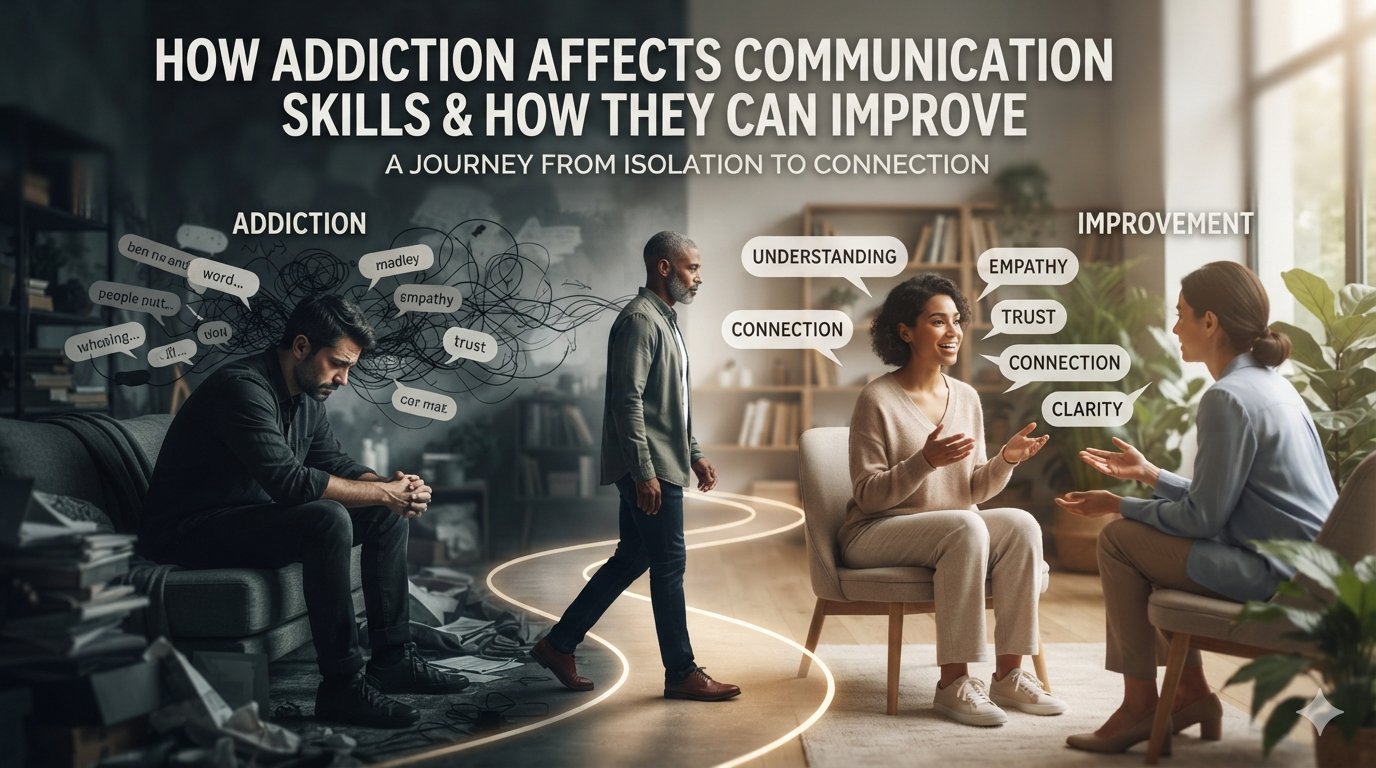
Addiction has a profound effect on the way people communicate. Many individuals struggling with substance use disorder find it difficult to express their feelings honestly, listen to others, or have healthy conversations. Family members may notice that their loved one has become secretive, defensive, emotionally distant, or quick to argue.
These changes are not simply bad habits. In many cases, they are influenced by the way addiction affects the brain, emotions, and behavior. The good news is that communication skills can improve during recovery. With time, treatment, and practice, many people learn to rebuild trust and develop healthier ways of connecting with those around them.
Why Communication Changes During Addiction
As addiction progresses, a person’s priorities begin to change. Obtaining and using substances often becomes the brain’s primary focus, leaving less emotional energy for honest conversations and healthy relationships. People may begin avoiding difficult discussions because they fear being judged, confronted, or asked to stop using drugs. Others struggle with feelings of guilt and shame, making it easier to withdraw from loved ones than to face uncomfortable emotions.
Over time, these behaviors can become deeply ingrained. Conversations that were once open and honest may become filled with excuses, avoidance, or conflict.
How Addiction Affects Everyday Conversations
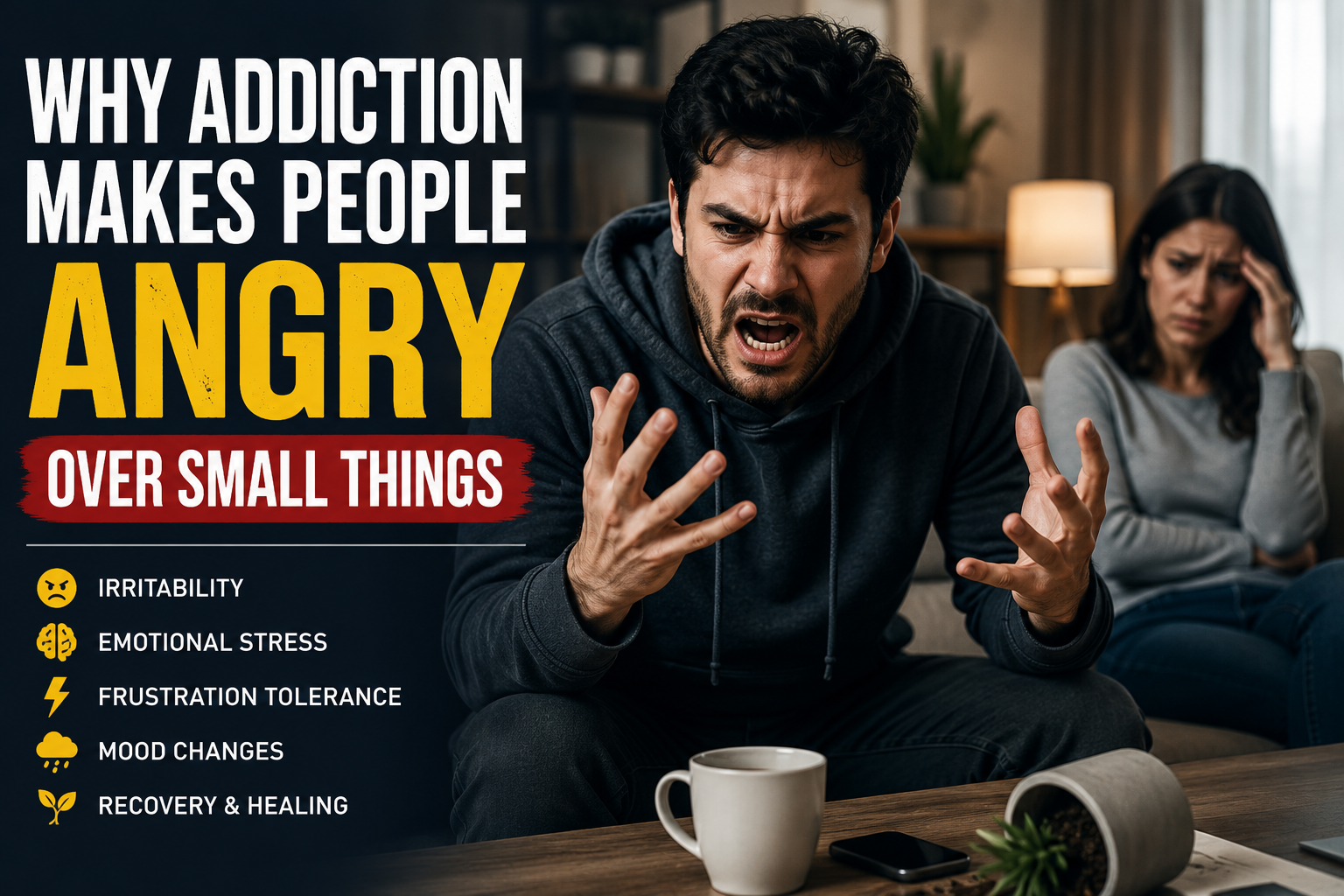
Many families notice that conversations become increasingly difficult as addiction develops. Simple discussions about work, finances, or daily responsibilities may quickly turn into arguments. Some individuals become defensive whenever substance use is mentioned, while others avoid conversations altogether.
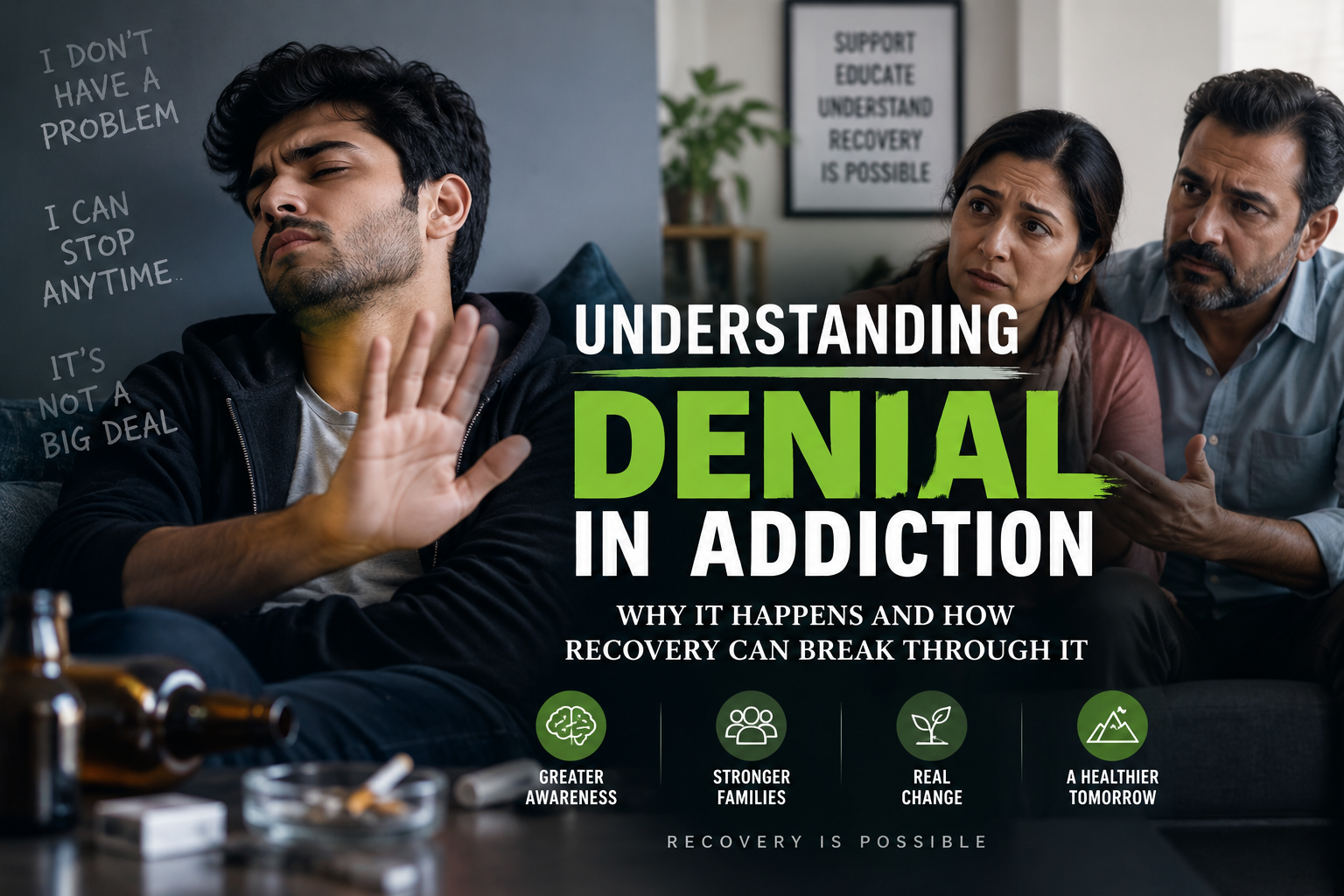
Honesty may also suffer. Instead of discussing problems openly, a person may hide information, deny their behavior, or make promises they cannot keep. These communication patterns often damage relationships, not because the person no longer cares, but because addiction has taken control of many of their thoughts and behaviors. As trust begins to disappear, families often find themselves communicating through frustration instead of understanding.
The Role of Emotions
Healthy communication depends on emotional awareness. People need to recognize what they are feeling before they can explain those feelings to someone else. Addiction often makes this difficult. Many individuals begin using substances to escape uncomfortable emotions rather than dealing with them directly. Over time, they may lose confidence in expressing sadness, fear, disappointment, or anxiety in healthy ways.
Instead of saying, “I’m overwhelmed,” they may become angry.
Instead of admitting they feel ashamed, they may become silent.
Instead of asking for help, they may isolate themselves.
Learning to identify and express emotions again becomes an important part of recovery.
Why Families Also Struggle to Communicate
Addiction affects everyone in the household. Family members often experience fear, disappointment, anger, and emotional exhaustion. After months or years of broken promises, conversations may become focused on blame rather than solutions.
Parents may become overly protective. Spouses may stop expressing their feelings because they expect another argument. Children may withdraw completely. These reactions are understandable. However, when everyone begins communicating through frustration instead of honesty, rebuilding relationships becomes much harder. This is one reason why family counseling is often recommended during addiction treatment.
Communication Can Improve During Recovery
One of the most encouraging parts of recovery is watching communication gradually improve. As substance use stops and the brain begins healing, many people become more emotionally aware. They start recognizing their feelings instead of reacting impulsively.
Conversations become calmer.
Listening improves.
People begin accepting responsibility for their actions rather than immediately becoming defensive.
This process takes time.
Families should not expect years of damaged communication to improve within a few weeks.
Like every other part of recovery, healthy communication develops through consistent effort.
What We Often Observe in Treatment
In rehabilitation programs, one of the first changes many professionals notice is not simply that patients stop using drugs—it is that they begin talking differently. Individuals who once avoided conversations gradually become more willing to share their thoughts and feelings.
Many begin apologizing for past behaviors, asking questions instead of making assumptions, and learning how to resolve disagreements without anger. Family therapy sessions often become turning points because they provide a safe environment where everyone can communicate honestly while being guided by trained professionals. These improvements strengthen relationships and reduce many of the misunderstandings that addiction created.
Simple Ways to Build Better Communication
Improving communication does not require perfect conversations. It begins with small, consistent changes. People in recovery often benefit from slowing down before responding, listening carefully to others, speaking honestly about their emotions, and accepting responsibility when they make mistakes.
Families can also contribute by avoiding constant criticism, allowing space for open conversations, and recognizing positive changes as recovery progresses. Healthy communication is built through patience, respect, and a willingness to understand each other rather than simply trying to win an argument.
Recovery Is About Rebuilding Relationships
Recovery involves much more than becoming drug-free. It is also about rebuilding relationships that may have been damaged during addiction. Every honest conversation, every sincere apology, and every effort to listen without judgment helps strengthen those relationships.
Communication is rarely perfect, even in healthy families. The goal is not perfection but progress. With consistent effort, many people discover that recovery allows them to build stronger and healthier relationships than they had before addiction.
Final Thoughts
Addiction communication skills often decline because substance use affects the brain, emotions, and relationships. Many people become defensive, secretive, or emotionally withdrawn, making honest conversations difficult. Fortunately, these changes are not always permanent.
Through professional treatment, self-awareness, and ongoing recovery, communication skills can improve significantly. As trust begins to return, families and individuals often find new ways of expressing themselves, resolving conflicts, and supporting one another. Recovery is not only about changing behavior.
It is also about learning to communicate with honesty, empathy, and respect. Strong communication creates stronger relationships, and those relationships can become one of the greatest sources of support throughout long-term recovery.
Frequently Asked Questions (FAQs)
Can addiction affect communication skills?
Yes. Addiction can make people more defensive, secretive, emotionally withdrawn, or less able to express their feelings clearly.
Why do people with addiction avoid honest conversations?
Many people experience guilt, shame, or fear of being judged. These emotions can make it difficult to communicate openly.
Can communication improve after addiction treatment?
Yes. As recovery progresses, many individuals develop healthier communication habits, improve emotional awareness, and rebuild trust with loved ones.
How can families improve communication during recovery?
Families can practice active listening, avoid blaming language, encourage honest conversations, and consider family counseling to strengthen relationships.
Why is communication important in addiction recovery?
Healthy communication helps rebuild trust, resolve conflicts, express emotions, and create stronger relationships that support long-term recovery.