One of the most painful emotional changes many families notice during addiction is watching someone slowly lose interest in the things they once genuinely cared about. Hobbies disappear, motivation weakens, social connection becomes less important, and activities that once brought excitement or emotional meaning may gradually stop feeling enjoyable altogether.
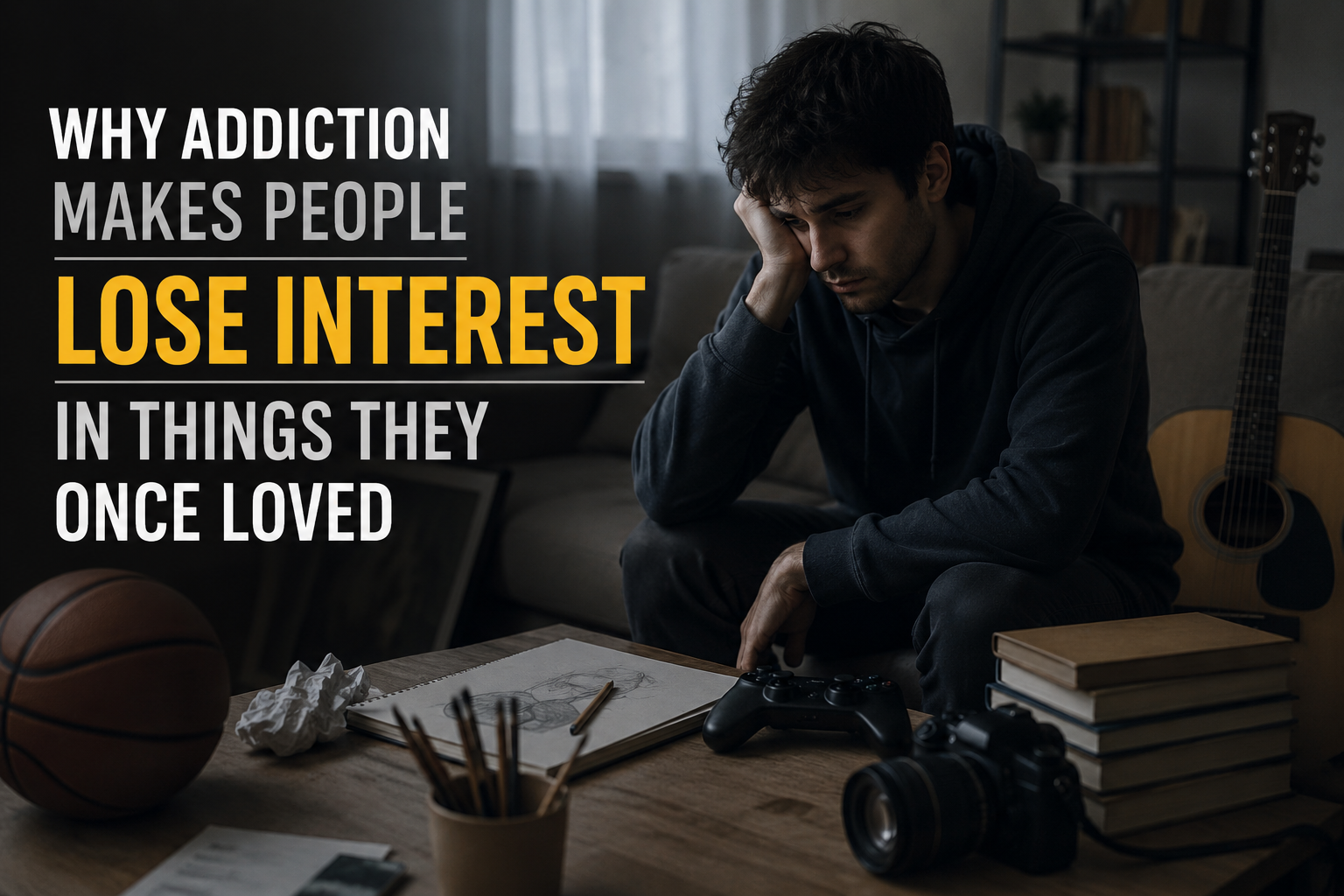
Many individuals struggling with addiction also notice these changes internally, even if they do not openly discuss them. Some begin losing interest in personal goals, relationships, routines, entertainment, studies, work, or activities that once felt emotionally important in daily life. Over time, addiction may begin affecting not only behavior, but also motivation, enjoyment, emotional connection, and overall interest in ordinary life itself.
Understanding why people lose interest during addiction can help families and recovering individuals better recognize the emotional and psychological impact addiction may create over time. According to the National Institute of Mental Health, addiction can significantly affect emotional wellbeing, motivation, behavior, and overall mental health functioning.
Addiction Can Gradually Make People Lose Interest in Everyday Life
One reason addiction may cause people to lose interest in ordinary life is because unhealthy routines slowly begin replacing healthier sources of emotional satisfaction.
Activities that once felt exciting or emotionally rewarding may gradually receive less attention over time. Some individuals stop participating in hobbies, avoid social activities, lose motivation toward work or studies, or emotionally disconnect from personal goals altogether.
For many people, these changes happen gradually rather than suddenly. At first, the individual may still appear emotionally functional externally. However, over time, addiction may slowly begin dominating emotional focus, routines, priorities, and daily behavior more heavily.
Emotional Stress Often Reduces Motivation
Another reason people lose interest during addiction is because emotional stress often becomes overwhelming internally. Many individuals struggling with addiction experience emotional exhaustion, frustration, stress, guilt, hopelessness, or difficulty managing everyday emotional pressure consistently. Over time, this emotional burden may reduce energy and motivation toward activities that once felt meaningful.
Some people begin feeling emotionally disconnected from ordinary life altogether. Instead of enjoying hobbies, relationships, or personal goals, daily life may gradually begin feeling repetitive, stressful, or emotionally draining.
Understanding emotional changes during addiction can also help explain why many individuals gradually begin feeling emotionally numb internally over time. You can also read our article on Why Addiction Makes People Feel Emotionally Empty to better understand the emotional effects addiction may create over time.
Relationships and Social Activities May Become Less Important
Another major change families often notice is reduced emotional involvement in relationships and social life. Some individuals stop spending time with friends or loved ones the way they once did. Others become emotionally distant, withdrawn, or uninterested in activities they previously enjoyed socially.
Over time, addiction may gradually increase emotional isolation and reduce interest in social connection altogether. Some individuals also avoid activities because they no longer feel emotionally present or motivated enough to enjoy them properly.
Understanding relationship changes during addiction can also help explain why emotional isolation often becomes more noticeable over time. You can also read our article on Why Addicted People Push Away the People Who Care About Them to better understand how addiction affects emotional connection and communication.
Losing Interest Does Not Mean Someone No Longer Cares
One important thing families should understand is that losing interest during addiction does not always mean someone no longer cares emotionally. Many individuals struggling with addiction still care deeply about their goals, relationships, future, or loved ones internally. However, emotional stress, unhealthy coping patterns, addiction-related routines, and psychological exhaustion may gradually make it difficult to feel emotionally connected to those parts of life consistently.
This emotional disconnection often creates confusion for both families and recovering individuals themselves. Some people begin feeling frustrated because they recognize they are losing interest in important parts of life but do not fully understand why it is happening emotionally.
Recovery Often Helps People Rebuild Motivation Again
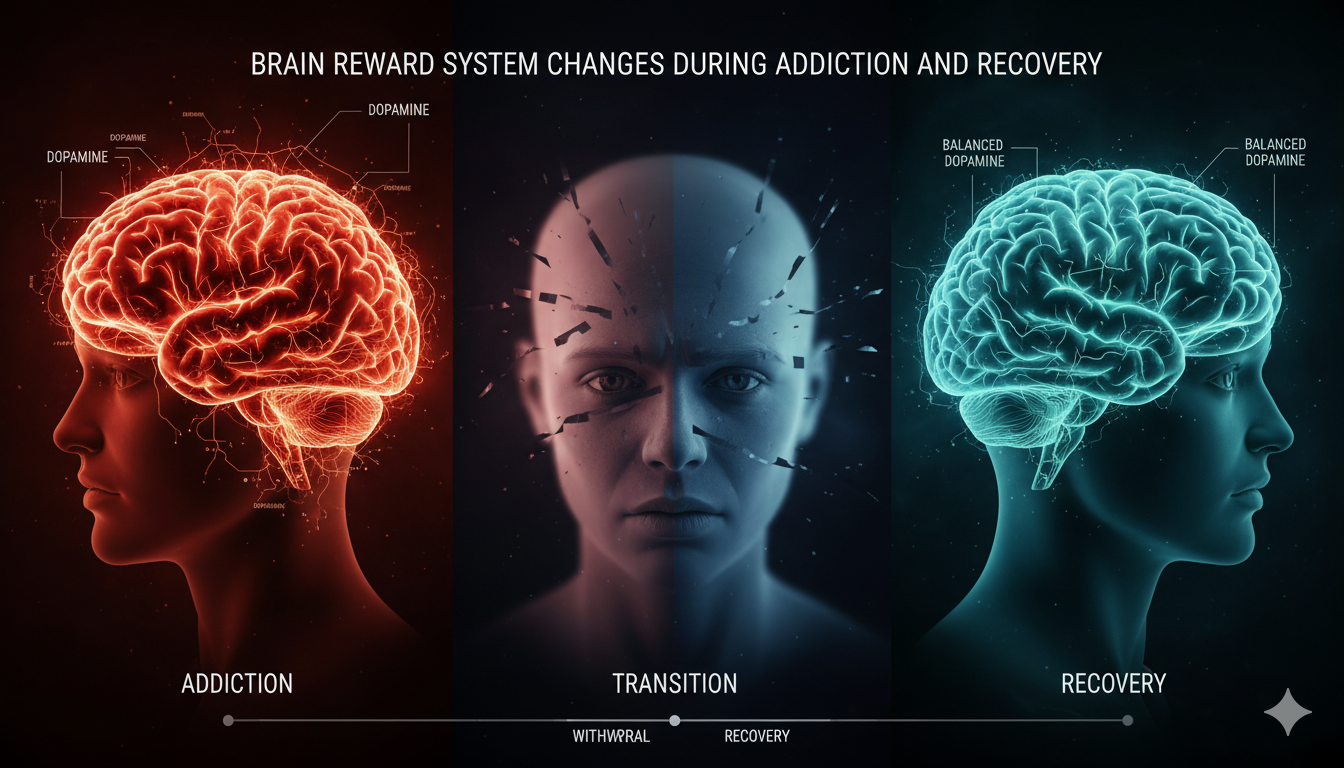
One important part of recovery is slowly rebuilding healthier emotional connection with ordinary life again. Recovery is not only about stopping substance use physically. Many individuals also need time to rebuild motivation, routines, emotional balance, relationships, personal goals, and healthier daily structure.
Therapy, rehabilitation, emotional support, healthier habits, and structured recovery environments may all help individuals gradually reconnect with activities and goals that once felt meaningful. Recovery often happens gradually rather than instantly.
For many people, regaining interest in hobbies, relationships, daily life, and personal goals becomes one of the clearest emotional signs that healing is slowly happening again. Learning why addiction can make people lose interest in ordinary life may help families better understand the emotional side of addiction and recovery.
Motivation and Interest Can Return Over Time
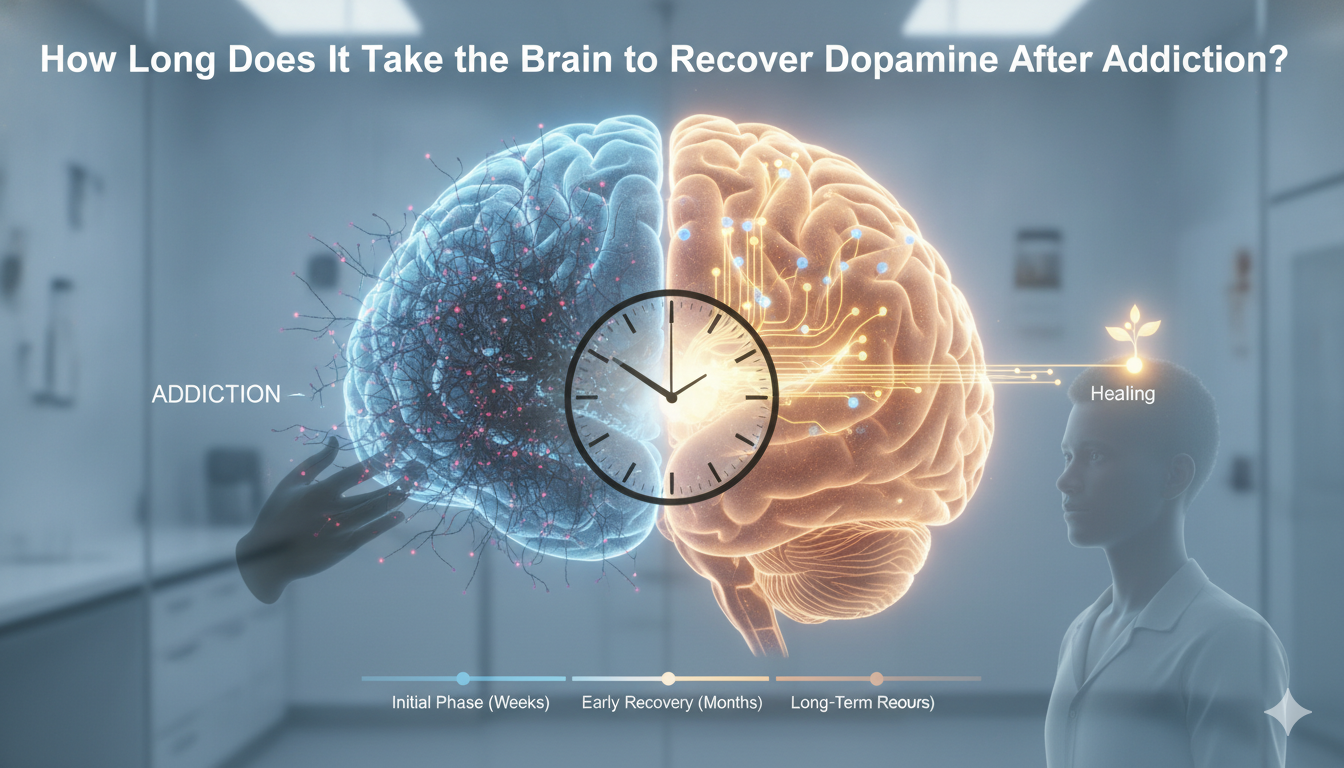
Many recovering individuals worry that emotional motivation or enjoyment may never return properly again. However, emotional healing often improves gradually as recovery continues. Healthier routines, emotional stability, better sleep, therapy, physical recovery, communication, and structured support may all help individuals slowly reconnect with life again over time. Patience often becomes an important part of this process.
Frequently Asked Questions
Why does addiction make people lose interest in things?
Addiction may gradually affect motivation, emotional connection, routines, stress levels, and overall mental wellbeing, making ordinary activities feel less enjoyable over time.
Can addiction affect hobbies and personal goals?
Yes. Many individuals struggling with addiction slowly lose interest in hobbies, relationships, work, studies, or activities they once cared about deeply.
Why do people with addiction isolate themselves socially?
Emotional stress, exhaustion, shame, unhealthy routines, and reduced motivation may gradually increase emotional withdrawal and social isolation.
Does recovery help motivation return?
For many individuals, therapy, rehabilitation, emotional support, healthier routines, and recovery treatment help motivation and emotional connection gradually improve over time.
Is losing interest during addiction permanent?
Not necessarily. Many individuals slowly reconnect with hobbies, relationships, goals, and emotional stability during long-term recovery.
Addiction often affects much more than substance use alone. Over time, emotional stress, unhealthy routines, reduced motivation, and psychological exhaustion may gradually make people lose interest in hobbies, relationships, goals, and ordinary daily life. With recovery, therapy, structured rehabilitation, healthier routines, and emotional support, many individuals slowly begin rebuilding motivation, emotional connection, and a healthier relationship with life again.