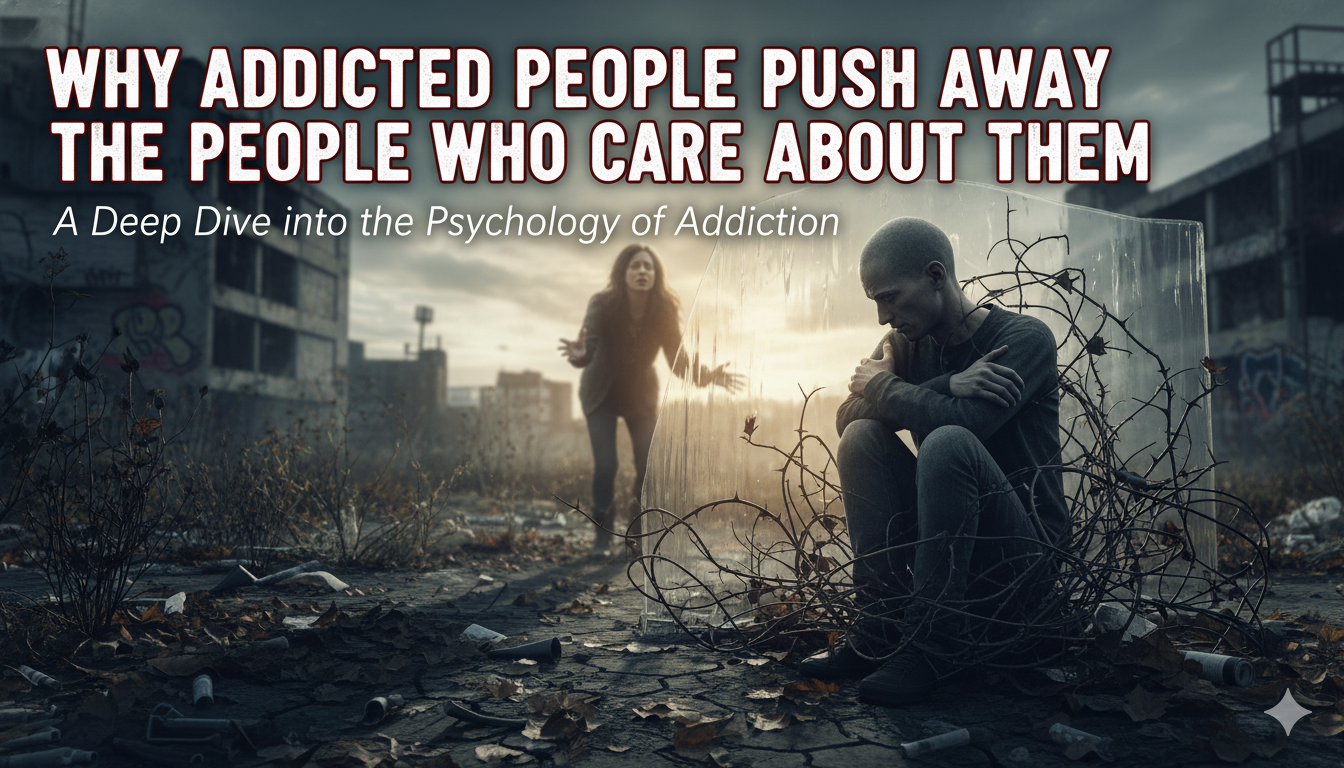
One of the most painful parts of addiction for families is watching someone they care about slowly become emotionally distant. Conversations become shorter, trust weakens, emotional walls grow stronger, and the person struggling with addiction may begin isolating themselves from the very people trying to help them.
For many loved ones, this behavior feels confusing and deeply personal. Some begin wondering whether the person no longer cares about them at all. Others feel emotionally exhausted after repeated rejection, dishonesty, emotional withdrawal, or failed attempts to provide support.
In reality, many individuals struggling with addiction do care about the people around them. The problem is that addiction often changes the way emotions, shame, stress, and relationships are managed over time. Pushing people away is not always about hatred or lack of love. In many cases, it becomes part of the emotional survival patterns addiction gradually creates.
Addiction Often Creates Emotional Isolation
Many people imagine addiction only as physical dependence on substances. But addiction frequently affects emotional behavior and relationships just as deeply. Over time, some individuals begin feeling emotionally disconnected from the people around them, even when support is available. Family conversations may feel emotionally overwhelming, concern may begin feeling like pressure, and emotional closeness may trigger guilt or defensiveness instead of comfort.
This emotional distance usually develops gradually rather than all at once. As addiction becomes more severe, many individuals begin organizing their lives more heavily around secrecy, emotional avoidance, substance use, and self-protection. Relationships that once felt emotionally safe may slowly begin feeling uncomfortable because they remind the person of problems they are trying to avoid confronting.
For many families, this emotional withdrawal becomes one of the earliest signs that addiction is affecting not only behavior, but relationships and emotional functioning too.
Shame Quietly Changes Relationships
One of the strongest emotional forces behind addiction-related isolation is shame. Many individuals struggling with addiction already feel disappointed in themselves long before their families fully understand what is happening. Some feel guilty about lying, emotional instability, financial problems, broken promises, or behavioral changes connected with substance use.
Instead of bringing people closer, that shame often creates emotional avoidance. Conversations that involve concern or emotional honesty may begin feeling threatening because they force the individual to confront emotions they are already struggling to manage internally. Some people become defensive quickly. Others withdraw emotionally, avoid communication, or isolate themselves completely for periods of time.
In many cases, the person is not only avoiding other people. They are also trying to avoid painful emotions within themselves. Understanding the emotional side of addiction can also help explain why many individuals begin feeling emotionally numb or disconnected during long-term substance use. You can also read our article on Why Addiction Makes People Feel Emotionally Empty to better understand how addiction gradually affects emotional wellbeing.
Loved Ones Often Become Reminders of Reality
Another reason some individuals begin pushing people away during addiction is because close relationships can become emotional reminders of reality. Family members, partners, or close friends may notice behavioral changes, ask difficult questions, express concern, or encourage treatment. Even when those conversations come from care, they may feel emotionally uncomfortable for someone trying to avoid confronting their addiction fully.
As a result, some individuals begin avoiding the people who challenge their denial or emotional escape patterns. This does not necessarily mean they prefer isolation emotionally. In many cases, addiction creates a constant internal conflict between wanting support and wanting to avoid emotional discomfort at the same time. That conflict can become exhausting for both the individual and the people around them.
Addiction Changes Emotional Priorities
During severe addiction, emotional priorities often shift in unhealthy ways. Protecting access to substances, avoiding withdrawal, escaping emotional pain, or maintaining emotional numbness may slowly begin taking priority over relationships, communication, or trust. Some individuals begin canceling plans, avoiding family gatherings, ignoring messages, or distancing themselves emotionally because addiction gradually becomes the center of daily functioning.
Over time, relationships may start feeling emotionally secondary compared to the immediate need for escape or relief. This shift can feel heartbreaking for families because the person often seems emotionally different from who they used to be before addiction became severe. Many loved ones describe feeling as though addiction slowly replaced the person they once knew.
Some People Push Others Away Because They Fear Being Judged
Fear of judgment also plays a major role in addiction-related isolation. Many individuals struggling with addiction already expect disappointment, criticism, anger, or rejection from others. Some assume people will never understand what they are experiencing emotionally. Others fear becoming emotional burdens to the people around them.
As a result, distancing themselves can begin feeling emotionally safer than remaining vulnerable inside relationships. Some people isolate themselves because they do not want loved ones witnessing how unstable their life has become. Others fear emotional confrontation, conflict, or exposing how much control addiction has gained over them.Unfortunately, this isolation often increases emotional loneliness, which may then strengthen addiction further.
Recovery Often Requires Rebuilding Relationships Slowly
One of the difficult realities of addiction recovery is that emotional healing inside relationships usually takes time. Even after sobriety begins, trust may still feel fragile. Families may remain emotionally cautious after repeated disappointment, emotional instability, or broken promises connected with addiction.
At the same time, individuals in recovery may struggle with guilt, emotional vulnerability, or difficulty reconnecting honestly after long periods of emotional isolation. This is one reason rehabilitation and therapy often focus not only on sobriety itself, but also on communication, emotional regulation, and rebuilding healthier relationships gradually.
Understanding how recovery environments support emotional healing can also help families better understand the recovery process. You can also read our article on What Is It Really Like Inside a Rehabilitation Center? to learn more about the emotional realities of rehabilitation and structured recovery support.
Pushing People Away Does Not Always Mean Love Is Gone
One of the hardest things for families to understand is that addiction-related isolation does not always mean the person has stopped caring emotionally. In many cases, addiction creates emotional confusion, shame, fear, defensiveness, and psychological exhaustion that slowly damage healthy communication and closeness over time.
Some individuals become emotionally distant because they feel overwhelmed. Others isolate themselves because they no longer know how to explain what they are experiencing internally. Addiction can deeply distort emotional behavior, especially when substance use becomes connected with stress relief, emotional avoidance, or psychological survival patterns.
This does not excuse harmful behavior or emotional damage caused during addiction. But understanding the emotional psychology behind isolation can help families approach recovery more realistically and compassionately.
Frequently Asked Questions
Why do addicted people isolate themselves?
Many individuals isolate themselves because of shame, emotional exhaustion, fear of judgment, denial, or difficulty managing relationships while struggling with addiction.
Do addicted people stop caring about their families?
Not necessarily. Many individuals still care deeply about loved ones, but addiction may affect emotional behavior, communication, and relationship functioning over time.
Why does addiction damage relationships?
Addiction often affects trust, emotional stability, communication, priorities, and behavioral patterns, which can gradually strain relationships.
Can relationships improve during recovery?
Yes. With recovery, therapy, emotional honesty, and consistent support, many individuals gradually rebuild healthier relationships over time.
Why do people become defensive during addiction?
Conversations about addiction may trigger shame, guilt, fear, denial, or emotional discomfort, causing some individuals to react defensively or withdraw emotionally. Addiction often affects far more than physical health alone. It can gradually damage communication, emotional closeness, trust, and relationships with the people who care the most.
Many individuals struggling with addiction isolate themselves not because love has disappeared, but because shame, emotional exhaustion, fear, and psychological distress slowly reshape the way they interact with others. With recovery, emotional support, therapy, and structured rehabilitation, many people slowly begin rebuilding healthier relationships alongside sobriety itself.