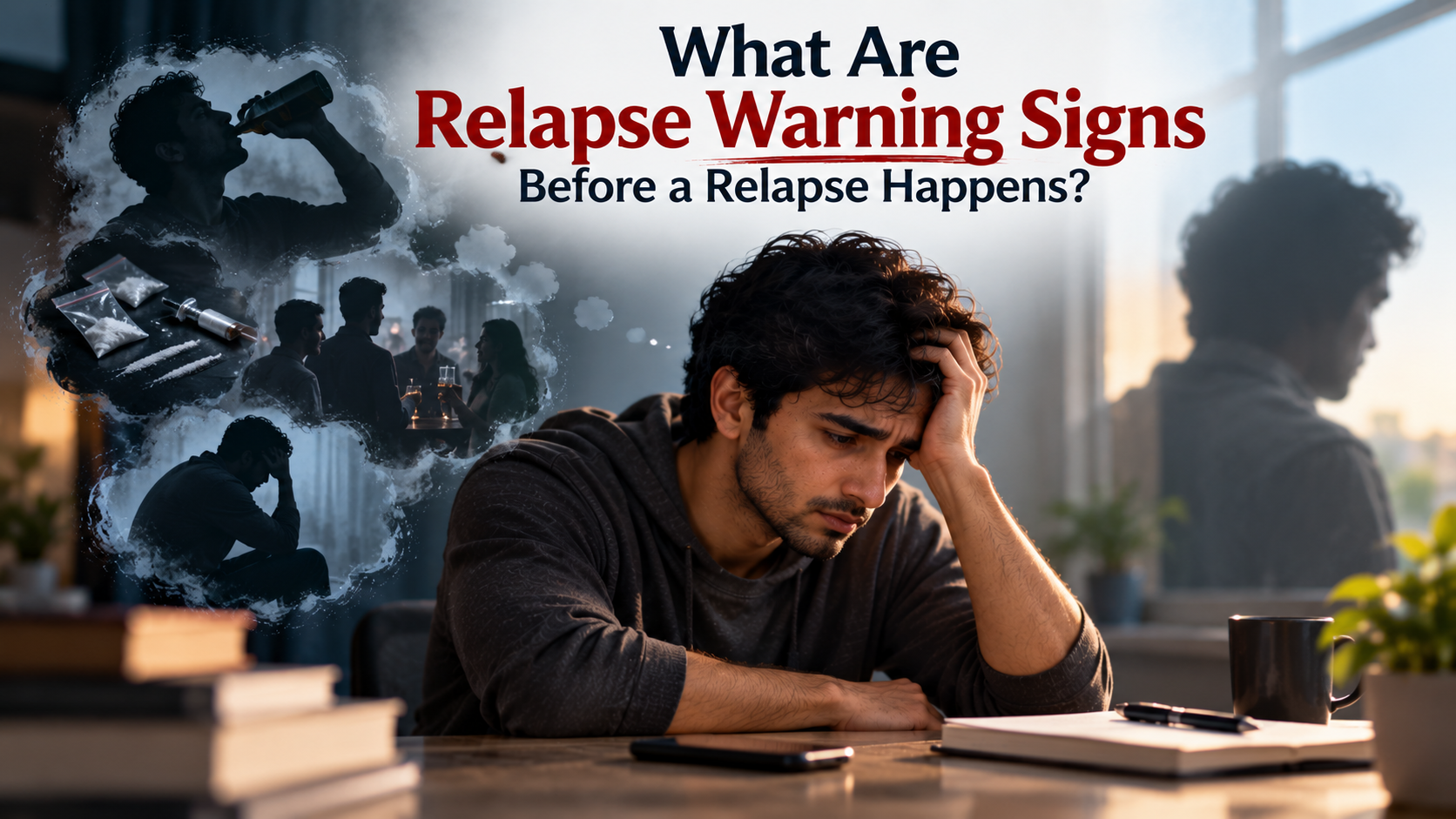
Relapse warning signs are changes in thoughts, emotions, behaviors, and daily routines that may appear before a person returns to drug or alcohol use. A relapse does not usually happen without any preceding changes. Often, there are opportunities to recognize increasing risk and respond before substance use occurs.
Someone in recovery may begin isolating themselves, neglecting their routine, romanticizing past substance use, becoming increasingly stressed, or reconnecting with people and situations associated with addiction. Recognizing these changes early can make it easier to seek support and strengthen a recovery plan.
Relapse is not a sign that treatment was meaningless or that recovery has failed. It is a serious event that can require renewed assessment and support. The earlier warning signs are recognized, the sooner appropriate action can be taken.
What Is a Relapse Warning Sign?
A relapse warning sign is a noticeable change that may indicate increasing vulnerability to returning to substance use. These signs are different for everyone. One person may become withdrawn and stop attending counseling, while another may become increasingly irritable, impulsive, or preoccupied with memories of using drugs. A single difficult day does not necessarily mean relapse is approaching. The concern is usually a pattern of changes that develops over time. Understanding personal warning signs is therefore an important part of relapse prevention.
Emotional Changes Can Come First
Relapse risk can increase when difficult emotions become harder to manage. Someone may experience persistent frustration, anxiety, loneliness, anger, sadness, boredom, or emotional exhaustion. They may begin feeling that recovery is too difficult or that nothing in their life is improving.
These emotions do not automatically lead to relapse. However, when a person previously relied on drugs or alcohol to cope with difficult feelings, emotional distress can become an important trigger. This is why learning healthier ways to manage stress and emotions is an important part of long-term recovery.
Returning to Old Thinking Patterns
Sometimes the earliest warning signs are not visible to other people. A person may begin thinking:
“Maybe I never really had a problem.”
“I can probably use just once.”
“I’ve been sober long enough to control it.”
“Things were more enjoyable when I was using.”
These thoughts can gradually weaken a person’s commitment to recovery. Romanticizing past substance use is particularly important to recognize. Addiction often involved painful consequences, but during periods of vulnerability, a person may remember only the temporary pleasure or relief associated with using. Recognizing these thoughts does not mean someone has already relapsed. It means they may need to discuss what is happening before the thoughts become actions.
Isolation Can Be a Warning Sign
Healthy recovery usually benefits from supportive relationships. When someone begins avoiding family, friends, counseling sessions, support groups, or other positive connections, it may be worth paying attention. Isolation can give cravings and negative thoughts more room to grow.
A person may tell themselves that they simply want some privacy, but if withdrawing from supportive people becomes a significant change from their normal routine, it deserves attention. Reaching out early can be much easier than asking for help after a relapse has already occurred.
Changes in Daily Routine
Recovery often depends on structure. A person may have established routines involving sleep, exercise, counseling, work, meals, family time, or other healthy activities. When those routines begin disappearing, vulnerability can increase. For example, someone may start sleeping throughout the day, staying awake late at night, skipping meals, missing appointments, or abandoning activities that previously helped them stay stable.
One missed activity is not necessarily concerning. Repeatedly abandoning healthy routines can be a more meaningful warning sign. This connects closely with Rebuilding Daily Discipline After Rehab, because maintaining structure can help protect the progress made during treatment.
Reconnecting With High-Risk People or Places
Returning to environments strongly associated with past substance use can increase exposure to triggers. A person may begin contacting old friends who are still using drugs, visiting places where they previously obtained or used substances, or deliberately putting themselves into situations where substances are available. Sometimes this begins casually.
“I’m just going to meet an old friend.”
“I can handle being around people who use.” For some people, these situations may increase temptation significantly. Knowing which people, places, and situations create personal risk allows a person to make more deliberate decisions about their environment.
Romanticizing Substance Use
Another important warning sign is remembering addiction differently from how it actually was. A person may begin focusing on the temporary relief drugs provided while minimizing the consequences that followed. They might remember the excitement, confidence, or escape but forget the health problems, financial difficulties, family conflict, or loss of control. This selective memory can make returning to substance use seem safer than it actually is. Talking about these thoughts with a counselor or trusted support person can help someone examine the complete picture rather than only the appealing parts of past use.
Cravings Become More Frequent or Intense
Cravings can occur even during long-term recovery. Having a craving does not mean that relapse is inevitable. However, a noticeable increase in the frequency or intensity of cravings can be an important reason to strengthen support. Cravings may be triggered by stress, certain people, memories, locations, emotions, or even particular times of day. The important point is not to feel ashamed of experiencing a craving. It is to recognize it early and respond appropriately.
Neglecting Recovery Activities
A person may gradually stop doing the things that previously supported their recovery. They might stop attending therapy, ignore medication instructions, discontinue exercise, stop communicating with supportive people, or become less interested in relapse-prevention strategies.
Sometimes this happens because the person feels that they are “cured” and no longer needs support. Other times, they may simply be tired or discouraged. Either way, withdrawing from effective recovery supports can be a signal that additional attention is needed.
Increased Irritability or Impulsive Behavior
Sudden changes in behavior can also be relevant. Someone may become unusually argumentative, impatient, impulsive, or emotionally reactive. They may start making decisions without considering the consequences.
These changes do not prove that relapse is approaching. They can have many other causes, including stress, sleep problems, mental health concerns, or medical issues. However, when they occur alongside cravings, isolation, romanticizing substance use, or abandoning recovery routines, the overall pattern becomes more important.
The “I Deserve It” Thought
One particularly risky thought can appear after a difficult period:
“I’ve worked so hard. I deserve to relax.”
The person may begin viewing substance use as a reward rather than recognizing it as a potential threat to their recovery. This can happen after achieving a major goal, experiencing a stressful event, receiving money, ending a relationship, or celebrating an occasion. Learning to recognize this thinking pattern can help someone find safer ways to reward themselves.
What to Do When Warning Signs Appear
The purpose of identifying relapse warning signs is not to create fear. It is to create an opportunity to act earlier. If someone notices several warning signs developing, they can contact a counselor, therapist, treatment professional, doctor, sponsor, trusted family member, or another appropriate source of support.
Returning to a structured recovery routine may also help. The specific response should depend on the individual’s treatment plan and circumstances. If there is an immediate risk of overdose, severe intoxication, self-harm, or another medical emergency, emergency medical assistance should be sought rather than relying only on a personal relapse-prevention plan.
What Families Should Watch For
Families sometimes notice changes before the person in recovery recognizes them. A sudden withdrawal from family, unusual secrecy, changes in sleep, returning to old social circles, increased irritability, or repeated talk about past substance use may deserve a calm conversation. The goal should not be to accuse the person.
Instead of saying: “You’re going to relapse again.”
a family member might say:
“We’ve noticed that you’ve been withdrawing lately. Is something becoming difficult for you?” This approach can create an opportunity for the person to talk before the situation becomes more serious.
Relapse Prevention Is About Preparation
A strong recovery plan does not assume that cravings and difficult emotions will never occur. Instead, it prepares a person for them. This may include identifying personal triggers, knowing who to contact during difficult periods, maintaining treatment, developing healthy routines, avoiding high-risk situations, and having a plan for what to do when cravings become intense.
The goal is not perfection. It is preparedness. Someone who recognizes their own warning signs has more opportunity to respond before a lapse becomes a larger relapse.
What We Often Observe During Recovery
Recovery is rarely completely predictable. Someone can appear to be doing well and still experience a difficult period later. This does not mean that previous progress was fake or meaningless. Long-term recovery involves learning how to recognize changes in emotional state and behavior before they become overwhelming.
Over time, people may become better at noticing their own patterns. They may learn that poor sleep makes them vulnerable, that isolation increases cravings, or that certain social situations create unnecessary risk. That self-awareness can become an important part of maintaining recovery.
Final Thoughts
Recognizing relapse warning signs can give a person an opportunity to respond before returning to substance use. Increased cravings, isolation, emotional distress, romanticizing past drug use, abandoning healthy routines, reconnecting with high-risk environments, and withdrawing from treatment can all be reasons to pay closer attention. None of these signs automatically means that relapse will happen. What matters is recognizing meaningful changes early and seeking appropriate support.
Recovery is not about never experiencing difficult thoughts or emotions. It is about learning how to respond to them without returning to destructive patterns. The earlier a person notices that something is changing, the more opportunity they have to ask for help, adjust their recovery plan, and protect the progress they have worked hard to build.
Frequently Asked Questions
What are the early warning signs of relapse?
Common warning signs can include increasing cravings, isolation, emotional distress, abandoning recovery routines, romanticizing past substance use, reconnecting with high-risk people, and withdrawing from treatment or support.
Does having cravings mean I am going to relapse?
No. Cravings are common during recovery and do not mean that relapse is inevitable. However, frequent or increasingly intense cravings are a good reason to use your support system and review your coping plan.
Can stress be a warning sign of relapse?
Stress itself does not mean relapse will happen, but significant or prolonged stress can increase vulnerability, particularly when a person previously used substances to cope with difficult emotions.
Can isolation increase relapse risk?
Isolation can make recovery more difficult because it reduces access to support and can give cravings and negative thoughts more opportunity to grow.
What should I do if I notice relapse warning signs?
Contact an appropriate support person or treatment professional, review your relapse-prevention plan, return to healthy routines, and avoid situations that increase your risk. If there is an immediate medical or safety emergency, seek emergency help.
Can relapse be prevented?
Relapse cannot always be predicted or completely prevented, but identifying personal triggers and warning signs, maintaining appropriate treatment and support, and responding early can help reduce risk.