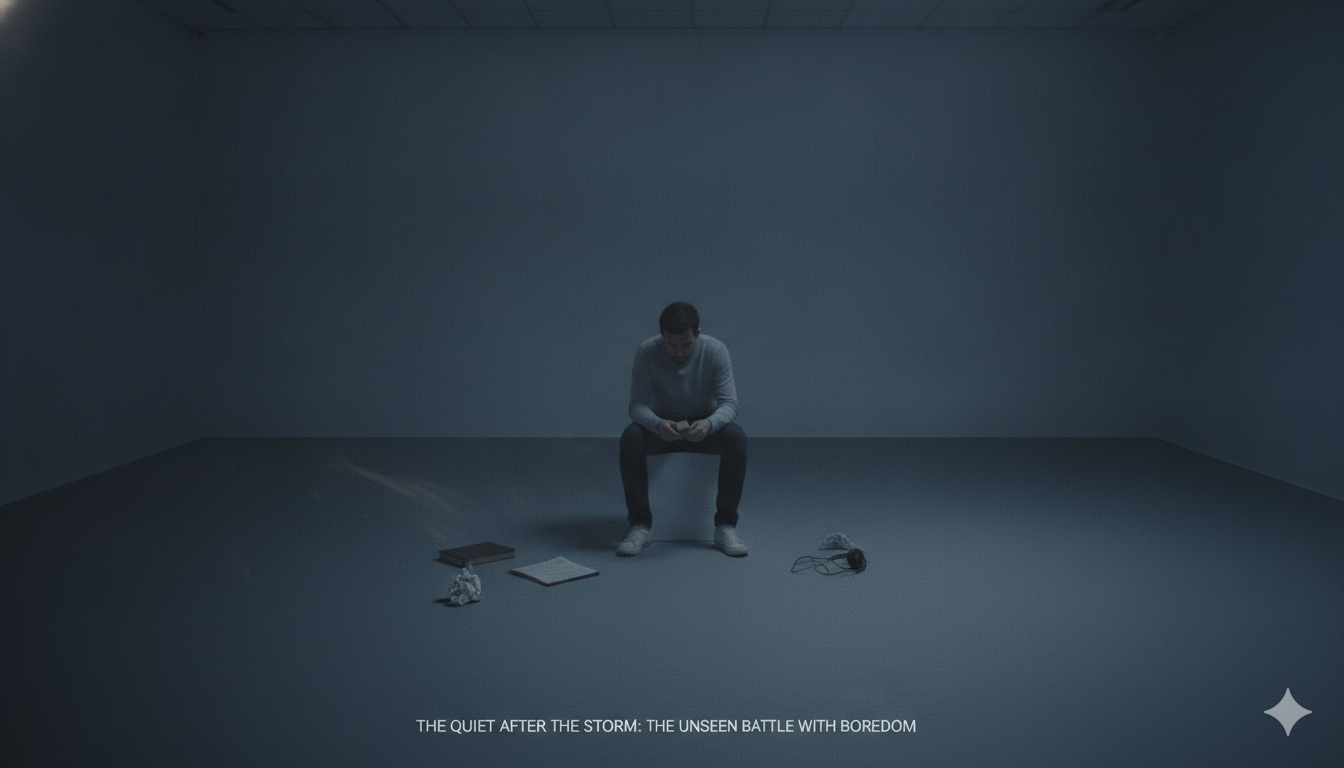
Many people expect withdrawal symptoms, cravings, and emotional ups and downs when they stop using drugs. What often surprises them is something much simpler: boredom. Patients in recovery frequently describe a strange feeling after quitting drugs. Life seems dull. Activities they once enjoyed feel less interesting. Days appear longer. Even simple tasks can feel exhausting or meaningless.
This experience can be frustrating because it often occurs at a time when a person is trying hard to build a healthier life. The good news is that this feeling is common. More importantly, it is usually temporary. Understanding why boredom after quitting drugs occurs can help individuals stay committed to recovery and avoid the mistakes that sometimes lead to relapse.
Why Does Boredom Feel So Intense After Quitting Drugs?
The answer begins with the brain. Addictive substances create powerful changes within the brain’s reward system. Over time, drugs become one of the primary sources of excitement, pleasure, stimulation, and emotional relief.
Things that once felt enjoyable—such as spending time with family, exercising, reading, working, or pursuing hobbies—may no longer provide the same level of satisfaction. When drug use stops, the brain suddenly loses its strongest source of stimulation. The result is often an overwhelming sense of emptiness or boredom.
The Role of Dopamine in Recovery
To understand boredom during recovery, it helps to understand dopamine. Dopamine is a neurotransmitter involved in motivation, anticipation, learning, and reward. Many addictive substances produce unusually large dopamine surges. Compared to these artificial highs, normal daily experiences generate much smaller dopamine responses.
After prolonged drug use, the brain becomes accustomed to these intense spikes. When the drugs are removed, everyday activities may seem less rewarding than they actually are. This is one reason people often report feeling emotionally flat during early recovery.
Why Everyday Activities Feel Less Exciting
A common complaint among individuals in recovery is: “Nothing feels fun anymore.”
This does not mean enjoyable activities have permanently lost their value. Instead, the brain is adjusting to life without artificial stimulation. For months or even years, drug use may have occupied a large portion of a person’s daily routine. Obtaining substances, using them, recovering from them, and thinking about them often consume significant time and energy.
When drugs are removed, a person is left with a large amount of unstructured time. The activities that once filled those hours disappear, but healthy replacements have not yet fully developed. This creates a gap that many people experience as boredom.
Boredom Is More Than Just Having Nothing to Do
Many people think boredom simply means lacking activities. In recovery, boredom is often more complex. Sometimes it reflects emotional discomfort.
When drugs are no longer available as a coping mechanism, feelings that were previously suppressed may begin to surface. These can include:
- Anxiety
- Loneliness
- Stress
- Frustration
- Sadness
- Restlessness
- Uncertainty about the future
Without substances to numb these emotions, individuals may experience them more intensely. What appears to be boredom is sometimes the brain’s way of confronting emotions that have been avoided for years.
The Link Between Boredom and Drug Cravings
Boredom and cravings often occur together. When the brain seeks stimulation, it naturally remembers activities that previously provided strong rewards. For someone with a history of substance use, this can trigger thoughts about drugs. Boredom acts as one of these triggers. Many relapses begin not during moments of crisis but during ordinary, uneventful periods when a person feels understimulated and disconnected.
Why Early Recovery Is Especially Difficult
The first few months of recovery are often the most challenging. During this stage:
- Dopamine systems are still healing.
- New routines are being established.
- Emotional regulation is improving.
- Cravings may still occur.
- Confidence in sobriety is developing.
Because the brain is adapting to significant changes, boredom often feels stronger than it will later in recovery. This does not mean something is wrong. It usually means the healing process is underway.
What We Often Observe in Rehabilitation Settings
One pattern frequently seen in addiction treatment centers is that patients underestimate boredom. People prepare for withdrawal symptoms and cravings, but few expect ordinary daily life to feel so different. Many individuals enter treatment believing that sobriety will immediately make them happy.
When boredom appears, they sometimes assume recovery is failing. The reality is quite different. Boredom often reflects the brain’s adjustment period. Patients who understand this process generally cope more effectively because they recognize the feeling as temporary rather than permanent.
Healthy Ways to Overcome Boredom During Recovery
Recovery is not simply about removing drugs. It is also about building a meaningful life without them.
Create Structure
A structured day reduces idle time. Regular sleep schedules, work responsibilities, exercise, therapy appointments, and planned activities provide stability. Structure helps prevent long periods of unoccupied time that may trigger boredom or cravings.
Rediscover Old Interests
Many people abandon hobbies during active addiction. Recovery provides an opportunity to reconnect with activities that once brought satisfaction. Reading, sports, art, music, gardening, and learning new skills can gradually restore enjoyment.
Stay Physically Active
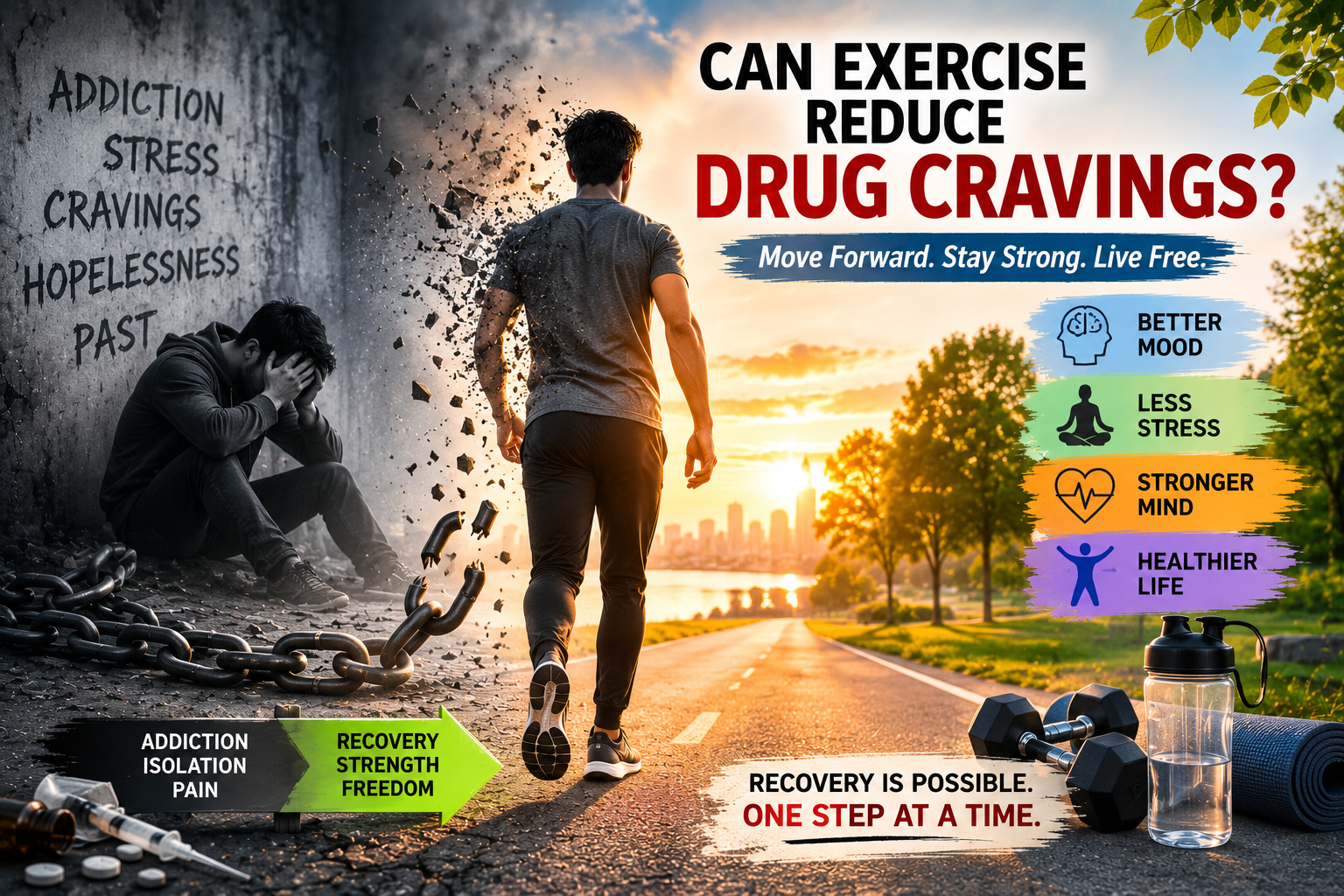
Exercise is one of the most effective tools for improving mood and reducing boredom. Physical activity naturally supports dopamine production and promotes overall brain health. Even a daily walk can make a meaningful difference.
Build Social Connections
Isolation often increases boredom. Spending time with supportive family members, friends, and recovery groups can provide a sense of purpose and connection. Human relationships remain one of the strongest sources of natural reward.
Set Small Goals
Recovery becomes more meaningful when people work toward something. Goals do not need to be dramatic. Simple achievements such as completing a course, improving physical fitness, or learning a new skill can create a sense of progress and motivation.
Why Patience Is Important
One of the biggest mistakes people make is expecting immediate improvement. The brain did not develop addiction overnight. Likewise, recovery takes time. During the early stages of sobriety, many individuals feel discouraged because life seems less exciting than they expected.
However, this feeling rarely lasts forever. As the brain heals and healthy experiences become more rewarding, boredom gradually loses much of its intensity. Activities that once seemed uninteresting often become enjoyable again.
Can Boredom Lead to Cross Addiction?
Yes. Some people attempt to escape boredom by replacing one addiction with another. This may involve excessive gaming, gambling, compulsive shopping, overeating, or problematic internet use.
As discussed in https://jadeedrifah.com/?p=4659&preview=true, substituting one addictive behavior for another does not address the underlying problem. Instead, it can create new challenges that threaten long-term recovery. This is why balance and self-awareness are essential.
Recovery Is About Building a New Life
A common misconception is that recovery is simply the absence of drugs. In reality, recovery involves creating a life that feels meaningful without substances. That process takes time.
Many people discover that boredom becomes less significant when they develop new relationships, pursue personal goals, contribute to their communities, and invest in activities that align with their values. Eventually, recovery stops feeling like something that is missing. Instead, it begins to feel like something that is being gained.
Final Thoughts
Boredom after quitting drugs is one of the most common yet overlooked challenges in addiction recovery. After prolonged substance use, the brain’s reward system needs time to adjust. During this healing process, everyday activities may seem less enjoyable, and life can temporarily feel dull or unfulfilling. While this experience can be uncomfortable, it is usually a sign that recovery is progressing rather than failing.
With patience, healthy routines, meaningful activities, supportive relationships, and continued commitment to sobriety, the brain gradually learns to find satisfaction in ordinary life again. Recovery is not just about avoiding drugs. It is about rediscovering purpose, connection, and fulfillment without them.
Frequently Asked Questions (FAQs)
Why am I so bored after quitting drugs?
Boredom after quitting drugs often occurs because the brain’s reward system is adjusting to life without artificial stimulation. Dopamine levels may take time to recover, making everyday activities feel less enjoyable during early recovery.
How long does boredom last in recovery?
The timeline varies from person to person. Many individuals notice gradual improvement over weeks and months as the brain heals and healthy routines become established.
Is boredom a sign of relapse?
No. Boredom itself is not relapse. However, it can become a trigger for cravings if not managed properly. Understanding and addressing boredom is an important part of relapse prevention.
Can boredom cause drug cravings?
Yes. Boredom is a common trigger for cravings because the brain naturally seeks stimulation and reward. Learning healthy ways to stay engaged can reduce this risk.
What activities help reduce boredom during recovery?
Exercise, hobbies, education, volunteering, social activities, support groups, creative projects, and spending time with family can all help reduce boredom and improve emotional well-being.
Does everyone experience boredom after quitting drugs?
Not everyone experiences it to the same degree, but it is extremely common. Many people in recovery report periods of boredom, especially during the first few months of sobriety.
Can boredom lead to cross addiction?
Yes. Some individuals attempt to replace drugs with gambling, gaming, shopping, food, or excessive internet use. This is known as cross addiction and can create new problems if not recognized early.