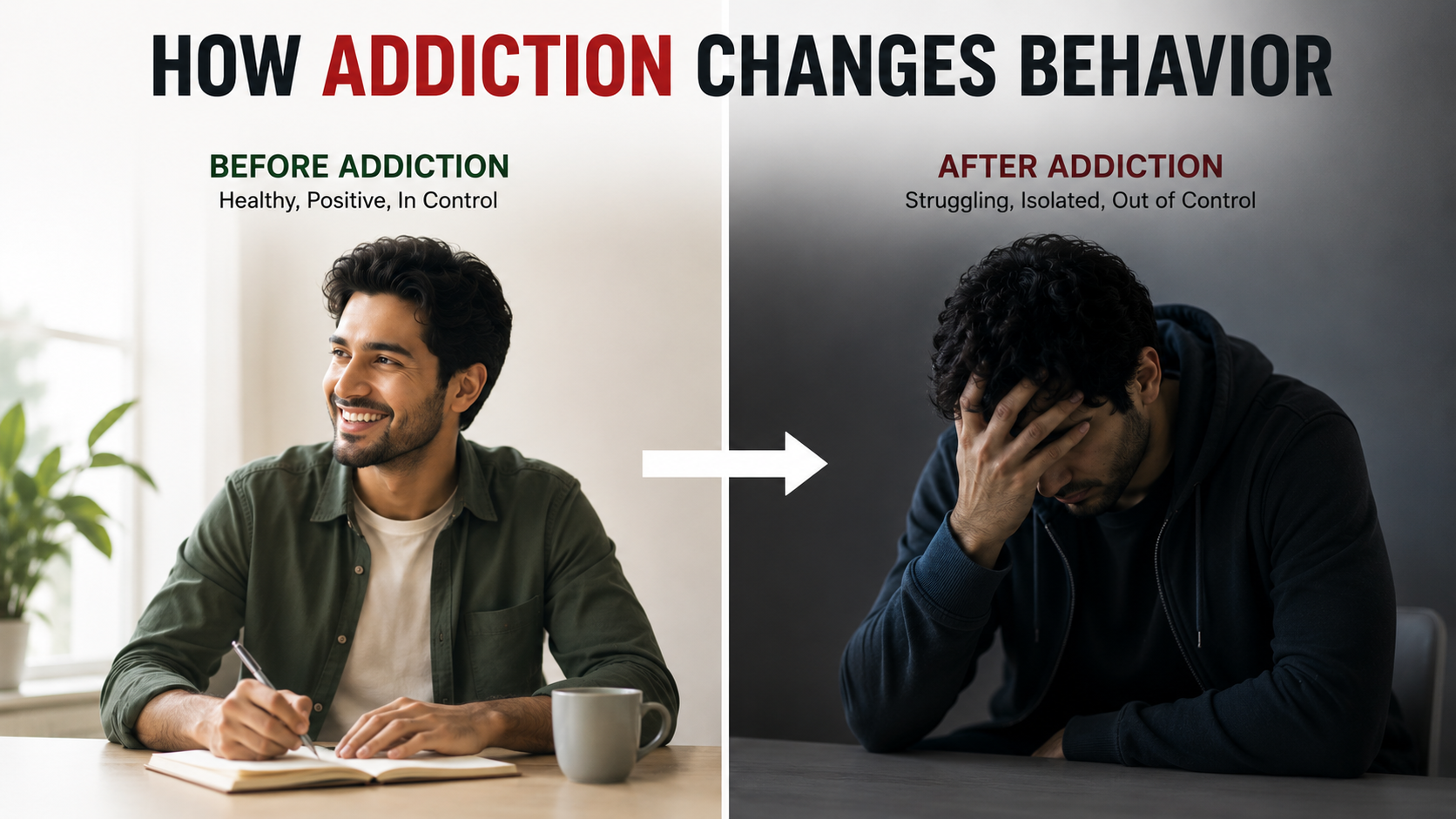
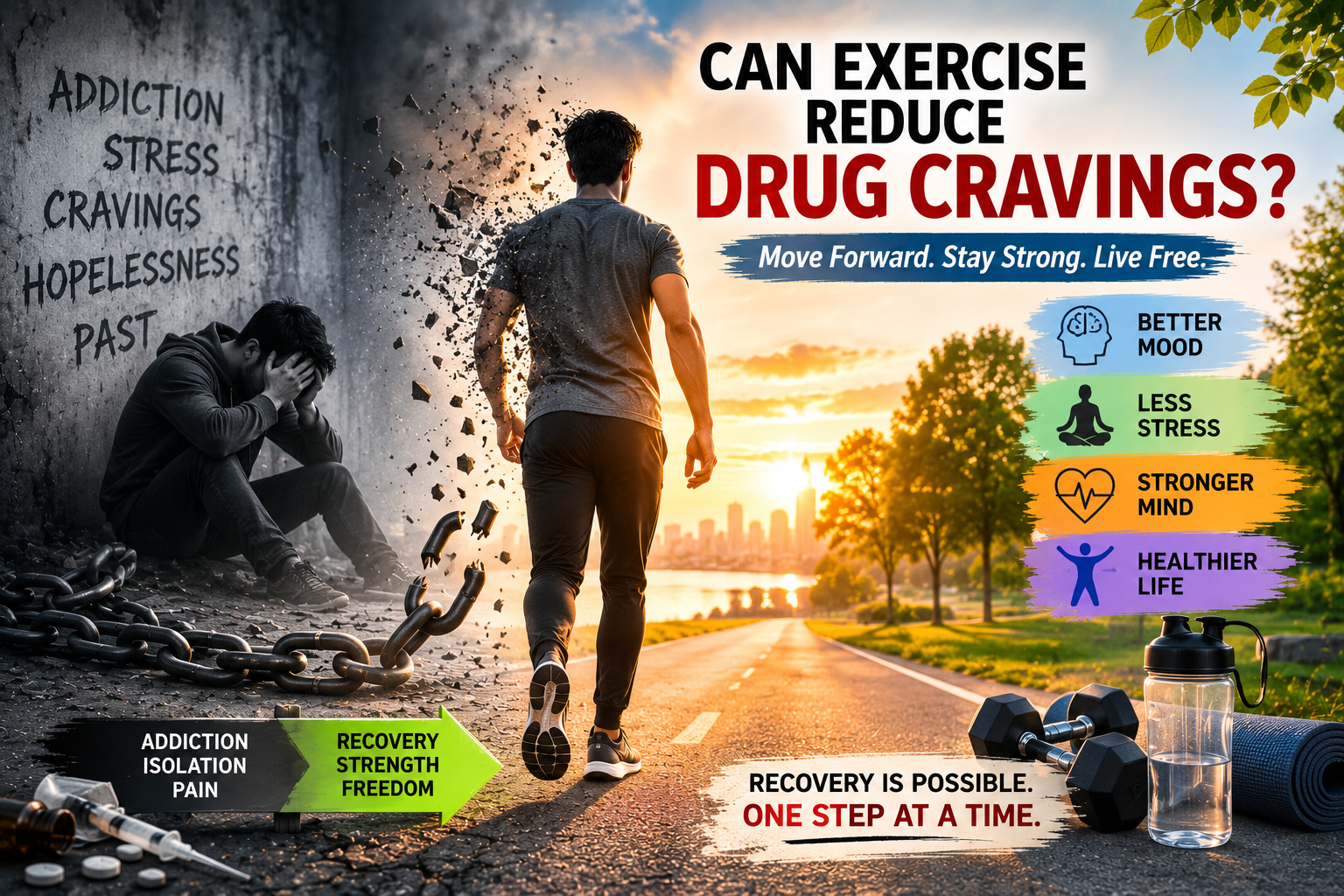
Exercise reduce drug cravings is a question many people ask during addiction recovery, especially when cravings continue after detox. Physical activity is often recommended as part of a healthy recovery routine, but can exercise actually make drug cravings easier to manage?
The answer is potentially yes. Research suggests that physical activity may help reduce cravings and improve mood, stress regulation, sleep, and overall well-being. However, exercise is not a replacement for addiction treatment, medication when appropriate, counseling, or professional support. For someone in recovery, exercise can be a useful additional tool that supports the brain and body while healthier routines are being rebuilt.
Why Exercise May Help With Cravings
Drug cravings are not simply a matter of wanting to use a substance. They can involve changes in the brain’s reward, motivation, stress, and learning systems. During addiction, substances can produce powerful rewards that gradually become associated with particular places, people, emotions, and routines. Later, these triggers may cause cravings even when the person genuinely wants to remain sober.
Exercise affects several of the same systems involved in mood and reward. Physical activity can increase the release of naturally occurring chemicals involved in pleasure and well-being, while also helping reduce stress and tension. This does not mean exercise “replaces” drugs in the brain. Instead, regular physical activity may provide a healthier source of reward and help a person manage some of the emotional states that previously triggered substance use.
Exercise and the Brain During Recovery
The brain changes significantly during addiction and continues adapting during recovery. Exercise provides the brain with regular stimulation through movement, coordination, effort, and achievement. Over time, physical activity may support cognitive and emotional health while a person continues recovering from substance use. This is particularly useful because recovery is not only about removing drugs from the body. It is also about developing healthier ways to experience pleasure, manage stress, and structure daily life.
Can Exercise Stop a Drug Craving Immediately?
Not necessarily.
Exercise should not be viewed as an instant cure for cravings. Some people may feel better after a workout, while others may not notice an immediate change. The effect can also depend on the person’s physical health, type of substance used, stage of recovery, exercise intensity, and individual circumstances.
The more realistic goal is to use exercise as one part of a broader craving-management strategy. For example, someone experiencing a manageable craving might take a walk, exercise, contact a supportive person, practice a coping technique, or attend a counseling session rather than automatically responding to the urge by using a substance.
Exercise Can Help With Stress and Emotional Triggers
Stress is a common challenge during recovery. When people feel overwhelmed, anxious, frustrated, or emotionally exhausted, they may experience stronger urges to return to old coping methods. Physical activity can provide a healthy way to release tension and interrupt an unhelpful pattern of thinking.
A walk outside, a gym session, stretching, swimming, cycling, or another enjoyable activity can create a change in environment and attention. This is important because cravings often become more difficult when a person sits alone focusing entirely on the urge. Changing what the body is doing can sometimes help change what the mind is focusing on.
Exercise Can Give Recovery More Structure
A major benefit of exercise may have less to do with cravings themselves and more to do with routine. Addiction can disrupt daily structure. Recovery involves rebuilding it.
Having a regular time for walking, strength training, sports, or another physical activity can give the day greater organization. It can also provide a healthy goal to work toward. A person who once organized their day around obtaining and using substances can gradually begin organizing their day around healthier activities.
What Type of Exercise Is Best?
There is no single exercise that works for everyone. Walking is an excellent starting point because it is simple and requires little equipment. Others may prefer strength training, cycling, swimming, running, sports, yoga, or other forms of movement. The most useful activity is often one that a person can perform safely and consistently.
Someone who has been physically inactive should not feel pressured to begin with intense workouts. Starting with manageable activity and gradually increasing it is generally more realistic. The goal is to build a sustainable habit rather than create another source of pressure.
Exercise Can Support the Emotional Side of Recovery
Recovery involves more than physical health. People may experience boredom, low motivation, frustration, loneliness, or difficulty experiencing pleasure after stopping substances. Exercise can provide an opportunity to accomplish something measurable.
Completing a walk, improving strength, running a little farther, or simply showing up for a workout can create a sense of achievement. These small achievements can contribute to confidence. For someone rebuilding their identity after addiction, learning that they can set a goal and follow through can be meaningful.
Exercise Is Not a Substitute for Addiction Treatment
This distinction is important. Exercise can support recovery, but it should not replace professional addiction treatment. Someone experiencing severe cravings, withdrawal symptoms, repeated relapse, or thoughts of returning to substance use may need medical and psychological support.
Depending on the substance and individual circumstances, treatment can include medical supervision, counseling, behavioral therapies, medication, peer support, and rehabilitation. Exercise works best as part of a comprehensive recovery plan rather than as a stand-alone treatment.
What We Often Observe During Recovery
Physical activity can become a positive part of rehabilitation because it gives patients an opportunity to use their time and energy constructively. Over time, some people become more comfortable with exercise and begin looking forward to it. Improvements in fitness can also strengthen confidence and encourage other healthy behaviors.
The most important change is not necessarily how much someone can lift or how fast they can run. It is the development of a healthier routine. A person who chooses exercise instead of sitting alone with a craving is practicing a new way of responding to discomfort. That skill can become valuable long after rehabilitation ends.
When Exercise May Not Be Appropriate
Exercise is not suitable for everyone at every stage of recovery. People experiencing acute intoxication, severe withdrawal, significant medical problems, or other health concerns should receive appropriate professional guidance before starting physical activity. Individuals with existing medical conditions may also need advice about the type and intensity of exercise that is safe for them. Recovery should never become a competition. The purpose of exercise is to support health, not create another demand for perfection.
Building Exercise Into a Recovery Routine
Starting small is often the best approach. A person might begin with a short daily walk and gradually increase activity as their health and confidence improve. Choosing an activity that is enjoyable can make consistency easier. Exercising with supportive people may also provide social connection and accountability.
Over time, exercise can become one part of a broader routine that includes counseling, healthy nutrition, adequate sleep, meaningful activities, and supportive relationships. This combination is much more powerful than relying on any single strategy.
Final Thoughts
So, can exercise reduce drug cravings? Evidence suggests that physical activity may help some people manage cravings while also supporting mood, stress regulation, sleep, and overall well-being. However, exercise should be viewed as a supportive recovery tool, not a cure for addiction.
The real value of exercise may be that it gives people a healthier way to respond to stress, boredom, difficult emotions, and urges. Combined with professional treatment and a strong recovery plan, regular physical activity can become an important part of rebuilding a healthy life. Recovery is made up of many small choices. Sometimes, choosing to go for a walk instead of giving in to a craving can be one of them.
Frequently Asked Questions
Can exercise reduce drug cravings?
Exercise may help reduce the intensity of cravings for some people and can also improve mood and reduce stress. However, its effects vary and it should be combined with appropriate addiction treatment.
How long should I exercise during addiction recovery?
There is no single amount that works for everyone. Starting with manageable activity and gradually increasing it is generally more sustainable than beginning with intense exercise.
Is walking good for addiction recovery?
Yes. Walking is a simple, accessible form of physical activity that can support physical health, provide structure, and offer a healthy distraction during difficult moments.
Can exercise prevent relapse?
Exercise alone cannot prevent relapse. It may support relapse prevention by improving mood, reducing stress, creating routine, and providing a healthy coping strategy.
What exercise is best for recovering from addiction?
The best exercise is one that is safe, enjoyable, and sustainable. Walking, cycling, swimming, strength training, sports, and other activities can all be useful depending on a person’s health and preferences.
Should someone exercise during drug withdrawal?
It depends on the substance, severity of withdrawal, and person’s medical condition. Some forms of withdrawal can be dangerous, so medical guidance should take priority over exercise.