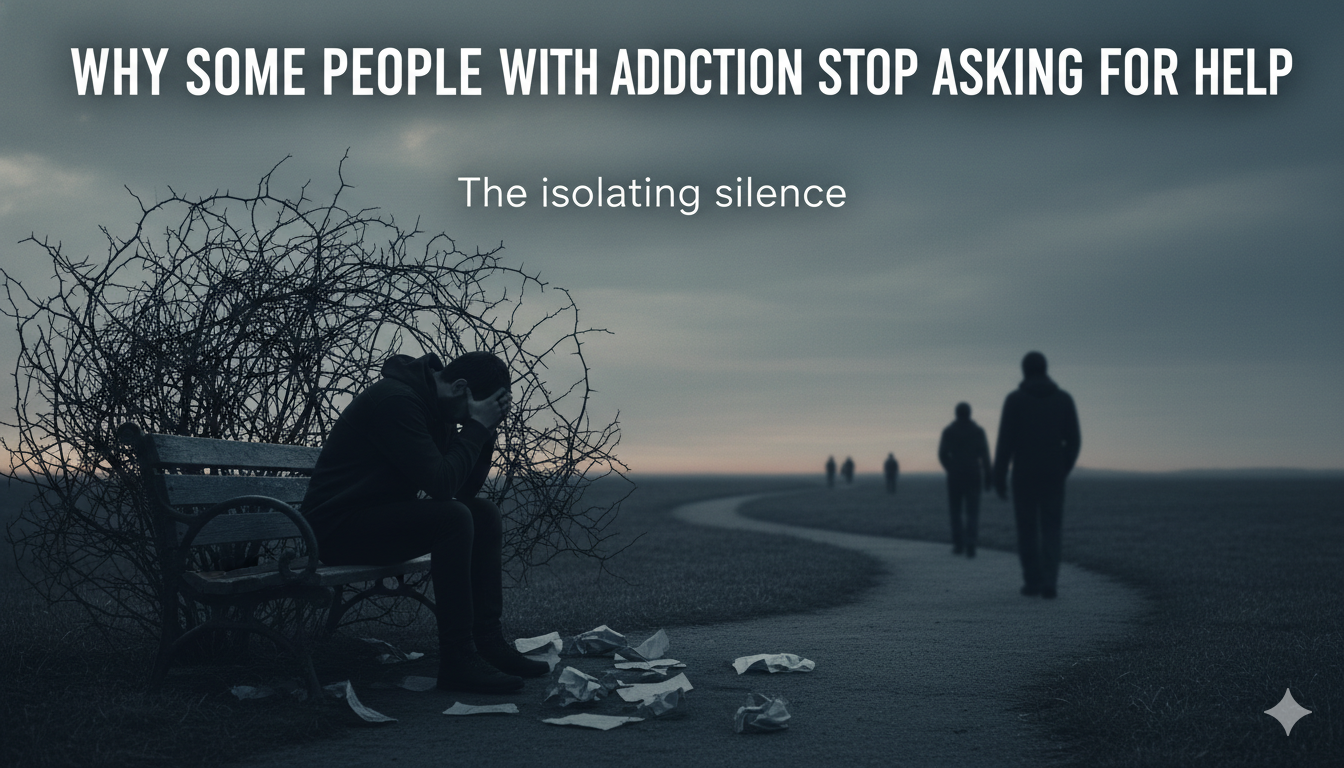
One of the most painful realities of addiction is that many people who need support the most slowly stop asking for help altogether. Families often become confused when someone clearly struggling emotionally begins isolating themselves, avoiding conversations, refusing support, or acting as though everything is under control even when life is becoming increasingly unstable.
For loved ones, this behavior may look frustrating or emotionally distant. Some begin wondering whether the person no longer wants recovery, no longer cares, or has simply “given up.” In reality, the reasons many people stop asking for help are often far more emotionally complicated.
Addiction can gradually affect confidence, emotional trust, self-worth, communication, and the ability to feel emotionally safe being vulnerable around other people. Over time, reaching out for support may begin feeling emotionally overwhelming instead of comforting.
Understanding why asking for help becomes difficult during addiction can help families approach recovery with greater emotional awareness and compassion. According to the National Institute of Mental Health, addiction can significantly affect emotional wellbeing, behavior, relationships, and psychological functioning over time.
Shame Often Makes Asking for Help Feel Difficult
One of the biggest reasons people stop asking for help during addiction is shame. Many individuals struggling with addiction already feel deeply disappointed in themselves long before others fully understand what they are experiencing emotionally. Failed attempts to stop using substances, damaged relationships, emotional instability, financial stress, or broken promises may slowly affect self-worth over time. As shame becomes stronger, some people begin believing they are becoming emotional burdens to others.
Instead of feeling emotionally safe asking for support, they may start expecting criticism, disappointment, anger, or rejection instead. Over time, emotional withdrawal can begin feeling easier than vulnerability. This emotional isolation often grows quietly. Some individuals stop explaining what they are going through internally because they no longer believe other people will fully understand their struggles.
Emotional Exhaustion Can Lead to Withdrawal
Another reason asking for help becomes difficult is emotional exhaustion. Long-term addiction often creates constant internal stress. Many individuals spend large amounts of emotional energy trying to:
- manage emotional instability
- hide personal struggles
- avoid judgment
- maintain daily functioning
- suppress painful emotions
- manage unhealthy routines
Over time, this emotional pressure can become mentally exhausting. Some individuals eventually stop discussing their struggles not because they no longer care about recovery, but because they feel emotionally drained, hopeless, or overwhelmed. In many cases, people begin isolating themselves quietly while still struggling internally.
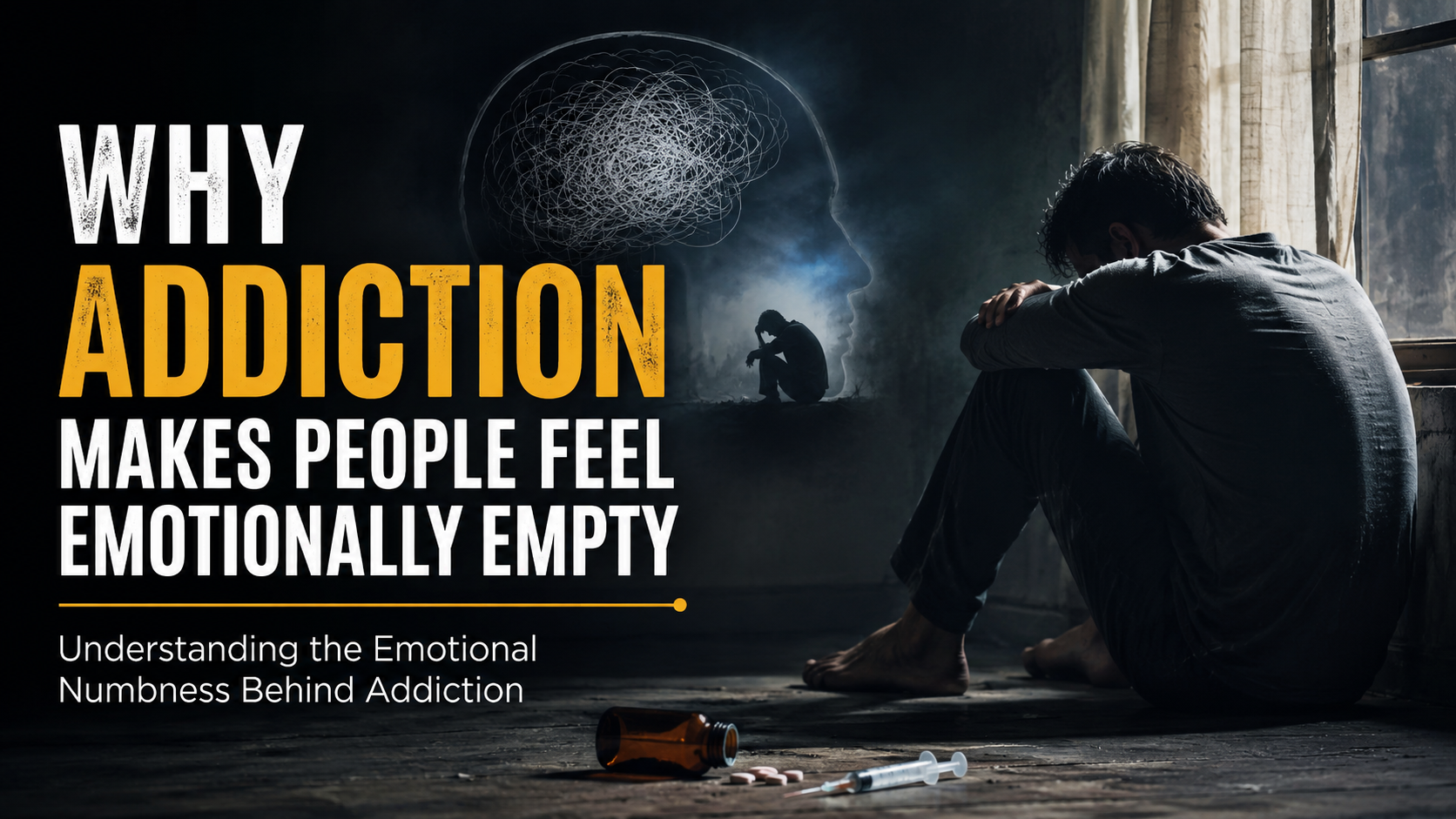
Understanding emotional exhaustion during addiction can also help explain why many individuals begin feeling emotionally disconnected from themselves and others over time. You can also read our article on Why Addiction Makes People Feel Emotionally Empty to better understand how addiction gradually affects emotional wellbeing.
Fear of Judgment Often Increases Isolation
Fear of judgment also plays a major role in why many people stop asking for help. Some individuals worry about disappointing family members repeatedly. Others fear being viewed as weak, irresponsible, unstable, or incapable of change. Many people also fear emotional confrontation because discussing addiction openly may force them to confront painful realities they are trying to avoid internally. As a result, emotional avoidance slowly becomes stronger.
People may begin minimizing their struggles, pretending everything is manageable, or emotionally distancing themselves from the people who care about them most. Unfortunately, this isolation often increases emotional loneliness rather than reducing it.
Some People Stop Believing Recovery Is Possible
Repeated emotional struggles can gradually affect hope itself. Some individuals struggling with addiction eventually begin feeling emotionally trapped after repeated relapses, instability, failed recovery attempts, or damaged relationships. Over time, hopelessness may slowly replace motivation.
Instead of thinking: “I need help,”
some individuals begin believing: “Nothing will really change anyway.”
This emotional surrender can become dangerous because hopelessness often reduces the likelihood of seeking treatment, therapy, rehabilitation, or emotional support. For many individuals, addiction becomes emotionally connected not only with unhealthy coping behaviors, but also with feelings of failure and defeat.
Understanding the emotional difficulty of recovery can also help explain why many individuals struggle during the beginning stages of sobriety. You can also read our article on The First 72 Hours of Sobriety to better understand the emotional and psychological challenges many individuals experience during early recovery.
Addiction Can Affect Emotional Trust
Another reason asking for help becomes difficult is because addiction may gradually affect emotional trust and communication. Some individuals feel misunderstood by the people around them. Others become emotionally guarded after experiencing criticism, conflict, disappointment, or broken trust inside relationships. Over time, emotional vulnerability may begin feeling unsafe.
Instead of opening up honestly, some people begin hiding emotions, avoiding difficult conversations, or pretending they are emotionally fine even while struggling internally. This emotional avoidance often creates additional distance between the individual and the people trying to support them.
Understanding emotional isolation during addiction can also help explain why many individuals gradually withdraw from relationships over time. You can also read our article on Why Addicted People Push Away the People Who Care About Them to better understand how addiction affects emotional connection and communication.
Recovery Often Begins When Emotional Safety Returns
One important part of recovery is helping individuals feel emotionally safe enough to ask for support again. Therapy, rehabilitation, emotional support, healthier communication, and nonjudgmental environments can help people gradually rebuild trust and emotional openness over time.
For many individuals, recovery does not begin with sudden confidence or motivation. Sometimes recovery begins simply when someone finally feels emotionally safe enough to admit:
“I’m struggling.”
This is one reason compassionate support often matters more than criticism during recovery conversations. People struggling with addiction frequently already carry significant emotional guilt internally. Feeling emotionally understood and supported may help reduce some of the fear and shame that keeps isolation growing stronger.
Asking for Help Does Not Mean Weakness
One of the most harmful beliefs many individuals carry during addiction is the idea that asking for help means weakness or failure. In reality, recovery often requires enormous emotional honesty and vulnerability.
Acknowledging emotional pain, seeking treatment, entering rehabilitation, attending therapy, or speaking openly about addiction can feel extremely difficult psychologically, especially after long periods of emotional isolation. Many individuals who eventually begin recovery describe asking for help as one of the hardest emotional steps they ever took.
Frequently Asked Questions
Why do people with addiction isolate themselves?
Many individuals isolate themselves because of shame, emotional exhaustion, hopelessness, fear of judgment, or difficulty discussing their struggles openly.
Why does asking for help feel difficult during addiction?
Addiction can affect emotional trust, confidence, self-worth, and communication, making vulnerability feel emotionally overwhelming over time.
Can emotional support help addiction recovery?
Yes. Emotional support, therapy, rehabilitation, and healthier communication can help individuals gradually feel safer seeking help and rebuilding recovery.
Does shame affect addiction recovery?
Yes. Shame often increases emotional withdrawal, hopelessness, and isolation, which may make recovery feel more difficult psychologically.
Why do some people stop believing recovery is possible?
Repeated struggles, relapse experiences, emotional exhaustion, and damaged self-worth may gradually reduce hope and motivation over time. Addiction often affects far more than physical health alone. Over time, shame, emotional exhaustion, hopelessness, fear of judgment, and damaged self-worth may gradually make asking for help feel emotionally difficult or even impossible for some individuals.
With emotional support, therapy, rehabilitation, healthier communication, and compassionate recovery environments, many people slowly begin rebuilding emotional trust and learning that recovery does not have to happen alone.