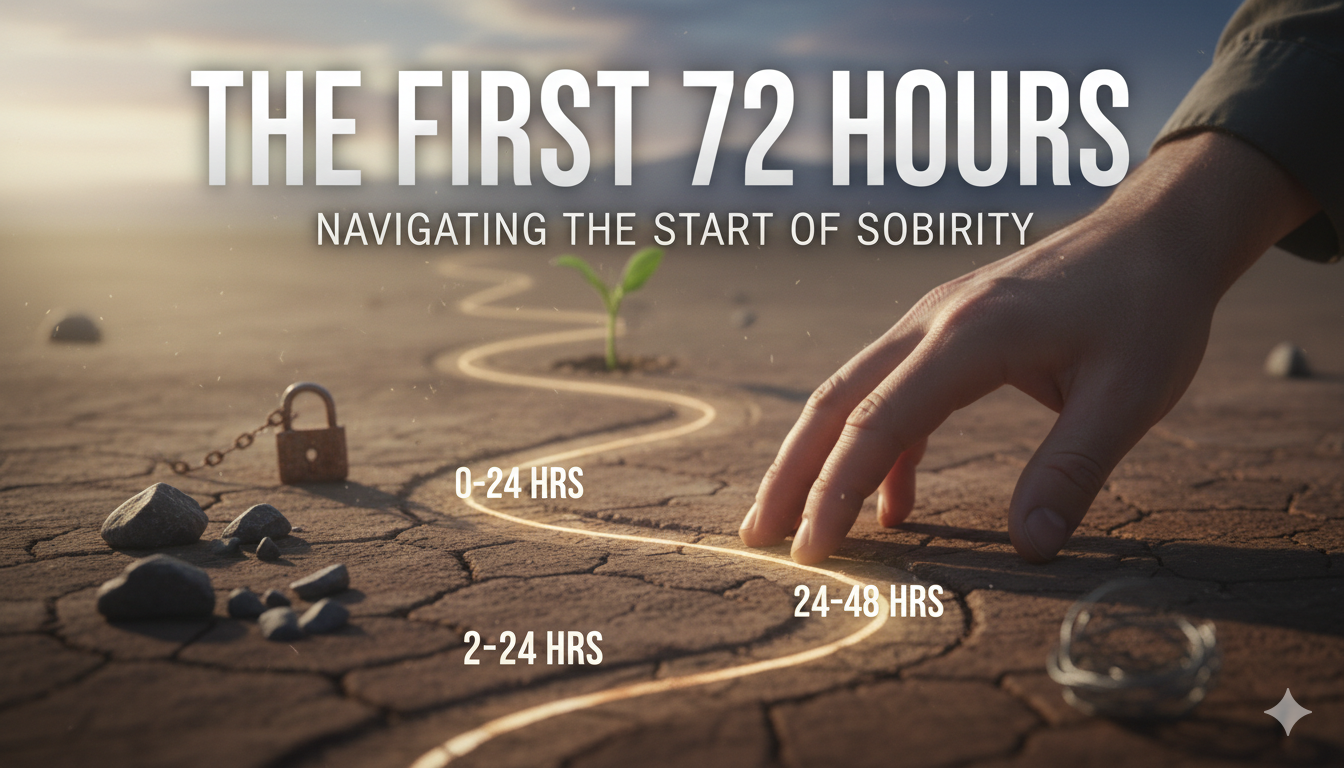
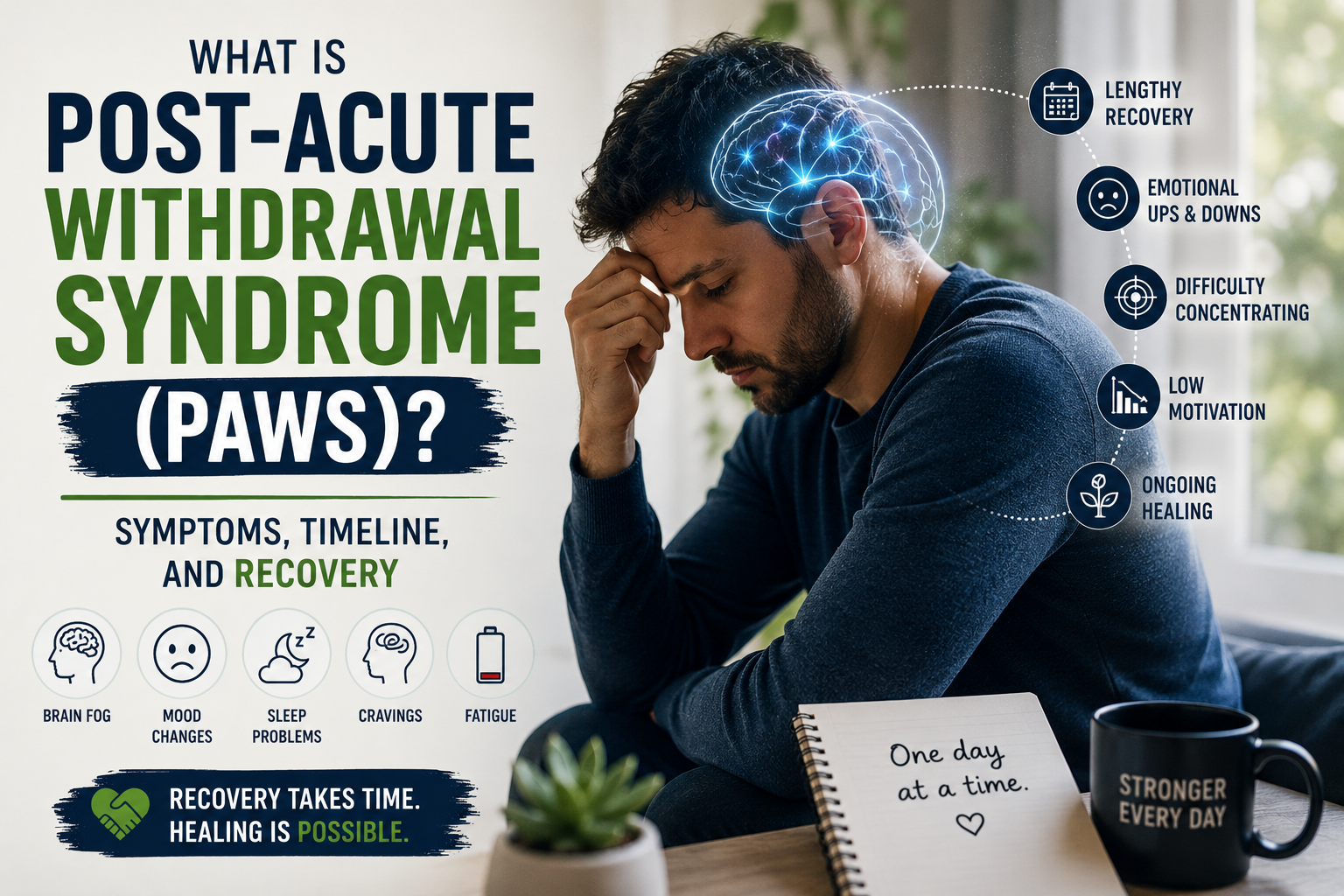
Post-Acute Withdrawal Syndrome (PAWS) refers to a period of ongoing symptoms that some people may experience after the acute phase of drug or alcohol withdrawal has ended. While detoxification addresses the immediate physical effects of stopping a substance, recovery of the brain and body can continue for much longer.
A person may no longer experience severe acute withdrawal symptoms but still struggle with problems such as mood changes, poor sleep, difficulty concentrating, low motivation, anxiety, or intermittent cravings. This can be confusing. Someone may think:
“I stopped using drugs. Why don’t I feel normal yet?”
Understanding PAWS can help people recognize that recovery is often a gradual process. However, persistent or severe symptoms should always be assessed by a qualified healthcare professional, as they may have causes other than withdrawal.
Acute Withdrawal vs Post-Acute Withdrawal
Withdrawal is often discussed as if it is a single event, but recovery can involve different stages. Acute withdrawal generally refers to the immediate symptoms that occur after reducing or stopping a substance. Depending on the substance, these symptoms may include sweating, nausea, tremors, agitation, sleep problems, and other physical or psychological effects.
For some people, symptoms improve after the acute phase. Others may experience longer-lasting difficulties that fluctuate over time. This later period is often described as Post-Acute Withdrawal Syndrome (PAWS). The difference is important because completing detox does not necessarily mean that every recovery-related symptom immediately disappears.
This is one reason why detoxification and long-term rehabilitation serve different purposes. Detox may help someone safely manage the initial withdrawal period, while rehabilitation focuses more broadly on psychological, behavioral, and lifestyle recovery.
Common Symptoms Associated With PAWS
PAWS can look different from person to person. Symptoms may also vary depending on the substance used, duration of use, mental health, sleep, stress, and other medical factors. Some commonly reported symptoms include:
- Difficulty concentrating or “brain fog”
- Problems with memory
- Mood changes and irritability
- Anxiety or emotional sensitivity
- Low motivation
- Sleep disturbances
- Fatigue
- Difficulty experiencing pleasure
- Intermittent drug or alcohol cravings
- Feeling emotionally overwhelmed
One of the most difficult aspects of PAWS is that symptoms may not remain constant. A person might feel relatively well for several days and then suddenly experience a difficult period. That fluctuation can make people fear that recovery is failing when, in reality, recovery is rarely a perfectly straight line.
Why Does PAWS Happen?
Long-term substance use can affect systems involved in stress, reward, sleep, mood, and cognitive function. When a substance is removed, the brain and body need time to adapt to functioning without it. This adjustment process may contribute to lingering symptoms in some individuals.
For example, someone who previously relied on a substance to manage stress may feel emotionally vulnerable after quitting. Another person may struggle with sleep because their body has become accustomed to using a substance that affected their sleep patterns. The recovery process also involves learning new ways to cope with emotions and daily challenges. This is why PAWS should not be viewed as simply “withdrawal continuing.” Recovery can involve biological, psychological, and behavioral adjustment happening at the same time.
How Long Does Post-Acute Withdrawal Syndrome Last?
There is no single PAWS timeline that applies to everyone. Some people experience lingering symptoms for weeks, while others report difficulties that continue intermittently for months. The duration can depend on factors such as:
- The type of substance used
- Duration and intensity of substance use
- Overall physical health
- Mental health conditions
- Sleep quality
- Stress levels
- Access to treatment and support
It is important not to become discouraged by timelines found online. Recovery should not be measured against another person’s experience. Rather than asking, “Why am I not completely normal yet?”, it can be more helpful to ask, “Am I gradually building healthier patterns and receiving the support I need?”
Why PAWS Can Increase the Risk of Relapse
One of the biggest challenges of prolonged recovery symptoms is frustration. A person may successfully stop using drugs or alcohol but continue experiencing anxiety, poor sleep, boredom, emotional instability, or cravings. Eventually, they may begin remembering substance use as a quick solution. This is where relapse risk can increase.
Someone may not necessarily want to return to addiction. They may simply want relief from uncomfortable feelings. Understanding this pattern can help individuals and families prepare for difficult periods rather than interpreting them as personal failure.
PAWS and the Problem of Low Motivation
Low motivation is a common complaint during early recovery. Someone may stop using drugs and expect to immediately feel energetic and enthusiastic about life. Instead, ordinary activities can feel boring or unrewarding. This can happen for many reasons. During recovery, the brain may still be adjusting to experiencing pleasure and reward without substances. At the same time, a person may be facing responsibilities they avoided during addiction. Motivation often returns gradually as people begin developing routines, relationships, goals, and activities that create natural sources of satisfaction.
Sleep Problems During PAWS
Sleep can be particularly affected during recovery. Difficulty falling asleep, disrupted sleep, unusual dreams, or waking frequently can leave someone exhausted during the day. Poor sleep can then worsen irritability, concentration problems, and emotional stress. This can create a difficult cycle. Someone sleeps poorly, feels emotionally overwhelmed, struggles to concentrate, and then becomes more vulnerable to cravings. Healthy sleep habits can support overall recovery, although persistent sleep problems should be discussed with a healthcare professional.
How Is PAWS Managed During Recovery?
There is no universal solution because recovery needs vary between individuals. However, a structured recovery plan can help people manage prolonged symptoms more effectively. Professional support may include addiction treatment, counseling, mental health care, medical assessment, and relapse-prevention planning when appropriate.
Daily lifestyle habits can also support overall well-being. Regular sleep patterns, balanced nutrition, physical activity, meaningful routines, and supportive relationships can create greater stability during recovery. The goal is not to eliminate every uncomfortable feeling immediately. It is to develop healthier ways of responding to discomfort without returning to substance use.
What Families Should Understand About PAWS
Families may become confused when someone completes detox but still seems emotionally unstable or mentally exhausted. They might assume: “The drugs are out of their system, so why are they still struggling?” Recovery is more complex than simply removing a substance from the body. Family support can be valuable when it combines patience with healthy boundaries.
Instead of expecting immediate transformation, families can recognize gradual progress. At the same time, persistent symptoms should not automatically be dismissed as PAWS. Depression, anxiety, medical conditions, medication effects, and other concerns may require separate assessment.
What We Often Observe During Recovery
Recovery is rarely experienced as steady improvement every day. Some days may feel productive and hopeful, while others may involve tiredness, irritability, cravings, or emotional difficulty. The important thing is to look at progress over longer periods rather than judging recovery based on one difficult day.
Someone who previously responded to discomfort by using drugs may gradually learn to tolerate difficult emotions, talk about problems, attend counseling, exercise, pray, or seek support instead. These behavioral changes are important signs of recovery, even when a person does not yet feel completely well.
When Should Someone Seek Professional Help?
PAWS-like symptoms should not be self-diagnosed automatically. Seek professional assessment when symptoms are severe, persistent, worsening, or significantly interfering with daily functioning. Urgent medical help is particularly important for severe withdrawal symptoms, confusion, seizures, hallucinations, suicidal thoughts, or other serious symptoms.
Different substances can produce very different withdrawal patterns, and some forms of withdrawal can be medically dangerous. A professional assessment can help determine whether symptoms are related to withdrawal, an underlying mental health condition, another medical issue, or a combination of factors.
Final Thoughts
Post-Acute Withdrawal Syndrome (PAWS) helps explain why recovery may continue to feel challenging even after the immediate withdrawal period has ended. Lingering symptoms such as poor sleep, mood changes, low motivation, concentration difficulties, and cravings can make people feel discouraged. However, difficult days do not automatically mean that recovery is failing. Healing often takes time.
The most important approach is to combine patience with proper support, healthy routines, and professional guidance when needed. Recovery is not measured by how quickly someone feels “normal.” It is measured through the gradual development of a healthier and more stable life without dependence on substances.
Frequently Asked Questions About PAWS
What is Post-Acute Withdrawal Syndrome (PAWS)?
Post-Acute Withdrawal Syndrome refers to longer-lasting symptoms that some people experience after the acute withdrawal phase has ended. These may include sleep problems, mood changes, fatigue, difficulty concentrating, and cravings.
How long does PAWS last?
There is no fixed timeline. Symptoms may last for weeks or occur intermittently over months, depending on the individual and factors such as substance use history and overall health.
Is PAWS the same as acute withdrawal?
No. Acute withdrawal generally refers to the immediate symptoms that occur after stopping or reducing a substance. PAWS describes longer-lasting symptoms that may continue after the acute phase.
Can PAWS cause relapse?
PAWS symptoms may increase vulnerability to relapse because ongoing discomfort, stress, sleep problems, or cravings can become difficult to manage. A structured recovery plan can help reduce this risk.
Does everyone experience PAWS?
No. Recovery experiences vary significantly. Not everyone develops prolonged symptoms, and persistent symptoms can have causes unrelated to withdrawal.
Can exercise help with PAWS?
Physical activity may support mood, sleep, stress management, and overall well-being. However, exercise is not a substitute for professional assessment or addiction treatment.
When should I seek help for prolonged withdrawal symptoms?
Seek professional help if symptoms are severe, worsening, persistent, or significantly affecting daily life. Urgent help is needed for serious symptoms such as seizures, hallucinations, confusion, or suicidal thoughts.