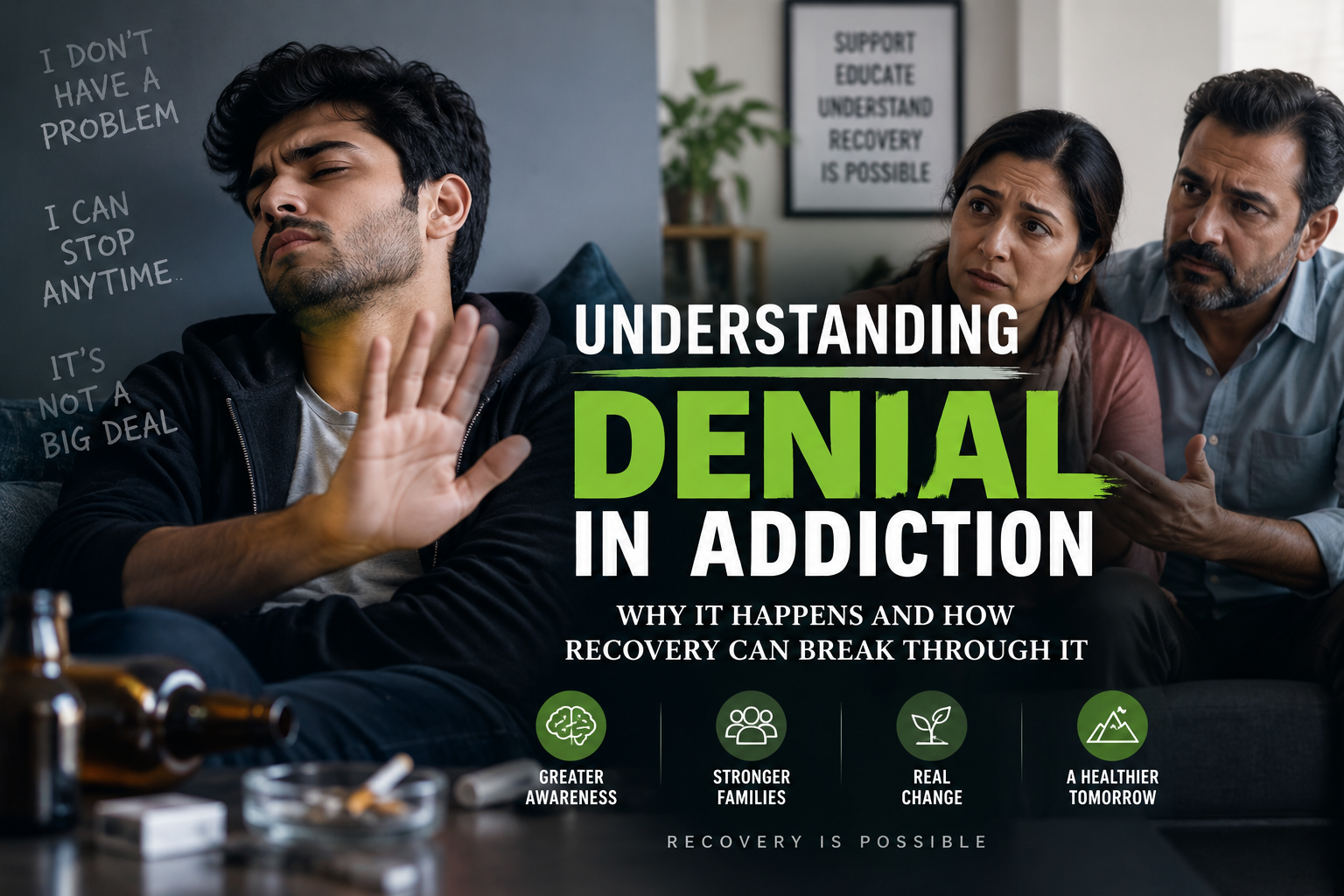
Denial in addiction is one of the reasons a person may struggle to recognize that substance use has become a serious problem. Someone may acknowledge that they use drugs or alcohol but reject the idea that they need treatment or that their substance use is causing significant harm. Families can find this extremely frustrating. They may clearly see changes in health, relationships, finances, work, or behavior while the person continues to say, “I don’t have a problem.”
Denial is not always deliberate lying. It can involve minimizing the seriousness of substance use, rationalizing behavior, avoiding painful information, or genuinely having difficulty recognizing the extent of the problem. Understanding why denial happens can help families and treatment professionals respond more effectively. What Is Denial in Addiction? Denial is a psychological response in which a person has difficulty accepting or acknowledging an uncomfortable reality. In addiction, this may involve statements such as:
“I can stop whenever I want.”
“I only use on weekends.”
“Other people use more than I do.”
“My drug use isn’t affecting my family.”
“I need it because I’m under too much stress.”
Sometimes the person may recognize some consequences but still believe that their substance use is under control. Denial exists on a spectrum. A person may completely reject the possibility of a problem, or they may recognize that something is wrong while underestimating how serious it has become.
Why Does Denial Happen in Addiction?
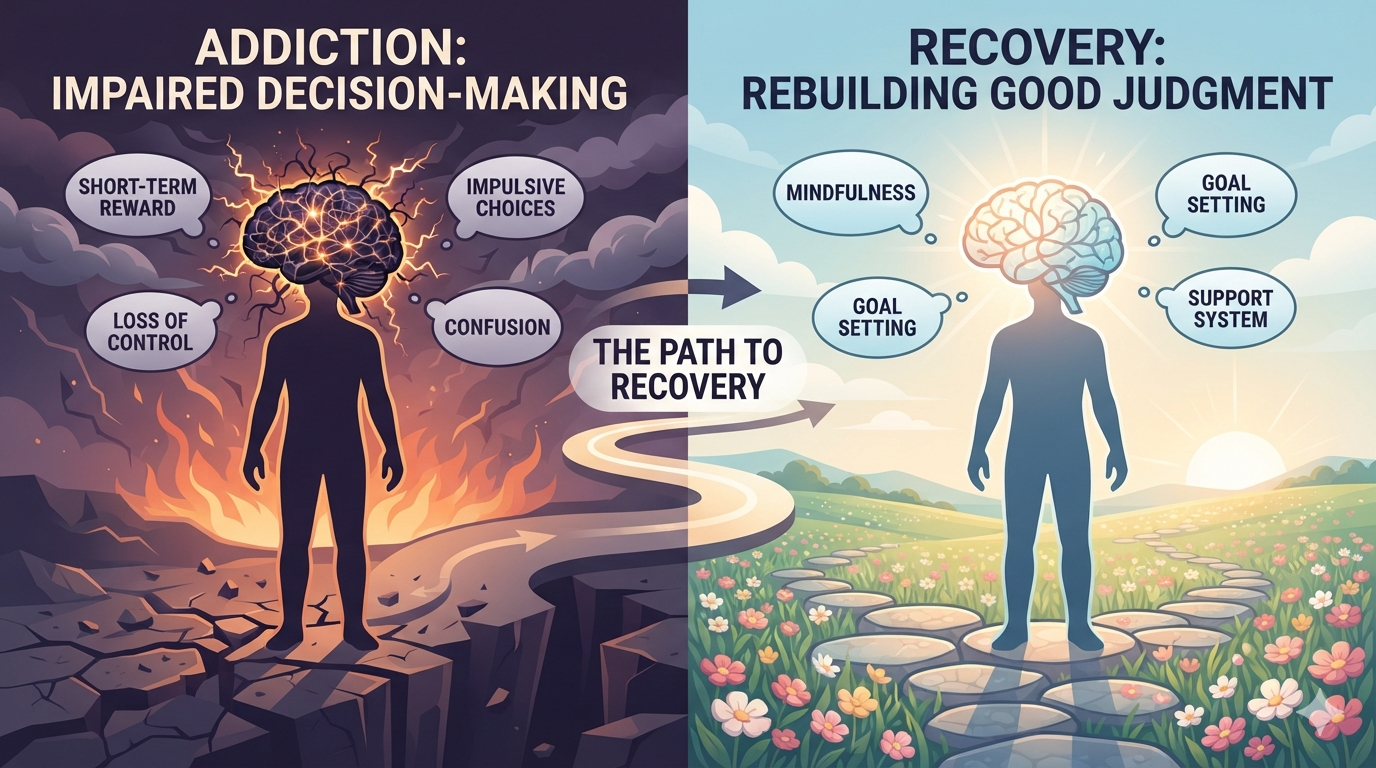
Addiction can involve powerful cravings, changes in reward processing, emotional difficulties, and impaired decision-making. These factors can make it difficult for a person to evaluate their substance use objectively. There can also be strong emotional reasons for avoiding the problem. Admitting that addiction has developed may mean facing painful consequences, damaged relationships, financial problems, or disappointment in oneself. For some people, acknowledging the problem can feel frightening. Denial may temporarily protect the person from those uncomfortable emotions, even though avoiding the problem can allow it to become worse.
Denial Is Not Always Intentional
It is important not to assume that someone who denies having an addiction is deliberately manipulating their family. A person may genuinely believe that their substance use is manageable.They may focus on the fact that they are still working, attending social events, or fulfilling some responsibilities. Because some areas of life appear normal, they may conclude that addiction is impossible. This is sometimes described as high-functioning substance use, although the term itself is not a formal clinical diagnosis. The absence of obvious problems in one area does not necessarily mean that substance use is harmless.
Common Signs of Denial
Denial can appear in different ways. A person might minimize how much they use, compare themselves with people who have more severe substance problems, blame other people for their behavior, or repeatedly explain why their situation is different. Another common pattern is making promises to stop without taking meaningful steps toward change.
Someone may say they will quit after a particular event, after receiving their salary, after a stressful period, or after solving another problem. When the promised stopping point repeatedly moves into the future, it may be useful to look at the overall pattern rather than the explanation given at any single moment.
How Denial Can Delay Treatment
One of the biggest problems with denial is that it can delay professional help. A person may continue using substances while believing that treatment is unnecessary. During this time, health problems, family conflict, financial difficulties, or work-related problems may become more serious. By the time the person accepts that help is needed, addiction may have become more deeply established. Early recognition does not guarantee an easy recovery, but it can create an opportunity to address problems before they become even more complicated.
Denial and Family Conflict
Families often become trapped in arguments about whether someone has an addiction. One person says, “You have a drug problem.” The other responds, “No, I don’t.”
The conversation becomes an argument rather than an opportunity for change. Repeated confrontation can sometimes make the person more defensive. Instead of discussing the underlying behavior, both sides become focused on proving who is right. A more constructive approach is often to discuss specific, observable consequences.
For example:
“You missed work three times this month after using.” This is more concrete than simply saying:
“You’re an addict.” Focusing on behavior can create a more productive conversation.
What Helps Someone Move Beyond Denial?
Breaking through denial usually does not happen because someone wins an argument. Change often begins when the person starts recognizing a connection between substance use and consequences in their own life. Professional counseling can provide a non-judgmental environment where these connections can be explored. A counselor may help the individual examine questions such as:
- What happens before you use?
- What happens after you use?
- Has your substance use affected your relationships?
- Have you tried to stop before?
- What happens when you attempt to control your use?
- What would your life look like if nothing changed?
The purpose is not simply to label the person. It is to help them develop greater awareness of their own behavior.
Motivation Can Change Over Time
A person does not necessarily have to fully accept that they have an addiction before beginning every form of treatment. Motivation can develop gradually. Someone may initially enter treatment because of pressure from family, work, legal circumstances, or health concerns. Over time, they may begin recognizing personal reasons for change. This is one reason treatment professionals often focus on helping individuals explore their own goals rather than relying entirely on confrontation.
The question can gradually shift from:
“Do I have a problem?”
to:
“Is my current way of living giving me the life I want?” That change in perspective can be meaningful.
What We Often Observe in Recovery
During treatment, awareness can develop gradually. A person who initially blames everyone else for their situation may begin recognizing their own patterns. They may start connecting substance use with missed responsibilities, family conflict, financial problems, or emotional instability. This does not always happen immediately.
Someone may accept one part of the problem while still struggling to acknowledge another. Recovery often involves becoming increasingly honest about behavior without becoming overwhelmed by shame. That distinction matters because recognizing a problem should lead toward constructive change, not hopelessness.
Denial Is Different From Shame
Denial and shame can sometimes reinforce each other. A person may deny a problem because acknowledging it brings painful feelings of guilt or shame. At the same time, continued denial can lead to more consequences, which can create even more shame. This can become a cycle. Breaking the cycle requires honesty combined with support.The goal is not to make someone feel worse about their past. The goal is to help them understand what happened and begin making different choices.
How Families Can Respond
Families cannot force someone to become ready for recovery, but they can respond in ways that encourage accountability. Avoid covering up repeated consequences, providing money that supports substance use, or repeatedly making excuses for harmful behavior. At the same time, avoid turning every conversation into an accusation. Clear boundaries can be combined with genuine support.
For example:
“We care about you and want to help you get treatment, but we cannot continue supporting behavior that is harming you and the family.” Specific boundaries are often more useful than repeated arguments.
When Professional Help Is Needed
If substance use is affecting health, relationships, employment, finances, or daily functioning, a professional assessment can help determine the appropriate level of care. Treatment may involve medical assessment, detoxification when necessary, counseling, behavioral therapies, medication when clinically appropriate, family support, and rehabilitation. A person does not have to wait until every part of life has fallen apart before seeking help. Early professional support can provide an opportunity to understand what is happening and determine appropriate next steps.
Final Thoughts
Denial in addiction can make recovery more difficult because a person may not recognize the seriousness of their substance use or may minimize its consequences. However, denial is not always simple dishonesty. It can involve psychological defenses, fear, shame, impaired judgment, or difficulty seeing the full impact of substance use.
Arguments rarely solve the problem by themselves. Greater awareness often develops through honest reflection, specific evidence of consequences, supportive conversations, and professional treatment. Recognizing a problem is not a sign of failure. It can be the beginning of recovery.
Frequently Asked Questions
Why do people deny having an addiction?
People may deny addiction because they fear judgment, feel ashamed, believe their substance use is still under control, or have difficulty recognizing how seriously it is affecting their life.
Is denial a sign of addiction?
Denial by itself does not diagnose addiction. However, minimizing substance use or repeatedly dismissing its consequences can occur in people experiencing problematic substance use.
How can you talk to someone who denies their addiction?
Focus on specific behaviors and consequences rather than repeatedly labeling the person. Express concern, listen without unnecessary confrontation, and encourage professional assessment.
Can someone recover if they are still in denial?
Recovery can begin at different levels of readiness. Professional support can help a person explore their substance use and gradually develop greater awareness and motivation for change.
Should families force someone into treatment?
The appropriate response depends on the circumstances, local laws, and the person’s medical and safety needs. Families should seek professional guidance rather than relying solely on confrontation or coercion.
Does denial eventually go away?
It can decrease as a person develops greater awareness and begins recognizing the consequences of substance use. Progress is different for each individual and may take time.