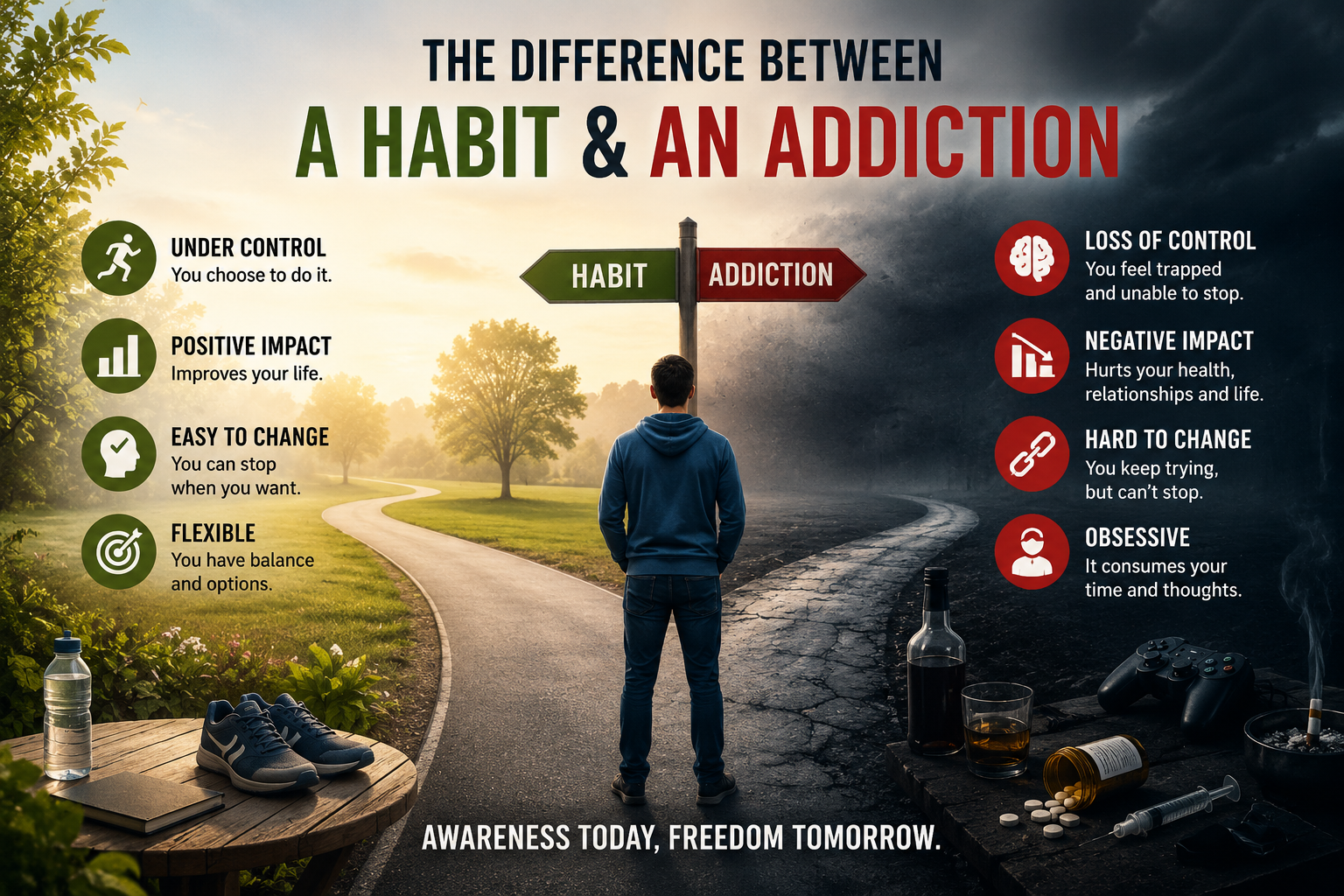
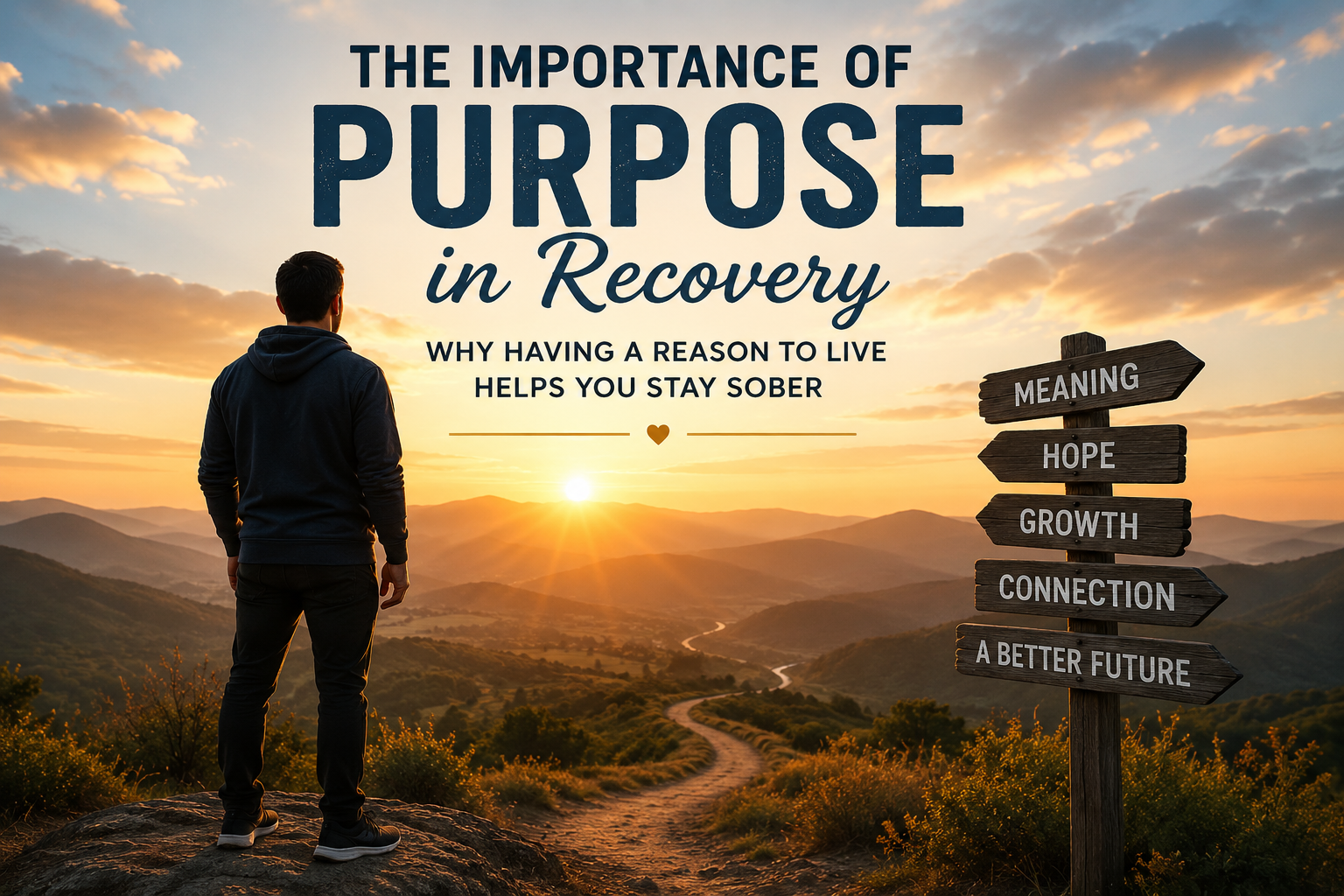
Recovery is often described as the process of quitting drugs or alcohol. While becoming sober is an essential first step, it is only the beginning of a much larger journey. Many people discover that after the cravings begin to fade and daily life becomes more stable, a different question starts to emerge:
“What am I living for now?” This question is more important than it may seem.
For months or even years, addiction often becomes the center of a person’s life. It influences daily routines, relationships, decisions, and priorities. When addiction is removed, it leaves behind more than empty time—it can leave an empty sense of direction. This is where purpose in recovery becomes essential. Purpose gives people a reason to keep moving forward, especially on difficult days. It helps transform recovery from simply avoiding drugs into building a meaningful and fulfilling life.
Why Recovery Is About More Than Staying Sober
Many people believe recovery ends when drug use stops. In reality, sobriety creates an opportunity to rebuild a life that addiction may have damaged. During active addiction, important areas of life often begin to suffer. Careers may be interrupted, relationships become strained, education is left unfinished, and personal goals are forgotten. Recovery offers a chance to reconnect with those parts of life.
However, rebuilding takes more than determination. It requires direction. Without a sense of purpose, people may begin feeling that something is missing, even if they remain sober. This feeling does not necessarily mean recovery is failing. It often means the next stage of healing has begun.
Why Purpose Matters to the Brain
The human brain is designed to pursue goals. When people work toward something meaningful, whether it is raising a family, learning a new skill, helping others, or building a career, the brain experiences a sense of progress and accomplishment. Addiction interrupts this natural process.
Instead of finding satisfaction through healthy achievements, the brain begins seeking immediate rewards through substances. Recovery gradually reverses this pattern. As the brain heals, meaningful activities begin replacing the temporary rewards that drugs once provided. Purpose becomes one of the strongest sources of natural motivation.
The Empty Feeling Many People Experience
One experience frequently shared by people in recovery is a sense of emptiness. They may no longer want drugs, yet they struggle to feel excited about the future. This stage can be confusing.
Some individuals mistakenly believe something is wrong because life feels ordinary. In reality, this often reflects the brain’s adjustment to living without artificial stimulation. Purpose helps fill the emotional space that addiction once occupied. Instead of focusing only on what has been lost, people begin focusing on what they want to build.
Purpose Looks Different for Everyone
There is no single definition of purpose. For one person, it may mean rebuilding trust with family. For another, it may involve returning to work, completing an education, volunteering, or helping others struggling with addiction.
Some people find purpose in faith. Others discover it through creativity, fitness, parenting, community service, or professional growth. Purpose does not need to be extraordinary. It simply needs to give someone a reason to wake up each morning and continue moving forward.
What We Often Observe in Recovery
One pattern frequently seen in rehabilitation settings is that people who focus only on staying away from drugs sometimes struggle more than those who actively build a new life. Avoiding drugs is important, but avoiding something is different from working toward something. Patients who begin setting goals often become more hopeful.
They talk about repairing relationships, starting businesses, continuing education, or becoming better parents. Their recovery gradually becomes less about the past and more about the future. This shift in mindset can make a significant difference during difficult moments.
Purpose Helps During Difficult Days
Recovery is not free from stress, disappointment, or setbacks. There will still be difficult conversations, financial pressures, emotional struggles, and moments of self-doubt.
During these times, purpose becomes an anchor. A person who has meaningful goals is often more willing to work through temporary discomfort because they understand what they are protecting. Purpose does not eliminate challenges. It makes them easier to endure.
Finding Purpose Is a Process
Many people worry because they do not immediately know what their purpose is after entering recovery. That is completely normal. Purpose is rarely discovered overnight. It often develops gradually through small experiences. Trying a new hobby, helping another person, learning a skill, rebuilding relationships, or simply becoming more present in everyday life can all lead to a stronger sense of meaning.
The important thing is to remain curious rather than discouraged. Purpose grows through action. Waiting for life to suddenly feel meaningful often leads to frustration. Taking small, consistent steps usually creates purpose over time.
Recovery Is About Creating a Life You Don’t Want to Escape
One of the most powerful ideas in addiction recovery is that long-term sobriety becomes easier when people build lives they genuinely enjoy. If recovery feels empty, people may become vulnerable to cravings, boredom, or unhealthy coping behaviors.
On the other hand, when someone has meaningful relationships, satisfying work, personal goals, and a sense of contribution, substances gradually lose much of their appeal. Recovery becomes more than avoiding drugs. It becomes building a life worth protecting.
Final Thoughts
Purpose in recovery is not a luxury. It is an important part of long-term healing. While treatment helps people stop using drugs or alcohol, purpose helps them discover why staying sober matters. It provides motivation during difficult moments, encourages personal growth, and creates hope for the future.
Every person’s purpose will look different, and it may change over time. What matters most is continuing to move toward a life that feels meaningful, healthy, and fulfilling. Recovery is not simply about leaving addiction behind. It is about creating a future that is worth staying sober for.
Frequently Asked Questions (FAQs)
What does purpose in recovery mean?
Purpose in recovery refers to having meaningful goals, values, or relationships that motivate a person to continue living a healthy, substance-free life.
Why is purpose important in addiction recovery?
Purpose gives people a reason to stay committed to recovery. It can improve motivation, build resilience, and reduce the risk of returning to old habits.
How do I find purpose after addiction?
Purpose often develops gradually. Rebuilding relationships, pursuing education, volunteering, working toward career goals, or helping others are common ways people discover meaning during recovery.
Can having a purpose reduce relapse risk?
While purpose alone cannot prevent relapse, it can strengthen motivation and encourage healthier coping strategies during stressful periods.
Is it normal to feel lost after quitting drugs?
Yes. Many people experience uncertainty after addiction because substances previously occupied so much of their lives. Finding purpose is often part of the healing process.
Can purpose change over time?
Absolutely. Purpose evolves as people grow. What feels meaningful early in recovery may change as new opportunities, relationships, and goals develop.