Recovery from addiction does not mean life suddenly becomes stress-free. Bills still need to be paid, relationships still have challenges, and unexpected problems continue to arise. In fact, many people in recovery are surprised to discover that some of their biggest tests come not from drugs themselves but from the pressure of everyday life. This raises an important question: Can stress cause relapse?
The answer is yes. Stress is one of the most common triggers for relapse. However, stress does not automatically lead someone back to drugs or alcohol. The real issue lies in how the brain responds to pressure and whether a person has developed healthy ways to cope with difficult emotions. Understanding the relationship between stress and relapse can help people protect their recovery and better prepare for life’s inevitable challenges.
Why Stress Is Such a Powerful Relapse Trigger
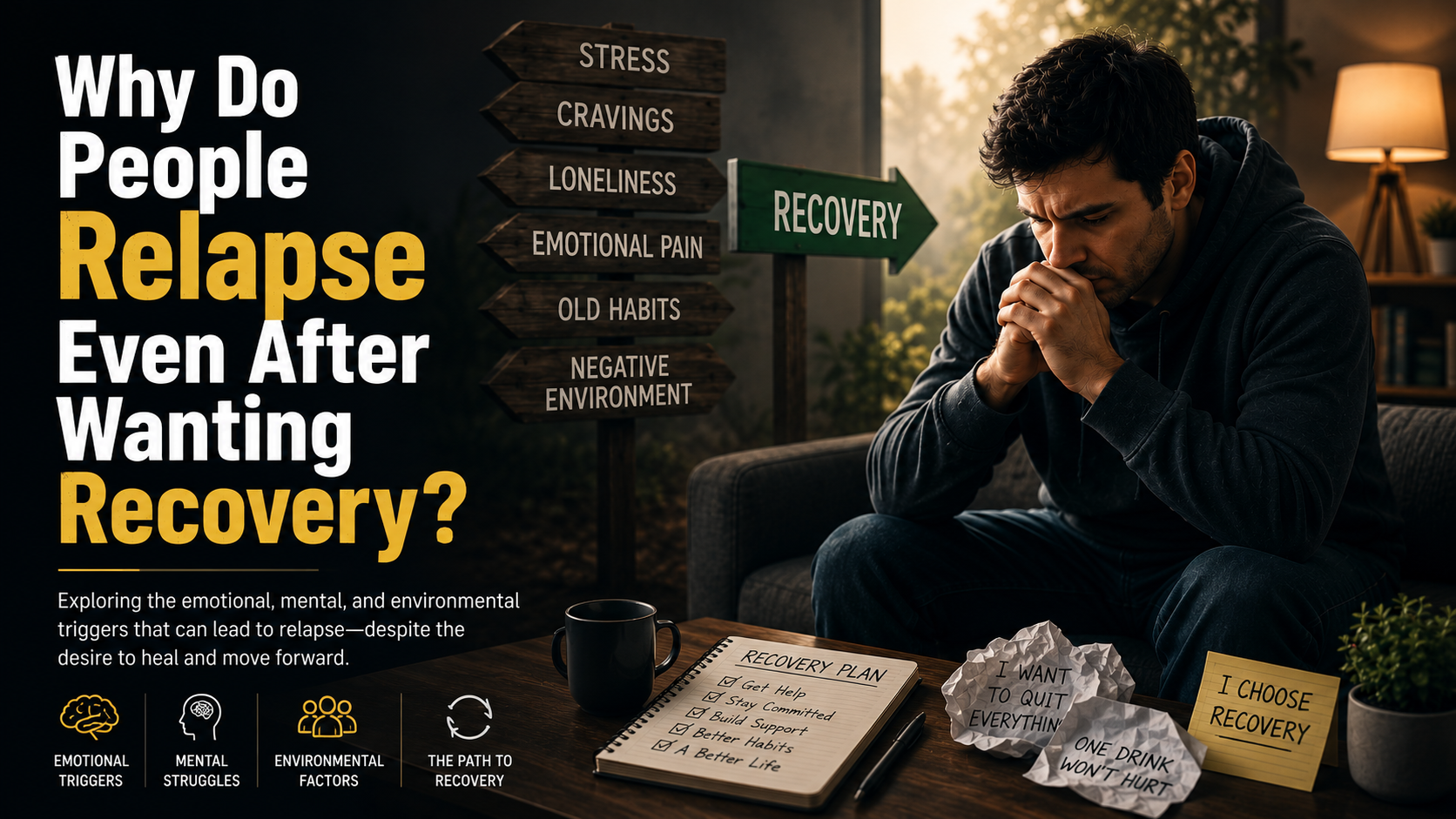
Stress affects everyone, but it can have a particularly strong impact on people recovering from addiction. Many individuals used drugs or alcohol as a way of coping with anxiety, sadness, anger, loneliness, or emotional pain. Over time, the brain learns to associate substances with relief. Even if that relief was temporary and ultimately destructive, the brain remembers it.
When stressful situations arise during recovery, old memories and habits can become activated. A person may suddenly think about using substances again, even after months of sobriety. This does not mean they want to relapse. It simply means the brain is falling back on old coping patterns that were repeated many times in the past.
What Happens in the Brain During Stress?
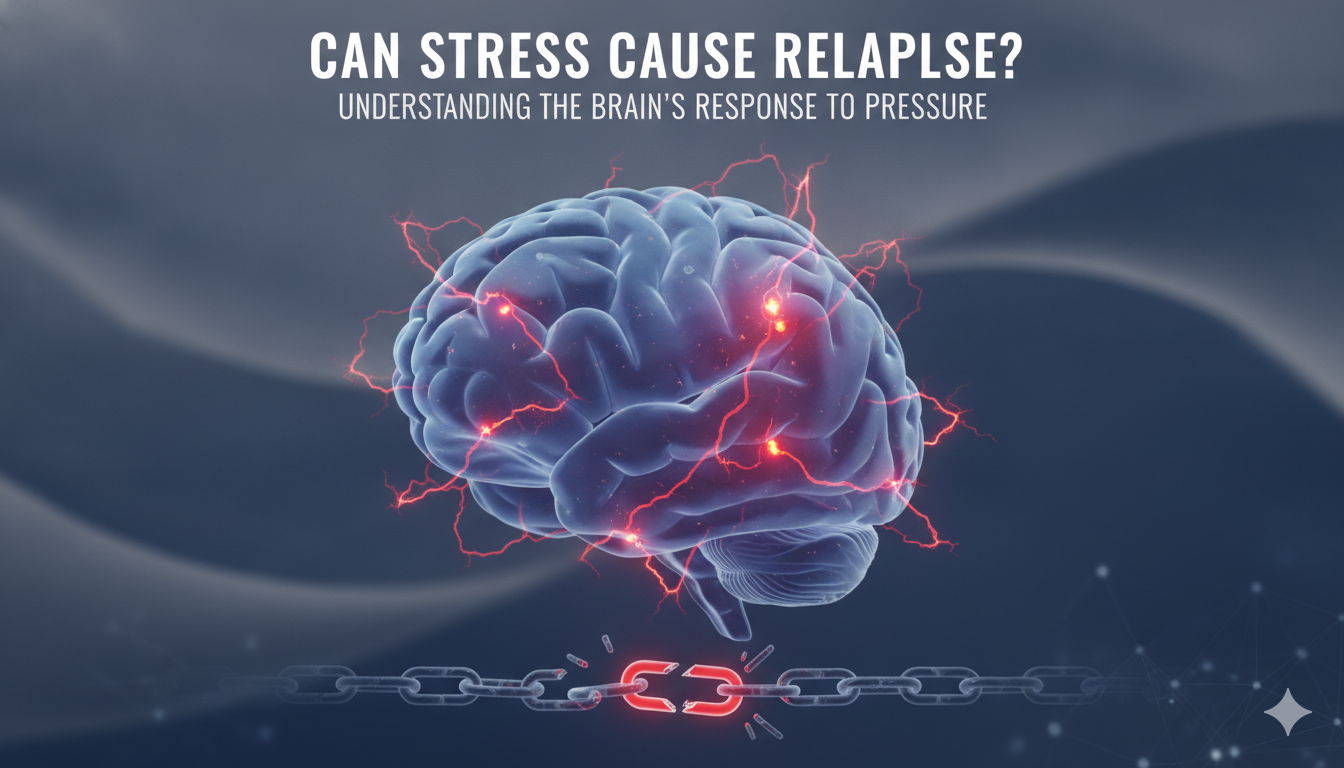
Stress triggers a series of changes inside the body. When a person feels threatened or overwhelmed, the brain releases hormones such as cortisol and adrenaline. These chemicals prepare the body to deal with danger by increasing alertness and energy. In small amounts, this stress response is helpful. It can improve concentration and motivate action. The problem occurs when stress becomes constant or overwhelming.
Chronic stress can interfere with the parts of the brain responsible for judgment, emotional regulation, and decision-making. For someone recovering from addiction, this can make it more difficult to think clearly and resist old habits. At the same time, stress can activate memories of past substance use. The brain remembers that drugs or alcohol once provided temporary comfort and begins seeking that relief again. This is one of the reasons stress can increase the risk of relapse.
Why Stress Often Feels Worse During Early Recovery
Many people notice that ordinary problems seem much harder to handle after they stop using drugs. This experience is extremely common. During active addiction, substances often numb emotions or temporarily distract people from their problems. Once the drugs are removed, those emotions return. In addition, the brain is still healing.
As explained in How Long Does It Take the Brain to Recover Dopamine After Addiction?, recovery involves gradual changes in the brain’s reward and stress systems. During this period, people may feel emotionally sensitive, easily overwhelmed, or less able to cope with pressure. Financial problems, relationship issues, or work stress that once seemed manageable may suddenly feel much heavier. This does not mean recovery is failing. It often means the brain and body are still adjusting to life without substances.
The Hidden Connection Between Stress and Cravings
Stress and cravings are closely linked. A person may not think about drugs for weeks or even months, but after a particularly stressful event, cravings can suddenly reappear. The trigger could be an argument with a family member, losing a job, feeling lonely, or facing financial difficulties. In many cases, it is not the event itself that creates the craving. It is the emotional discomfort that follows.
What We Often Observe in Recovery
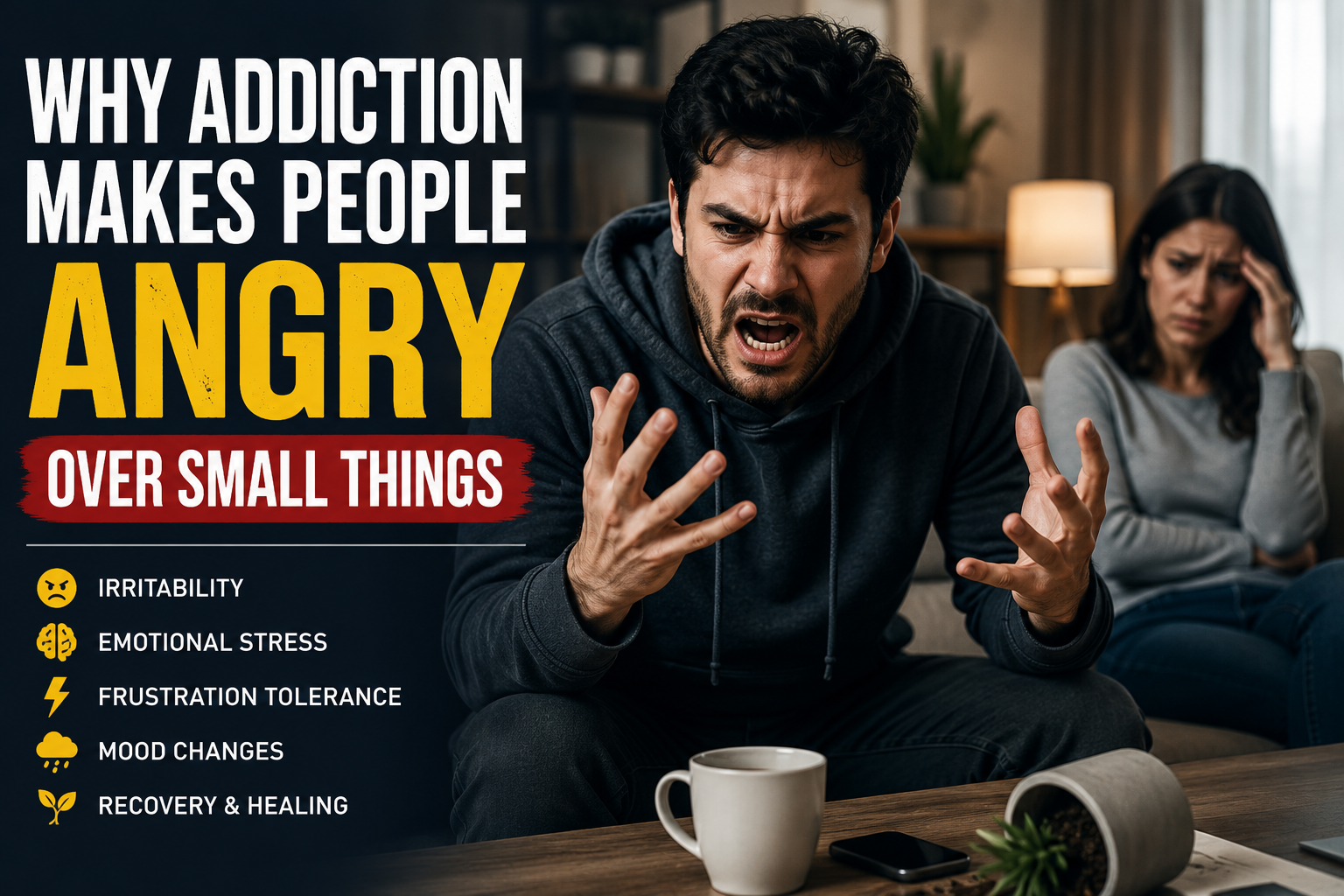
One thing that becomes clear in rehabilitation settings is that people often underestimate the power of stress. Many patients prepare themselves for withdrawal symptoms and cravings, but few expect ordinary life pressures to become such significant challenges. It is common to hear someone say:
“I wasn’t planning to use again. I was just overwhelmed.”
An argument at home, problems at work, or emotional exhaustion can slowly wear down healthy coping mechanisms. The relapse usually does not begin with the substance itself. It begins with unmanaged stress. Understanding this can help people recognize warning signs before they become dangerous.
Learning to Handle Stress Without Returning to Drugs
Stress cannot be completely eliminated from life. The goal of recovery is not to avoid stress forever but to respond to it differently. Developing healthy coping strategies can significantly reduce the risk of relapse. Some of the most helpful approaches include:
- Building a structured daily routine.
- Staying connected to supportive friends, family, or recovery groups.
- Exercising regularly to reduce tension and improve mood.
- Getting enough sleep and maintaining healthy habits.
- Speaking with a counselor or therapist when problems become overwhelming.
Recovery Is About Building Resilience
One of the most important lessons in recovery is that stressful situations will always exist. There will be disappointments, setbacks, losses, and difficult days.
The difference is that recovery teaches people new ways of dealing with those experiences. Over time, individuals begin to develop resilience. They learn that stress can be managed without drugs or alcohol. They discover healthier ways to seek comfort, solve problems, and regulate emotions. This process does not happen overnight, but it becomes easier with practice and support.
Final Thoughts
Stress and relapse are closely connected because stress affects the brain systems involved in emotion, decision-making, and reward. For people recovering from addiction, periods of intense pressure can trigger cravings and increase vulnerability to old behaviors. However, stress does not automatically lead to relapse.
Understanding how the brain responds to stress allows individuals to prepare for difficult situations instead of being caught off guard by them. Recovery is not about creating a life without problems. It is about developing the skills and support needed to face those problems without returning to substances. With patience, healthy coping strategies, and a strong support system, people can learn to manage stress and continue moving forward in recovery.
Frequently Asked Questions (FAQs)
Can stress cause relapse?
Yes. Stress is one of the most common triggers for relapse because it can increase cravings and reactivate old coping patterns associated with substance use.
Why does stress trigger drug cravings?
Stress can activate memories of past substance use and make the brain seek relief from emotional discomfort, which may lead to cravings.
Is relapse caused by one stressful event?
Usually not. Relapse often develops gradually through emotional distress, poor coping strategies, and increasing vulnerability over time.
How can I manage stress during recovery?
Maintaining a routine, exercising, seeking support, practicing mindfulness, and speaking with a counselor can all help manage stress in healthy ways.
Does everyone experience stress during recovery?
Yes. Stress is a normal part of life and recovery. The key is learning how to respond to it without returning to drugs or alcohol.