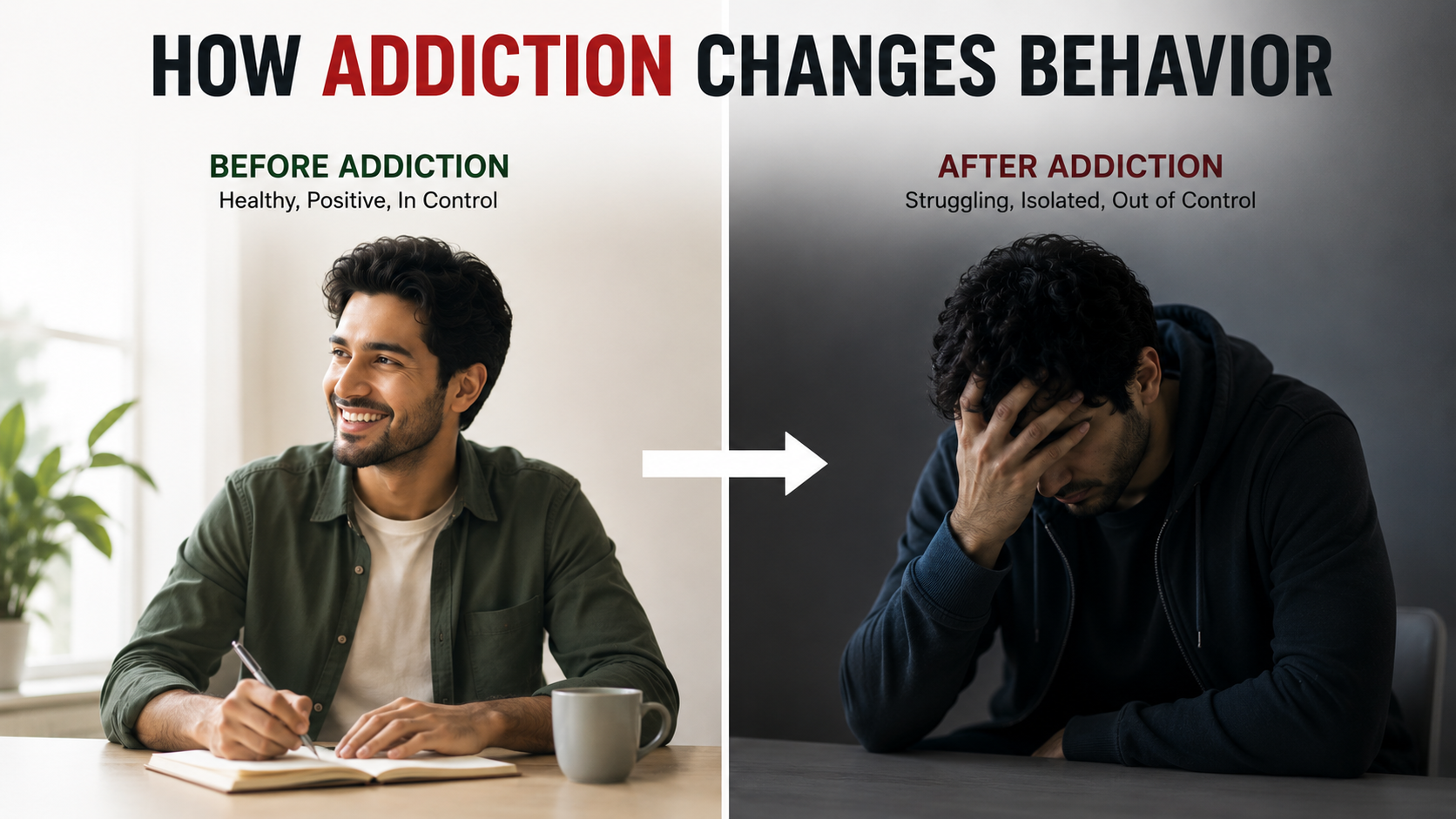
One of the most painful parts of addiction is that the changes often happen gradually. Families usually do not notice everything at once. Instead, behavior, emotions, communication, and daily routines may slowly begin changing over time until loved ones eventually realize the person no longer feels emotionally the same as before.
Many people struggling with addiction are not “bad” people or intentionally trying to hurt others. In many cases, addiction slowly changes emotional regulation, coping behavior, decision-making patterns, motivation, and psychological stability in ways that become difficult to control without proper support or treatment.
For families, these changes can feel confusing and emotionally exhausting. Someone who was once emotionally present, responsible, caring, or socially connected may slowly become withdrawn, secretive, emotionally unstable, or disconnected from relationships and responsibilities. Understanding these behavioral changes more realistically can help families recognize addiction earlier while also understanding that addiction often affects psychological functioning far beyond substance use itself.
Addiction Often Changes Emotional Responses First
One of the earliest changes families sometimes notice is emotional instability. Some individuals become more irritable, emotionally reactive, impatient, defensive, or emotionally distant over time. Others begin isolating themselves emotionally, avoiding conversations, or losing interest in activities and relationships that previously mattered to them.
These emotional changes do not always happen because the individual suddenly stopped caring about others. Addiction often affects emotional coping patterns and psychological regulation gradually. Stress, cravings, shame, emotional dependency, and mental exhaustion can slowly increase emotional instability.
In some cases, people begin using substances as a way to temporarily escape emotional pressure, anxiety, loneliness, or internal distress. Over time, emotional regulation may become increasingly dependent on substance use rather than healthy coping mechanisms. This is one reason addiction frequently affects relationships long before families fully understand what is happening underneath the surface.
Daily Routines and Responsibilities May Slowly Decline
Addiction can also gradually affect consistency and motivation in everyday life. Some individuals begin struggling with work responsibilities, sleep routines, financial stability, social commitments, or personal hygiene. Others may lose interest in long-term goals, hobbies, or future planning that once gave their life structure and meaning.
Families often notice that promises become less reliable over time. Plans may repeatedly change, responsibilities may be avoided, and emotional unpredictability can slowly create tension inside relationships. These changes are not always immediate. In many situations, addiction develops slowly enough that loved ones initially explain the behavior as stress, emotional burnout, temporary pressure, or personality changes.
Understanding the early emotional and psychological impact of addiction can also help families recognize why recovery becomes emotionally difficult later on. You can also read our article on The First 72 Hours of Sobriety to better understand the emotional adjustment many individuals experience during early recovery.

Secrecy and Isolation Often Increase Over Time
As addiction progresses, many individuals begin becoming more emotionally guarded or secretive. Some people avoid discussing where they have been, who they spend time with, or how they are emotionally feeling. Others isolate themselves socially and begin spending less time with friends, family members, or supportive environments.
This emotional withdrawal can become painful for loved ones because communication often starts feeling emotionally different. Conversations may become shorter, defensive, emotionally disconnected, or unpredictable. In many cases, secrecy develops because individuals feel shame, fear of judgment, emotional pressure, or anxiety about being confronted regarding substance use or behavioral changes.
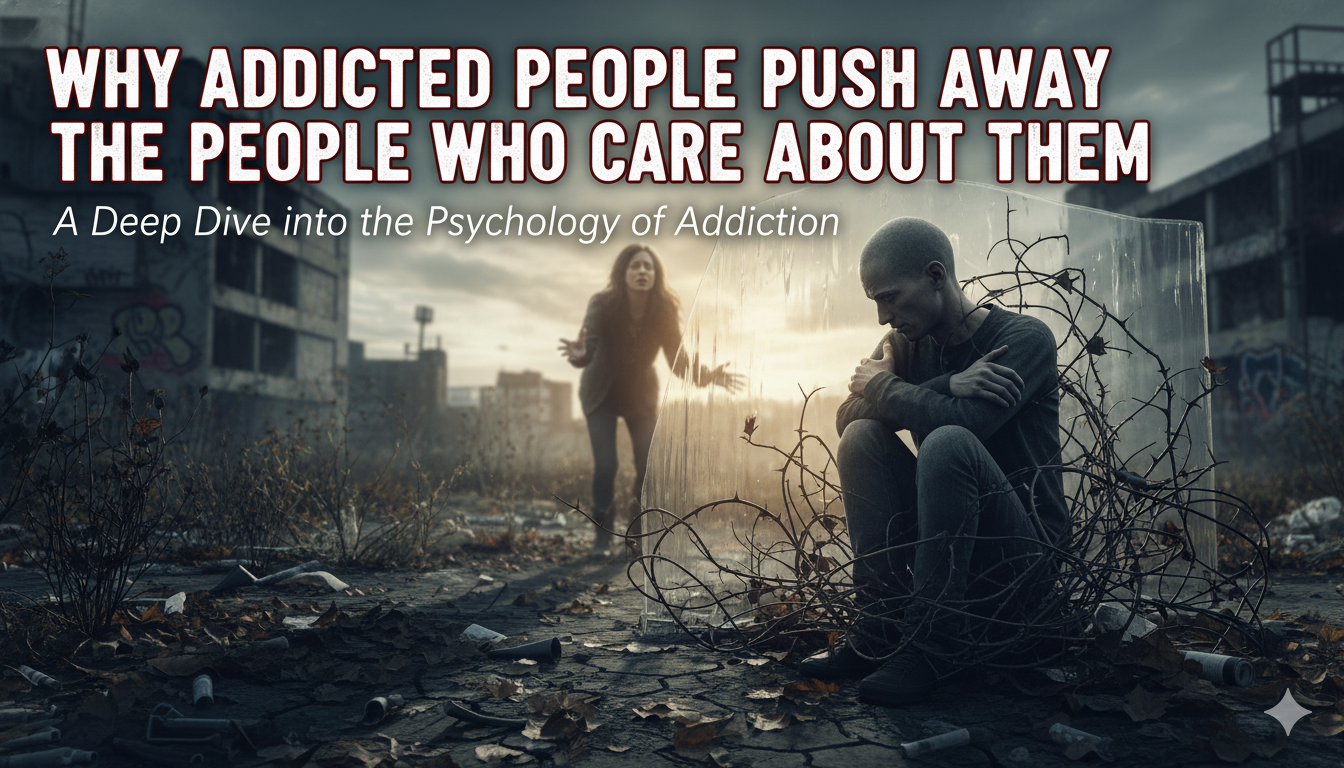
Families sometimes interpret this withdrawal as intentional rejection, but addiction often creates complicated emotional conflict internally. Many individuals struggling with addiction continue caring deeply about their loved ones while simultaneously feeling emotionally trapped by their behavior and dependency.
Addiction Can Affect Decision-Making and Judgment
One of the most difficult realities of addiction is how it can gradually affect decision-making patterns. Some individuals begin taking risks they normally would have avoided before addiction developed. Others struggle with impulsive behavior, emotional reactions, financial instability, dishonesty, or repeated decisions that damage trust inside relationships.
From the outside, families sometimes become frustrated because the behavior may appear irrational or self-destructive. However, addiction can significantly affect emotional judgment, impulse control, stress regulation, and reward-processing systems over time.
This is one reason individuals may continue using substances even after experiencing serious emotional, social, financial, or health-related consequences. Addiction often becomes psychologically complicated long before people fully understand how deeply dependency has affected their emotional and behavioral functioning.
Relationships Often Become Emotionally Exhausted
Addiction rarely affects only one person emotionally. Over time, family members, partners, parents, and close friends may begin experiencing emotional exhaustion themselves. Communication may become tense, trust may weaken, arguments may increase, and emotional distance can slowly grow inside relationships.
Many families struggle between wanting to help and feeling emotionally overwhelmed at the same time. Some individuals battling addiction may genuinely want recovery while still struggling emotionally with cravings, shame, stress, or psychological dependency. You can also read our article on Why Do People Relapse Even After Wanting Recovery? to better understand why emotional struggles can continue affecting recovery even after someone wants change.

Behavioral Changes Can Continue Without Treatment
Without proper intervention or support, addiction-related behavioral changes often become more severe over time. Some individuals become increasingly isolated, emotionally unstable, impulsive, or psychologically dependent on substances as emotional coping mechanisms. Others begin experiencing worsening mental health difficulties alongside addiction itself.
This is why professional rehabilitation, therapy, emotional support, and structured recovery programs can become extremely important before behavioral and emotional instability continue progressing further. Recovery is not only about stopping substances physically. It also involves rebuilding healthier emotional coping patterns, improving psychological stability, restoring relationships, and gradually reconnecting with healthier routines and personal identity.
Recovery Often Involves Rebuilding Emotional Stability
Many individuals entering rehabilitation eventually realize that recovery requires much more than physical sobriety alone. Emotional regulation, communication, stress management, self-awareness, accountability, and healthier coping strategies all become important parts of long-term recovery.
Families may also need emotional education and support to better understand addiction psychologically instead of viewing every behavioral change only as intentional manipulation or lack of care. Recovery can take time emotionally for both individuals and families affected by addiction.
Frequently Asked Questions
How does addiction affect behavior?
Addiction may gradually affect emotional regulation, communication, motivation, relationships, decision-making, routines, and psychological stability over time.
Why do people with addiction become emotionally distant?
Many individuals struggling with addiction experience shame, emotional stress, secrecy, psychological dependency, or emotional withdrawal that affects communication and relationships.
Can addiction change someone’s personality?
Addiction can influence emotional behavior, mood, coping patterns, and social functioning, which may make individuals seem emotionally different over time.
Why do families struggle emotionally during addiction?
Addiction often creates stress, emotional exhaustion, communication problems, trust issues, and psychological strain for family members and loved ones.
Can behavioral changes improve during recovery?
Yes. With rehabilitation, therapy, emotional support, and structured recovery programs, many individuals gradually rebuild healthier emotional and behavioral functioning over time. Addiction often changes behavior gradually rather than suddenly. Emotional withdrawal, irritability, secrecy, isolation, unstable routines, and relationship difficulties may slowly increase over time as psychological dependency becomes stronger.
Understanding these behavioral changes more realistically can help families recognize addiction earlier while also approaching recovery with greater emotional awareness, support, and psychological understanding.