Many people recovering from addiction notice something that worries them long after they stop using drugs or alcohol. They may forget conversations, misplace everyday items, struggle to concentrate, or have difficulty remembering names and appointments. These experiences often lead to an important question:
“Has addiction permanently damaged my memory?” The answer is not always straightforward.
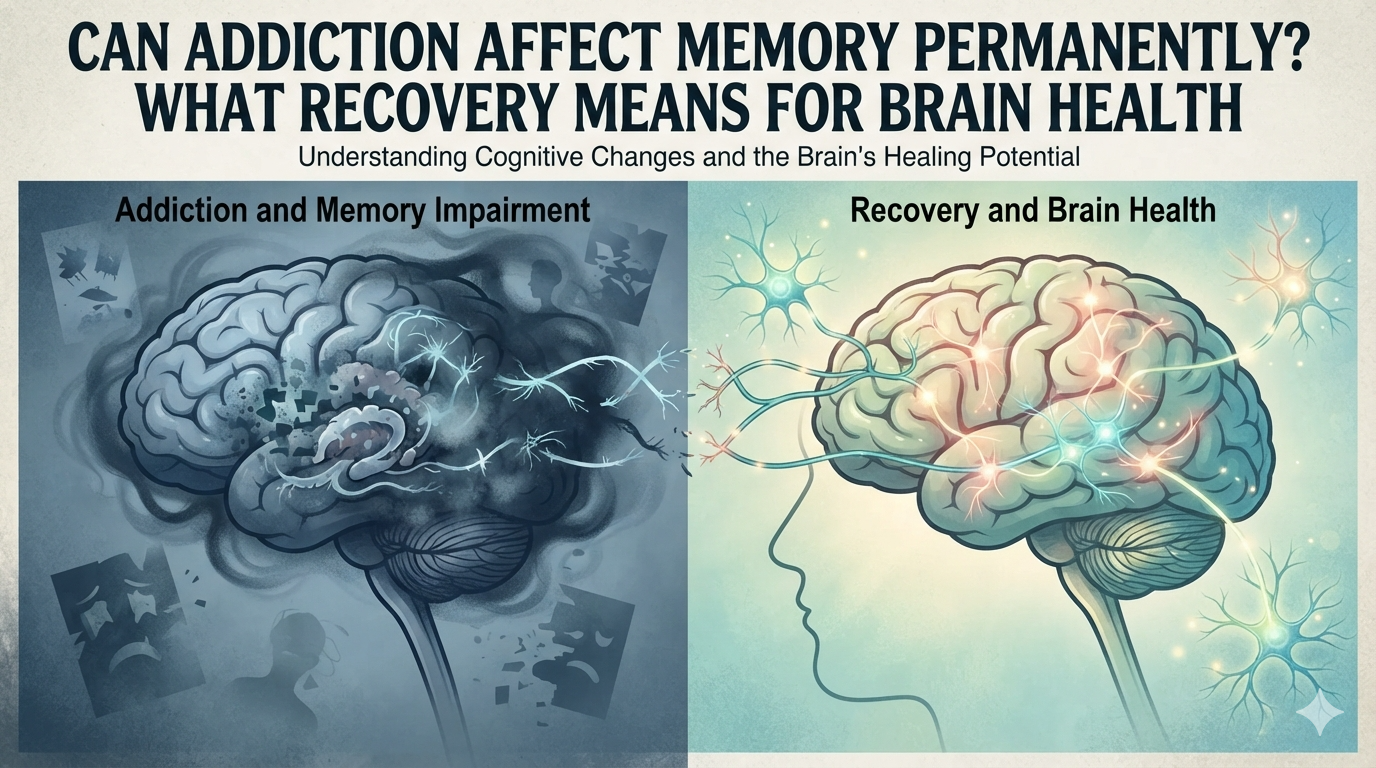
Addiction can affect memory, but whether those changes are permanent depends on several factors, including the type of substance used, how long it was used, overall physical health, age, and whether the person receives treatment and maintains long-term recovery. The encouraging news is that many people experience significant improvements in memory as their brain gradually heals during recovery.
How Memory Works
Memory is much more than simply remembering facts. The brain constantly receives information, stores important experiences, and retrieves them when needed. This process allows people to learn new skills, recognize familiar faces, solve problems, and make informed decisions. Several areas of the brain work together to make memory possible, particularly the hippocampus and the prefrontal cortex. When these areas are affected by repeated substance use, remembering information can become much more difficult.
How Addiction Affects Memory
Repeated drug or alcohol use changes the way the brain functions. Many addictive substances interfere with communication between brain cells, making it harder to create new memories or retrieve existing ones. At the same time, addiction changes the brain’s reward system, causing it to focus heavily on obtaining and using substances instead of processing everyday experiences.
Why Memory Problems Continue After Quitting
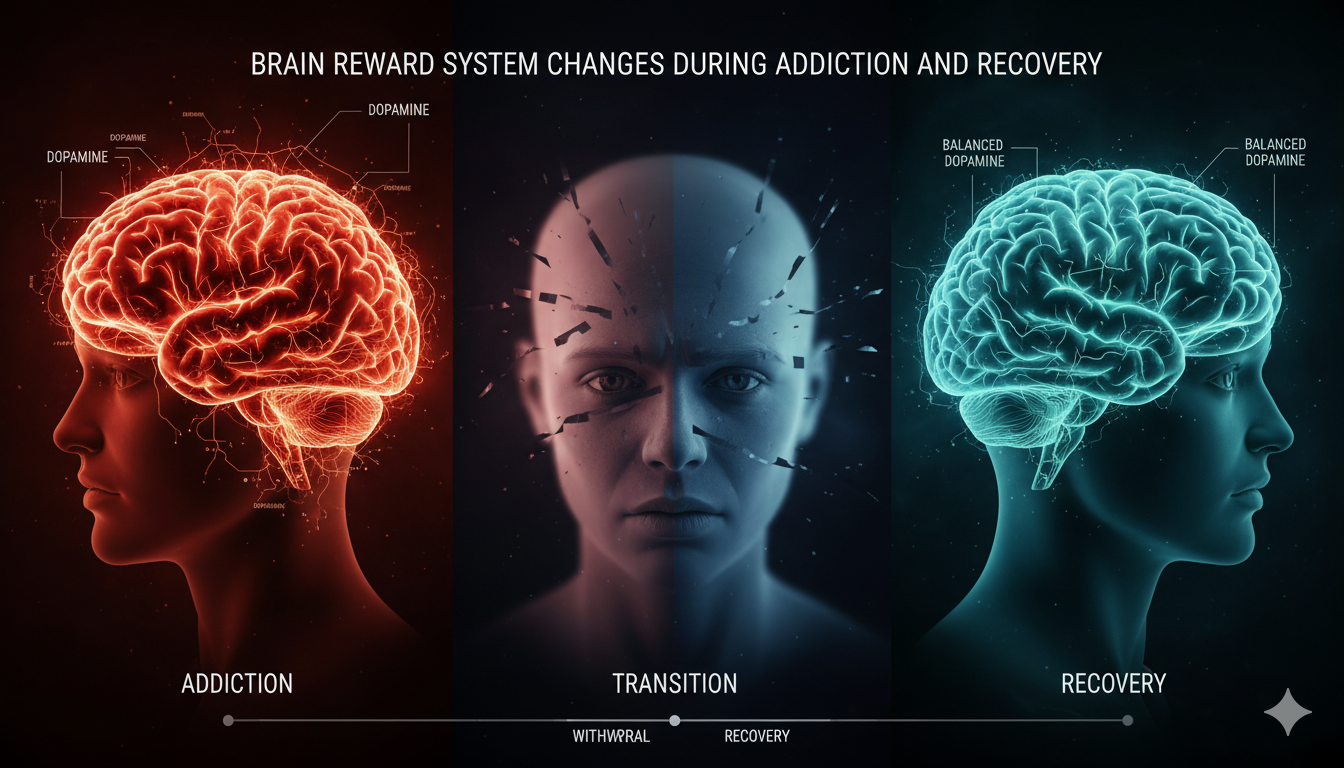
Many people expect their memory to return immediately after they stop using drugs. Unfortunately, recovery does not happen overnight. The brain needs time to repair itself. During the first few weeks or months of recovery, people may still struggle with concentration, forgetfulness, or mental fog. This stage can feel frustrating because they are no longer using substances but still do not feel mentally sharp. In many cases, memory improves alongside overall brain recovery.
Are Memory Changes Permanent?
This is one of the most common questions families ask. The answer depends on several factors. For many individuals, memory problems improve significantly after months of consistent recovery. The brain has an impressive ability to adapt and heal, a process known as neuroplasticity. As healthy routines return and substance use stops, many people notice gradual improvements in attention, learning, and memory.
However, long-term or heavy substance use may sometimes cause lasting damage, particularly when treatment is delayed or when substances have severely affected the brain. This is why early intervention is so important.
Factors That Influence Recovery
Every person’s recovery journey is different. Several factors can influence how well memory improves after addiction, including the type of substance used, the length of addiction, age, physical health, nutrition, sleep quality, and participation in treatment. People who follow a structured recovery program, maintain a healthy lifestyle, and continue counseling often experience greater improvements over time. Recovery is rarely influenced by a single factor. Instead, it is the combination of healthy habits that helps support long-term brain healing.
What We Often Observe in Recovery
One encouraging pattern often seen during recovery is that people gradually begin thinking more clearly. Patients who initially struggled to remember appointments or follow conversations often become more focused after several weeks or months of sobriety. Families frequently notice these changes before the individual does.
Simple improvements, such as remembering daily responsibilities, participating in conversations, or planning for the future, are signs that the brain is recovering. These changes usually happen gradually rather than all at once. Patience is an important part of the healing process.
Supporting Memory During Recovery
While there is no instant solution, healthy daily habits can support brain recovery. Getting enough sleep, eating balanced meals, staying physically active, reducing stress, and remaining engaged in counseling all contribute to better brain function. Mental activities such as reading, learning new skills, solving puzzles, or practicing mindfulness may also help improve concentration and memory over time. The goal is not to force the brain to recover quickly but to create the conditions that allow healing to happen naturally.
Recovery Is About More Than Remembering
Improving memory is only one part of recovery. As the brain heals, many people also experience better decision-making, improved emotional regulation, stronger relationships, and greater confidence. These changes often occur together because healthy brain function supports every aspect of daily life. Recovery is not simply about avoiding substances. It is about rebuilding the mind and creating a healthier future.
Final Thoughts
Many people wonder whether addiction affects memory permanently after months or years of substance use. Although addiction can significantly affect memory, concentration, and learning, these changes are not always permanent. For many individuals, memory gradually improves as the brain heals through consistent recovery, healthy routines, and professional treatment.
Recovery requires patience. The brain heals step by step, and each day of sobriety creates another opportunity for improvement. With time and ongoing support, many people regain clearer thinking, stronger memory, and renewed confidence in their daily lives.
Frequently Asked Questions (FAQs)
Can addiction cause permanent memory loss?
Addiction can lead to long-term memory problems, especially after prolonged substance use. However, many people experience significant improvement as the brain heals during recovery.
Which drugs affect memory the most?
Alcohol, methamphetamine, opioids, benzodiazepines, and other substances can impair memory by affecting brain regions involved in learning and recall.
How long does it take for memory to improve after quitting drugs?
Recovery varies for each person. Some people notice improvements within weeks, while others continue recovering over several months or longer.
Can brain exercises improve memory after addiction?
Mental stimulation, reading, learning new skills, and solving puzzles may help support cognitive recovery when combined with healthy lifestyle habits and professional treatment.
Does sleep help memory recover?
Yes. Quality sleep plays an important role in brain healing and memory formation during addiction recovery.