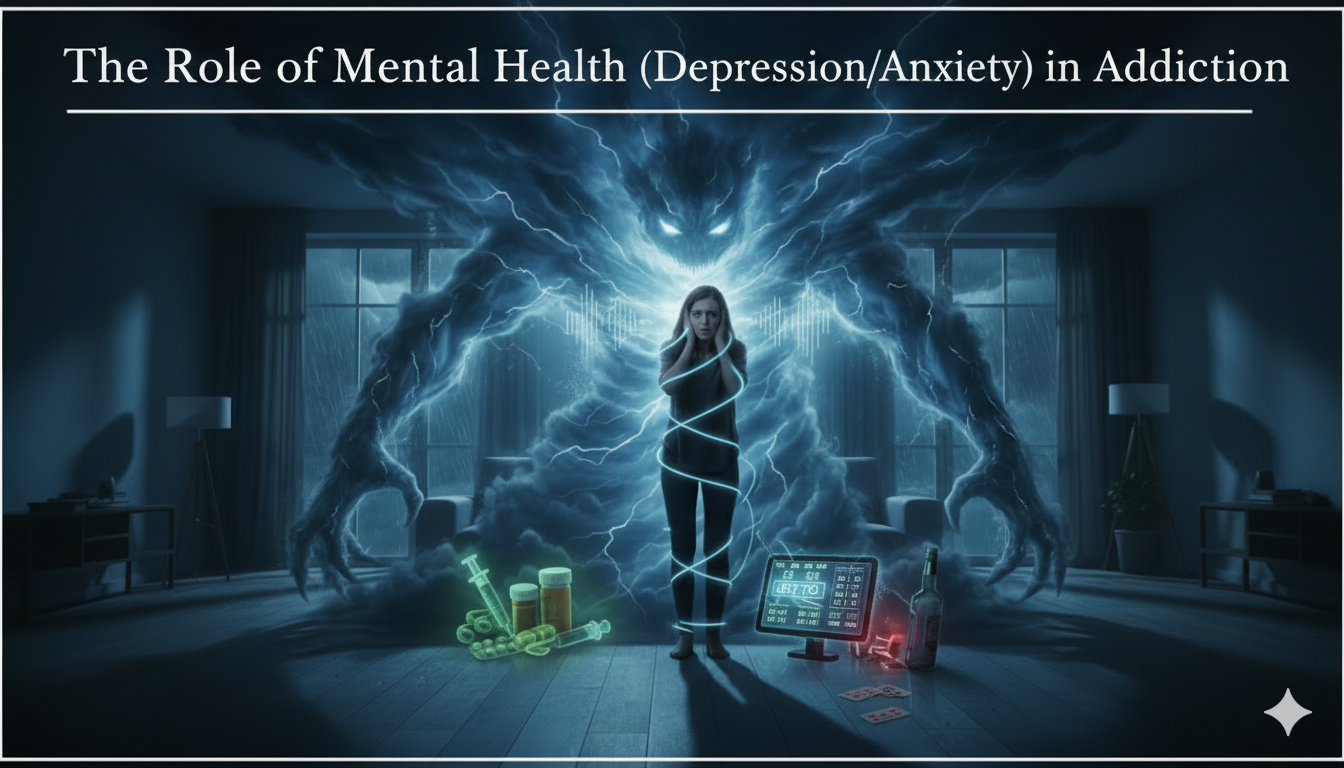

One of the most common concerns families express is, “My loved one isn’t the same person anymore.” They describe someone who was once caring, honest, and responsible becoming distant, secretive, angry, or emotionally unpredictable. These changes can be confusing and deeply painful. Families often wonder whether addiction has permanently changed their loved one’s personality or if the person they once knew is still there.
The truth is that addiction can significantly influence how a person thinks, feels, and behaves. While it may appear as though someone’s personality has completely changed, many of these differences are the result of how addiction affects the brain rather than a permanent loss of character. Understanding these changes can help families respond with greater awareness while recognizing when professional treatment is needed.
Does Addiction Really Change Personality?
Personality refers to the patterns of thinking, feeling, and behaving that make each person unique. These traits usually remain fairly stable throughout life. Addiction, however, can temporarily alter many of these patterns.
As substance use becomes more frequent, the brain begins prioritizing obtaining and using drugs over almost everything else. Decisions that once seemed obvious may become difficult, and behaviors that previously felt unacceptable may become normal. This does not necessarily mean a person’s true personality has disappeared. Instead, addiction often masks it. Many people who successfully complete treatment gradually regain qualities their families believed had been lost.
Why the Brain Changes During Addiction
Addiction affects areas of the brain responsible for judgment, emotional regulation, motivation, memory, and impulse control. These changes influence behavior in ways that may appear to be personality changes. Someone who was once patient may become irritable. A caring parent may become emotionally distant. A reliable employee may begin missing work or making poor decisions. These behaviors often reflect the effects of addiction rather than the person’s true character.
Changes Families Commonly Notice
Families are often the first to recognize that something has changed. A loved one may become withdrawn from family gatherings, lose interest in hobbies, or stop communicating openly. Some people become unusually defensive whenever their substance use is mentioned. Others begin lying, making excuses, or becoming increasingly secretive.
Mood changes are also common. A person may seem cheerful one moment and angry or emotionally numb the next. Small frustrations can trigger intense reactions, making everyday conversations difficult. Financial problems, neglected responsibilities, and broken promises may also become more frequent as addiction progresses. These changes can leave families feeling hurt and confused, especially when they remember how different the person used to be.
Why Honesty Often Disappears
One of the most painful experiences for families is discovering that someone they trust has started lying. Many people assume dishonesty means the individual no longer cares about those around them. In reality, addiction often creates intense fear.
A person may lie to avoid conflict, hide their substance use, protect access to drugs, or escape feelings of guilt and shame. Although these behaviors damage trust, they are usually driven by addiction rather than a complete loss of moral values. Rebuilding honesty is often an important part of long-term recovery.
Emotional Changes Can Be Misunderstood
Addiction frequently affects emotional regulation. Some individuals become more irritable and impatient. Others appear emotionally detached or lose interest in activities they once enjoyed. Family members sometimes interpret these changes as a lack of love or concern. However, addiction often reduces a person’s ability to experience pleasure from ordinary life. As recovery progresses and the brain begins healing, emotional balance often improves.
Can Personality Return After Recovery?
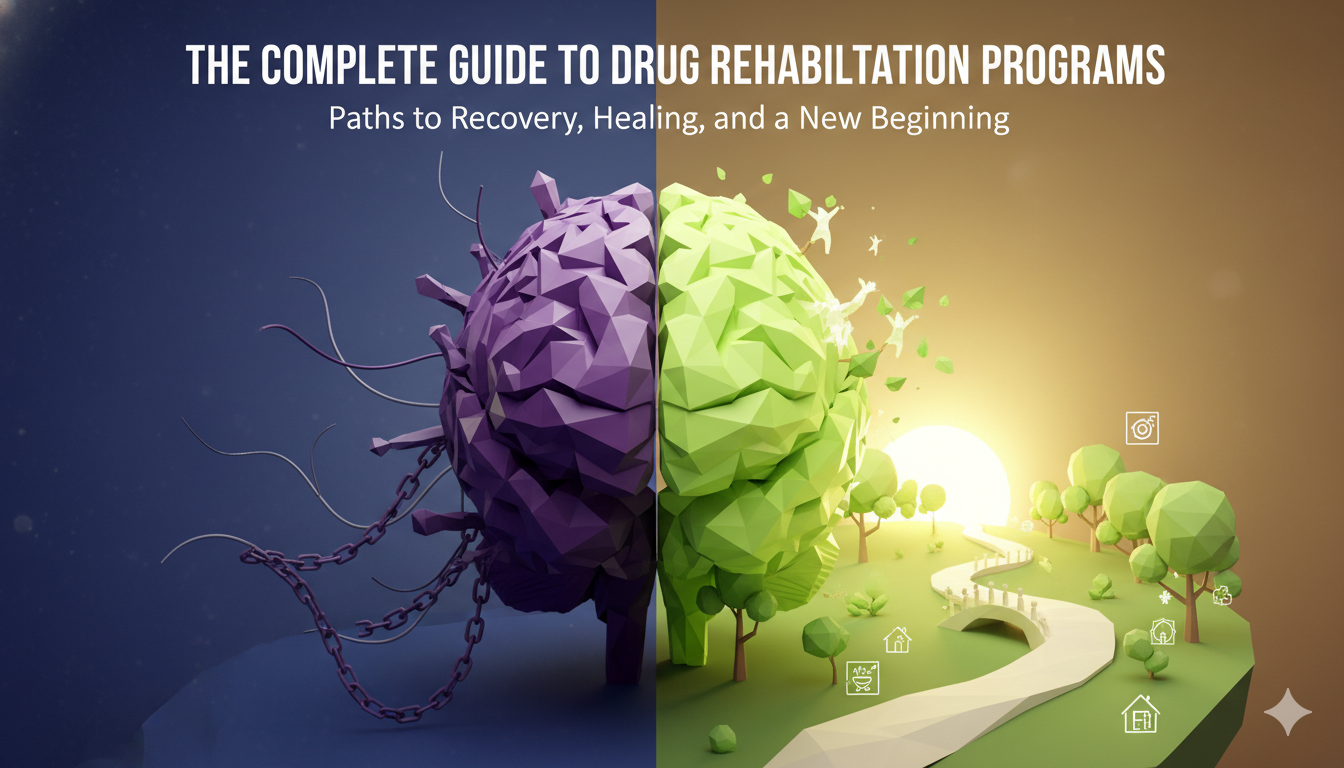
This is one of the questions families ask most often. The encouraging news is that many personality changes improve significantly during recovery. As substance use stops and the brain gradually heals, people often become calmer, more emotionally stable, and more engaged with family and friends.
They begin taking responsibility for their actions, rebuilding trust, and reconnecting with interests that addiction pushed aside. Recovery does not instantly erase every difficulty, but many families describe feeling as though they are getting their loved one back. The process takes time, patience, and consistent treatment.
What We Often Observe in Recovery
One of the most encouraging aspects of addiction treatment is seeing positive changes that families believed were no longer possible. Patients who once avoided conversations begin communicating openly. Individuals who seemed emotionally distant start rebuilding relationships. People who struggled with responsibility gradually regain confidence and independence.
These changes rarely happen overnight. Recovery is a gradual process, and each small step helps rebuild the person’s sense of identity. Families often say the biggest difference is not simply that their loved one stopped using drugs, it is that they began acting like themselves again.
How Families Can Respond
Watching someone change because of addiction can be heartbreaking, but responding with constant anger or blame often pushes the person further away. This does not mean families should ignore harmful behavior or accept broken boundaries. Healthy support involves encouraging treatment, communicating honestly, and maintaining clear expectations while recognizing that addiction is a medical condition requiring professional help.
Final Thoughts
Many people wonder whether addiction affects personality, especially after seeing dramatic changes in someone they love. The answer is yes, but these changes are often the result of how addiction affects the brain rather than a permanent change in who the person truly is. As addiction progresses, behaviors such as dishonesty, mood swings, emotional withdrawal, and poor decision-making may become more noticeable.
The encouraging news is that many of these changes improve with treatment, time, and ongoing recovery. Healing is not only about stopping drug use. It is also about helping people reconnect with the values, relationships, and personal qualities that addiction temporarily overshadowed. Recovery gives many individuals the opportunity to become themselves again.
Frequently Asked Questions (FAQs)
Can addiction permanently change someone’s personality?
Not always. Many behavioral and emotional changes improve during recovery as the brain heals, although recovery takes time and varies from person to person.
Why do people with addiction become secretive?
Many people hide their substance use because they fear judgment, conflict, or losing access to drugs. Secrecy is often a symptom of addiction rather than a reflection of their true personality.
Does addiction make people more angry?
It can. Addiction affects brain regions involved in emotional regulation, making irritability and anger more common, especially during active substance use or withdrawal.
Can families rebuild trust after addiction?
Yes. Trust can often be rebuilt through consistent recovery, honest communication, professional treatment, and patience from both the individual and their family.
How long does it take for personality changes to improve?
There is no fixed timeline. Many people begin showing positive emotional and behavioral improvements within months of recovery, while deeper healing may take longer.