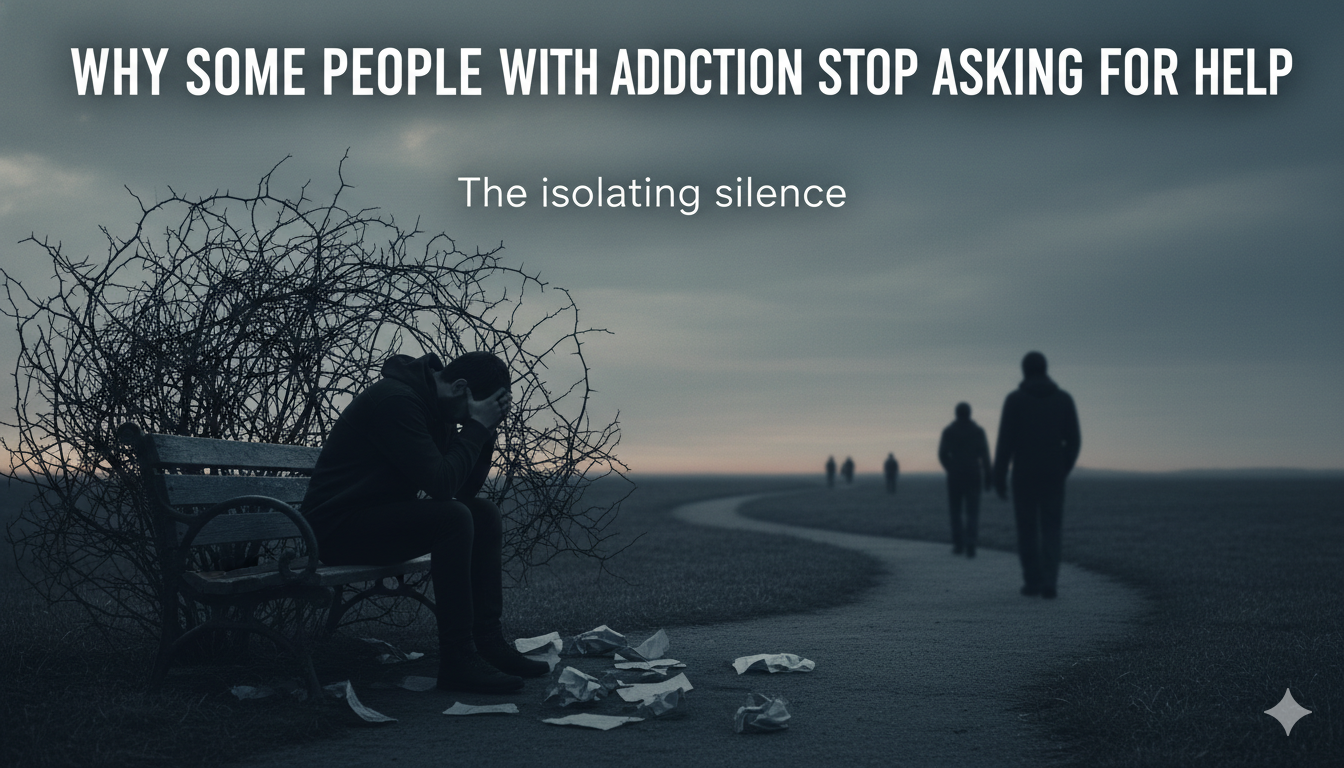
One of the most difficult parts of addiction recovery is realizing that quitting drugs does not instantly make a person feel better. Many people enter treatment expecting that once the substance is removed, happiness, motivation, and energy will quickly return. When that doesn’t happen, frustration often sets in.
A person may be physically sober but still feel emotionally flat. Activities that once seemed enjoyable can feel dull. Motivation may be low, and even simple daily tasks can feel exhausting. This experience often causes people to question whether recovery is working at all.
In reality, what they are experiencing is often part of the brain’s healing process. Addiction significantly affects dopamine, one of the brain’s most important neurotransmitters. Understanding dopamine recovery after addiction can help individuals and families develop realistic expectations and remain committed to long-term recovery.
Understanding Dopamine: More Than a “Feel-Good” Chemical
Dopamine is often described as the brain’s pleasure chemical, but its role extends far beyond creating happiness. It helps regulate motivation, learning, focus, decision-making, reward, and goal-directed behavior. Every time a person accomplishes a meaningful task, enjoys a meal, exercises, or spends time with loved ones, dopamine helps reinforce those experiences.
In a healthy brain, dopamine encourages behaviors that contribute to growth, survival, and well-being. It motivates people to pursue goals, build relationships, and engage with life. The problem begins when addictive substances artificially manipulate this system.
How Addiction Changes the Brain’s Reward System
Most addictive drugs create dopamine surges that are far stronger than those produced by natural rewards. As explained in our article on https://jadeedrifah.com/the-science-of-addiction-how-drugs-rewire-the-brain/ repeated substance use can fundamentally alter the brain’s reward pathways. Whether it is heroin, methamphetamine (ICE), cocaine, alcohol, nicotine, or certain prescription medications, the result is often the same: the brain becomes flooded with dopamine. Interestingly, similar reward mechanisms can also be triggered by excessive technology use, which we explored in https://jadeedrifah.com/the-dopamine-loop-how-social-media-mimics-chemical-addiction/
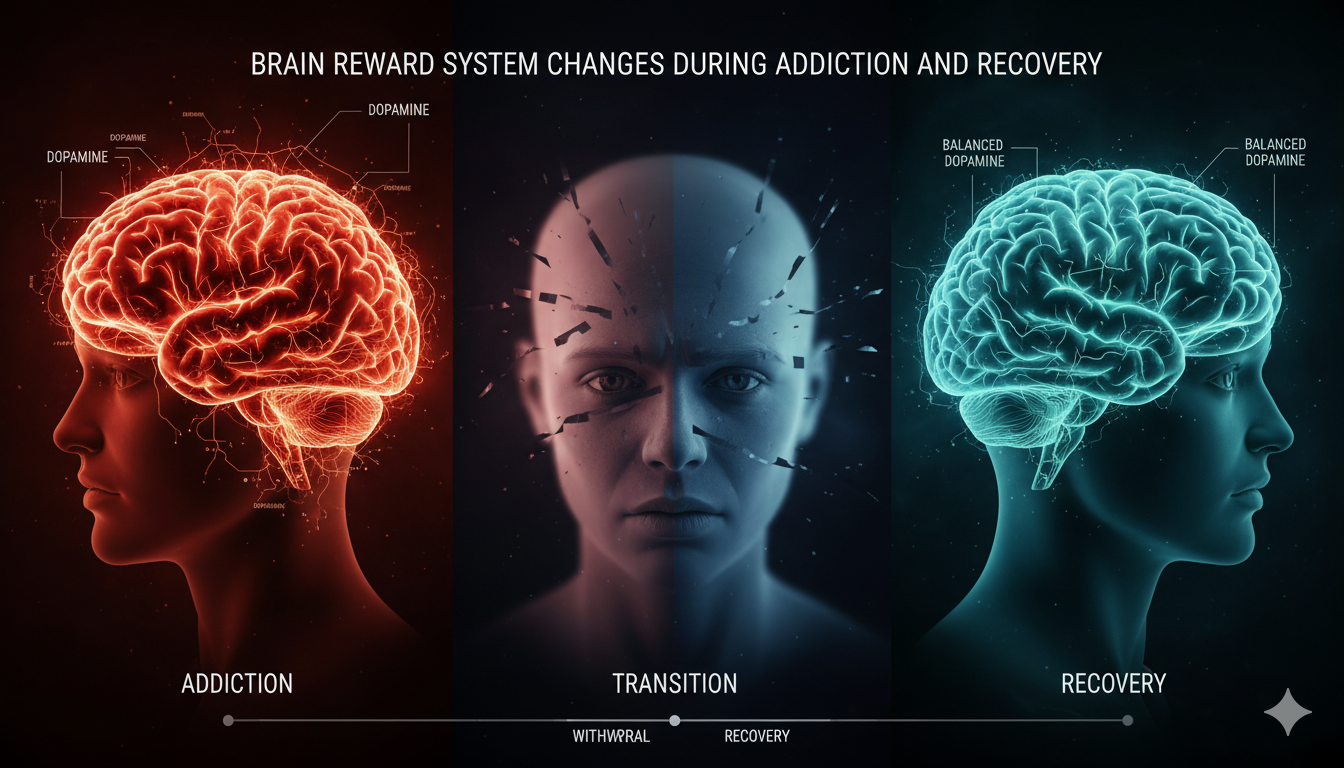
At first, these dopamine spikes create feelings of pleasure and reward. Over time, however, the brain starts adapting to these unnaturally high levels. To protect itself, the brain reduces its natural dopamine production and decreases the sensitivity of dopamine receptors. This process is one reason people develop tolerance and require increasing amounts of a substance to achieve the same effect.
Eventually, many individuals reach a point where ordinary life no longer feels rewarding. Activities that once brought satisfaction begin to feel empty, while the substance becomes the primary source of relief or pleasure.
What Happens When Drug Use Stops?
When someone stops using drugs, the brain does not immediately return to normal functioning. The artificial source of dopamine disappears, but the brain’s natural dopamine system may still be functioning at a reduced capacity. This creates a temporary imbalance that can make early recovery emotionally challenging.
Many individuals experience symptoms such as low motivation, irritability, anxiety, fatigue, sleep disturbances, emotional numbness, and difficulty enjoying activities they once valued. In https://jadeedrifah.com/first-72-hours-of-sobriety/ we discuss the physical and emotional challenges many people face immediately after quitting drugs.
At rehabilitation centers, this is one of the most common concerns patients express during the first few weeks of recovery. Many expect sobriety to bring immediate emotional relief. Instead, they often feel disconnected from the things that once mattered to them. This does not mean recovery is failing. In many cases, it means the brain is beginning the slow process of rebuilding itself.
The First Month: Why Recovery Often Feels Harder Than Expected
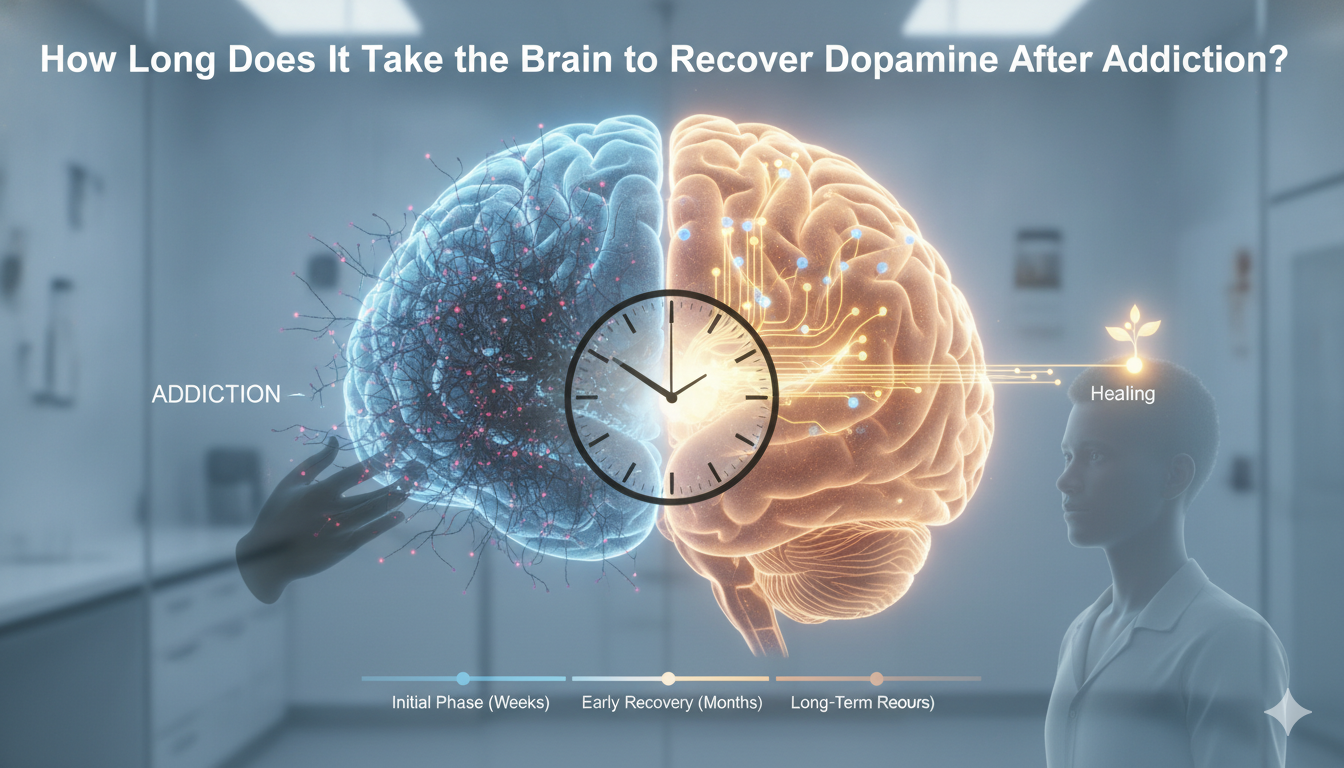
The first few weeks after stopping drugs can be particularly difficult. The brain is adjusting to the absence of a substance it may have relied on for months or even years. During this period, many people report feeling emotionally exhausted, restless, or unable to experience pleasure from everyday activities.
A walk in the park may seem uninteresting. A favorite television show may no longer feel entertaining. Social interactions may require more effort than usual. This stage can be discouraging because people often expect progress to feel dramatic. Instead, recovery frequently begins with discomfort.
What many people do not realize is that healing is already taking place beneath the surface. The brain is working to restore balance, even if the results are not immediately noticeable.
One to Three Months: Early Signs of Dopamine Recovery
For many individuals, meaningful improvements begin to emerge within the first one to three months of sobriety. Sleep often becomes more consistent. Concentration may improve. Emotional reactions become easier to manage, and motivation gradually starts returning.
This does not happen overnight, nor does it occur in a perfectly straight line. Some days may feel encouraging, while others feel frustrating. In treatment settings, it is common to see patients become discouraged after experiencing a difficult day or week. They may assume that temporary setbacks mean they are moving backward. In reality, recovery rarely follows a smooth path. The brain heals gradually, and fluctuations are a normal part of that process.
Three to Six Months: Rediscovering Natural Sources of Pleasure
As recovery progresses, many people begin noticing something important: ordinary experiences start feeling rewarding again. This is often the stage when individuals reconnect with hobbies, family relationships, work responsibilities, and personal goals. The pleasure they experience may initially seem smaller than what drugs once provided. However, unlike the temporary highs associated with substance use, these rewards are sustainable and contribute to long-term well-being.
Exercise becomes more enjoyable. Conversations feel more meaningful. Achieving personal goals begins to create a genuine sense of satisfaction. These changes are often signs that the brain’s reward system is becoming more responsive to natural dopamine-producing activities.
How Long Does Full Dopamine Recovery Take?
There is no single timeline that applies to everyone. Research suggests that significant dopamine recovery can occur within six to twelve months for many individuals, although some aspects of healing may continue beyond that period. Several factors influence recovery speed, including the type of substance used, the duration of addiction, overall physical health, mental health conditions, age, and participation in treatment programs.
For example, individuals recovering from long-term methamphetamine use may require more time than those recovering from shorter periods of substance use. Likewise, someone with untreated depression or anxiety may face additional challenges during the recovery process. This is why comparing recovery timelines with others can be misleading. Every brain heals at its own pace.
Can the Brain Fully Recover After Addiction?
This question is often asked by both patients and family members. The encouraging news is that the brain possesses a remarkable ability known as neuroplasticity. Neuroplasticity refers to the brain’s capacity to adapt, reorganize, and form new neural connections throughout life.
Studies have shown that many of the changes associated with addiction can improve significantly during sustained recovery. Individuals often experience better emotional regulation, improved memory, stronger concentration, healthier decision-making, and increased motivation over time.
While severe or prolonged substance use can leave lasting effects in some cases, substantial recovery is possible for many people who remain committed to treatment and sobriety. Recovery is not simply about stopping drug use. It is about allowing the brain enough time and support to heal.
What Helps Dopamine Recover Naturally?
Although no shortcut instantly restores the brain’s dopamine system, certain habits can support the healing process. Regular physical activity is one of the most effective tools available. Exercise naturally stimulates dopamine production and supports overall brain health. Even moderate daily activity can contribute to improved mood and motivation.
Quality sleep is equally important. The brain performs many of its restorative functions during sleep, making consistent rest an essential part of recovery. Nutrition also plays a role. A balanced diet provides the nutrients needed to support brain function and neurotransmitter production.
Perhaps most importantly, meaningful human connection helps reinforce recovery. Supportive relationships, counseling, therapy, and structured rehabilitation programs provide emotional stability during periods when motivation may still be low. These healthy routines may seem simple, but together they create an environment where long-term healing becomes possible. Structured treatment programs often provide the guidance needed during this stage. Learn more in https://jadeedrifah.com/the-roadmap-to-recovery-what-happens-in-addiction-treatment/ .
Why Understanding Dopamine Recovery Can Help Prevent Relapse
One of the greatest dangers in early recovery is unrealistic expectations. When people believe they should feel completely normal within a few days or weeks, they may become discouraged when motivation remains low or emotional numbness persists. Some begin to think that recovery is not working. This misunderstanding is one reason relapse can occur. We discuss this in greater detail in https://jadeedrifah.com/why-people-relapse-the-hidden-psychology-behind-addiction-recovery/ . Others become vulnerable to relapse because they assume drugs are the only way to feel pleasure again. Understanding dopamine recovery helps challenge these misconceptions.
The temporary absence of pleasure does not mean the brain is permanently damaged. It often means the brain is still repairing systems that were altered by addiction. Patience can become a powerful recovery tool. The more people understand what is happening inside their brains, the more likely they are to remain committed during difficult stages of healing.
A Message of Hope for Recovery
One lesson repeatedly observed in addiction treatment is that people often underestimate the brain’s ability to heal. A patient who feels emotionally numb during the first month of sobriety may look entirely different six months later. Someone struggling with motivation today may eventually rediscover purpose, ambition, and genuine happiness.
Recovery is rarely immediate, but it is often far more possible than people initially believe. The brain has an extraordinary capacity for change. Given enough time, support, and commitment, many individuals experience significant improvements in emotional health, motivation, and overall quality of life.
Final Thoughts
Dopamine recovery after addiction is not an overnight process. The brain needs time to rebuild reward pathways that may have been altered by prolonged substance use. During this healing period, many people experience low motivation, emotional flatness, and difficulty finding pleasure in everyday activities. These challenges can be frustrating, but they are often signs that recovery is underway rather than signs of failure.
For many individuals, noticeable improvements begin within the first few months, while substantial healing may continue throughout the first year of sobriety and beyond. The exact timeline varies from person to person, but one fact remains consistent: recovery is possible. With professional support, healthy routines, and patience, the brain can gradually regain its ability to experience motivation, connection, and joy without relying on drugs or alcohol. Long-term recovery requires more than detox alone. Following proven strategies from https://jadeedrifah.com/relapse-prevention-how-to-stay-clean-after-rehab/ can help individuals maintain lasting sobriety.