There was a time when methamphetamine, commonly known on the streets as Ice, was viewed as a “party drug”, something people used to stay awake longer, feel more energetic, or escape reality for a few hours. But what begins as a search for energy or euphoria often turns into one of the most devastating addictions known to modern medicine.
Ice addiction has become a growing crisis across the world. Its impact reaches beyond the individual, affecting families, communities, and healthcare systems. The drug’s highly addictive nature, combined with the severe psychological and physical damage it causes, makes methamphetamine abuse one of the most dangerous forms of substance addiction.
This article explores what Ice is, why it is so addictive, the damage it causes, and how methamphetamine addiction treatment can help individuals reclaim their lives.
What Is Ice (Methamphetamine)?
Ice, also known as crystal methamphetamine, is a powerful stimulant that affects the central nervous system. It appears as clear or bluish-white crystals that resemble shards of glass or ice, which is how it earned its street name.
Unlike some stimulants prescribed for medical use, Ice is an illicit form of methamphetamine that is smoked, snorted, swallowed, or injected. Smoking or injecting Ice creates an immediate and intense “rush” that floods the brain with dopamine, the chemical associated with pleasure and reward.
This rush is what makes Ice addiction so dangerous. The intense high fades quickly, often leaving users desperate for another dose. That cycle can rapidly spiral into dependence.
Many people begin using Ice seeking:
- Increased energy
- Enhanced focus
- Euphoria
- Weight loss
- Escape from emotional pain
But the drug quickly changes brain chemistry, turning temporary pleasure into compulsive use.
Why Ice Is So Addictive
One of the most dangerous aspects of methamphetamine abuse is how quickly it hijacks the brain’s reward system.
When someone uses Ice, the brain releases a massive amount of dopamine, much more than natural pleasurable activities like eating or social bonding. This overwhelming surge creates intense feelings of pleasure and confidence.
The problem is that repeated use teaches the brain to depend on the drug for dopamine release. Over time, natural dopamine production drops, making it difficult for the user to feel joy without methamphetamine.
This is why methamphetamine dependence develops so quickly. A person who initially uses Ice recreationally may soon feel unable to function without it.
The psychological craving can become overwhelming, leading to:
- Repeated binge use
- Sleep deprivation
- Aggressive behavior
- Anxiety and paranoia
- Severe depression during withdrawal
This cycle makes Ice addiction treatment essential, as quitting without professional support can be extremely difficult.
The Short-Term Effects of Ice
At first, Ice may seem to offer energy and confidence, which is why many people underestimate its danger. In the short term, methamphetamine can cause:
- Increased alertness
- Elevated heart rate
- Decreased appetite
- Intense euphoria
- Rapid breathing
- Hyperactivity
However, these effects come at a serious cost.
As the drug stimulates the nervous system, it places extreme stress on the body. Users often experience:
- Anxiety
- Restlessness
- Irritability
- Panic attacks
- Elevated blood pressure
- Dangerous overheating
Many people on meth binges stay awake for days. This lack of sleep leads to confusion, emotional instability, and even hallucinations.
The immediate “benefits” of the drug are quickly overshadowed by the damage it inflicts.
The Long-Term Damage of Methamphetamine Abuse
The long-term consequences of Ice abuse are devastating.
Repeated methamphetamine use damages nearly every organ system in the body, including the brain, heart, teeth, skin, and lungs.
Brain Damage
One of the most serious effects is on the brain. Chronic Ice use can lead to:
- Memory loss
- Reduced concentration
- Emotional instability
- Depression
- Psychosis
Long-term users may experience paranoia so intense that they believe others are watching or trying to harm them. Some hear voices or see things that are not there.
This meth-induced psychosis can persist even after the drug is stopped.
Physical Deterioration
The physical signs of methamphetamine addiction are often severe.
Users may develop:
- Extreme weight loss
- Skin sores from scratching
- Premature aging
- Tooth decay (“meth mouth”)
- Tremors
“Meth mouth” refers to the severe dental damage caused by dry mouth, teeth grinding, poor hygiene, and chemical exposure. Teeth can rot rapidly, drastically affecting appearance and health.
The body becomes weaker as appetite disappears and sleep is neglected.
Cardiovascular Damage
Because Ice overstimulates the body, it places immense strain on the cardiovascular system.
Long-term use increases the risk of:
- Heart attack
- Stroke
- Irregular heartbeat
- High blood pressure
Even young users can suffer fatal cardiovascular events.
The Emotional Collapse Behind Ice Addiction
Beyond the physical destruction lies the emotional devastation.
Many people begin using Ice to feel stronger, happier, or more confident. But over time, the drug creates the opposite:
- Anxiety replaces confidence
- Isolation replaces connection
- Depression replaces pleasure
Relationships often fall apart as addiction becomes the user’s central focus.
Families experience:
- Broken trust
- Financial instability
- Emotional trauma
- Fear for the user’s safety
The emotional burden of meth addiction affects everyone close to the person struggling.
Signs of Ice Addiction
Recognizing the signs of methamphetamine addiction early can save lives.
Common warning signs include:
- Extreme bursts of energy
- Long periods without sleep
- Rapid weight loss
- Mood swings
- Paranoia
- Aggression
- Neglect of hygiene
- Social withdrawal
A person addicted to Ice may appear energetic at first but later become emotionally unstable, suspicious, and physically deteriorated.
Early intervention is critical because addiction tends to escalate rapidly.
Methamphetamine Withdrawal: Why Quitting Is Hard
Stopping Ice is not simply a matter of willpower.
Once methamphetamine dependence develops, withdrawal symptoms can be intense.
These may include:
- Severe fatigue
- Depression
- Anxiety
- Intense cravings
- Sleep disturbances
- Irritability
The crash that follows meth use can feel emotionally unbearable. Many people relapse simply to escape the depression and exhaustion.
That is why professional methamphetamine detox treatment is often necessary.
The Importance of Methamphetamine Addiction Treatment
Recovery from Ice addiction is possible, but it requires structured care.
Methamphetamine addiction treatment usually begins with detoxification, where the body clears the drug while symptoms are medically monitored.
Detox is followed by therapy that addresses:
- Psychological dependence
- Emotional trauma
- Behavioral patterns
- Relapse triggers
Evidence-based approaches include:
Cognitive Behavioral Therapy (CBT)
CBT helps patients identify the thoughts and behaviors driving their addiction. It teaches healthier coping skills and relapse prevention strategies.
Individual Counseling
Personal therapy helps individuals address trauma, anxiety, depression, or unresolved pain that may have contributed to substance use.
Group Therapy
Group support allows individuals to connect with others facing similar struggles, reducing isolation and building accountability.
Family Therapy
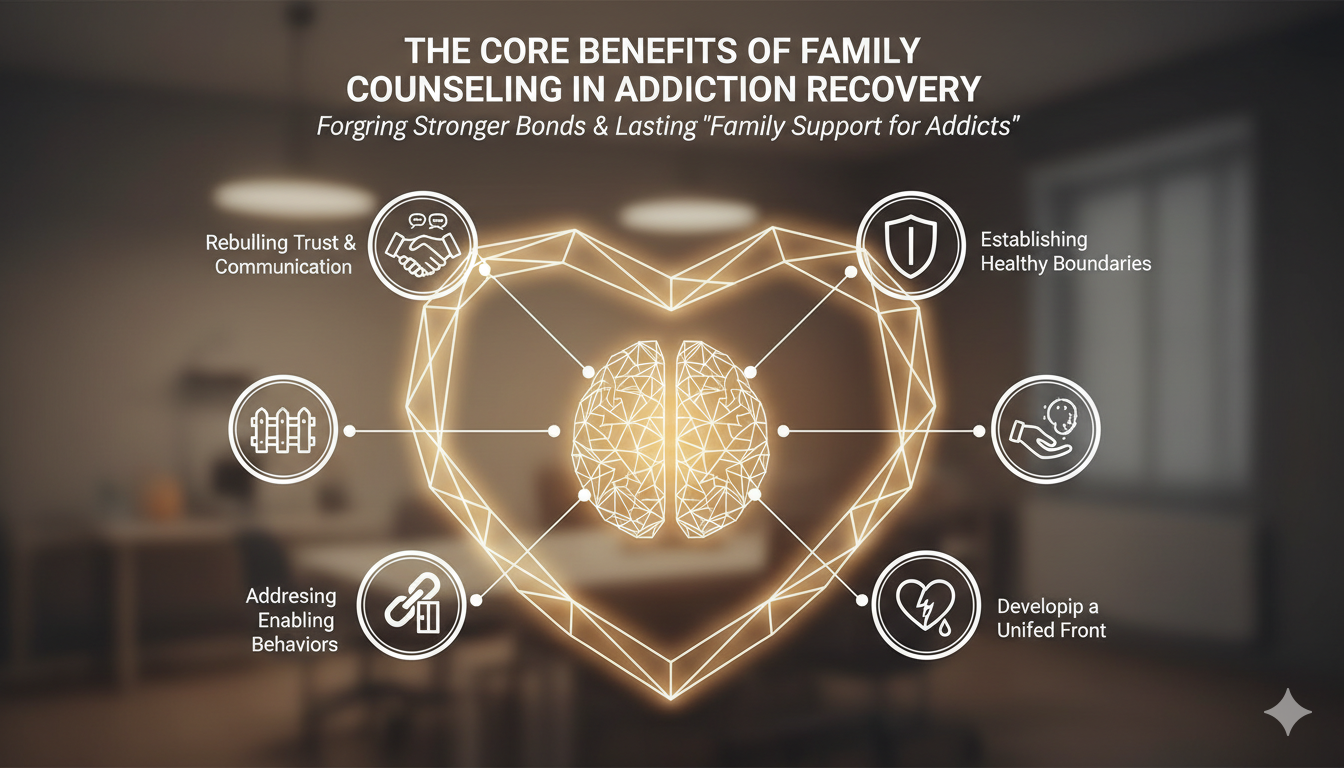
Because Ice addiction damages relationships, family counseling can help rebuild trust and create a healthier support system.
Life After Ice: Rebuilding the Brain and the Soul
The damage caused by Ice can feel overwhelming, but healing is possible.
With time, the brain begins to recover. Sleep improves. Appetite returns. Emotions stabilize.
Recovery often includes:
- Restoring physical health
- Rebuilding relationships
- Learning coping strategies
- Finding purpose again
The road is not easy, but methamphetamine recovery allows people to regain the parts of themselves addiction tried to destroy.
Many former users go on to live meaningful, stable, and healthy lives.
Prevention: The Best Protection Against Ice Addiction
Education is one of the strongest tools against methamphetamine abuse.
People need to understand that Ice is not simply an energy booster or recreational drug. It is a substance that can rapidly lead to:
- Addiction
- Psychosis
- Physical deterioration
- Death
Families, schools, and communities play a vital role in prevention by promoting awareness and early intervention.
The earlier the warning signs are recognized, the greater the chance of recovery.
Final Thoughts
Ice (methamphetamine) is one of the most destructive drugs in existence. What often starts as a desire for energy, confidence, or escape can quickly become a life-threatening addiction.
The damage touches every part of life, the brain, the body, the emotions, and the family.
But there is hope.
With compassionate care, professional methamphetamine addiction treatment, and long-term support, recovery is possible.
Behind every person trapped in Ice addiction is a human being capable of healing.
The storm of addiction may be fierce, but with the right treatment, a new life can begin.