There is a certain quietness to opium addiction. It does not always arrive with chaos or loud destruction. Sometimes, it walks in gently, like relief after a long day, like a promise of calm in a restless mind. In many parts of South Asia, especially Pakistan, Afyoon has been part of cultural narratives for generations. For some, it was once seen as medicine. For others, a way to ease pain, both physical and emotional. But beneath that soft image lies a dangerous truth: opium abuse is one of the most deceptive and destructive forms of addiction.
This article explores the real dangers of opium (Afyoon) abuse, not just as a substance, but as a slow, life-altering force that impacts the brain, the body, and the very identity of a person.
What Is Opium (Afyoon)?
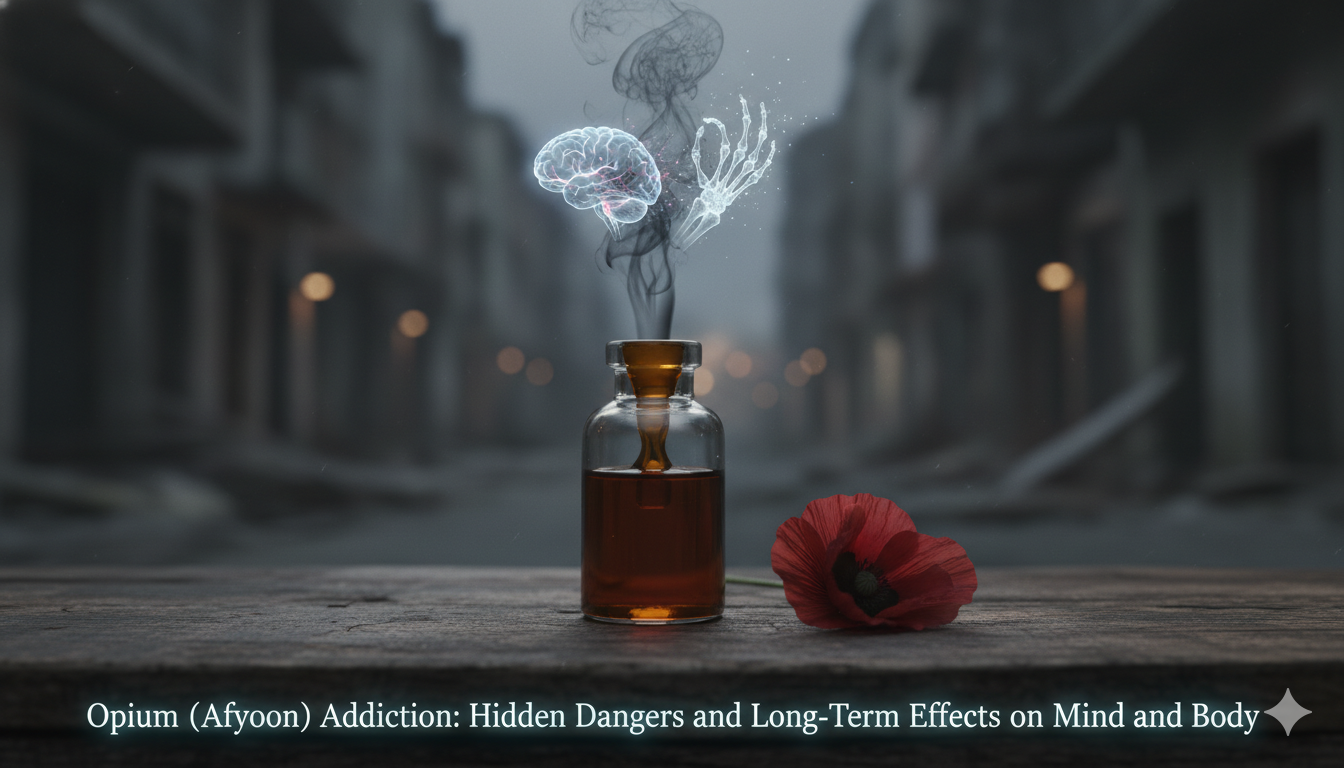
Opium is derived from the poppy plant (Papaver somniferum). It contains powerful alkaloids, including morphine and codeine, which are widely used in medicine for pain relief. However, when consumed in its raw or unregulated form, smoked, eaten, or brewed, opium becomes a highly addictive substance.
In local settings, Afyoon is often perceived as “natural” and therefore harmless. This is a dangerous misconception. Natural does not mean safe. In fact, opium directly affects the brain’s reward system in ways that can quickly lead to dependency.
The Beginning: How Opium Addiction Starts
Most people do not wake up one day intending to become addicted. Opium use often begins with a reason—chronic pain, insomnia, stress, emotional trauma, or even social influence.
Imagine a man in his 40s dealing with chronic back pain. Someone suggests Afyoon as a remedy. He tries it. The pain dulls. His mind quiets. For the first time in months, he sleeps peacefully. It feels like a solution.
But what he does not realize is that his brain has just experienced an artificial surge of dopamine, the chemical responsible for pleasure and reward. And the brain remembers.
Soon, occasional use becomes regular. The body adapts. Tolerance builds. What once worked in small amounts now requires more. And slowly, without dramatic warning, dependence begins to take root.
The Brain Under Siege
Opium affects the brain by binding to opioid receptors, particularly in areas responsible for pain, emotion, and reward. Initially, it produces feelings of relaxation, euphoria, and relief. But with repeated use, the brain undergoes significant changes.
The natural production of endorphins, the body’s own painkillers, begins to decline. The brain starts relying on opium to function “normally.” Without it, the individual feels restless, anxious, and physically uncomfortable.
This is the trap of addiction: the substance that once created pleasure is now required just to avoid pain.
Over time, cognitive functions decline. Decision-making becomes impaired. Memory weakens. Emotional regulation becomes unstable. The person is no longer using opium to feel good, they are using it to feel normal.
Physical Health Consequences of Opium Abuse
The physical dangers of opium abuse are often underestimated, especially because its effects can appear gradual.
Long-term use can lead to:
- Severe constipation and gastrointestinal issues, often chronic and painful
- Respiratory depression, which can become life-threatening in higher doses
- Liver damage, especially when combined with other substances
- Hormonal imbalances, affecting sexual health and overall vitality
- Weakened immune system, making the body more vulnerable to infections
- Malnutrition and weight loss, as appetite and metabolism are disrupted
In many cases, individuals appear physically aged beyond their years. Skin becomes dull. Energy declines. The body slowly loses its resilience.
Psychological and Emotional Damage
If the body suffers quietly, the mind suffers deeply.
Opium abuse is strongly linked to:
- Depression
- Anxiety disorders
- Social withdrawal
- Emotional numbness
- Irritability and mood swings
What begins as a tool to escape emotional pain often intensifies it. Relationships begin to fracture. The person becomes isolated, disconnected from family, work, and purpose.
There is also a growing sense of shame. Many users are aware of their dependence but feel powerless to stop. This internal conflict creates a cycle of guilt and further substance use.
The Social Cost of Afyoon Addiction
Addiction does not exist in isolation. It spreads, into families, into communities, into generations.
In many households, opium abuse leads to:
- Financial instability due to ongoing substance use
- Neglect of responsibilities
- Breakdown of trust within families
- Increased risk of domestic conflict
Children growing up in such environments often carry emotional scars that last a lifetime. In some cases, substance use patterns are repeated across generations, creating a cycle that is difficult to break.
The Myth of “Controlled Use”
One of the most dangerous beliefs surrounding Afyoon is the idea that it can be used “in control.”
Users often say:
“I only take a small amount.”
“I can stop anytime.”
“It helps me function.”
These statements may feel true in the early stages. But addiction is not about intention, it is about neurochemistry.
Once the brain adapts to regular opium use, control becomes an illusion. What was once a choice gradually becomes a necessity.
Withdrawal: The Barrier to Recovery
One of the main reasons people continue using opium is the fear of withdrawal.
Opium withdrawal symptoms can include:
- Intense body aches
- Insomnia
- Anxiety and agitation
- Sweating and chills
- Nausea and vomiting
- Strong cravings
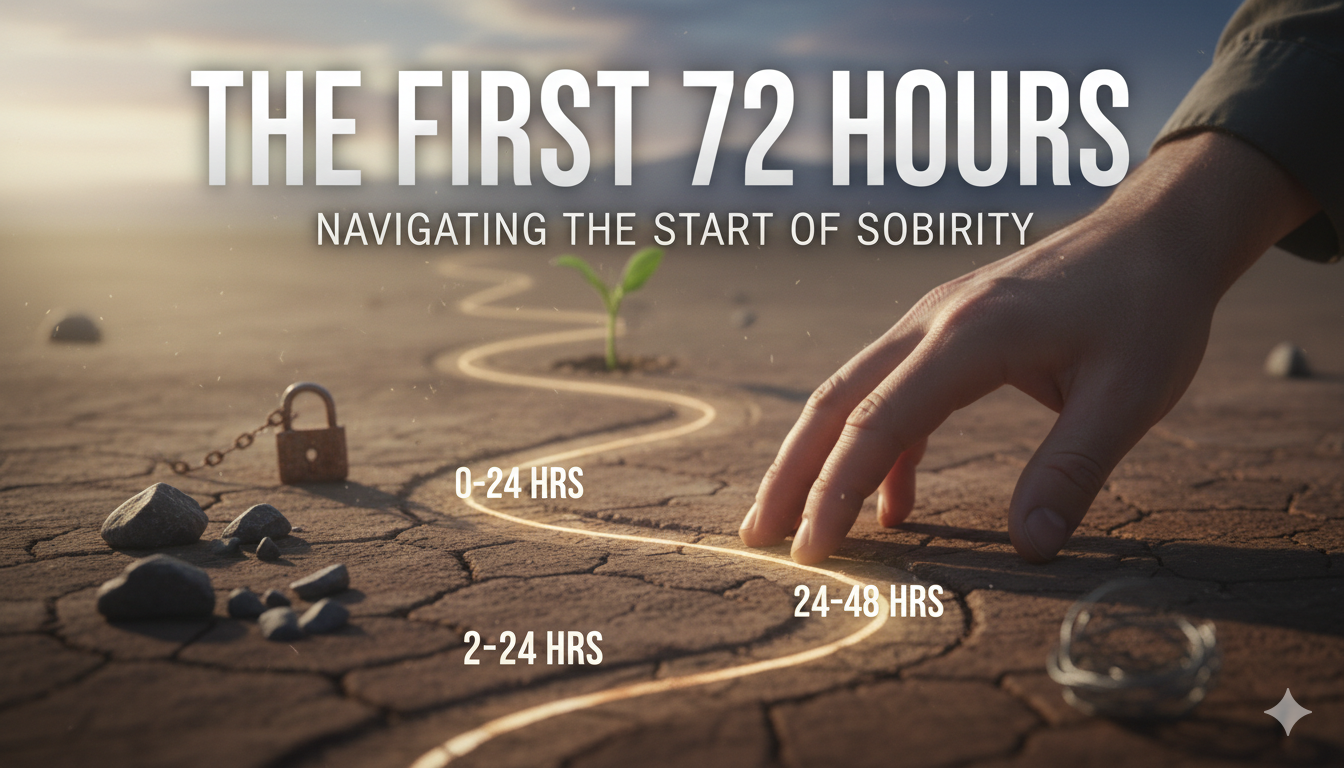
While rarely life-threatening, these symptoms can be extremely uncomfortable. Without proper medical and psychological support, many individuals relapse simply to escape the discomfort.
This is why professional addiction treatment is crucial.
Treatment and Recovery: A Way Forward
Despite its grip, opium addiction is treatable. Recovery is not easy, but it is absolutely possible.
Effective treatment typically involves:
1. Medical Detoxification
Supervised detox helps manage withdrawal symptoms safely and comfortably. This is often the first step in recovery.
2. Psychological Therapy
Cognitive Behavioral Therapy (CBT) and other counseling approaches help individuals understand the root causes of their addiction and develop healthier coping mechanisms.
3. Medication-Assisted Treatment (MAT)
In some cases, medications are used to reduce cravings and stabilize brain chemistry.
4. Rehabilitation Programs
Structured rehab environments provide routine, support, and a break from triggers.
5. Aftercare and Relapse Prevention
Long-term recovery requires ongoing support, whether through therapy, support groups, or community programs.
A Story of Recovery
Consider the case of a middle-aged man from Punjab who had been using Afyoon for over 10 years. What started as a remedy for joint pain became a daily necessity. He lost interest in his work, distanced himself from his family, and eventually found himself isolated.
When he entered a rehabilitation program, the first week was the hardest. Withdrawal tested his resolve. But slowly, with medical care and therapy, he began to regain clarity.
Months later, he described something simple yet powerful: “I can feel again.”
Recovery did not just give him sobriety, it gave him back his identity.
Why Awareness Matters
In many communities, opium abuse is still misunderstood. It is often hidden, normalized, or dismissed. This lack of awareness allows addiction to grow silently.
Education is one of the strongest tools we have. When people understand the real dangers of Afyoon, they are more likely to seek help early, and to support others in doing the same.
Final Thoughts: Breaking the Silence
Opium (Afyoon) addiction does not always look like addiction. It can look like routine. Like coping. Like survival.
But beneath that surface, it quietly takes more than it gives.
It takes health.
It takes clarity.
It takes relationships.
And eventually, it takes control.
The good news is this: no matter how long someone has been using, recovery is always within reach. With the right support, the brain can heal. The body can recover. And a life once shaped by addiction can be rebuilt with purpose and dignity.
If there is one message to take from this, it is simple, opium is not a harmless escape. It is a powerful substance with real consequences. And recognizing that truth is the first step toward change.