Stress and anxiety have become part of modern life. Deadlines, financial pressure, social expectations, and the constant flow of information can overwhelm the mind. While medication is sometimes necessary, many people search for anxiety management without meds, natural and effective methods to calm the mind and restore emotional balance.
One of the most powerful and scientifically supported tools for stress relief is mindfulness breathing. Simple breathing techniques can slow the nervous system, reduce anxiety, and help people regain control of their thoughts and emotions. These practices require no equipment, cost nothing, and can be performed anywhere.
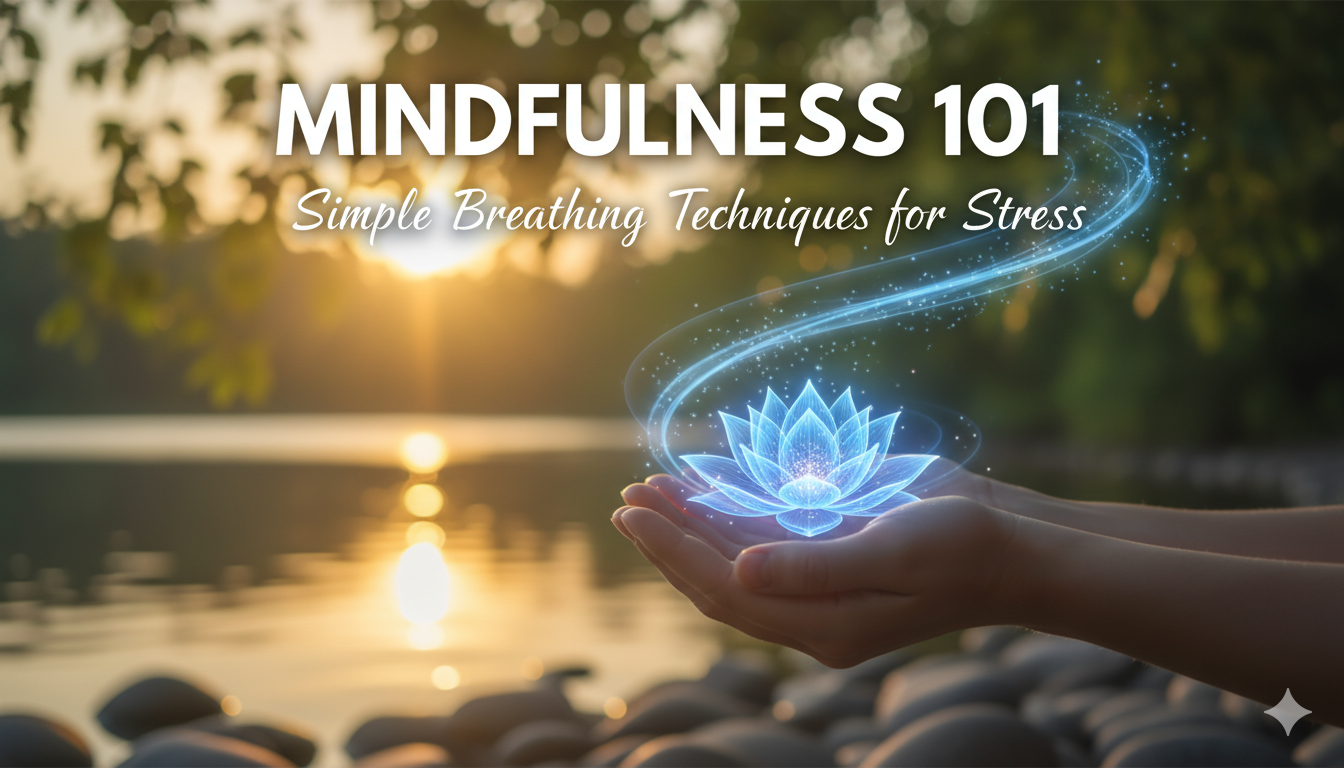
This guide explores Mindfulness 101, focusing on simple breathing techniques that help reduce stress, support mental wellness, and promote anxiety management without meds.
Understanding Mindfulness
Mindfulness is the practice of being fully present in the moment without judgment. It means paying attention to your thoughts, emotions, and physical sensations as they occur.
Instead of worrying about the future or dwelling on the past, mindfulness helps you focus on what is happening right now.
Psychologist Jon Kabat-Zinn, the founder of Mindfulness-Based Stress Reduction (MBSR), defines mindfulness as:
“Paying attention in a particular way: on purpose, in the present moment, and nonjudgmentally.”
Mindfulness is not about stopping thoughts. Instead, it teaches you to observe thoughts without reacting to them, which reduces emotional stress and anxiety.
The Science Behind Mindfulness and Anxiety
Modern research confirms that mindfulness has powerful effects on mental health.
Mindfulness practices activate the parasympathetic nervous system, often called the “rest and digest” system. This system counteracts the fight-or-flight response that causes anxiety.
When you practice mindful breathing:
• Heart rate slows
• Blood pressure decreases
• Cortisol (stress hormone) levels drop
• Brain activity shifts toward calmness
A study published in the Journal of Psychiatric Practice (2018) found that mindfulness meditation significantly reduces symptoms of anxiety and depression.
Another study in JAMA Internal Medicine reported that mindfulness meditation programs improve anxiety, depression, and stress levels.
This is why mindfulness is becoming a central tool for anxiety management without meds.
Why Breathing Is the Key to Stress Control
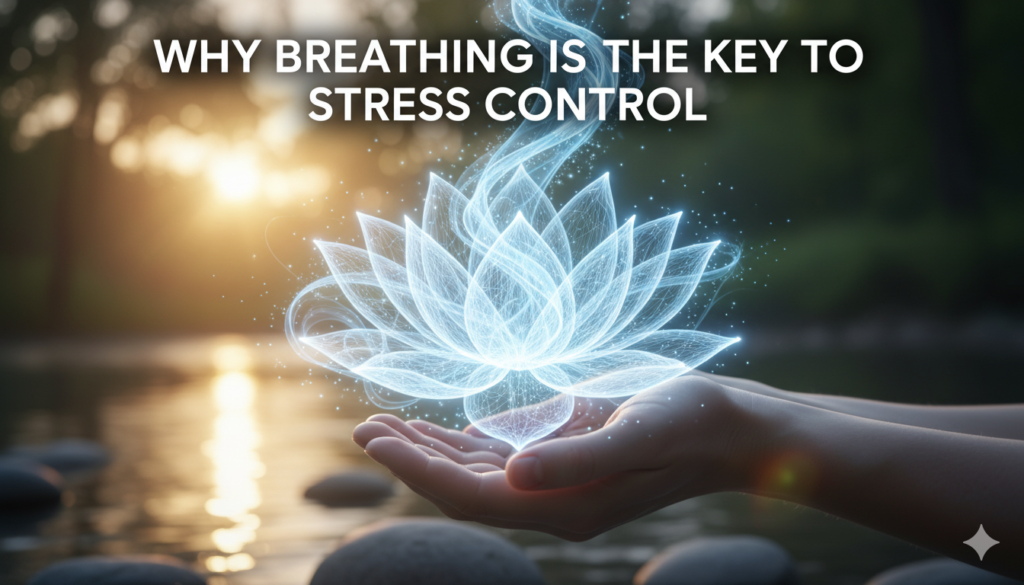
Breathing is the only autonomic body function we can consciously control. While we cannot directly control our heartbeat or hormone levels, we can control our breath, and breathing directly affects the nervous system.
When someone feels anxious, breathing becomes:
• Fast
• Shallow
• Irregular
This type of breathing sends signals to the brain that danger is present.
Mindful breathing reverses this process by making breathing:
• Slow
• Deep
• Rhythmic
This sends a message to the brain that the body is safe, reducing anxiety naturally.
Benefits of Mindful Breathing
Practicing mindful breathing regularly provides numerous mental and physical benefits.
Reduces Anxiety Naturally
Breathing exercises help regulate the nervous system, making them one of the most effective tools for anxiety management without meds.
Improves Emotional Control
Mindfulness increases activity in the prefrontal cortex, the part of the brain responsible for decision-making and emotional regulation.
Enhances Focus and Clarity
Slow breathing improves oxygen flow to the brain, helping improve concentration and mental clarity.
Lowers Blood Pressure
Relaxation breathing reduces stress hormones that contribute to high blood pressure.
Improves Sleep
Mindful breathing calms the mind and helps people fall asleep faster.
Mindfulness 101: Simple Breathing Techniques for Stress
Below are some of the most effective breathing techniques for stress reduction and anxiety management without meds.
1. Deep Belly Breathing (Diaphragmatic Breathing)
Deep belly breathing is the foundation of mindfulness breathing.
Many people breathe shallowly using their chest. Diaphragmatic breathing engages the diaphragm, allowing the lungs to fill completely.
How to Practice
- Sit or lie down comfortably.
- Place one hand on your chest and one on your stomach.
- Inhale slowly through your nose for 4 seconds.
- Let your stomach expand while your chest remains still.
- Exhale slowly through your mouth for 6 seconds.
Practice for 5–10 minutes daily.
Benefits
This technique slows heart rate and activates the parasympathetic nervous system, making it ideal for anxiety management without meds.
2. The 4-7-8 Breathing Technique
The 4-7-8 breathing technique, developed by Dr. Andrew Weil, is widely used for stress relief and sleep improvement.
How It Works
- Inhale quietly through your nose for 4 seconds
- Hold your breath for 7 seconds
- Exhale slowly through your mouth for 8 seconds
Repeat this cycle four times.
Benefits
This breathing pattern reduces nervous system activity and is especially helpful for:
• Panic attacks
• Sleep problems
• Sudden anxiety
3. Box Breathing (Used by Athletes and Military)
Box breathing is used by elite athletes, Navy SEALs, and stress management experts.
It helps regulate breathing and improve mental focus.
Steps
- Inhale for 4 seconds
- Hold the breath for 4 seconds
- Exhale for 4 seconds
- Hold again for 4 seconds
Repeat for 5 minutes.
Benefits
Box breathing stabilizes breathing rhythm and improves mental control during stressful situations.
4. Alternate Nostril Breathing
This ancient yogic breathing technique is known as Nadi Shodhana.
It balances the nervous system and promotes mental clarity.
How to Practice
- Sit comfortably with a straight spine.
- Close the right nostril using your thumb.
- Inhale slowly through the left nostril.
- Close the left nostril with your finger.
- Exhale through the right nostril.
- Inhale through the right nostril.
- Close it and exhale through the left.
Repeat for 5 minutes.
Benefits
Research suggests this technique improves oxygen flow and reduces stress, making it an effective method for anxiety management without meds.
5. Resonance Breathing (Coherent Breathing)
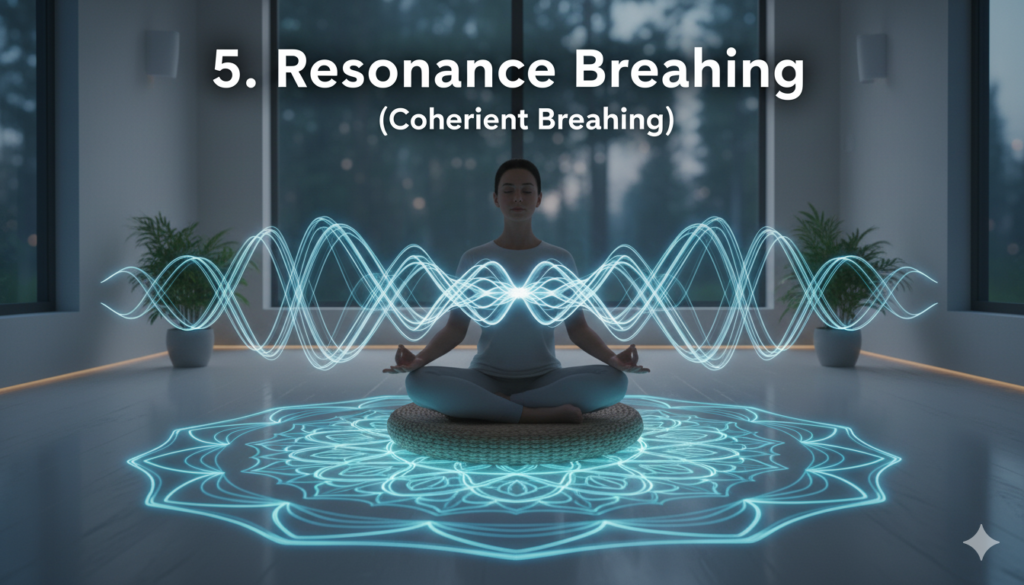
Resonance breathing involves breathing at a specific rhythm that maximizes heart rate variability (HRV).
HRV is linked to emotional resilience and stress management.
Technique
- Inhale slowly for 5 seconds
- Exhale slowly for 5 seconds
Continue for 10–20 minutes.
Benefits
This breathing pattern helps:
• Reduce anxiety
• Improve emotional balance
• Enhance relaxation
6. Mindful Breath Awareness
This technique combines breathing with mindfulness meditation.
Instead of controlling the breath, you simply observe it.
Steps
- Sit quietly.
- Focus your attention on your breathing.
- Notice the air entering and leaving your nose.
- If your mind wanders, gently bring attention back to the breath.
Practice for 10 minutes daily.
Benefits
This method strengthens attention and awareness while reducing anxiety.
How Mindful Breathing Helps Addiction Recovery
Mindfulness breathing is particularly helpful in drug addiction recovery, where emotional triggers often lead to relapse.
Breathing techniques help recovering individuals:
• Manage cravings
• Reduce emotional stress
• Improve impulse control
• Increase self-awareness
Many rehabilitation centers now integrate mindfulness practices into therapy programs because they support long-term emotional stability.
How to Build a Daily Mindfulness Habit
Consistency is key when practicing mindfulness.
Start Small
Begin with 5 minutes daily and gradually increase.
Choose a Quiet Space
Practice in a calm environment where you won’t be interrupted.
Be Patient
Mindfulness takes time to develop. Even a wandering mind is part of the practice.
Combine With Routine
Practice breathing exercises:
• Before sleep
• After waking up
• During work breaks
These simple steps help build a sustainable habit for anxiety management without meds.
Common Mistakes Beginners Make
Many beginners feel frustrated when learning mindfulness. Here are some common mistakes to avoid.
Trying to Stop Thoughts
The goal is not to eliminate thoughts but to observe them without judgment.
Practicing Only When Stressed
Mindfulness works best when practiced daily, not just during anxiety episodes.
Expecting Instant Results
While some people feel immediate calmness, long-term benefits develop with regular practice.
Who Can Benefit From Mindful Breathing?
Mindfulness breathing can help almost anyone experiencing stress or anxiety.
It is especially beneficial for:
• Students facing academic stress
• Professionals dealing with work pressure
• Individuals recovering from addiction
• People experiencing insomnia
• Individuals with generalized anxiety
Because it is natural and safe, it is one of the most accessible forms of anxiety management without meds.
When Professional Help Is Needed
While mindfulness breathing is highly effective, severe anxiety disorders may require professional support.
If anxiety causes:
• Panic attacks
• Severe sleep disturbance
• Difficulty functioning in daily life
It is important to consult a mental health professional.
Mindfulness can still be used alongside therapy as a complementary treatment.
The Future of Mindfulness in Mental Health
Healthcare systems worldwide are increasingly adopting mindfulness practices.
Mindfulness-based programs are now used in:
• Hospitals
• Schools
• Rehabilitation centers
• Corporate wellness programs
Research continues to show that mindfulness is a powerful tool for mental health improvement and anxiety management without meds.
Conclusion
Stress and anxiety are unavoidable parts of life, but how we respond to them makes all the difference. Mindfulness breathing offers a simple, natural, and scientifically supported way to calm the mind and restore emotional balance.
By practicing techniques such as deep breathing, box breathing, and alternate nostril breathing, individuals can develop powerful tools for anxiety management without meds.
The beauty of mindfulness is its simplicity. With just a few minutes each day, anyone can cultivate inner calm, improve mental clarity, and build resilience against stress.
In a fast-paced world filled with distractions and pressures, the simple act of breathing mindfully can become one of the most effective strategies for long-term mental well-being.
References
- Kabat-Zinn, J. (2013). Full Catastrophe Living: Using the Wisdom of Your Body and Mind to Face Stress, Pain, and Illness. Bantam Books.
- Goyal, M., et al. (2014). Meditation Programs for Psychological Stress and Well-being. JAMA Internal Medicine.
- Zeidan, F., et al. (2018). Mindfulness Meditation-Based Pain Relief. Journal of Neuroscience.
- Brown, K. W., & Ryan, R. M. (2003). The Benefits of Being Present. Journal of Personality and Social Psychology.
- Harvard Medical School. (2020). Mindfulness meditation improves anxiety and depression.
- National Institute of Mental Health (NIMH). Anxiety Disorders Statistics and Treatment Research.