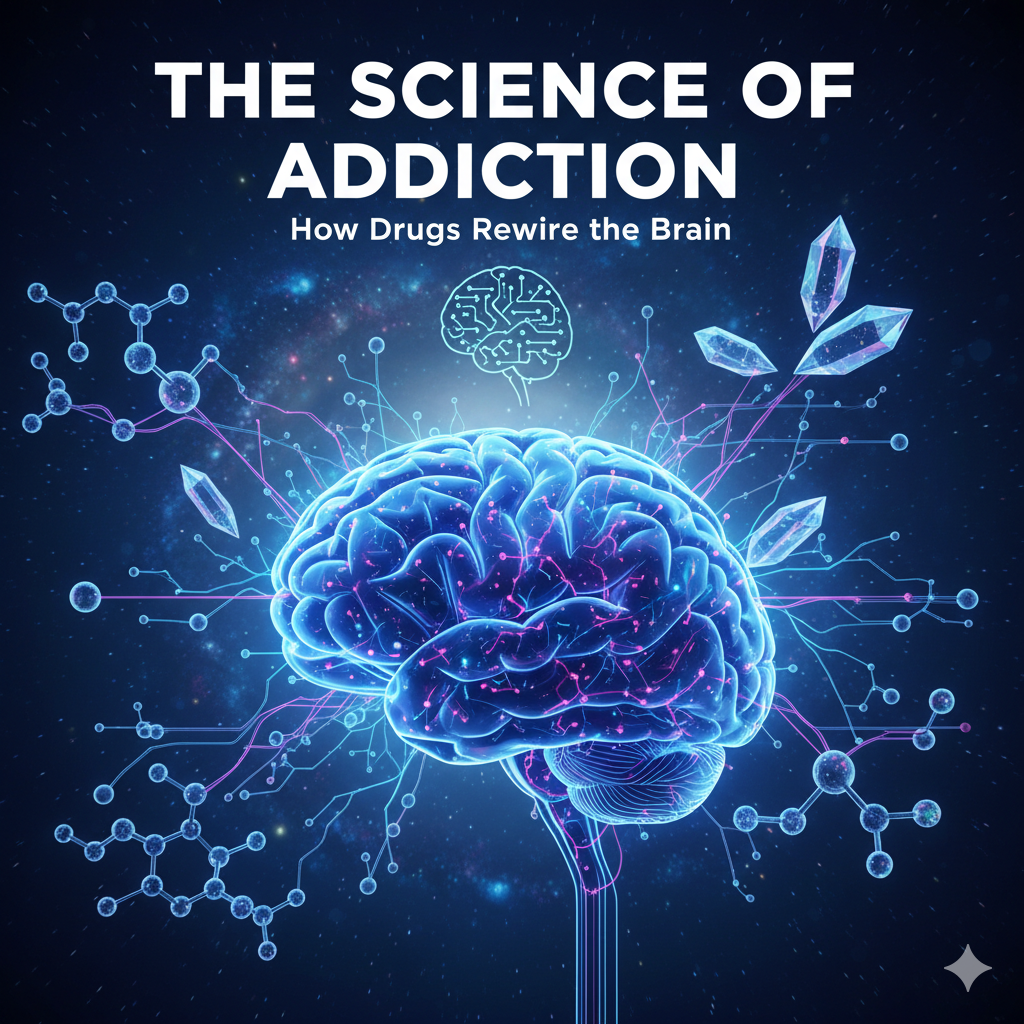
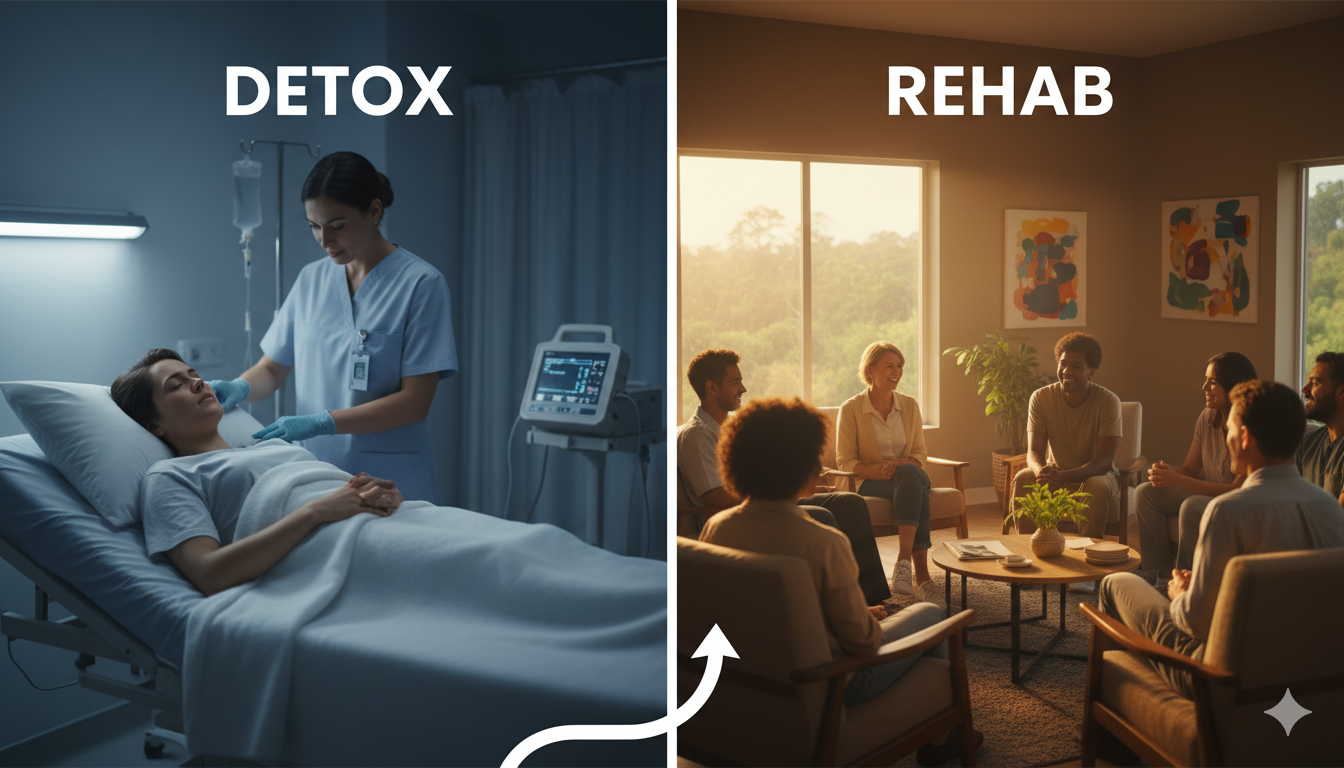
The journey to recovery from substance abuse is a deeply personal and often complex one. For individuals and their loved ones navigating this path, understanding the distinct yet interconnected roles of detox and rehabilitation is crucial. While often used interchangeably, these terms represent different stages of the recovery process, each with its own unique focus and methodology. This article will delve into the nuances of medical detox and rehabilitation, exploring their differences, the medical detox process, and why both are vital components of a successful long-term recovery.
The Alarming Need: A Glimpse into Substance Abuse Statistics
The scope of substance abuse in the United States is staggering, highlighting the urgent need for effective treatment solutions. According to the Substance Abuse and Mental Health Services Administration (SAMHSA), in 2022, 48.7 million people aged 12 or older had a substance use disorder (SUD) in the past year. This includes 29.5 million people with an alcohol use disorder and 27.2 million people with an illicit drug use disorder. These figures underscore the pervasive nature of addiction and the critical importance of accessible and comprehensive treatment options. The Centers for Disease Control and Prevention (CDC) reported over 112,000 drug overdose deaths in the 12-month period ending in May 2023, further emphasizing the life-threatening consequences of untreated substance use disorders. These statistics paint a grim picture, but they also highlight the profound impact that effective interventions, starting with medical detox and continuing through rehabilitation, can have on saving lives and restoring well-being.
Detoxification: The Essential First Step
What is Detox?
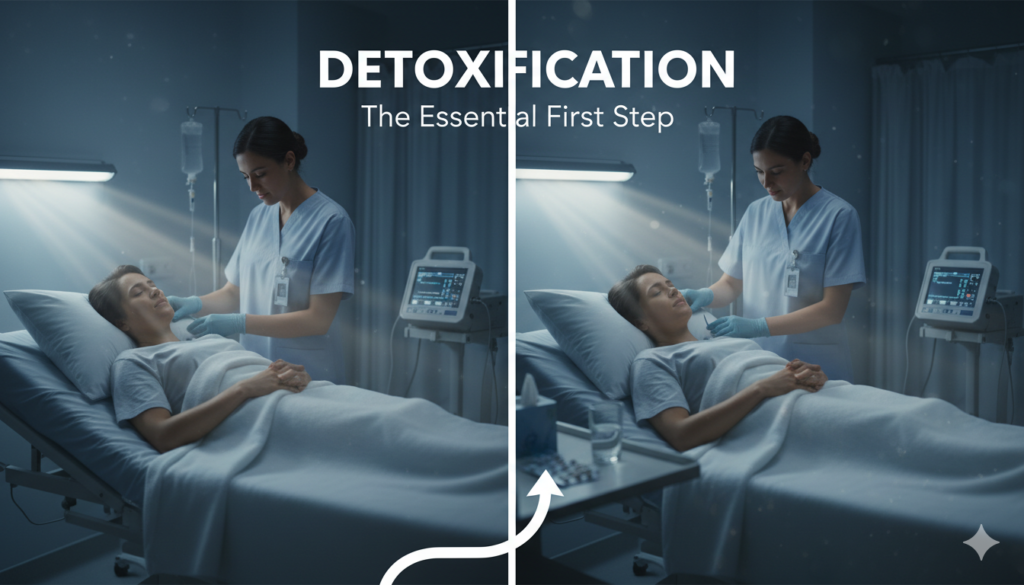
Detoxification, or detox, is the initial and often most critical stage in treating substance use disorders. It is the process by which the body rids itself of drugs and alcohol. For individuals with physical dependence, abruptly stopping substance use can lead to uncomfortable, painful, and potentially life-threatening withdrawal symptoms. The primary goal of detox is to manage these withdrawal symptoms safely and effectively, stabilizing the individual physically and mentally so they can prepare for further treatment.
The Medical Detox Process: A Closer Look
The medical detox process is a supervised approach to detoxification that takes place in a controlled environment, typically a specialized detox facility, hospital, or a dedicated unit within a rehabilitation center. This medical oversight is crucial because withdrawal symptoms can range from mild discomfort to severe medical emergencies, depending on the substance, the duration and intensity of use, and the individual’s overall health.
Initial Assessment: The medical detox process begins with a comprehensive assessment by a team of healthcare professionals. This assessment includes:
Medical History: A thorough review of the individual’s physical and mental health history, including any pre-existing conditions, medications, and previous detox or treatment experiences.
Substance Use History: Detailed information about the type of substance(s) used, the duration and frequency of use, the typical dosage, and the last time the substance was consumed.
Physical Examination: A complete physical exam to assess the individual’s current health status, vital signs, and any immediate medical concerns.
Psychological Evaluation: An assessment to identify any co-occurring mental health disorders, which are common among individuals with SUDs and can significantly impact the detox and recovery process.
This initial assessment is vital for creating a personalized detox plan tailored to the individual’s specific needs and risks.
Stabilization: Once the assessment is complete, the medical detox process moves into the stabilization phase. This involves managing withdrawal symptoms through a combination of:
Medication-Assisted Treatment (MAT): For many substances, particularly opioids, alcohol, and benzodiazepines, medications are essential to alleviate withdrawal symptoms and prevent complications.
Opioid Withdrawal: Medications like buprenorphine (Suboxone, Subutex) and naltrexone can significantly reduce cravings and withdrawal symptoms, making the process more manageable and safer. Methadone is also used in some structured programs for opioid dependence.
Alcohol Withdrawal: Benzodiazepines (e.g., Ativan, Valium, Librium) are commonly used to prevent seizures, delirium tremens (DTs), and other severe complications associated with alcohol withdrawal.
Benzodiazepine Withdrawal: Tapering schedules under medical supervision are often employed to slowly reduce the dosage of benzodiazepines, minimizing the risk of severe withdrawal symptoms, including seizures.
Other Medications: Depending on the individual’s symptoms, other medications may be used to address specific issues such as nausea, vomiting, diarrhea, muscle cramps, and insomnia.
Medical Monitoring: Throughout the medical detox process, individuals are under constant medical supervision. Nurses and doctors regularly monitor vital signs, assess symptoms, and adjust medications as needed. This continuous monitoring ensures that any complications are promptly addressed, and the individual’s safety and comfort are prioritized.
Supportive Care: Beyond medication, supportive care is an integral part of the medical detox process. This includes:
Nutritional Support: Many individuals entering detox are malnourished. A balanced diet and hydration are crucial for physical recovery.
Emotional Support: The detox process can be emotionally challenging. Staff provide reassurance, empathy, and a safe environment for individuals to express their feelings.
Comfort Measures: Ensuring a comfortable and quiet environment can help individuals manage the physical discomfort of withdrawal.
Duration of Detox: The length of the medical detox process varies depending on several factors, including:
Type of Substance: Withdrawal from short-acting substances may be shorter than from long-acting ones.
Severity of Dependence: Individuals with a long history of heavy use typically experience more severe and prolonged withdrawal.
Individual Metabolism: Each person metabolizes substances differently, influencing the duration of withdrawal.
Generally, medical detox can last anywhere from a few days to two weeks, with some prolonged cases requiring more extended medical management.
Why is Medical Detox Essential?
Safety: Unsupervised detox can be extremely dangerous. The risk of severe withdrawal symptoms, including seizures, heart problems, and delirium tremens, is high for certain substances. Medical detox provides a safe environment where these risks are minimized and managed.
Comfort: While detox is rarely pleasant, medical supervision and medication can significantly reduce the discomfort of withdrawal, making the process more tolerable.
Preparation for Treatment: Successful detox stabilizes the body and mind, making individuals more receptive and able to engage in the next stage of recovery: rehabilitation. Attempting rehab while still experiencing acute withdrawal symptoms is often ineffective.
Reduced Relapse Risk: Completing a medical detox program can reduce the immediate risk of relapse compared to attempting to detox without professional help.
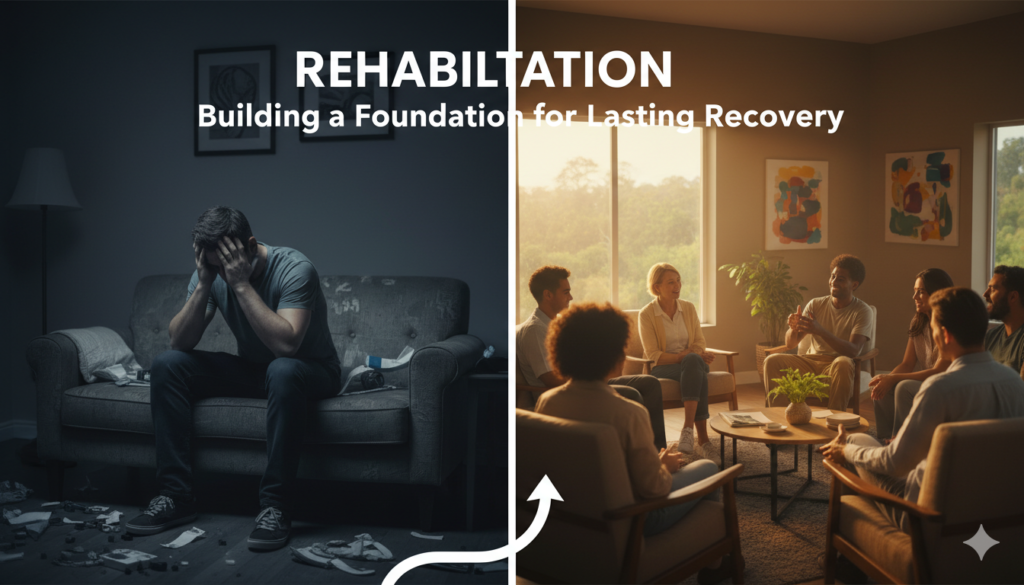
Rehabilitation: Building a Foundation for Lasting Recovery
What is Rehab?
Rehabilitation, or rehab, is the subsequent and sustained phase of treatment for substance use disorders. Unlike detox, which focuses on physical stabilization, rehab addresses the psychological, emotional, social, and behavioral aspects of addiction. Its primary goal is to help individuals understand the root causes of their substance use, develop coping mechanisms, build life skills, and create a strong foundation for long-term sobriety.
Types of Rehabilitation Programs:
Rehab programs are diverse, offering various levels of care and approaches to meet individual needs.
Inpatient/Residential Rehabilitation:
Description: Inpatient rehab involves living at a treatment facility for an extended period, typically 30, 60, or 90 days, or even longer in some cases. It provides a highly structured and immersive environment, removing individuals from triggers and negative influences.
Key Features: 24/7 supervision, intensive therapy (individual and group), educational workshops, holistic therapies (e.g., yoga, meditation, art therapy), peer support, and a focus on developing sober living skills.
Best Suited For: Individuals with severe substance use disorders, co-occurring mental health disorders, a history of relapse, or those who require a highly supportive and structured environment away from their daily lives.
Partial Hospitalization Programs (PHPs):
Description: PHPs offer a high level of care, similar to inpatient rehab, but individuals return home or to a sober living facility at night. They typically involve several hours of therapy and programming each day, five to seven days a week.
Key Features: Structured daily schedule, individual and group therapy, life skills training, medication management, and a step-down from inpatient care or an alternative for those who don’t require 24/7 supervision.
Best Suited For: Individuals who have completed inpatient care and need a continued high level of support, or those whose home environment is stable enough to allow them to return nightly.
Intensive Outpatient Programs (IOPs):
Description: IOPs provide a flexible yet structured approach to treatment. Individuals attend therapy sessions for a few hours per day, a few days per week, allowing them to maintain work, school, or family responsibilities.
Key Features: Group therapy, individual counseling, relapse prevention education, life skills development, and often medication management.
Best Suited For: Individuals with less severe SUDs, those transitioning from higher levels of care, or those with strong support systems at home who can balance treatment with other responsibilities.
Outpatient Programs (OPs):
Description: Standard outpatient programs offer the least intensive level of care, typically involving weekly or bi-weekly therapy sessions.
Key Features: Individual counseling, group therapy, and support for maintaining sobriety.
Best Suited For: Individuals with mild SUDs, those who have completed higher levels of care and are seeking ongoing support, or those who are highly motivated and have a stable support system.
The Core Components of Rehabilitation:
Regardless of the program type, effective rehabilitation typically incorporates several key components:
Therapy and Counseling:
Individual Therapy: One-on-one sessions with a therapist to explore personal issues, trauma, co-occurring mental health disorders, and develop personalized coping strategies. Cognitive Behavioral Therapy (CBT), Dialectical Behavior Therapy (DBT), and Motivational Interviewing are common therapeutic approaches.
Group Therapy: Provides a supportive environment where individuals share experiences, learn from others, practice communication skills, and develop a sense of community. This is crucial for reducing feelings of isolation and shame.
Family Therapy: Addiction impacts the entire family system. Family therapy helps to heal relationships, improve communication, and educate family members about addiction and recovery.
Education and Life Skills Training:
Understanding Addiction: Learning about the disease of addiction, its neurological effects, triggers, and relapse warning signs.
Coping Mechanisms: Developing healthy ways to manage stress, cravings, emotional challenges, and difficult situations without resorting to substance use.
Life Skills: Practical skills such as financial management, job searching, healthy communication, anger management, and conflict resolution are often taught to help individuals reintegrate into society.
Holistic Therapies:
Many rehab programs incorporate holistic approaches to address the mind, body, and spirit. These can include:
Yoga and Meditation: To reduce stress, improve mindfulness, and promote relaxation.
Art and Music Therapy: To provide creative outlets for emotional expression.
Nutrition and Fitness: To promote physical health and well-being.
Aftercare Planning:
A crucial part of rehabilitation is developing a comprehensive aftercare plan before an individual leaves the program. This plan typically includes:
Ongoing Therapy: Continued individual or group therapy sessions.
Support Groups: Participation in 12-step programs (e.g., Alcoholics Anonymous, Narcotics Anonymous) or other peer support groups.
Sober Living: Recommendations for transitional housing in sober living environments.
Relapse Prevention Strategies: Identifying potential triggers and developing specific plans to manage them.
Why is Rehabilitation Essential?
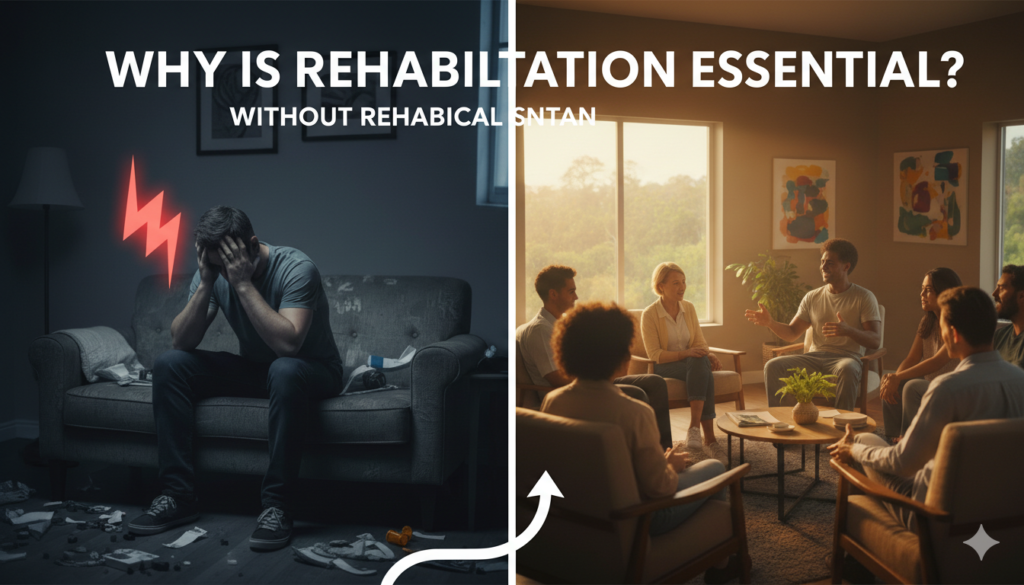
Addressing Root Causes: Rehab goes beyond physical dependence, delving into the underlying psychological and emotional factors contributing to addiction.
Developing Coping Skills: It equips individuals with the tools and strategies needed to navigate life’s challenges without resorting to substance use.
Building a Support System: Rehab fosters connections with peers and professionals who understand the journey, reducing isolation and building a network of support.
Preventing Relapse: Through comprehensive therapy, education, and aftercare planning, rehab significantly reduces the likelihood of relapse and promotes long-term sobriety.
Healing and Growth: It provides a safe space for individuals to heal from past traumas, develop self-awareness, and grow into healthier, more fulfilling lives.
Detox vs. Rehab: The Critical Distinction
While intertwined, the differences between detox and rehab are fundamental:
Focus:
Detox: Primarily focuses on the physical elimination of substances from the body and the safe management of acute withdrawal symptoms. It’s a medical process aimed at stabilization.
Rehab: Focuses on the psychological, emotional, behavioral, and social aspects of addiction. It’s a therapeutic process aimed at long-term recovery and lifestyle change.
Duration:
Detox: Relatively short-term, typically lasting a few days to two weeks.
Rehab: Long-term, often extending for several weeks or months, and sometimes followed by ongoing outpatient care.
Environment:
Detox: Often takes place in a medical setting with 24/7 medical supervision.
Rehab: Can be inpatient (residential), partial hospitalization, or outpatient, with varying levels of medical oversight depending on the program.
Goals:
Detox: To achieve physical sobriety and medical stability.
Rehab: To achieve sustained sobriety, address underlying issues, develop coping skills, and promote a healthy, drug-free lifestyle.
Medical Intervention:
Detox: Heavily reliant on medical intervention, including medication-assisted treatment, to manage withdrawal.
Rehab: While medical management (e.g., for co-occurring mental health disorders) may be part of rehab, the primary focus is on therapeutic interventions.
The Interconnectedness: Why Both Are Necessary

It is crucial to understand that detox and rehab are not mutually exclusive; rather, they are sequential and complementary stages of a comprehensive recovery plan. Detox prepares the body, while rehab prepares the mind and spirit for sustained sobriety.
Detox without rehab is often insufficient for long-term recovery. Individuals who complete detox but do not continue into rehabilitation are at a significantly higher risk of relapse. Without addressing the underlying issues of addiction, learning coping mechanisms, and developing a support system, the physical sobriety achieved in detox is fragile. The cravings and psychological triggers that led to substance use will likely resurface, often leading to a return to use, sometimes with even greater intensity, increasing the risk of overdose.
Conversely, attempting rehab without first completing detox can be ineffective and even dangerous. An individual still experiencing severe withdrawal symptoms will be unable to fully engage in therapy, absorb new information, or participate meaningfully in group discussions. Their physical discomfort and medical instability would impede their ability to benefit from the therapeutic interventions offered in rehab.
Therefore, the most effective path to recovery typically involves:
- Medical Detox Process: Safely clearing the body of substances and stabilizing the individual physically and mentally.
- Transition to Rehabilitation: Immediately following detox, moving into an appropriate level of rehabilitation care (inpatient, PHP, IOP, or OP) to address the psychological and behavioral aspects of addiction.
- Ongoing Aftercare: Continuing with therapy, support groups, and other resources to maintain sobriety and prevent relapse long-term.
Choosing the Right Path: Factors to Consider
Deciding on the appropriate level of care for detox and rehab involves considering several factors:
Severity of Addiction: The type of substance, duration of use, and the presence of physical dependence will dictate the intensity of detox required.
Co-occurring Mental Health Disorders: Many individuals with SUDs also have co-occurring mental health conditions (e.g., depression, anxiety, PTSD). Integrated treatment that addresses both is essential.
Support System: The strength and stability of an individual’s home environment and social support network can influence the choice between inpatient and outpatient options.
Previous Treatment History: A history of relapse may indicate a need for a more intensive or structured program.
Financial Considerations: Insurance coverage and financial resources play a role in determining accessible treatment options. However, many facilities offer various payment plans or assistance programs.
The Role of Dual Diagnosis Treatment
A significant percentage of individuals struggling with substance use disorders also experience co-occurring mental health conditions. This is often referred to as a “dual diagnosis.” Addressing both conditions simultaneously is paramount for successful long-term recovery. Many reputable rehabilitation centers offer integrated dual diagnosis treatment, recognizing that treating one without addressing the other significantly increases the risk of relapse for both conditions. During the medical detox process, the psychiatric assessment component is crucial for identifying these co-occurring disorders, allowing for appropriate medication management and therapeutic interventions to be integrated into the treatment plan from the outset. For example, an individual detoxing from alcohol who also has severe anxiety may receive medication to manage both withdrawal symptoms and anxiety, alongside therapy tailored to address both conditions.
The Importance of Aftercare and Long-Term Support
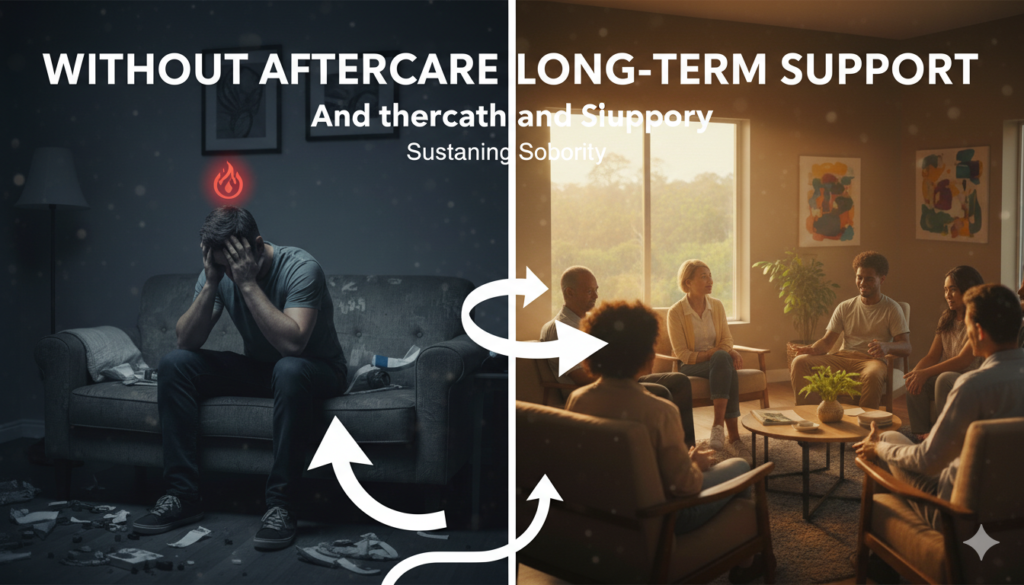
Completing a medical detox process and a rehabilitation program is a monumental achievement, but it is not the end of the recovery journey. Addiction is a chronic disease, and sustained recovery requires ongoing commitment and support. Aftercare planning, initiated during rehabilitation, is crucial for maintaining sobriety and preventing relapse. This often includes:
12-Step Programs (AA, NA, etc.): These peer-led support groups provide a powerful sense of community, accountability, and a framework for living a sober life. The anonymity and shared experiences within these groups offer invaluable support.
Non-12-Step Alternatives: For those who prefer other approaches, SMART Recovery, Refuge Recovery, and Women for Sobriety offer evidence-based alternatives focused on self-empowerment and cognitive behavioral principles.
Individual and Group Therapy: Continuing therapy sessions can help individuals navigate life’s challenges, process new experiences, and address any emerging issues without resorting to substance use.
Sober Living Environments: For some, transitioning to a sober living home provides a structured, drug-free environment and peer support during the reintegration process into independent living.
Alumni Programs: Many treatment centers offer alumni programs that provide ongoing support, events, and a network for graduates of their programs.
Family Support: Continued engagement with family therapy or support groups for loved ones (e.g., Al-Anon, Nar-Anon) can strengthen family relationships and create a healthier home environment conducive to recovery.
The Human Element: Empathy, Dignity, and Hope
While discussing the clinical aspects of detox and rehab, it’s vital to remember the human element. The journey of recovery is profoundly personal and often fraught with pain, fear, and stigma. Effective treatment programs prioritize empathy, treating individuals with dignity and respect at every stage. A compassionate approach during the medical detox process can significantly impact an individual’s willingness to engage in further treatment. Likewise, a supportive and understanding environment in rehabilitation fosters trust and encourages vulnerability, which are essential for therapeutic progress. Recovery is not just about abstaining from substances; it’s about rebuilding lives, restoring hope, and empowering individuals to discover their inherent worth and potential.
Conclusion: A Unified Path to Healing

Understanding the difference between detox and rehab is not merely an academic exercise; it is a critical distinction that empowers individuals and their families to make informed decisions about addiction treatment. The medical detox process provides the essential physical stabilization needed to safely navigate withdrawal, clearing the way for the profound therapeutic work that occurs in rehabilitation. Together, these two stages form a unified and comprehensive path to healing, addressing both the physical dependence and the underlying psychological and behavioral complexities of addiction. By embracing both detox and rehab, individuals can lay a solid foundation for long-term sobriety, reclaim their lives, and embark on a journey of lasting recovery and well-being. The road may be challenging, but with the right support and a clear understanding of the treatment process, a life free from the grip of substance abuse is not just a possibility—it is an achievable reality.
References:
Substance Abuse and Mental Health Services Administration. (2023). Key Substance Use and Mental Health Indicators in the United States: Results from the 2022 National Survey on Drug Use and Health. SAMHSA.
Centers for Disease Control and Prevention. (2023). Provisional Drug Overdose Death Counts. CDC National Center for Health Statistics.