The relentless pressure to excel academically has become an undeniable reality for students across all levels of education. From elementary school to postgraduate studies, the expectation to achieve top grades, secure internships, and gain admission to prestigious programs often feels overwhelming. In this high-stakes environment, a dangerous myth has taken root – the idea that “study drugs” can offer a quick and easy path to academic success. This article, written from the perspective of a health professional, aims to debunk this pervasive myth, shedding light on the serious risks and long-term consequences associated with prescription drug abuse in students.
The Allure of the “Smart Pill”
The term “study drugs” typically refers to prescription stimulants such as Adderall, Ritalin, Concerta, and Vyvanse. These medications are legally prescribed to individuals diagnosed with Attention-Deficit/Hyperactivity Disorder (ADHD) to help them manage symptoms like inattention, hyperactivity, and impulsivity. When used as prescribed under medical supervision, they can be highly effective in improving focus and concentration for those with ADHD.
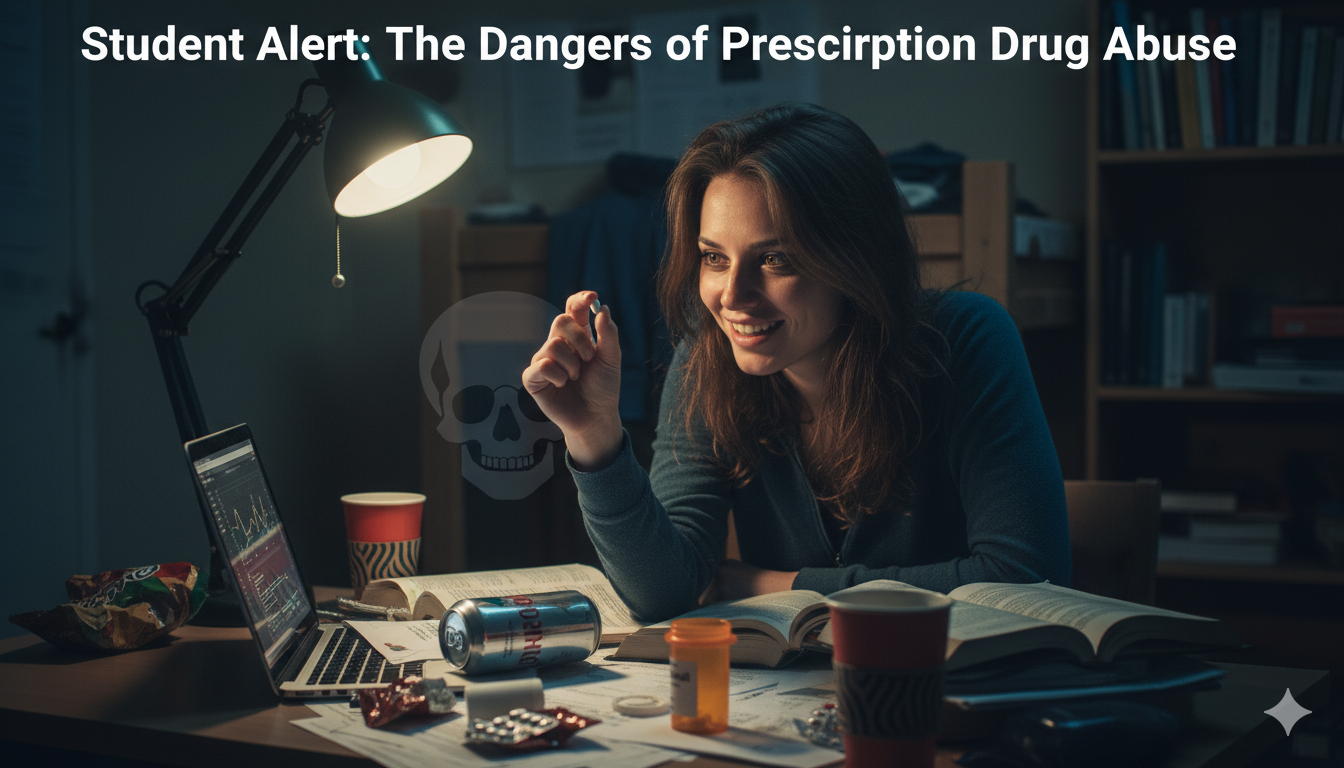
However, a concerning trend has emerged where students without an ADHD diagnosis are misusing these drugs, often obtaining them illegally from peers, friends, or illicit online sources. The appeal is understandable: in a competitive academic landscape, the promise of enhanced focus, increased alertness, and improved memory seems like a powerful advantage. Students report taking these drugs to pull all-nighters before exams, churn out lengthy papers, or simply to feel more engaged during lectures. The perception is that these “smart pills” can transform anyone into a super-student, capable of tackling any academic challenge with ease.
The Reality: A Dangerous Illusion
The reality, however, is far from this idealized image. While stimulants can temporarily increase alertness and energy levels in individuals without ADHD, they do not enhance cognitive abilities in the way many students believe. In fact, studies have shown that non-ADHD individuals using these drugs may experience a perceived improvement in performance, but objective measures often reveal no significant academic benefit, and sometimes even a decline in complex cognitive tasks.
Dr. Nora Volkow, Director of the National Institute on Drug Abuse (NIDA), emphasizes that “while these medications can be very helpful for people with ADHD, they are not a shortcut to better grades for those without the disorder.” She further notes that “misusing them can lead to serious health consequences, including addiction.”
The Dark Side of “Study Drugs”: Risks and Consequences

The misuse of prescription stimulants is not a benign act; it carries a significant array of health, academic, and legal risks. Understanding these dangers is crucial for students to make informed decisions about their well-being.
- Addiction and Dependence:
Perhaps the most significant risk associated with prescription drug abuse in students is the potential for addiction. Stimulants work by increasing the levels of dopamine in the brain, a neurotransmitter associated with pleasure and reward. While this mechanism is therapeutic for individuals with ADHD, in non-ADHD brains, it can lead to a euphoric rush and a strong desire to repeat the experience.
Prolonged misuse can lead to physical and psychological dependence. When students try to stop taking the drugs, they may experience withdrawal symptoms such as fatigue, depression, sleep disturbances, and intense cravings. This cycle can make it incredibly difficult to cease use, trapping students in a dangerous pattern of abuse. The long-term impact on the brain’s reward system can also make it harder to experience pleasure from natural rewards, further perpetuating the cycle of dependence. - Cardiovascular Problems:
Prescription stimulants can significantly impact the cardiovascular system. They can increase heart rate, blood pressure, and body temperature. For individuals with underlying heart conditions, even undiagnosed ones, this can be extremely dangerous, potentially leading to arrhythmias, heart attacks, or strokes. Even in otherwise healthy individuals, chronic misuse can put undue strain on the heart, increasing the risk of long-term cardiovascular issues. - Mental Health Deterioration:
While some students may initially feel a boost in mood or confidence, long-term misuse of stimulants can exacerbate or trigger serious mental health problems. Anxiety, paranoia, irritability, and even psychosis can develop. Students may experience increased agitation, difficulty sleeping, and profound mood swings. For those with pre-existing mental health conditions like anxiety or depression, stimulant abuse can significantly worsen their symptoms, leading to a downward spiral. The sleep deprivation often associated with “study drug” use further compounds these mental health challenges, creating a vicious cycle of fatigue, stress, and drug reliance. - Academic Performance Paradox:
The irony of using “study drugs” for academic enhancement is that they often lead to a decline in actual performance. While an initial burst of focus might occur, sustained misuse can impair critical thinking, problem-solving abilities, and creativity. Students may become fixated on minor details, miss the bigger picture, and struggle with complex reasoning. The quality of their work can suffer, and their ability to genuinely learn and retain information may be compromised. Furthermore, the crash that often follows stimulant use can leave students feeling exhausted, irritable, and unable to concentrate, making it difficult to engage in subsequent academic activities. - Sleep Deprivation:
One of the primary reasons students misuse stimulants is to stay awake for extended periods. However, chronic sleep deprivation has profound negative effects on physical and mental health. It impairs cognitive function, memory consolidation, immune system strength, and emotional regulation. Over time, the body and mind simply cannot function optimally without adequate rest, leading to a host of problems that negate any perceived short-term academic gains. - Legal Consequences:
Obtaining or possessing prescription stimulants without a valid prescription is illegal. Students caught with these drugs can face serious legal repercussions, including arrest, fines, and even jail time. A criminal record can have far-reaching consequences, impacting future educational opportunities, employment prospects, and personal reputation. Universities also have strict policies regarding drug misuse, and students found in violation can face academic probation, suspension, or expulsion. - Dangerous Combinations:
The risks are amplified when stimulants are combined with other substances, particularly alcohol. Mixing stimulants with alcohol can mask the effects of alcohol, leading individuals to consume more than they normally would, increasing the risk of alcohol poisoning. The combination also puts additional stress on the cardiovascular system and can lead to unpredictable and dangerous behaviors.
The “Study Drug” Epidemic: Why it Persists
Despite the clear dangers, the myth of “study drugs” persists and their misuse remains a significant concern on college campuses and even in high schools. Several factors contribute to this enduring problem:
- Peer Pressure and Social Norms: Many students witness their peers using these drugs and seemingly succeeding, creating a perception that it’s a common and acceptable practice. The pressure to conform and keep up can be immense.
- Academic Stress: The intense competition for grades and future opportunities creates an environment where students feel desperate for any perceived advantage.
- Misinformation and Lack of Awareness: Many students are genuinely unaware of the severe risks associated with prescription stimulant misuse. They may believe the drugs are harmless because they are prescribed medications.
- Easy Access: The illicit market for these drugs is often fueled by students who have legitimate prescriptions and divert their medication, or by individuals exploiting online pharmacies.
- Perceived Low Risk: Unlike illicit street drugs, prescription medications often carry a veneer of safety, leading students to underestimate their addictive potential and side effects.
What Students Can Do: Healthy Alternatives to Academic Success

Dispelling the myth of “study drugs” requires a shift in mindset and a commitment to healthy, sustainable strategies for academic achievement. As a health professional, I strongly advocate for the following:
- Prioritize Sleep: Adequate sleep is not a luxury; it’s a necessity for optimal cognitive function, memory consolidation, and overall well-being. Aim for 7-9 hours of quality sleep per night. Establish a consistent sleep schedule, create a relaxing bedtime routine, and avoid caffeine and screens before bed.
- Develop Effective Study Habits:
- Time Management: Utilize planners, calendars, and to-do lists to organize your academic tasks. Break down large assignments into smaller, manageable steps.
- Active Learning: Don’t just passively read. Engage with the material by summarizing, questioning, teaching others, or creating flashcards.
- Regular Breaks: Incorporate short breaks into your study sessions to prevent burnout and maintain focus. The Pomodoro Technique (25 minutes of study, 5 minutes break) is a popular method.
- Identify Your Learning Style: Understand whether you’re a visual, auditory, or kinesthetic learner and tailor your study methods accordingly.
- Stress Management Techniques: Academic life is inherently stressful, but healthy coping mechanisms are crucial.
- Mindfulness and Meditation: Practicing mindfulness can help reduce anxiety and improve focus.
- Physical Activity: Regular exercise is a powerful stress reliever and can boost cognitive function.
- Hobbies and Social Connection: Engage in activities you enjoy and maintain strong social connections to provide balance and support.
- Deep Breathing Exercises: Simple breathing techniques can quickly calm the nervous system during stressful moments.
- Nutritious Diet: Fueling your brain with a balanced diet rich in fruits, vegetables, whole grains, and lean proteins is essential for sustained energy and cognitive health. Avoid excessive sugar, processed foods, and unhealthy fats.
- Seek Support When Needed:
- Academic Support Services: Most educational institutions offer tutoring, writing centers, and academic coaching. Don’t hesitate to utilize these resources.
- Mental Health Services: If you’re struggling with stress, anxiety, depression, or feel overwhelmed, seek help from campus counseling services or a mental health professional.
- Disability Services: If you suspect you may have ADHD or another learning disability, get properly diagnosed. A diagnosis can provide access to appropriate accommodations and support.
- Understand Your Medications: If you are legitimately prescribed stimulant medication for ADHD, adhere strictly to your doctor’s instructions. Never share your medication with others, and discuss any concerns or side effects with your healthcare provider.
The Role of Institutions and Parents
Educational institutions and parents also play a critical role in addressing prescription drug abuse in students.
- Institutions: Universities and colleges should implement comprehensive prevention programs that educate students about the dangers of stimulant misuse, promote healthy coping strategies, and provide accessible mental health and academic support services. Clear policies regarding drug misuse and robust enforcement are also essential. Training faculty and staff to recognize signs of drug abuse and mental health struggles can facilitate early intervention.
- Parents: Parents should engage in open and honest conversations with their children about the pressures of academic life, the risks of drug misuse, and healthy ways to manage stress. Monitoring prescription medications at home and ensuring they are securely stored can prevent diversion. Supporting children in developing good study habits and seeking professional help for academic or emotional struggles is paramount.
Conclusion: True Success is Built on Health and Integrity

The myth of “study drugs” offers a seductive but ultimately hollow promise. True academic success and personal well-being are not found in a pill but are forged through diligent effort, healthy habits, and resilience. As a health professional, I urge students to reject the illusion of a quick fix and instead embrace strategies that nourish their minds and bodies. Prioritizing sleep, developing effective study habits, managing stress, and seeking support when needed are the cornerstones of sustainable achievement.
Remember, your long-term health, integrity, and genuine learning are far more valuable than any fleeting, drug-induced boost. Choose health, choose integrity, and build a foundation for success that will serve you well, not just in academia, but throughout your life.
References:
- Volkow, N. D., & Baler, R. D. (2013). The Dark Side of the Brain: The Neuroscience of Drug Abuse. Oxford University Press. (This provides a general understanding of the neuroscience of drug abuse, though not specifically focused on study drugs, Dr. Volkow’s direct quotes come from NIDA publications and interviews.)
- National Institute on Drug Abuse (NIDA). (2018). Misuse of Prescription Drugs. Retrieved from https://www.drugabuse.gov/publications/research-reports/misuse-prescription-drugs (This is a foundational source for understanding prescription drug misuse.)
- Weyandt, L. L., White, T. L., Gudmundsdottir, B. G., Nitenson, A. N., Rathkey, E. S., Stoffel, J. P., … & Bjorn, S. (2018). Neurocognitive Effects of Stimulant Medication on Undiagnosed Individuals: A Systematic Review. Psychological Bulletin, 144(10), 985-1008. (This meta-analysis directly addresses the lack of cognitive enhancement in non-ADHD individuals.)
- Mayo Clinic. (2020). ADHD medication: Do stimulants increase the risk of heart problems? Retrieved from https://www.mayoclinic.org/diseases-conditions/adult-adhd/expert-answers/adhd-medication/faq-20058265 (While focused on prescribed use, it highlights the cardiovascular impact of stimulants.)
- American Academy of Sleep Medicine. (2019). Sleep disorders and mental health. Retrieved from https://aasm.org/clinical-resources/patient-info/health-topics/sleep-and-mental-health/ (General information on the critical link between sleep and mental health.)
- SAMHSA (Substance Abuse and Mental Health Services Administration). (2019). Combating the Opioid Crisis and Other Substance Abuse. Retrieved from https://www.samhsa.gov/opioids (SAMHSA provides broader resources on substance abuse, including prescription drugs.)
- Preventing Drug Abuse in Young Adults: A Research-Based Guide for Parents, Educators, and Community Leaders. (NIDA). (This is a broader guide from NIDA that informs prevention strategies.)
- PubMed Central (PMC) articles related to “non-medical use of prescription stimulants” and “college students”. (A broad search on PMC will yield numerous peer-reviewed studies on prevalence, motivations, and consequences of stimulant misuse in student populations.)