
Returning to work after addiction treatment can be an important step toward rebuilding a stable and independent life. However, the transition is not always easy. A person may feel nervous about meeting colleagues again, managing workplace stress, explaining an employment gap, or proving that they can handle their responsibilities.
Returning to work after addiction treatment involves more than finding a job or reporting to the workplace. It can require rebuilding confidence, establishing healthy routines, managing triggers, and learning how to balance professional responsibilities with ongoing recovery. With realistic expectations and appropriate support, many people can gradually return to work and develop a healthier relationship with their professional lives.
Why Returning to Work After Addiction Treatment Can Be Difficult
Addiction can affect several areas of life, including concentration, sleep, motivation, relationships, and decision-making. During recovery, a person may still be working to improve these areas. The pressure to perform well at work can make the transition more challenging. Deadlines, difficult colleagues, financial responsibilities, and long working hours may create stress, especially for someone who previously relied on substances to cope with uncomfortable emotions.
Some people also worry about how others will perceive them. They may fear judgment from colleagues or feel embarrassed about an employment gap. These concerns are understandable. However, returning to work does not require having every aspect of life perfectly organized. It requires a realistic plan, suitable support, and a willingness to address difficulties as they arise.
When Is the Right Time to Return to Work?
There is no single timeline that works for everyone. The appropriate time to return depends on the person’s health, treatment progress, job demands, and ability to manage everyday responsibilities. Some people may be ready to resume work relatively soon, while others may need more time to stabilize their health and recovery routine. A healthcare professional can help assess readiness, particularly when the job involves safety-sensitive duties, operating machinery, driving, or other responsibilities that require sustained attention.
Returning too quickly under intense pressure may make recovery more difficult. On the other hand, a carefully planned return can provide structure, purpose, social connection, and financial stability. The aim is to find a balance between professional responsibilities and the continued care that recovery may require.
Rebuilding Confidence in the Workplace
Low confidence is a common challenge when someone returns to work after a difficult period. A person may compare themselves with colleagues who have continued progressing in their careers. They may worry about lost opportunities, reduced income, or questions about their absence. Instead of trying to recover lost time immediately, focus on the responsibilities in front of you.
Completing tasks consistently, arriving on time, communicating clearly, and asking for help when necessary can gradually rebuild confidence. Small achievements matter because they provide evidence that professional reliability can be developed again. Mistakes may happen, particularly during a period of adjustment. The goal is to respond constructively rather than interpreting every setback as proof of failure.
Should You Tell Your Employer About Addiction Treatment?
Deciding whether to disclose addiction treatment is a personal decision that depends on the workplace, the nature of the job, applicable laws, and any relevant medical or safety requirements. Some people prefer to share limited information, while others may choose to discuss their treatment openly with a trusted manager or human resources representative. You generally do not need to share every detail of your personal history with colleagues. If an explanation is needed, a person may be able to say that they took medical leave and are now preparing to resume their responsibilities.
However, specific disclosure, fitness-for-duty, licensing, or safety requirements may apply to certain roles. It is important to understand the relevant workplace policies and local legal obligations before making a decision. The priority is to protect personal privacy while meeting legitimate professional and safety requirements.
Managing Workplace Stress Without Returning to Substance Use
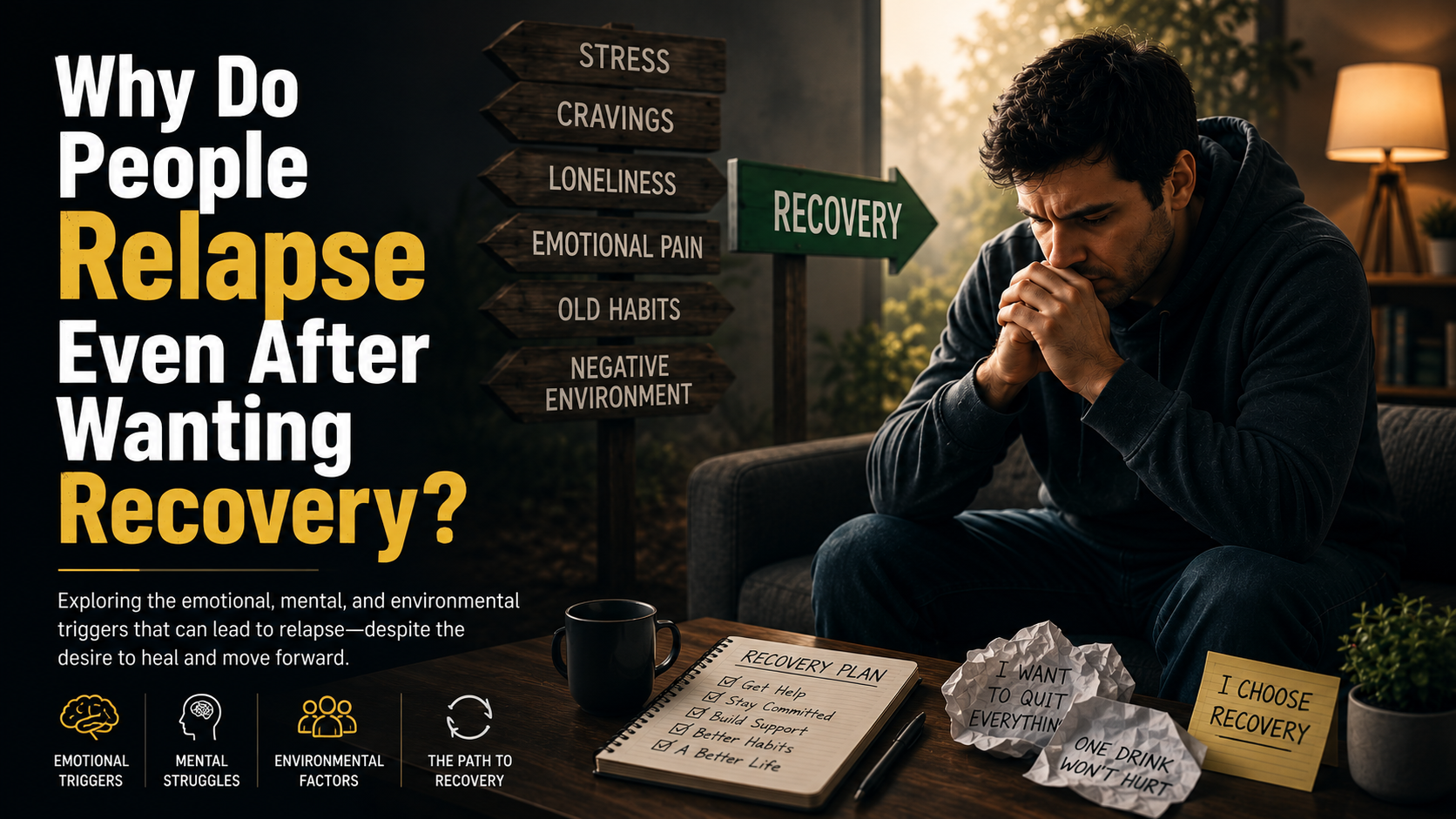
Workplace stress can become a concern when a person has previously used drugs or alcohol to escape pressure. A demanding supervisor, conflict with colleagues, financial worries, or a heavy workload may trigger familiar thoughts about using substances for relief. Recognizing these situations early is important. Rather than waiting until stress becomes overwhelming, develop a practical plan for managing it.
Taking appropriate breaks, organizing tasks, discussing unreasonable workloads, maintaining contact with supportive people, and continuing counseling when recommended can all help. It is also useful to identify personal warning signs, such as increasing irritability, isolation, neglecting recovery activities, or romanticizing past substance use.
Building a Healthy Work Routine
A sustainable routine can make the return to work more manageable. Sleep, meals, transport, working hours, exercise, and treatment appointments all need consideration. If these areas are unpredictable, daily responsibilities may become harder to manage. Try to establish a consistent sleep schedule and prepare for the next working day in advance. Organize important tasks, leave enough time for commuting, and avoid taking on unnecessary commitments during the initial adjustment period. If possible, discuss a gradual return or temporary adjustments with your employer when medically appropriate and available. A healthy routine should support both professional performance and recovery rather than treating them as competing priorities.
Handling Colleagues and Workplace Social Situations
Workplaces can involve social gatherings, celebrations, after-work events, or relationships with people who use alcohol or other substances. These situations may be uncomfortable for someone in recovery, particularly when substance use was previously part of their social life. It helps to decide in advance which situations feel safe and how to respond if someone offers a substance. A simple response such as, “No, thank you,” may be sufficient. You do not have to explain your entire recovery history to justify your decision.
If a particular gathering or relationship creates a significant risk, declining the invitation or leaving early can be a sensible choice. Building professional relationships around shared goals, respectful communication, and healthy activities can help create a more supportive working environment.
What If You Cannot Return to Your Previous Job?
Sometimes returning to the same workplace is not possible. A person may have lost their job, experienced a change in circumstances, or realized that their previous working environment creates serious recovery challenges. Although this can be disappointing, it does not mean that professional life is over.
Depending on their interests and circumstances, a person might explore a different employer, vocational training, further education, part-time work, or a gradual return to employment. It may help to identify the skills they already have and the areas where additional training would be useful. A career change should be approached realistically, with attention to finances, qualifications, health, and available opportunities. There is no need to solve every employment problem immediately after treatment.
Protecting Recovery While Building a Career
Work can provide purpose and stability, but it should not become the only focus of life. Some people return to work and immediately take on excessive hours because they want to recover financially or prove that they have changed. This can lead to exhaustion, neglected appointments, disrupted sleep, and increased stress.
A healthier approach is to treat recovery as an ongoing priority alongside employment. Continue recommended treatment, maintain supportive relationships, and make time for activities that promote well-being. If stress or cravings increase, address them early rather than assuming that professional responsibilities must always come first.
How Families Can Support a Return to Work
Family members can help by encouraging realistic goals rather than demanding immediate success. Someone returning to work may already feel pressure to compensate for lost income, repair relationships, or regain independence. Repeated criticism or comparisons with other people can make this transition harder.
Practical support may include helping with transport, encouraging a consistent routine, discussing household responsibilities, and recognizing steady progress. Support should still include reasonable expectations and boundaries. The goal is not to remove every responsibility but to help the person manage responsibilities in a healthier way.
Final Thoughts
Returning to work after addiction treatment can be a meaningful step toward independence, confidence, and stability. However, it may also involve uncertainty, workplace stress, social challenges, and the pressure to prove that life is back on track. The most effective approach is to plan realistically, establish healthy routines, seek support when needed, and avoid taking on more than can be managed safely.
Professional success does not require perfection. Consistency, honesty, responsible decision-making, and continued attention to recovery can help a person build a more sustainable working life. Recovery is not simply about returning to the life someone had before addiction. It is an opportunity to develop a healthier life, including a healthier relationship with work.
Frequently Asked Questions
How soon can someone return to work after addiction treatment?
The timeline varies according to health, treatment progress, job requirements, and individual circumstances. A healthcare professional can help determine whether a return to work is appropriate.
Should I tell my employer that I attended addiction treatment?
That depends on your circumstances, privacy preferences, workplace policies, and any legal or safety-related requirements. You can seek appropriate advice before deciding what to disclose.
How can I manage stress at work without using drugs?
Identify personal triggers, maintain healthy routines, take appropriate breaks, communicate about workplace difficulties, and continue professional or peer support when needed.
What if my colleagues judge me because of my past addiction?
You do not have to share your private medical history with everyone. Focus on professional conduct, maintain appropriate boundaries, and seek support if you experience discrimination or harassment.
Can returning to work increase relapse risk?
Workplace stress, exhaustion, and exposure to triggers may increase vulnerability for some people. A realistic workload, continued treatment, and an individualized relapse-prevention plan can help manage these risks.
What if I am not ready to return to full-time work?
Discuss your situation with a qualified healthcare professional. Depending on your circumstances, a gradual return, reduced hours, vocational support, or additional treatment may be appropriate.
How can family members help someone return to work after rehab?
Families can encourage realistic goals, support healthy routines, recognize progress, and maintain appropriate boundaries without placing excessive pressure on the person.