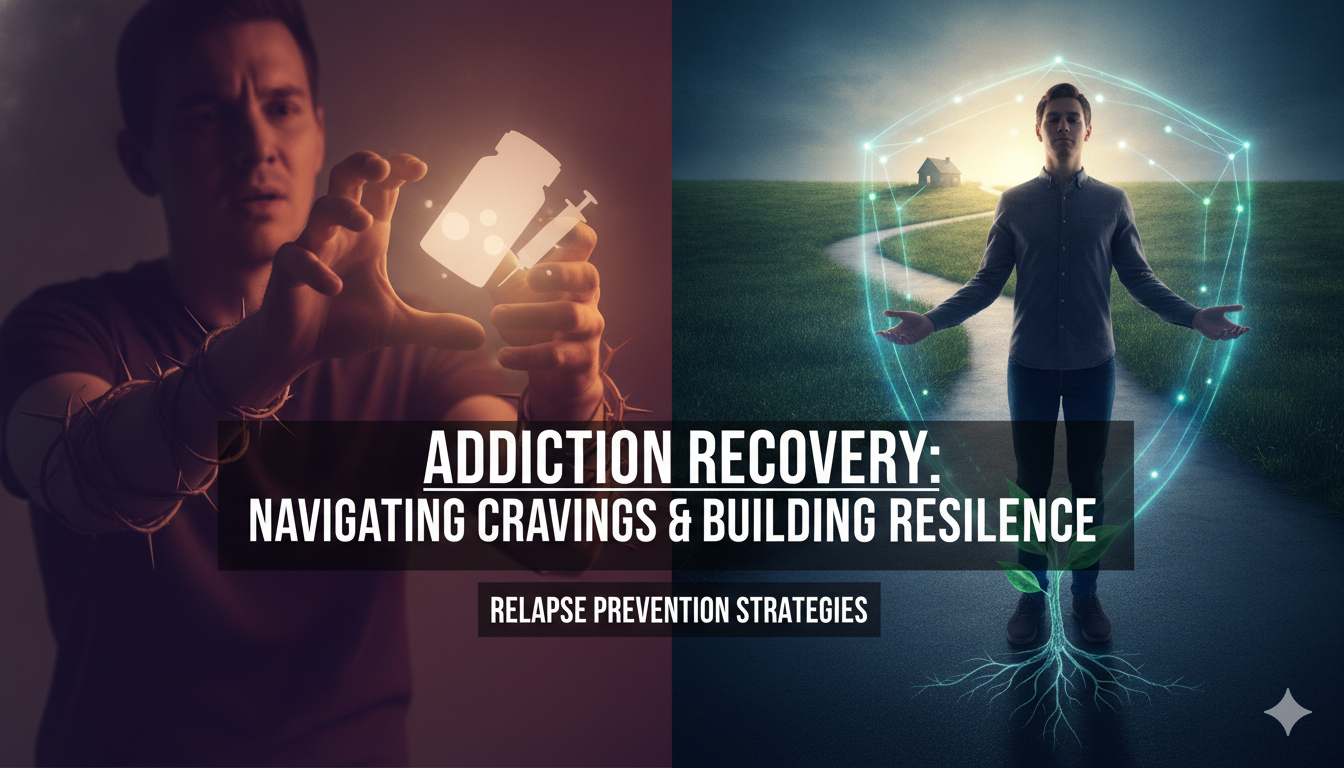
For many people in recovery, one of the most frustrating experiences is dealing with drug cravings. A person may genuinely want to stay sober, understand the dangers of substance use, and feel committed to recovery—yet still experience powerful urges to use drugs again. This often creates confusion. People sometimes ask, “If I know drugs have harmed my life, why do I still crave them?”
The answer lies in how addiction affects the brain. Drug cravings are not simply a matter of weak willpower or poor decision-making. They are deeply connected to changes that occur within the brain’s reward, memory, and motivation systems. Understanding the science behind drug cravings can help individuals recognize why urges occur and, more importantly, how to manage them without returning to substance use.
What Are Drug Cravings?
A drug craving is a strong desire or urge to use a substance. These urges can vary in intensity. Sometimes a craving appears as a passing thought. At other times, it may feel overwhelming and difficult to ignore. Cravings can involve both physical and psychological experiences. A person may notice restlessness, anxiety, racing thoughts, emotional discomfort, or an intense focus on obtaining the substance.
Importantly, cravings are a normal part of recovery. Experiencing them does not mean treatment has failed or that relapse is inevitable. In fact, many people who achieve long-term sobriety continue to experience occasional cravings, especially during stressful situations or significant life events.
Why Do Drug Cravings Happen?
Drug cravings occur because addiction changes how the brain processes reward and motivation. When a person repeatedly uses drugs, the brain begins associating the substance with relief, pleasure, comfort, or escape from emotional pain.
Over time, these associations become deeply ingrained. The brain learns to view the drug as a solution to discomfort, even when the substance is causing serious harm. As discussed in our article on The Science of Addiction: How Drugs Rewire the Brain, repeated drug use strengthens pathways that encourage substance-seeking behavior while weakening healthy coping mechanisms. Even after someone stops using drugs, those pathways do not disappear overnight. For a deeper understanding of brain recovery, see our article on How Long Does It Take the Brain to Recover Dopamine After Addiction? https://jadeedrifah.com/the-science-of-addiction-how-drugs-rewire-the-brain/.
The Role of Dopamine in Drug Cravings
Dopamine plays a major role in craving development. Many people think dopamine is responsible only for pleasure, but it is also heavily involved in anticipation and motivation. When a person uses drugs, dopamine levels rise dramatically. Eventually, the brain begins anticipating these dopamine surges whenever it encounters reminders associated with substance use.
This means cravings can be triggered long before a drug is actually used. A person may experience an urge simply by seeing a familiar location, hearing a particular song, or encountering people connected to past substance use. These triggers activate brain circuits that have learned to associate certain experiences with reward.
This process helps explain why cravings can appear unexpectedly, even after weeks or months of sobriety. For a deeper understanding of brain recovery, see our article on How Long Does It Take the Brain to Recover Dopamine After Addiction?
Common Triggers That Cause Drug Cravings
Drug cravings rarely occur without a reason. Most are connected to specific triggers. One of the most common triggers is stress. When people feel overwhelmed, the brain may remember substances that previously provided temporary relief.
Certain emotions can also trigger cravings. Feelings such as loneliness, anger, anxiety, guilt, boredom, or sadness may activate memories of past substance use. Environmental cues often play a significant role as well. Returning to places where drugs were used, meeting former drug-using friends, or even seeing drug-related objects can stimulate cravings.
In rehabilitation settings, many patients are surprised by how strongly everyday situations can affect their recovery. A simple smell, conversation, or location may activate memories linked to substance use. This does not mean recovery is failing. It simply reflects how powerfully the brain stores emotional and behavioral associations.
Why Cravings Can Continue After Detox
Many individuals assume cravings should disappear once detoxification is complete. Unfortunately, recovery is not that simple.
Detox helps the body eliminate substances and manage withdrawal symptoms, but it does not immediately reverse the neurological changes caused by addiction. The brain requires time to heal. This is one reason cravings may continue long after physical withdrawal symptoms have ended. The earliest stage of recovery can be particularly challenging, as explained in https://jadeedrifah.com/first-72-hours-of-sobriety/.
Some individuals experience periods of intense cravings weeks or even months into recovery. In many cases, these episodes are linked to a condition known as Post-Acute Withdrawal Syndrome (PAWS), which can affect mood, motivation, and emotional stability during long-term recovery. Understanding this process can help people remain patient while their brains continue healing.
Are Cravings a Sign of Relapse?
Not necessarily. One of the most harmful misconceptions in recovery is the belief that having a craving means a person is about to relapse. The reality is quite different. A craving is simply a signal. It is an experience, not a decision. Relapse occurs when a person acts on that urge.
Many individuals in long-term recovery experience cravings without returning to substance use. The difference lies in how they respond to those urges. Learning healthy coping strategies can significantly reduce the risk of relapse.
Practical Ways to Manage Drug Cravings
Although cravings cannot always be prevented, they can be managed effectively.
Understand That Cravings Are Temporary
One of the most important things to remember is that cravings do not last forever. Most urges gradually decrease if they are not acted upon. Many people describe cravings as waves. They rise, reach a peak, and eventually pass. Reminding yourself that the feeling is temporary can reduce its power.
Identify Personal Triggers
Keeping a journal can help identify situations, emotions, or environments that trigger cravings. Once triggers become clear, individuals can develop strategies to avoid or manage them more effectively.
Stay Connected to Support Systems
Isolation often increases vulnerability to cravings. Support from family members, counselors, recovery groups, and treatment professionals can provide encouragement during difficult moments. Sometimes a simple conversation can help interrupt the cycle of craving and reduce emotional distress.
Develop Healthy Alternatives
Recovery is not just about avoiding drugs. It is about creating a life that feels meaningful without them. Exercise, hobbies, volunteer work, education, and spending time with supportive people can help activate healthier reward pathways within the brain. As natural sources of satisfaction become stronger, cravings often become easier to manage.
Practice Mindfulness Techniques
Mindfulness teaches individuals to observe cravings without immediately reacting to them. Instead of fighting the urge or becoming overwhelmed by it, people learn to acknowledge its presence and allow it to pass.
Many treatment programs use mindfulness-based approaches because they can help reduce impulsive reactions and improve emotional regulation.
What We Commonly Observe in Recovery
At addiction treatment centers, one pattern appears repeatedly. Patients often fear cravings more than the cravings themselves. When an urge appears, some individuals immediately assume they are losing control or moving toward relapse. This fear can increase anxiety, which in turn makes the craving feel stronger.
However, people who understand the recovery process often respond differently. They recognize cravings as a temporary part of healing rather than a sign of failure. Over time, this shift in perspective can significantly improve recovery outcomes.
Why Education Helps Prevent Relapse
Knowledge is a powerful recovery tool. When people understand why cravings occur, they become less likely to panic when urges appear. Instead of interpreting cravings as personal weakness, they begin viewing them as predictable neurological responses that can be managed.
This understanding creates confidence. Confidence reduces fear. And reduced fear often makes cravings easier to handle.
As we discuss in Why People Relapse: The Hidden Psychology Behind Addiction Recovery, relapse rarely happens because someone suddenly decides to abandon recovery. More often, it occurs when people underestimate triggers or overestimate their ability to handle them alone. As we discuss in Why People Relapse: https://jadeedrifah.com/why-people-relapse/.
Recovery Gets Easier With Time
The encouraging news is that cravings generally become less frequent and less intense as recovery progresses. As the brain heals and healthy habits replace substance use, new neural pathways begin strengthening. People often discover that situations which once triggered powerful urges gradually lose their influence.
This process takes time, patience, and consistency. Recovery is not about eliminating every craving forever. It is about developing the skills needed to respond effectively when cravings occur.
Final Thoughts
Drug cravings are one of the most challenging aspects of addiction recovery, but they are also one of the most misunderstood. Cravings are not proof that recovery is failing, nor are they evidence of weak character. They are the result of changes that addiction creates within the brain’s reward and motivation systems.
Although cravings can feel powerful, they are temporary and manageable. Understanding personal triggers, building healthy routines, maintaining strong support systems, and learning effective coping strategies can significantly reduce the risk of relapse. Recovery is not measured by the absence of cravings. It is measured by how a person responds to them. With time, treatment, and continued commitment to sobriety, cravings often lose much of their power, allowing individuals to focus on rebuilding a healthier and more fulfilling life.