Addiction is a complex, chronic condition that affects millions of people worldwide, cutting across age, gender, culture, and socioeconomic status. Despite growing awareness, many misconceptions still surround addiction, often leading to stigma, delayed treatment, and worsening outcomes. Understanding what addiction truly is, why it happens, how to recognize it, and what addiction treatment options are available can make a life-saving difference.
This comprehensive guide explores the science behind addiction, its causes, symptoms, and the most effective evidence-based treatment approaches available today.
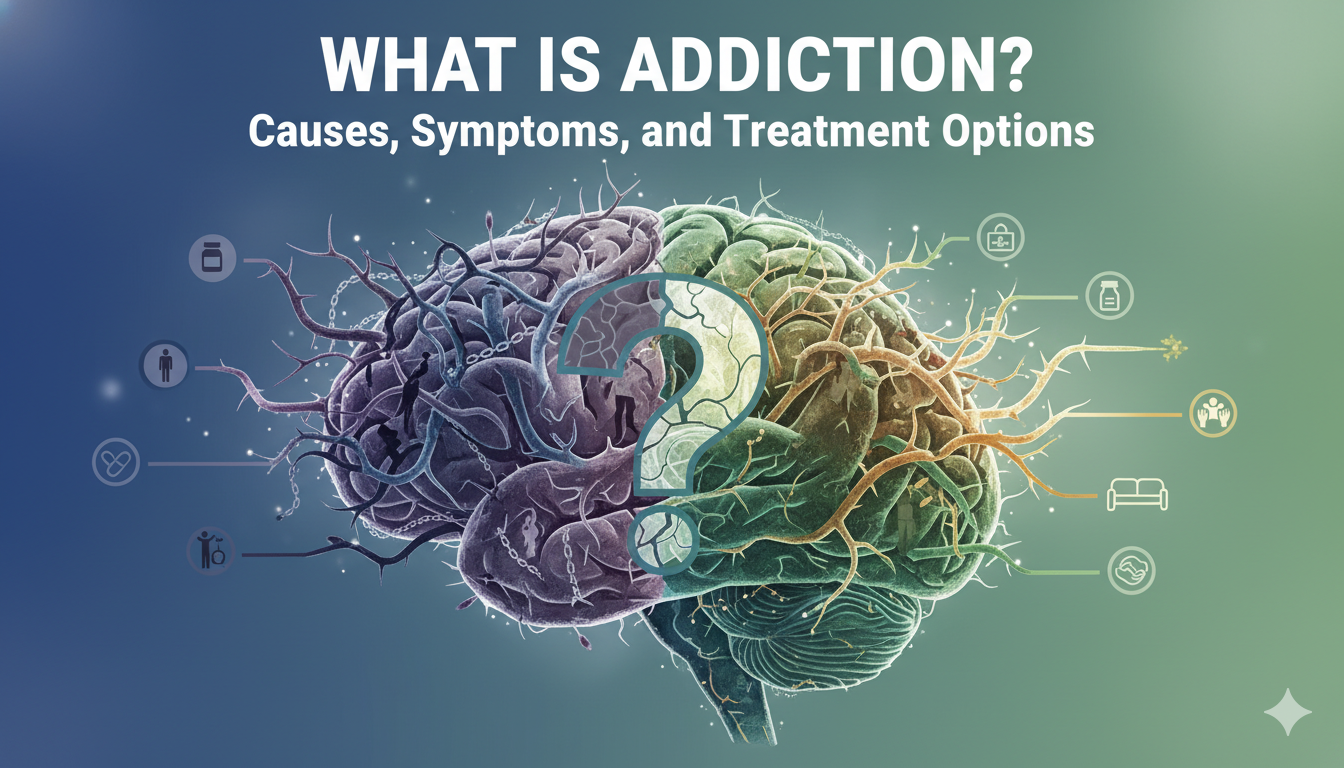
What Is Addiction?
Addiction is a chronic brain disorder characterized by compulsive engagement in rewarding stimuli, such as substances or behaviors, despite harmful consequences. It alters brain function, particularly in areas related to reward, motivation, memory, and self-control.
The American Society of Addiction Medicine (ASAM) defines addiction as:
“A treatable, chronic medical disease involving complex interactions among brain circuits, genetics, the environment, and an individual’s life experiences.”
Addiction is not simply a lack of willpower. It is a biopsychosocial condition that requires comprehensive and personalized addiction treatment.
Types of Addiction
Addiction can be broadly categorized into two types:
1. Substance Use Disorders (SUDs)
These involve dependence on chemical substances, including:
- Alcohol
- Opioids (e.g., heroin, prescription painkillers)
- Nicotine
- Cocaine
- Cannabis
- Benzodiazepines
2. Behavioral Addictions
These involve compulsive behaviors, such as:
- Gambling addiction
- Internet and gaming addiction
- Shopping addiction
- Food addiction
Both types affect similar brain pathways and often require similar addiction treatment strategies.
How Addiction Affects the Brain
Addiction hijacks the brain’s reward system, primarily involving dopamine, a neurotransmitter associated with pleasure and reinforcement.
Key Brain Changes:
- Increased dopamine release during substance use or addictive behavior
- Reduced sensitivity to natural rewards (e.g., food, relationships)
- Impaired decision-making and impulse control
- Memory reinforcement of addictive cues
Over time, the brain becomes dependent on the substance or behavior to function normally, making quitting extremely difficult without structured addiction treatment.
Causes of Addiction
Addiction is caused by a combination of biological, psychological, and environmental factors.
1. Biological Factors
- Genetics: Up to 40–60% of addiction risk is hereditary
- Brain chemistry and neurotransmitter imbalances
- Pre-existing mental health disorders (e.g., depression, anxiety)
2. Psychological Factors
- Trauma (childhood abuse, neglect)
- Chronic stress
- Low self-esteem
- Poor coping skills
3. Environmental Factors
- Peer pressure
- Easy access to drugs or alcohol
- Family environment
- Socioeconomic challenges
4. Developmental Factors
- Early exposure to substances
- Adolescents are particularly vulnerable due to immature brain development
Understanding these causes is essential for designing effective addiction treatment plans tailored to individual needs.
Signs and Symptoms of Addiction
Recognizing addiction early can significantly improve treatment outcomes.
Physical Symptoms
- Tolerance (needing more to achieve the same effect)
- Withdrawal symptoms (e.g., sweating, nausea, tremors)
- Changes in sleep or appetite
- Poor physical health
Behavioral Symptoms
- Loss of control over substance use
- Neglecting responsibilities
- Risky behaviors (e.g., driving under influence)
- Secretive behavior
Psychological Symptoms
- Cravings
- Anxiety or depression
- Mood swings
- Irritability
Social Symptoms
- Isolation from family and friends
- Relationship conflicts
- Financial or legal problems
If multiple symptoms are present, professional addiction treatment should be sought immediately.
Stages of Addiction
Addiction typically progresses through several stages:
- Experimentation – Trying a substance or behavior
- Regular Use – Occasional but increasing use
- Risky Use – Using in dangerous situations
- Dependence – Physical and psychological reliance
- Addiction – Compulsive use despite harm
Early intervention at any stage improves the success of addiction treatment.
Diagnosis of Addiction
Healthcare professionals diagnose addiction using criteria from the DSM-5 (Diagnostic and Statistical Manual of Mental Disorders).
Diagnosis is based on factors such as:
- Impaired control over use
- Social impairment
- Risky use
- Pharmacological indicators (tolerance and withdrawal)
A comprehensive assessment is the first step in any effective addiction treatment program.
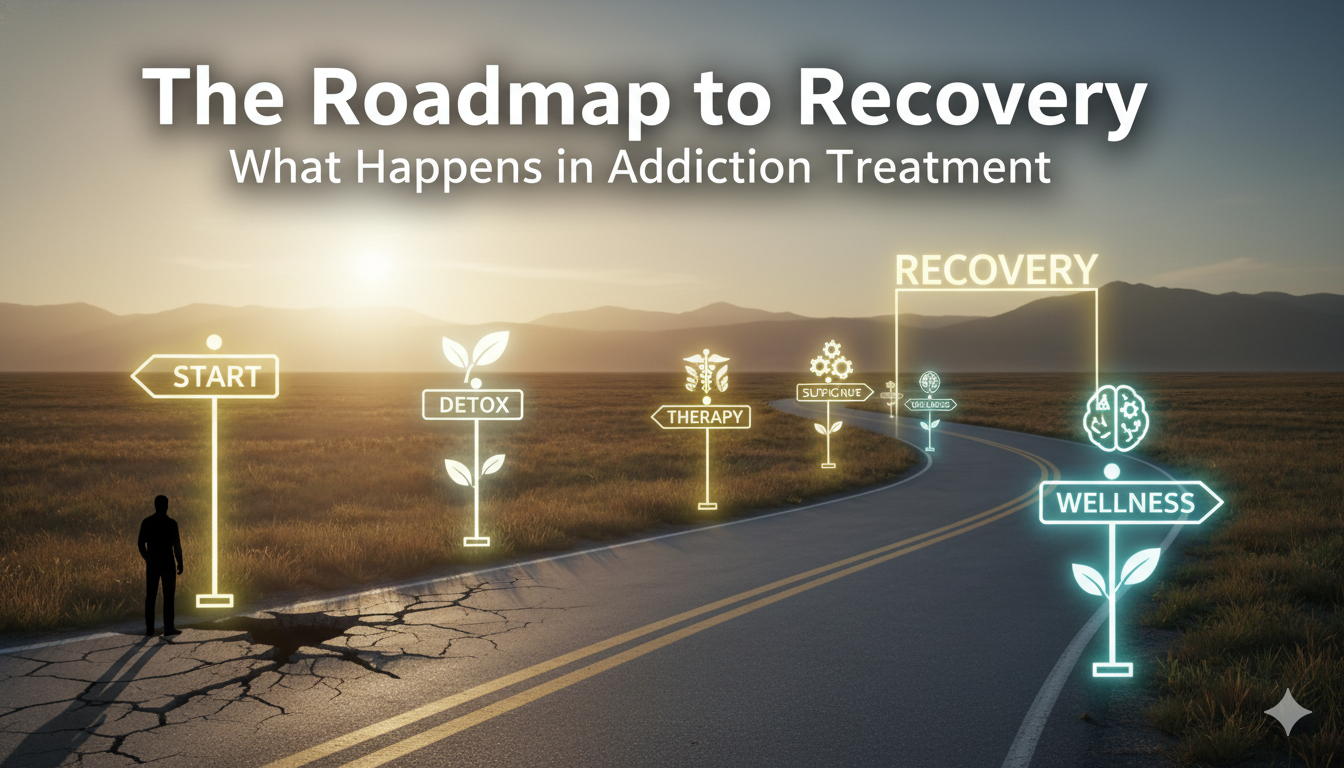
Addiction Treatment: Evidence-Based Approaches
Effective addiction treatment is personalized and often involves a combination of therapies.
1. Medical Detoxification
Detox is the process of safely removing substances from the body.
- Conducted under medical supervision
- Manages withdrawal symptoms
- Essential for substances like alcohol, opioids, and benzodiazepines
Note: Detox alone is not sufficient, it must be followed by long-term addiction treatment.
2. Behavioral Therapies
Behavioral therapies are the cornerstone of addiction treatment.
Cognitive Behavioral Therapy (CBT)
- Identifies negative thought patterns
- Teaches coping strategies
- Prevents relapse
Motivational Interviewing (MI)
- Enhances motivation to change
- Resolves ambivalence
Contingency Management
- Uses rewards for positive behaviors
3. Medication-Assisted Treatment (MAT)
Medications are used alongside therapy to treat certain addictions.
Examples:
- Methadone and buprenorphine for opioid addiction
- Naltrexone for alcohol and opioid use
- Disulfiram for alcohol dependence
MAT improves survival rates and reduces relapse risk, making it a key component of modern addiction treatment.
4. Inpatient Rehabilitation
- 24/7 structured care
- Ideal for severe addiction
- Includes therapy, medical care, and support
5. Outpatient Programs
- Flexible treatment while living at home
- Suitable for mild to moderate addiction
6. Support Groups
Peer support plays a critical role in recovery.
Examples:
- Alcoholics Anonymous (AA)
- Narcotics Anonymous (NA)
- SMART Recovery
7. Holistic and Integrative Therapies
These complement traditional addiction treatment:
- Mindfulness and meditation
- Yoga and physical exercise
- Nutritional therapy
- Spiritual or faith-based counseling
The Role of Family in Addiction Treatment
Family involvement significantly improves recovery outcomes.
Benefits:
- Emotional support
- Improved communication
- Reduced relapse risk
Family therapy is often included in comprehensive addiction treatment programs.
Relapse and Recovery
Relapse is a common part of the recovery process, not a failure.
Common Triggers:
- Stress
- Environmental cues
- Social pressure
- Negative emotions
Prevention Strategies:
- Ongoing therapy
- Avoiding triggers
- Building healthy routines
- Continued support group participation
Long-term recovery requires sustained engagement in addiction treatment and aftercare programs.
Prevention of Addiction
Preventing addiction is as important as treating it.
Key Strategies:
- Education and awareness
- Early intervention
- Healthy coping mechanisms
- Strong family and community support
When to Seek Addiction Treatment
You should consider professional addiction treatment if:
- You cannot control substance use
- Your health, relationships, or work are affected
- You experience withdrawal symptoms
- You have tried to quit but failed
Early treatment leads to better outcomes and reduces long-term complications.
Breaking the Stigma Around Addiction
Stigma remains one of the biggest barriers to seeking addiction treatment.
Addiction is a medical condition, not a moral failure. Promoting empathy, education, and open conversations can encourage more people to seek help.
The Future of Addiction Treatment
Advancements in neuroscience and technology are shaping the future of addiction treatment:
- Telehealth therapy
- Digital recovery apps
- Personalized medicine based on genetics
- Brain stimulation therapies
These innovations are making treatment more accessible and effective.
Conclusion
Addiction is a complex but treatable condition that affects the brain, behavior, and overall well-being. Understanding its causes, recognizing the symptoms, and seeking timely addiction treatment can transform lives.
Recovery is not a one-size-fits-all journey, it requires a personalized, compassionate, and evidence-based approach. With the right support, professional care, and commitment, long-term recovery is entirely possible.
If you or a loved one is struggling, seeking professional addiction treatment is the first and most important step toward healing.
References
- American Society of Addiction Medicine (ASAM). (2020). Definition of Addiction.
https://www.asam.org - National Institute on Drug Abuse (NIDA). (2023). Drugs, Brains, and Behavior: The Science of Addiction.
https://nida.nih.gov - World Health Organization (WHO). (2022). Substance Use Disorders.
https://www.who.int - American Psychiatric Association. (2013). Diagnostic and Statistical Manual of Mental Disorders (DSM-5).
- National Institute on Alcohol Abuse and Alcoholism (NIAAA). (2023). Alcohol Use Disorder.
https://www.niaaa.nih.gov - McLellan, A. T., Lewis, D. C., O’Brien, C. P., & Kleber, H. D. (2000). Drug dependence, a chronic medical illness. JAMA.
- Volkow, N. D., Koob, G. F., & McLellan, A. T. (2016). Neurobiologic Advances from the Brain Disease Model of Addiction. New England Journal of Medicine.