Addiction is one of the most complex health challenges faced by individuals, families, and communities worldwide. Substance use disorders affect the brain, behavior, relationships, and overall well-being of millions of people. However, recovery is possible with the right support and structured care. Understanding the addiction treatment process helps individuals and families feel more confident and hopeful when beginning the journey toward recovery.
The path to sobriety is rarely a single step. Instead, it is a structured roadmap that includes medical care, psychological therapy, behavioral changes, and long-term support systems. Each stage of treatment is designed to help individuals safely withdraw from substances, rebuild mental and physical health, and develop the skills necessary for long-term recovery.
This comprehensive guide explains what happens in addiction treatment, outlining each stage of the recovery journey and how professional rehabilitation programs help individuals regain control of their lives.
Understanding Addiction as a Medical Condition
Before exploring the addiction treatment process, it is important to understand addiction itself. Addiction, also known as substance use disorder (SUD), is a chronic brain disorder characterized by compulsive substance use despite harmful consequences.
Drugs and alcohol affect the brain’s reward system, releasing large amounts of dopamine, a neurotransmitter associated with pleasure and motivation. Over time, the brain becomes dependent on these substances to experience pleasure, making it extremely difficult for individuals to stop using them without professional support.
According to the National Institute on Drug Abuse (NIDA), addiction changes brain circuits related to reward, stress, and self-control, which explains why relapse can occur even after periods of sobriety.
Because addiction is a medical and psychological condition, effective recovery requires a structured addiction treatment process that addresses both physical dependence and underlying emotional factors.
The Addiction Treatment Process: A Step-by-Step Roadmap
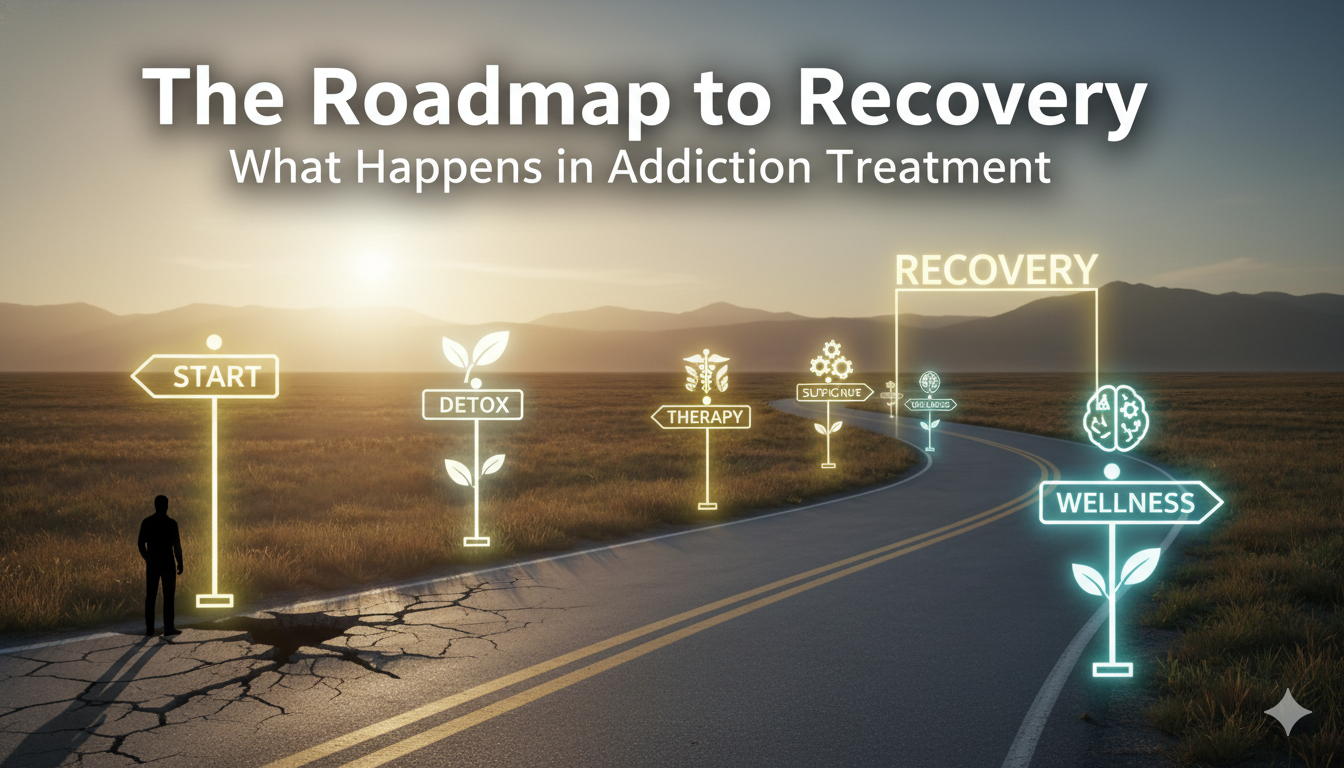
The addiction treatment process generally follows several key stages. While the exact approach may vary depending on the rehabilitation center and the individual’s needs, most programs include the following phases:
- Assessment and Evaluation
- Medical Detoxification
- Rehabilitation and Therapy
- Behavioral Therapy and Skill Development
- Family Support and Counseling
- Relapse Prevention Planning
- Aftercare and Long-Term Recovery Support
Each of these stages plays a critical role in helping individuals achieve sustainable sobriety.
Step 1: Assessment and Comprehensive Evaluation
The first stage in the addiction treatment process begins with a detailed medical and psychological assessment. This evaluation helps healthcare professionals understand the severity of the addiction and develop a personalized treatment plan.
During the assessment, doctors and addiction specialists typically evaluate several factors, including substance use history, physical health conditions, mental health disorders, family background, and social environment. Many individuals struggling with addiction also experience co-occurring mental health conditions such as depression, anxiety, trauma-related disorders, or personality disorders.
Identifying these underlying conditions is essential because untreated mental health problems often contribute to relapse. For this reason, many modern rehabilitation programs adopt a dual diagnosis approach, treating both addiction and mental health issues simultaneously.
The assessment stage ensures that the addiction treatment process is customized to the individual rather than following a one-size-fits-all model.
Step 2: Medical Detoxification
Once the assessment is complete, the next stage in the addiction treatment process is detoxification, often referred to as detox.
Detox is the process of removing drugs or alcohol from the body while managing withdrawal symptoms. When individuals stop using addictive substances, their bodies may react with physical and psychological symptoms such as nausea, anxiety, sweating, tremors, insomnia, and mood swings.
In severe cases, withdrawal can become dangerous or even life-threatening. Alcohol and benzodiazepine withdrawal, for example, may lead to seizures or delirium tremens if not medically supervised.
Medical detox programs provide 24-hour monitoring by healthcare professionals who can administer medications and supportive treatments to ease withdrawal symptoms and ensure patient safety.
It is important to note that detox alone is not a complete treatment for addiction. Instead, it serves as the first step in preparing the body and mind for deeper therapeutic work during rehabilitation.
Step 3: Inpatient or Residential Rehabilitation
After detox, many individuals enter the rehabilitation phase of the addiction treatment process, which often takes place in a residential or inpatient facility.
In residential rehab programs, individuals live at the treatment center for a structured period, usually ranging from 30 to 90 days. This environment provides a safe and supportive space where patients can focus entirely on recovery without the distractions or triggers of everyday life.
Residential rehabilitation programs typically include medical supervision, individual therapy sessions, group counseling, behavioral therapies, wellness activities, and life skills training.
The structured environment helps individuals establish healthy routines, improve discipline, and rebuild their sense of responsibility. For many patients, this stage is where significant psychological healing begins.
Step 4: Psychological and Behavioral Therapy

Therapy is the cornerstone of the addiction treatment process. Addiction often develops due to emotional pain, trauma, stress, or unhealthy coping mechanisms. Without addressing these underlying causes, long-term recovery becomes difficult.
Several evidence-based therapies are commonly used in addiction treatment.
Cognitive Behavioral Therapy (CBT) helps individuals identify and change negative thought patterns that lead to substance use. By recognizing triggers and developing healthier coping strategies, patients can learn to manage cravings and stressful situations more effectively.
Motivational Interviewing (MI) helps individuals strengthen their motivation to change and remain committed to recovery. This therapy focuses on building internal motivation rather than relying solely on external pressure.
Dialectical Behavioral Therapy (DBT) is particularly useful for individuals who struggle with emotional regulation, impulsivity, or self-destructive behaviors.
Group therapy is also a vital component of rehabilitation. Sharing experiences with others who are facing similar struggles creates a sense of community and reduces feelings of isolation.
Through therapy, individuals gain insight into their behavior, develop emotional resilience, and begin rebuilding a healthier identity.
Step 5: Family Counseling and Support
Addiction rarely affects only the individual; it impacts entire families. Broken trust, emotional pain, and communication problems often develop when substance use becomes part of family life.
For this reason, many treatment centers include family therapy as part of the addiction treatment process.
Family counseling helps loved ones understand addiction as a medical condition rather than a moral failure. It also teaches family members how to provide healthy support without enabling addictive behaviors.
Improved communication and rebuilding trust are essential elements of recovery. When families become active participants in the healing process, individuals are more likely to maintain long-term sobriety.
Step 6: Developing Relapse Prevention Strategies
Recovery does not end when a person stops using drugs or alcohol. Maintaining sobriety requires ongoing effort and awareness of potential triggers.
Relapse prevention is therefore a crucial stage in the addiction treatment process. During this phase, patients learn how to identify high-risk situations and develop strategies to cope with them.
Common relapse triggers include stress, negative emotions, social pressure, exposure to drug-related environments, and unresolved trauma. Through therapy and skill-building exercises, individuals learn healthier ways to manage these triggers.
Many programs teach techniques such as mindfulness, stress management, emotional regulation, and problem-solving skills. These tools help individuals stay grounded and avoid returning to substance use.
Step 7: Aftercare and Long-Term Recovery Support
The final stage in the addiction treatment process is aftercare, which focuses on maintaining recovery after leaving the rehabilitation program.
Aftercare may include outpatient therapy, support groups, sober living homes, and regular medical check-ups. Programs such as Alcoholics Anonymous (AA) and Narcotics Anonymous (NA) provide peer support networks that encourage accountability and shared recovery experiences.
Many individuals benefit from ongoing counseling or participation in community recovery programs. Some treatment centers also offer alumni programs to maintain connections and provide continued encouragement.
Long-term recovery is a lifelong journey, but with consistent support, individuals can lead healthy and fulfilling lives free from addiction.
The Importance of Personalized Treatment Plans
One of the most important principles in addiction recovery is that no single treatment works for everyone. Each individual has unique experiences, psychological needs, and social circumstances.
Effective rehabilitation programs design personalized treatment plans based on the initial assessment and ongoing progress during therapy. Factors such as substance type, addiction severity, mental health conditions, and family support systems influence the treatment approach.
Personalized care increases the likelihood of successful recovery and reduces the risk of relapse.
Holistic Approaches in Modern Addiction Treatment
Modern rehabilitation centers increasingly incorporate holistic therapies into the addiction treatment process. These therapies complement traditional medical and psychological treatments by promoting overall well-being.
Examples of holistic therapies include meditation, mindfulness practices, yoga, physical exercise, art therapy, and spiritual counseling. These activities help individuals reconnect with themselves, reduce stress, and develop healthier coping mechanisms.
Holistic approaches also support physical healing, which is essential because prolonged substance use can damage the body and weaken the immune system.
Challenges in the Recovery Journey
The addiction treatment process is not always easy. Many individuals face emotional challenges, cravings, and moments of self-doubt during recovery.
Relapse is sometimes part of the recovery journey rather than a sign of failure. According to research from the National Institute on Drug Abuse, relapse rates for addiction are similar to those for other chronic illnesses such as diabetes or hypertension.
The key is persistence, ongoing support, and willingness to continue treatment if setbacks occur.
Hope and Healing: The Future After Addiction

Although addiction can be devastating, recovery offers a powerful opportunity for personal growth and transformation. Many individuals who complete the addiction treatment process go on to rebuild their careers, relationships, and sense of purpose.
Recovery often leads to improved physical health, better mental clarity, stronger relationships, and a renewed sense of meaning in life. With proper treatment and support, individuals can move beyond addiction and create a healthier future.
Conclusion
The addiction treatment process is a structured and compassionate journey designed to help individuals overcome substance dependence and reclaim their lives. From initial assessment and medical detox to therapy, relapse prevention, and long-term aftercare, each stage plays a vital role in sustainable recovery.
Understanding what happens during addiction treatment helps reduce fear and stigma while encouraging individuals to seek the help they need. Addiction may be a chronic condition, but it is also a treatable one.
With professional support, family involvement, and a commitment to change, recovery is not only possible—it is achievable.
References
National Institute on Drug Abuse (NIDA). (2020). Drugs, Brains, and Behavior: The Science of Addiction.
Substance Abuse and Mental Health Services Administration (SAMHSA). (2021). Treatment Improvement Protocols for Substance Use Disorders.
World Health Organization (WHO). (2019). International Standards for the Treatment of Drug Use Disorders.
American Society of Addiction Medicine (ASAM). (2020). The ASAM Criteria for Addiction Treatment.
Miller, W. R., & Rollnick, S. (2013). Motivational Interviewing: Helping People Change. Guilford Press.