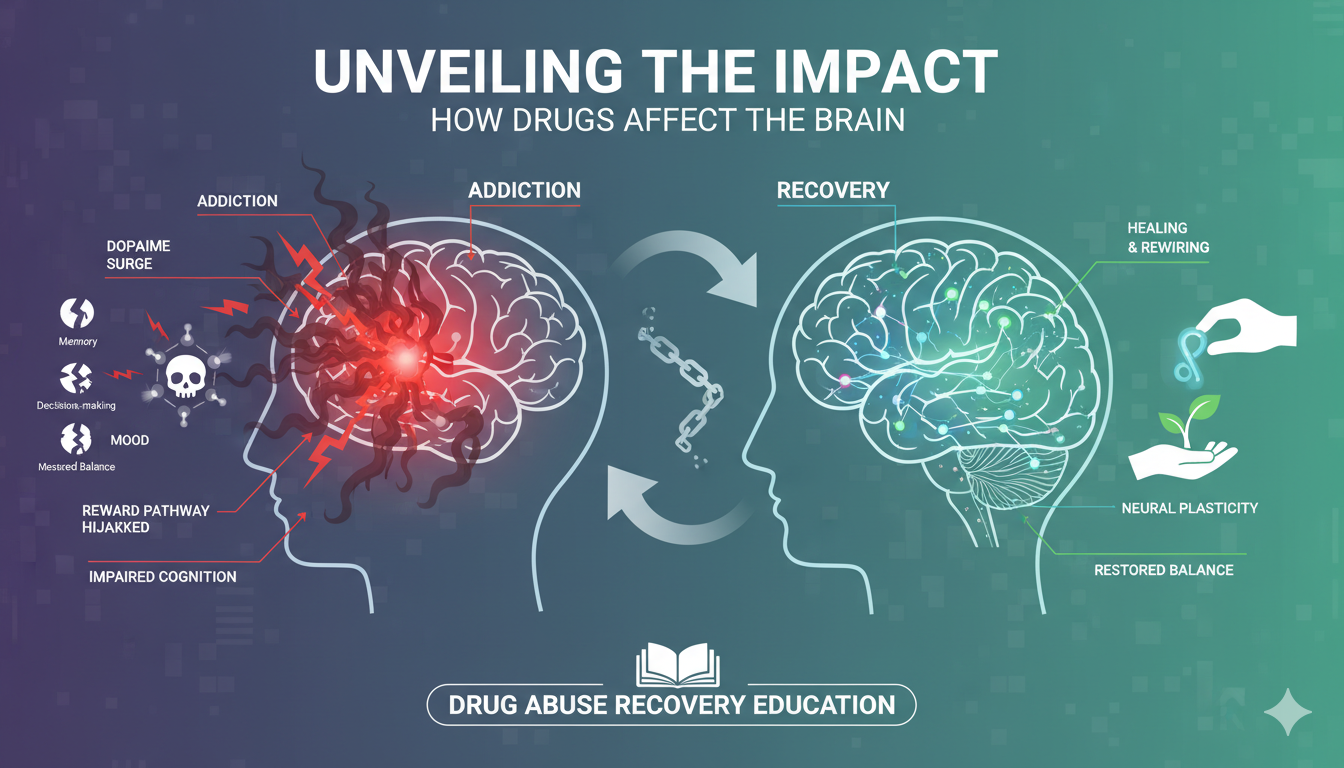

Recovery from addiction or mental health challenges is rarely a straight path. It involves emotional healing, behavioral change, and rebuilding trust and relationships. For individuals in recovery, having a supportive environment is often the difference between relapse and long-term healing. Among the many forms of support that family members and friends can provide, one of the most powerful yet often overlooked skills is listening.
The art of listening, especially through empathy and active listening, plays a crucial role in supporting a loved one in recovery. When people feel truly heard and understood, they are more likely to open up, process their emotions, and stay committed to their recovery journey. This article explores how empathic listening works, why it matters in recovery, and practical strategies to support someone you care about.
Understanding Recovery and Emotional Support
Recovery from substance abuse or behavioral addiction involves much more than simply stopping drug or alcohol use. It requires individuals to confront emotional pain, trauma, habits, and psychological triggers that may have contributed to their addiction.
According to the National Institute on Drug Abuse (NIDA), addiction is a chronic brain disorder that affects behavior, impulse control, and emotional regulation. Because of these challenges, individuals in recovery often struggle with feelings such as guilt, shame, anxiety, and loneliness.
This is where supportive relationships become essential. Research shows that people who receive consistent emotional support from family and friends have higher recovery success rates. However, support does not always mean giving advice or trying to fix problems. Often, the most powerful form of support is simply listening with empathy and patience.
What Is Empath and Active Listening?
Before understanding how listening helps someone in recovery, it is important to clarify what empathy and active listening means.
Empathic listening involves understanding another person’s feelings, perspectives, and emotions without judgment. It is about putting yourself in their place and acknowledging their experiences.
Active listening, on the other hand, is the practice of fully concentrating on what someone is saying rather than just hearing the words. It requires engagement, feedback, and thoughtful responses.
Together, empathy and active listening create a powerful communication approach that helps individuals feel respected, validated, and emotionally safe.
Key characteristics include:
- Paying full attention to the speaker
- Avoiding interruptions
- Reflecting back what you hear
- Showing compassion and understanding
- Avoiding judgment or criticism
For someone in recovery, this type of listening can help rebuild confidence and trust that may have been damaged during addiction.
Why Listening Matters in Addiction Recovery
Many individuals struggling with addiction feel misunderstood or judged by society. During active addiction, relationships with family members often become strained due to broken promises, conflicts, and emotional pain.
When recovery begins, individuals may fear that others still see them through the lens of their past mistakes. Empathy and active listening helps change this dynamic by creating an environment of understanding and respect.
Listening matters in recovery for several important reasons.
1. Builds Trust and Emotional Safety
Trust is often one of the first casualties of addiction. Loved ones may feel betrayed, while individuals in recovery may feel ashamed or defensive.
When family members listen without criticism, they create a safe emotional space where honest conversations can happen. Over time, this helps rebuild trust and strengthens relationships.
2. Reduces Feelings of Isolation
Addiction often leads to social isolation. People may lose friends, jobs, or family connections due to substance abuse.
When someone listens with empathy, it reminds the recovering individual that they are not alone. Feeling connected to others is a powerful motivator for continuing recovery.
3. Encourages Emotional Expression
Many individuals turn to drugs or alcohol as a way to cope with difficult emotions. Learning to express feelings in a healthy way is an important part of recovery.
Active listening allows people to talk openly about their struggles, fears, and achievements without feeling judged.
4. Supports Mental Health Healing
Addiction is frequently linked with mental health conditions such as depression, anxiety, or trauma. Being able to talk about these experiences with someone who listens attentively can reduce emotional stress and improve psychological well-being.
The Difference Between Hearing and Listening
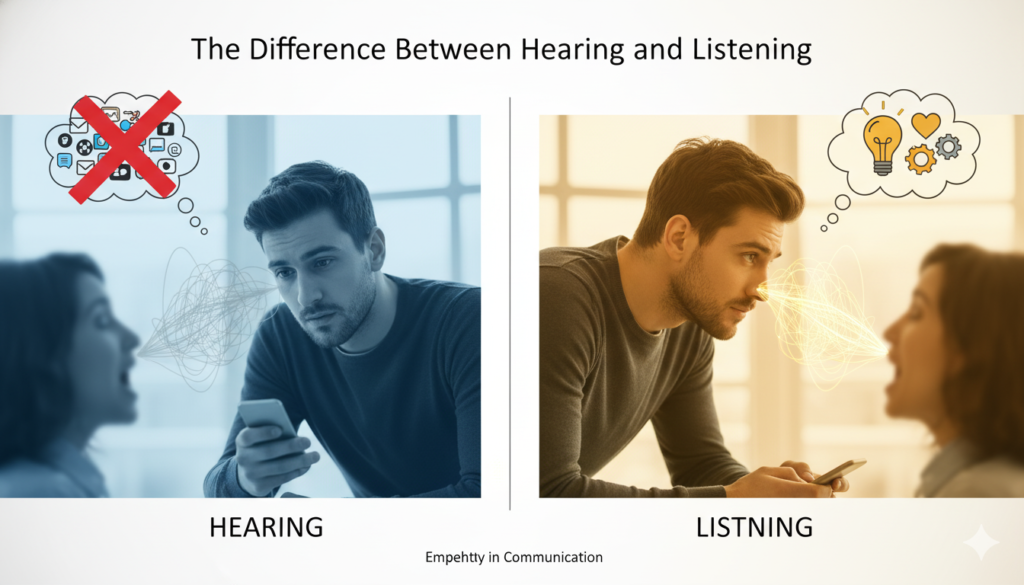
Many people assume they are good listeners simply because they hear what someone is saying. However, hearing and listening are not the same thing.
Hearing is passive. It happens automatically when sound reaches our ears.
Listening, however, is intentional and active. It involves understanding the message, observing emotions, and responding thoughtfully.
For example, when a person in recovery says, “I feel overwhelmed and afraid I might relapse,” a passive response might be giving quick advice such as “Just stay strong.”
An active listening response might be:
“It sounds like you’re feeling a lot of pressure right now. Do you want to talk about what’s making things feel overwhelming?”
This type of response acknowledges the emotion and encourages deeper conversation.
Key Principles of Empathy and Active Listening
Supporting someone in recovery requires patience and emotional awareness. The following principles can help develop effective listening skills.
Be Fully Present
Put away distractions such as phones, television, or multitasking. Maintain eye contact and focus completely on the person speaking.
Your presence communicates that their words and emotions matter.
Avoid Immediate Judgment
Many recovering individuals fear being judged for past mistakes. Even well-intentioned criticism can make them feel defensive or ashamed.
Empathic listening means suspending judgment and focusing on understanding rather than evaluating.
Reflect and Clarify
Repeating or paraphrasing what someone says shows that you are paying attention and trying to understand their perspective.
For example:
“So you’re saying that the stress at work is making your cravings stronger. Did I understand that correctly?”
This technique helps avoid misunderstandings.
Validate Their Feelings
Validation does not mean you agree with every decision. It simply means acknowledging that their feelings are real and important.
Statements like “That sounds really difficult” or “I can understand why you feel that way” can be very comforting.
Ask Open-Ended Questions
Open-ended questions encourage deeper conversation. Instead of asking questions that can be answered with “yes” or “no,” ask questions that invite explanation.
For example:
- “What has been the hardest part of recovery for you this week?”
- “What helps you stay motivated when things get difficult?”
Common Listening Mistakes to Avoid
Even people with good intentions sometimes fall into habits that can unintentionally discourage communication.
Giving Too Much Advice
Advice may seem helpful, but sometimes people simply want to feel heard. Offering solutions too quickly can make them feel misunderstood.
Interrupting or Finishing Sentences
Interruptions signal impatience and reduce trust. Allow the speaker to express themselves fully before responding.
Minimizing Their Feelings
Statements such as “It’s not that bad” or “Others have it worse” may invalidate the person’s emotions.
Turning the Conversation Toward Yourself
While sharing experiences can sometimes build connection, constantly shifting focus to your own story can make the other person feel ignored.
How Listening Supports Long-Term Recovery
Recovery is a lifelong process that involves continued self-growth and emotional resilience. Supportive communication plays a vital role in maintaining sobriety over time.
Strengthening Motivation
When someone feels supported and understood, they are more motivated to continue positive behavioral changes.
Preventing Relapse
Talking openly about cravings, triggers, and stress can help identify warning signs before relapse occurs. Empathy and active listening allows these discussions to happen without fear.
Encouraging Accountability
A supportive listener can gently encourage responsibility while still showing compassion. This balance helps individuals remain committed to recovery goals.
Improving Family Relationships
Addiction often damages family relationships. Honest conversations built on empathy and listening help repair emotional bonds over time.
Practical Ways to Practice Empathy and Active Listening
Developing listening skills requires conscious effort and practice. Here are several practical techniques that family members can use.
First, maintain open body language. Simple gestures such as nodding, leaning slightly forward, and maintaining eye contact communicate engagement and understanding.
Second, allow silence when necessary. Silence gives the speaker time to gather thoughts and express deeper emotions. Not every pause needs to be filled with words.
Third, summarize conversations at the end. Briefly restating key points shows that you value what was shared.
Finally, express appreciation for honesty. Thanking someone for opening up can encourage future communication.
The Role of Listening in Professional Rehabilitation Programs
Professional rehabilitation programs emphasize communication and emotional support as part of treatment. Therapists, counselors, and support group facilitators are trained to use empathic listening techniques.
In many recovery centers, counseling sessions focus on helping individuals explore personal experiences and emotions. Active listening from therapists creates a safe space where patients can address trauma, guilt, and behavioral patterns.
Family counseling programs also teach relatives how to communicate more effectively with loved ones in recovery. These sessions often highlight empathy and active listening as essential tools for maintaining healthy relationships.
Cultural and Spiritual Dimensions of Listening
In many cultures and faith traditions, listening is considered a form of compassion and respect. Spiritual counseling often emphasizes patience, humility, and understanding when supporting others.
For individuals recovering from addiction, spiritual guidance can complement psychological support. Listening without judgment reflects values such as kindness, empathy, and forgiveness.
When family members combine emotional support with spiritual encouragement, it can strengthen resilience and hope during recovery.
When Professional Help Is Needed
Although empathy and active listening is powerful, it does not replace professional treatment. Addiction recovery often requires medical care, psychological therapy, and structured rehabilitation programs.
If a loved one shows signs of severe emotional distress, relapse risk, or mental health struggles, professional help should be sought.
However, even when professionals are involved, family support remains extremely important. Listening with empathy can reinforce the healing process that takes place in therapy and rehabilitation programs.
Building a Supportive Environment for Recovery

Listening is only one part of creating a supportive environment, but it is one of the most impactful. Families can also support recovery by encouraging healthy routines, celebrating progress, and maintaining open communication.
Patience is essential. Recovery may involve setbacks, emotional fluctuations, and personal challenges. Consistent support and understanding can make a significant difference in long-term outcomes.
Over time, relationships built on trust, empathy, and communication become powerful pillars that sustain recovery.
Conclusion
Supporting a loved one in recovery requires compassion, patience, and understanding. Among the many ways to provide support, the art of listening stands out as one of the most meaningful.
Through empathy and active listening, family members and friends can create a safe space where recovering individuals feel heard, valued, and respected. This type of communication helps rebuild trust, reduces feelings of isolation, and encourages emotional healing.
Recovery is not only about overcoming addiction but also about rebuilding relationships and rediscovering personal strength. When we listen with empathy and genuine care, we offer something incredibly valuable: the assurance that no one has to face recovery alone.
References
National Institute on Drug Abuse (NIDA). Drugs, Brains, and Behavior: The Science of Addiction.
https://nida.nih.gov
Substance Abuse and Mental Health Services Administration (SAMHSA). Recovery and Recovery Support.
https://www.samhsa.gov
Rogers, C. R. (1957). The Necessary and Sufficient Conditions of Therapeutic Personality Change. Journal of Consulting Psychology.
Miller, W. R., & Rollnick, S. (2013). Motivational Interviewing: Helping People Change. Guilford Press.
Harvard Health Publishing. The Power of Listening in Mental Health Support.
https://www.health.harvard.edu
World Health Organization (WHO). Community Support for Substance Use Recovery.
https://www.who.int