Recovery from drug or alcohol addiction is a journey that requires physical, emotional, and psychological healing. One of the most overlooked yet powerful tools in rehabilitation is hydration. Water plays a vital role in helping the body repair itself during the recovery process, especially during physical detoxification, when the body is eliminating toxins accumulated through substance abuse.
During detox, the body undergoes intense changes. Organs such as the liver, kidneys, brain, and digestive system work overtime to remove harmful substances and restore balance. Adequate water intake supports these processes by flushing toxins, maintaining electrolyte balance, improving circulation, and enhancing overall cellular function.
For individuals undergoing addiction treatment, staying properly hydrated can significantly improve recovery outcomes. Hydration helps reduce withdrawal symptoms, boosts energy levels, improves mental clarity, and supports emotional stability. Simply put, water becomes one of the body’s most powerful natural healers during rehabilitation.
This article explores the science behind hydration and recovery, explains how water supports physical detoxification, and provides practical hydration strategies for individuals in rehab.
Understanding Physical Detoxification in Addiction Recovery
Physical detoxification is the process through which the body eliminates toxic substances such as drugs, alcohol, or chemicals that have accumulated over time. Detox is typically the first stage of addiction treatment and often takes place under medical supervision in rehabilitation centers.
When a person stops using addictive substances, the body begins to rebalance itself. However, this process can cause withdrawal symptoms such as headaches, fatigue, nausea, sweating, anxiety, and irritability. These symptoms occur because the body is adjusting to functioning without the substances it has become dependent on.
During this phase, the body’s detoxification organs play a critical role.
The liver works to break down toxins and metabolize drugs.
The kidneys filter waste products from the blood and eliminate them through urine.
The digestive system helps remove toxins through bowel movements.
The skin also releases toxins through sweat.
Water is essential for each of these detoxification processes. Without adequate hydration, the body struggles to remove toxins efficiently, slowing down recovery and potentially worsening withdrawal symptoms.
The Role of Water in the Body’s Detox System
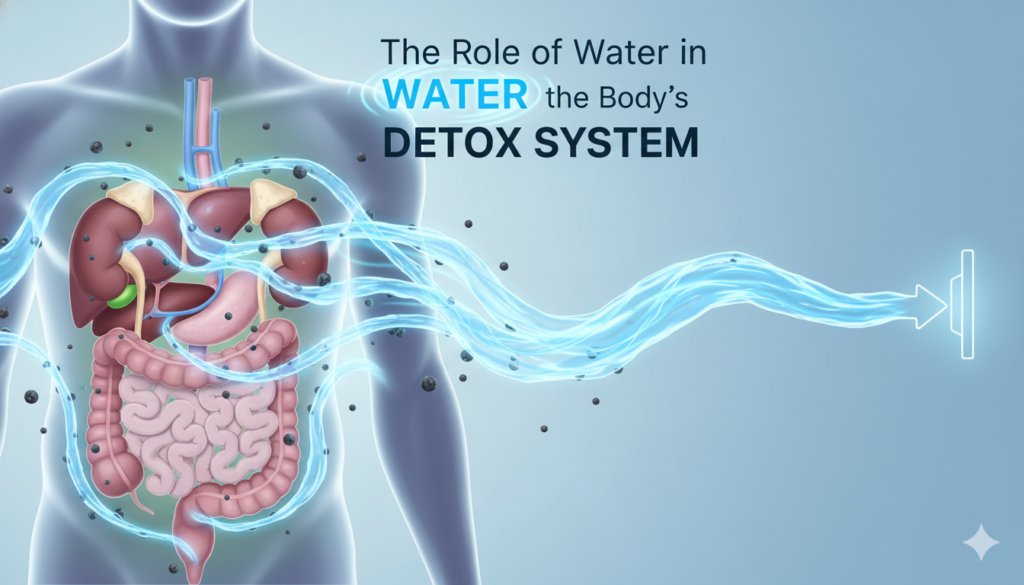
Water makes up approximately 60% of the human body, and every system relies on it to function properly. During rehabilitation, the body needs even more hydration to support detoxification and healing.
Supporting Kidney Function
The kidneys are the body’s primary filtration system. They remove waste products, toxins, and excess substances from the bloodstream. Water helps the kidneys dilute toxins and transport them out of the body through urine.
When a person is dehydrated, kidney function becomes less efficient, which can slow down the detoxification process and place additional strain on the body.
Enhancing Liver Detoxification
The liver is responsible for breaking down alcohol, drugs, and other harmful substances. Adequate hydration helps maintain proper blood flow to the liver and supports enzymatic processes involved in detoxification.
Water also assists in transporting nutrients to liver cells, allowing them to repair damage caused by substance abuse.
Promoting Healthy Digestion
Substance abuse often disrupts the digestive system, leading to problems such as constipation, inflammation, or poor nutrient absorption. Drinking enough water helps maintain healthy digestion, supports bowel movements, and assists in eliminating toxins through the digestive tract.
Regulating Body Temperature
Withdrawal symptoms frequently include sweating, fever, or chills. Hydration helps regulate body temperature and replace fluids lost through sweating, preventing dehydration and maintaining stability during detox.
Hydration and Withdrawal Symptom Relief
Withdrawal symptoms can be physically and emotionally challenging during early recovery. Proper hydration can help reduce the severity of several common symptoms.
Reducing Headaches and Fatigue
Dehydration is a major cause of headaches and fatigue. Many individuals in recovery experience these symptoms due to poor nutrition and fluid loss. Drinking enough water helps restore energy levels and improve brain function.
Preventing Muscle Cramps
Electrolyte imbalances are common during detox. Water helps maintain the balance of essential minerals such as sodium, potassium, and magnesium, which are necessary for muscle function and nerve signaling.
Improving Mood and Emotional Stability
Research shows that even mild dehydration can negatively impact mood, causing irritability, anxiety, and difficulty concentrating. Proper hydration helps support brain chemistry and emotional regulation during the recovery process.
Hydration and Brain Healing
Substance abuse can significantly affect brain function, including memory, decision-making, and emotional control. Water plays a crucial role in supporting neurological recovery.
The brain is composed of approximately 75% water, making hydration essential for optimal cognitive performance. Proper fluid intake improves oxygen delivery to the brain, supports neurotransmitter production, and helps restore mental clarity.
During rehabilitation, many individuals struggle with “brain fog,” which includes confusion, forgetfulness, and difficulty concentrating. Drinking adequate water can improve cognitive function and accelerate mental recovery.
Hydration also supports the production of dopamine and serotonin, neurotransmitters that regulate mood and motivation. These chemicals are often disrupted by long-term drug use, making hydration an important factor in emotional healing.
Hydration and Nutrient Absorption
Recovery from addiction requires rebuilding the body’s nutritional health. Many individuals entering rehab suffer from malnutrition due to poor diet, substance-related appetite suppression, or digestive issues.
Water plays a key role in nutrient absorption and transportation. It helps dissolve vitamins and minerals so they can be absorbed by the digestive system and delivered to cells throughout the body.
Essential nutrients such as vitamin C, B vitamins, magnesium, and zinc are particularly important during detox and recovery. These nutrients support immune function, energy production, and tissue repair.
Without sufficient hydration, the body cannot effectively absorb or utilize these nutrients.
Hydration and Cellular Repair
Substance abuse can damage cells throughout the body, including those in the liver, brain, heart, and immune system. Healing these tissues requires adequate hydration.
Water helps transport oxygen and nutrients to damaged cells while removing waste products from cellular metabolism. This process is essential for tissue regeneration and repair.
Hydration also supports the production of lymph, a fluid that carries immune cells and helps remove toxins from tissues. A well-hydrated body allows the lymphatic system to function efficiently, which supports overall detoxification and immune defense.
The Connection Between Hydration and Mental Health
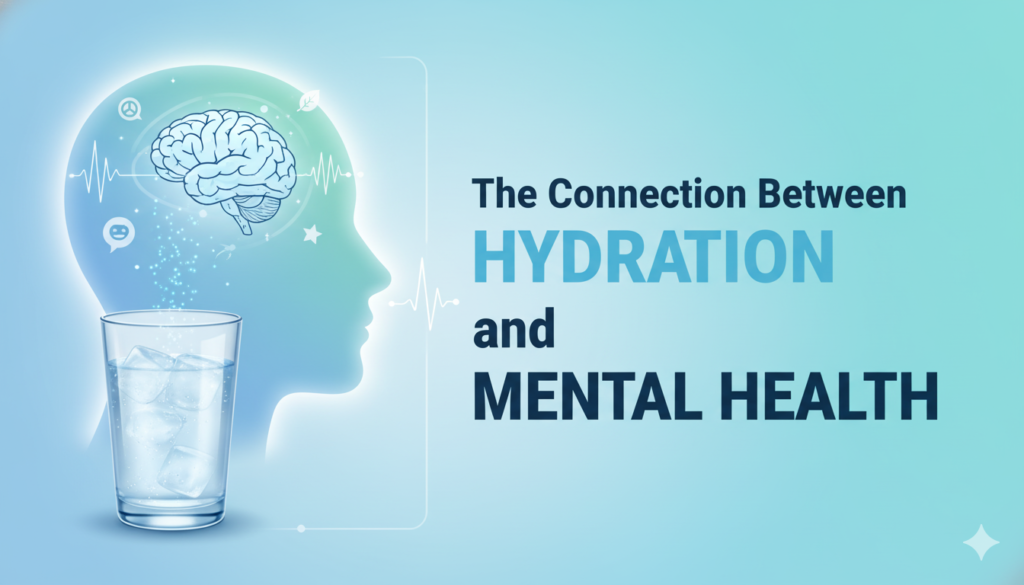
Addiction recovery is not only about physical healing but also about restoring mental and emotional health. Hydration plays a surprisingly important role in psychological well-being.
Studies have shown that dehydration can increase stress hormones such as cortisol. Elevated cortisol levels can worsen anxiety, irritability, and mood swings.
For individuals in rehab, maintaining proper hydration can help stabilize mood and improve emotional resilience. Drinking enough water also supports better sleep quality, which is essential for mental health recovery.
How Much Water Should Someone in Rehab Drink?
Hydration needs vary depending on factors such as body weight, activity level, climate, and health status. However, general guidelines suggest that adults should consume 2–3 liters of water per day.
Individuals undergoing detox may require even more fluids due to sweating, vomiting, or increased metabolic activity during withdrawal.
Healthcare providers in rehabilitation centers often monitor hydration levels and may recommend electrolyte solutions if necessary.
Signs of proper hydration include:
Clear or light-colored urine
Stable energy levels
Healthy skin elasticity
Regular urination
Signs of dehydration include dark urine, dizziness, dry mouth, headaches, and fatigue.
Best Hydration Practices During Recovery
Start the Day with Water
Drinking water first thing in the morning helps activate metabolism and begin the detoxification process after overnight fasting.
Drink Water Consistently Throughout the Day
Instead of drinking large amounts at once, it is better to consume water steadily throughout the day to maintain optimal hydration.
Include Hydrating Foods
Fruits and vegetables such as watermelon, cucumber, oranges, and strawberries contain high water content and contribute to hydration.
Limit Dehydrating Beverages
Caffeine and sugary drinks can contribute to dehydration and may worsen anxiety or sleep problems during recovery.
Monitor Electrolyte Balance
In cases of heavy sweating or vomiting, electrolyte drinks may help restore mineral balance.
Hydration in Professional Rehabilitation Centers
Rehabilitation facilities often emphasize hydration as part of a comprehensive treatment plan. Medical teams may incorporate hydration into detox protocols through:
Structured hydration schedules
Nutritional therapy
Electrolyte monitoring
Medical supervision during withdrawal
Some centers also provide IV fluids for individuals experiencing severe dehydration during detox.
Hydration is often combined with other therapeutic approaches such as psychological counseling, behavioral therapy, and holistic wellness programs.
Long-Term Benefits of Staying Hydrated in Recovery
The benefits of proper hydration extend far beyond the detox stage of recovery.
Maintaining good hydration can help individuals sustain long-term sobriety by improving physical health, mental clarity, and emotional balance.
Long-term benefits include:
Improved liver and kidney health
Better digestion and metabolism
Enhanced brain function
Stronger immune system
Greater energy and vitality
For individuals rebuilding their lives after addiction, hydration becomes a simple but powerful habit that supports overall wellness.
Hydration as a Symbol of Self-Care in Recovery
Recovery involves developing healthy routines and practicing self-care. Drinking enough water may seem like a small action, but it represents a commitment to caring for the body and mind.
Many rehabilitation programs encourage patients to develop daily wellness habits such as hydration, exercise, mindfulness, and proper nutrition. These habits help create a stable lifestyle that supports sobriety and personal growth.
Choosing water over harmful substances symbolizes a shift toward healing, balance, and self-respect.
Conclusion
Hydration is one of the most fundamental yet powerful tools in addiction recovery. Water supports the body’s natural physical detoxification processes by helping the liver and kidneys eliminate toxins, promoting digestion, maintaining electrolyte balance, and supporting cellular repair.
Proper hydration also improves mental clarity, stabilizes mood, and enhances overall well-being during rehabilitation. For individuals recovering from substance abuse, drinking enough water can significantly reduce withdrawal symptoms and accelerate healing.
While therapy, medical care, and psychological support remain essential components of addiction treatment, hydration should never be overlooked. Water fuels the body’s natural ability to heal itself and restore balance after the damage caused by addiction.
In the journey toward sobriety, water truly becomes one of the body’s best allies in healing and recovery.
References
World Health Organization (WHO). (2019). Guidelines for the Identification and Management of Substance Use Disorders.
National Institute on Drug Abuse (NIDA). (2020). Drugs, Brains, and Behavior: The Science of Addiction.
Mayo Clinic. (2022). Water: How Much Should You Drink Every Day?
Harvard T.H. Chan School of Public Health. (2023). The Importance of Hydration.
Popkin, B. M., D’Anci, K. E., & Rosenberg, I. H. (2010). Water, Hydration, and Health. Nutrition Reviews.
Institute of Medicine. (2005). Dietary Reference Intakes for Water, Potassium, Sodium, Chloride, and Sulfate.
National Institutes of Health (NIH). (2021). Hydration and Human Health.