The journey to sobriety is a testament to immense strength and resilience. Completing a rehabilitation program is a monumental achievement, a crucial first step on a lifelong path. However, the period after rehab often presents unique challenges. The real world, with its triggers, stresses, and old habits, can feel like a minefield. This article, designed to be SEO-rich and human-written, aims to equip you with the knowledge and strategies essential for maintaining long-term sobriety. We’ll explore practical “tips for staying sober,” discuss the critical elements of relapse prevention, and empower you to build a fulfilling life free from the grip of addiction.
The Road Ahead: Understanding the Landscape Post-Rehab
Leaving the structured, supportive environment of rehab can be a jarring transition. Suddenly, you’re responsible for your own schedule, your own decisions, and navigating a world that hasn’t changed, even if you have. This phase is often called “early recovery,” and it’s characterized by vulnerability and the need for intense focus on self-care and prevention strategies.
Statistics highlight the importance of robust relapse prevention plans. Studies indicate that relapse rates for substance use disorders are significant, often comparable to those of other chronic diseases like hypertension or asthma (National Institute on Drug Abuse, NIDA). This isn’t a sign of failure but rather an indicator of the chronic nature of addiction and the ongoing need for management. Understanding this reality allows for a proactive approach, shifting from a mindset of fear to one of preparedness.
Key Pillars of Relapse Prevention: Your Sober Toolkit
Successful long-term sobriety isn’t about willpower alone; it’s about building a comprehensive support system and adopting effective coping mechanisms. Here are the fundamental pillars:
1. Building a Strong Support Network: You Are Not Alone

One of the most powerful “tips for staying sober” is to surround yourself with positive, supportive individuals. Addiction often thrives in isolation, and recovery flourishes in connection.
- 12-Step Programs (AA, NA, etc.): These programs offer a structured, peer-supported pathway to recovery. The sense of community, shared experience, and sponsorship model provide invaluable guidance and accountability. Regularly attending meetings and actively participating can significantly bolster your resolve.
- Sober Living Environments: For some, transitioning directly from rehab to independent living can be overwhelming. Sober living homes offer a transitional, supportive environment with rules and expectations designed to foster sobriety. They provide a stepping stone to greater independence while still offering a safety net.
- Family and Friends: Rebuilding trust and relationships with supportive family members and friends is crucial. Open communication about your recovery journey, your triggers, and your needs can help them become allies in your sobriety. It’s important to set boundaries with those who might be negative influences.
- Therapists and Counselors: Ongoing therapy, especially cognitive-behavioral therapy (CBT) or dialectical behavior therapy (DBT), can equip you with essential coping skills, help you address underlying issues that contributed to your addiction, and provide a safe space to process challenges. A therapist can be an objective guide, offering insights and strategies tailored to your specific needs.
- Sponsor/Mentor: In 12-step programs, a sponsor is an invaluable resource. This individual, who has walked the path of recovery themselves, can offer guidance, support, and a listening ear during difficult times.
2. Identifying and Managing Triggers: Forewarned is Forearmed
Triggers are people, places, things, or emotions that remind you of past substance use and can provoke cravings. Recognizing and developing strategies to manage them is paramount for “staying clean after rehab.”
- Internal Triggers: These originate within you.
- Emotions: Stress, anxiety, anger, sadness, loneliness, boredom, and even excessive happiness can be triggers. Learning healthy emotional regulation techniques is vital.
- Physical Sensations: Cravings themselves, fatigue, pain, or withdrawal symptoms (if they persist) can be powerful internal triggers.
- Thoughts: Memories of using, romanticizing past use, or thoughts of “just one time” are dangerous mental traps.
- External Triggers: These come from your environment.
- People: Old using friends, dealers, or even well-meaning individuals who don’t understand your recovery.
- Places: Bars, clubs, specific neighborhoods, or even certain rooms in your home where you used.
- Things: Paraphernalia, specific types of music, movies, or even certain smells that remind you of using.
- Situations: Social gatherings where substances are present, celebrations, or stressful work environments.
Strategies for Trigger Management:
- Avoidance: In early recovery, it’s often best to avoid high-risk situations altogether. This might mean changing your social circle, finding new recreational activities, or even relocating if necessary.
- Coping Mechanisms: When avoidance isn’t possible, you need a repertoire of healthy coping skills.
- Distraction: Engage in an enjoyable activity that takes your mind off cravings (exercise, hobbies, talking to a friend).
- Delay: Commit to waiting 15-30 minutes before acting on a craving. Often, cravings subside or diminish in intensity during this time.
- Deep Breathing/Mindfulness: Ground yourself in the present moment, acknowledging the craving without judgment, and letting it pass.
- Calling Your Support: Reach out to your sponsor, therapist, or a trusted friend immediately.
- Journaling: Writing down your thoughts and feelings can help you process triggers and cravings.
- Positive Self-Talk: Remind yourself of your reasons for sobriety and your progress.
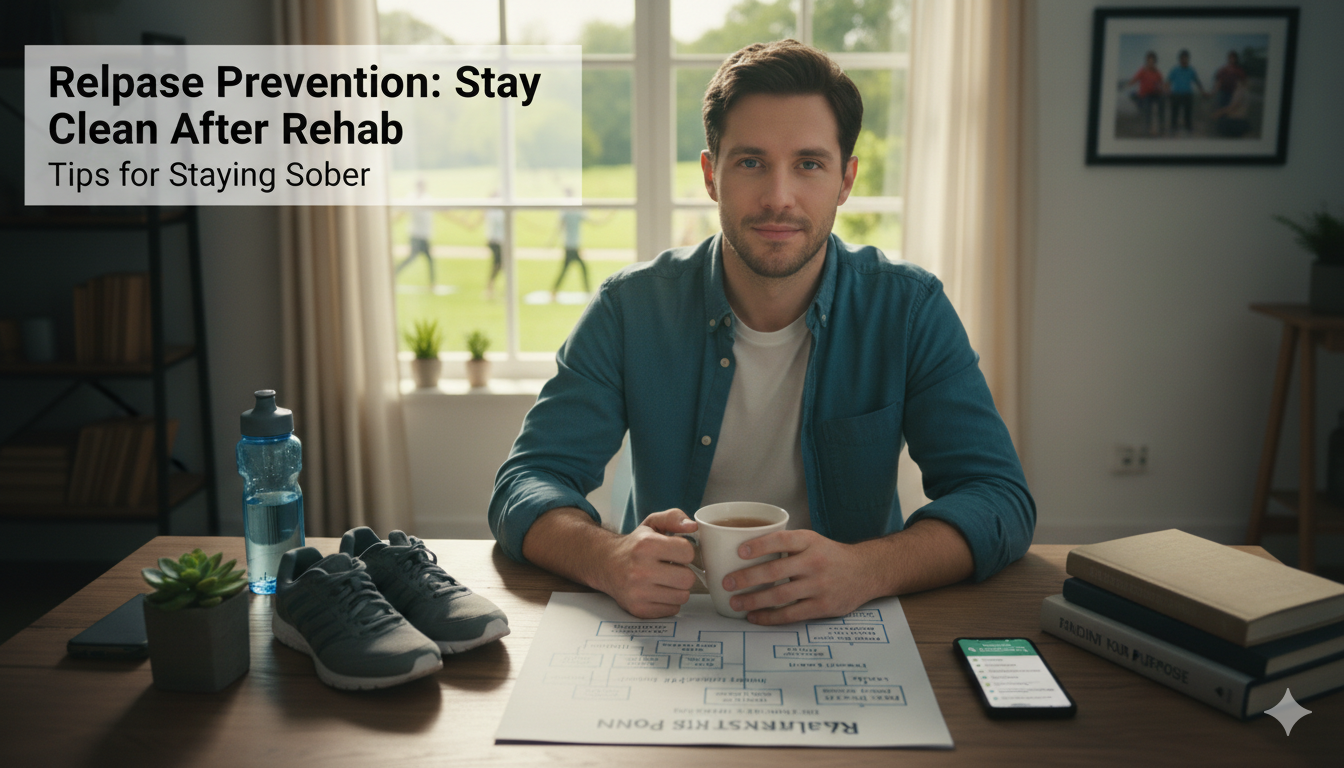
- Relapse Prevention Plan (RPP): This is a personalized, written document outlining your specific triggers, warning signs of relapse, and detailed strategies for coping with them. It should also include a list of emergency contacts. Developing an RPP in rehab or with a therapist is a cornerstone of “staying sober.”
3. Developing Healthy Coping Skills: Your Emotional Toolbox

Addiction often serves as an unhealthy coping mechanism for stress, trauma, or difficult emotions. Learning new, constructive ways to manage life’s challenges is fundamental for “tips for staying sober.”
- Stress Management: Identify your stressors and develop healthy outlets:
- Exercise: Physical activity is a powerful stress reliever and mood booster.
- Mindfulness and Meditation: Practicing presence can reduce anxiety and improve emotional regulation.
- Time Management: Organizing your day can reduce feelings of overwhelm.
- Setting Boundaries: Learning to say “no” and protecting your time and energy.
- Emotional Regulation:
- Identifying Emotions: Learning to recognize and label your feelings without judgment.
- Expressing Emotions Healthily: Talking about your feelings, journaling, or engaging in creative outlets.
- Self-Soothing Techniques: Taking a warm bath, listening to calming music, or engaging in a comforting activity.
- Problem-Solving Skills: Addiction often prevents individuals from effectively addressing problems. Learning to break down challenges into manageable steps and seeking solutions rather than escaping them is crucial.
4. Holistic Self-Care: Nurturing Your Entire Being
Recovery isn’t just about abstaining from substances; it’s about healing and thriving on all levels – physical, mental, emotional, and spiritual. Holistic self-care is a vital component of “staying clean after rehab.”
- Nutrition: A balanced diet provides your body and brain with the fuel needed for recovery. Many individuals in active addiction neglect their nutritional needs.
- Sleep: Prioritize consistent, restorative sleep. Sleep deprivation can impair judgment, increase stress, and heighten cravings.
- Exercise: Regular physical activity not only reduces stress but also releases endorphins, natural mood boosters.
- Mind-Body Connection: Practices like yoga, tai chi, or simply spending time in nature can enhance your overall well-being and promote inner peace.
- Hobbies and Interests: Rediscover old passions or explore new ones. Engaging in fulfilling activities provides purpose, joy, and healthy outlets for your energy.
- Spiritual Practice: For many, connecting with a spiritual dimension (which can be religious or non-religious, such as connection to nature or humanity) provides a sense of meaning and resilience.
5. Setting Healthy Boundaries: Protecting Your Recovery
Learning to set and maintain boundaries is a critical skill for “tips for staying sober.” This involves defining what you will and won’t accept in your relationships and environment to protect your sobriety.
- With Yourself: Setting boundaries around self-destructive thoughts or behaviors.
- With Others:
- Negative Influences: Limiting contact with people who don’t support your sobriety or who actively use substances.
- Enabling Behavior: Communicating clearly about what constitutes enabling and asking for supportive behaviors instead.
- Emotional Vampires: Protecting your emotional energy from individuals who drain you.
- With Your Environment: Creating a home and work environment that supports your recovery, free from triggers where possible.
6. Preventing H.A.L.T.: Addressing Basic Needs

H.A.L.T. is an acronym for Hungry, Angry, Lonely, Tired. These four states are often precursors to relapse because they weaken your resolve and make you more vulnerable to cravings. Addressing them proactively is a simple yet profound “tip for staying sober.”
- Hungry: Keep healthy snacks on hand, eat regular meals, and avoid skipping meals.
- Angry: Learn healthy ways to process anger, such as talking to a trusted person, exercising, or journaling. Don’t let anger fester.
- Lonely: Reach out to your support network. Attend meetings, call a sponsor, or connect with sober friends. Isolation is a dangerous place in recovery.
- Tired: Prioritize sleep and rest. Don’t push yourself to exhaustion. Listen to your body’s need for recovery and downtime.
7. Managing Post-Acute Withdrawal Syndrome (PAWS): The Lingering Effects
While acute withdrawal typically subsides within days or weeks, many individuals experience Post-Acute Withdrawal Syndrome (PAWS). These lingering symptoms can persist for months or even years and include:
- Mood swings
- Anxiety and panic attacks
- Difficulty sleeping
- Fatigue
- Irritability
- Difficulty concentrating
- Memory problems
- Increased sensitivity to stress
PAWS symptoms can be frustrating and easily mistaken for a sign of failure or a reason to relapse. Understanding that these are normal physiological responses to the brain healing is crucial. Managing PAWS involves consistent self-care, patience, ongoing therapy, and sometimes medication prescribed by a doctor. Acknowledging and preparing for PAWS is a critical aspect of “staying clean after rehab.”
8. Developing a Plan for Cravings and High-Risk Situations: Rehearsing Success
Simply knowing your triggers isn’t enough; you need a detailed plan for what to do when they arise. This is where your Relapse Prevention Plan (RPP) becomes your roadmap.
- The “Playbook”: For each identified trigger or high-risk situation, write down a specific, step-by-step plan.
- Example: “If I feel intense stress from work (internal trigger), I will immediately call my sponsor, then go for a 30-minute walk, and then practice deep breathing for 10 minutes.”
- Example: “If I am invited to a party where alcohol will be served (external trigger), I will decline the invitation. If I absolutely must attend (e.g., family event), I will bring my own non-alcoholic drinks, have an exit strategy, and check in with a sober friend before, during, and after.”
- Rehearsal: Mentally rehearse these scenarios. The more you visualize successfully navigating a challenging situation, the better prepared you’ll be when it actually happens.
- “Playing the Tape Forward”: When tempted, consider the full consequences of using – not just the immediate gratification. Remind yourself of the pain, regret, and damage that active addiction caused. This is a powerful deterrent.
9. Embracing a Fulfilling Life: Beyond Mere Abstinence

Sobriety is not just about stopping drug or alcohol use; it’s about building a life so rich and meaningful that you no longer want to use. This proactive approach is a powerful “tip for staying sober.”
- Purpose and Meaning: Find activities, work, or volunteer opportunities that give your life purpose and a sense of contribution.
- New Hobbies and Interests: Explore new passions. Learning new skills or engaging in creative pursuits can provide immense satisfaction and healthy distraction.
- Healthy Relationships: Cultivate genuine connections with people who uplift and support you.
- Personal Growth: Embrace continuous learning, self-improvement, and developing your potential.
- Contribution: Helping others in recovery, volunteering, or giving back to your community can be incredibly rewarding and reinforce your own sobriety.
10. Handling a Slip or Relapse: It’s Not the End
Despite best efforts, a slip (a single instance of use) or a full relapse (returning to sustained use) can happen. It’s crucial to understand that a slip is not a failure of the person, but a signal that the recovery plan needs adjustment.
- Immediate Action: If a slip occurs, the most important thing is to stop immediately. Don’t let one mistake turn into a full-blown relapse.
- Reach Out: Immediately contact your sponsor, therapist, or a trusted sober friend. Shame and guilt can lead to further isolation and use; breaking the silence is critical.
- Analyze and Learn: Work with your support system to understand what led to the slip. What triggers were present? What coping skills were not utilized? What changes need to be made to your relapse prevention plan?
- Don’t Give Up: A slip is a setback, not the end of your journey. Many people achieve long-term sobriety after experiencing slips. Use it as a learning opportunity to strengthen your recovery.
The Lifelong Journey: Ongoing Maintenance for Sustained Sobriety
Recovery is not a destination but a continuous process. Just as you wouldn’t stop taking medication for a chronic illness once symptoms subside, you can’t abandon your relapse prevention strategies once you feel stable.
- Regular Check-ins: Continue attending meetings, therapy, or checking in with your sponsor regularly.
- Adjusting Your Plan: Life changes, and so do you. Your relapse prevention plan should be a living document that you review and adjust as needed.
- Celebrating Milestones: Acknowledge and celebrate your sobriety anniversaries and achievements. These milestones reinforce your commitment and progress.
- Patience and Persistence: There will be good days and bad days. Some days will feel effortless, and others will be a struggle. Patience with yourself and persistent effort are key to navigating the ups and downs of life in recovery.
Conclusion: Empowering Your Sober Future
“Staying clean after rehab” is a challenging but immensely rewarding endeavor. By understanding the landscape of early recovery, building a robust support network, diligently identifying and managing triggers, developing healthy coping skills, practicing holistic self-care, and maintaining a proactive approach to relapse prevention, you can build a life of lasting sobriety. Remember, you are not alone on this journey. Embrace the tools, leverage your support system, and commit to the ongoing process of healing and growth. Your sober future is within reach, one day at a time.
References:
- National Institute on Drug Abuse (NIDA). (n.d.). Drugs, Brains, and Behavior: The Science of Addiction. Retrieved from https://www.drugabuse.gov/publications/drugs-brains-behavior-science-addiction (Please note: NIDA provides comprehensive information on addiction and relapse, though specific relapse rate statistics may be spread across various publications rather than a single direct link for “comparable to other chronic diseases.”)
- Marlatt, G. A., & Gordon, J. R. (1985). Relapse prevention: Maintenance strategies in the treatment of addictive behaviors. Guilford Press. (This is a foundational text in relapse prevention, though not an online source).
- SAMHSA. (n.d.). Substance Abuse and Mental Health Services Administration. Retrieved from https://www.samhsa.gov/ (SAMHSA provides numerous resources on addiction treatment, recovery, and relapse prevention strategies).