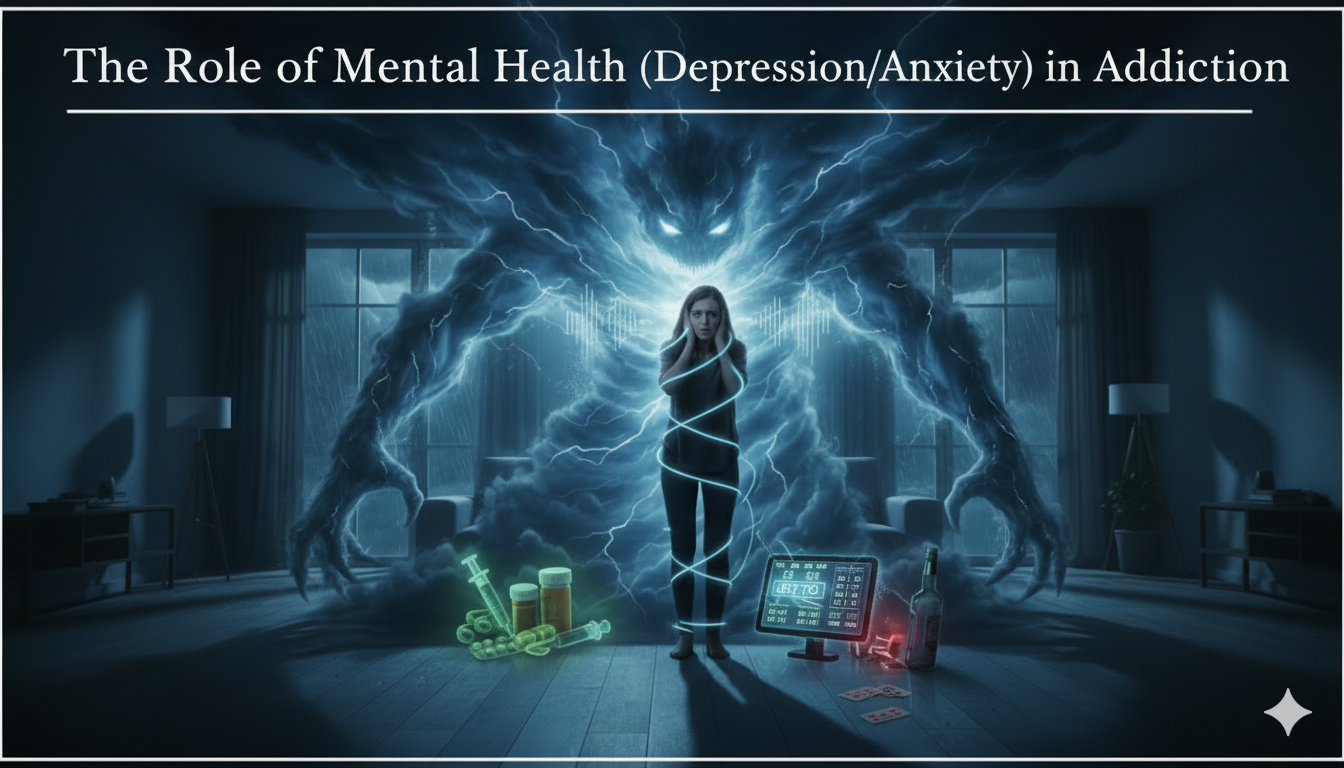
The landscape of human suffering often presents itself in complex, interwoven tapestries, none perhaps as intricate and debilitating as the co-occurrence of mental health disorders and substance use disorders (SUDs). This insidious interplay, commonly termed a “dual diagnosis” or “co-occurring disorder,” represents a monumental public health challenge, impacting millions globally and presenting significant hurdles for effective treatment and sustained recovery. As a health professional, I’ve witnessed firsthand the profound and often devastating effects when the weight of depression or the relentless storm of anxiety converges with the cunning, baffling, and powerful nature of addiction. This comprehensive article delves into the intricate, bidirectional relationship between mental health – specifically depression and anxiety – and addiction, exploring how these conditions serve as both precursors and perpetuators of one another. We will examine the neurobiological underpinnings, the psychological mechanisms, and the critical need for integrated, holistic care.
The Genesis of Vulnerability: Mental Health as a Precursor to Addiction
It is increasingly evident that mental health disorders are not merely coincidental companions to addiction; they frequently act as potent precursors, creating a fertile ground for substance use to take root. Individuals grappling with undiagnosed, misdiagnosed, or poorly managed depression and anxiety often find themselves caught in a desperate search for relief from their profound internal torment.
Depression: The Crushing Weight of Despair
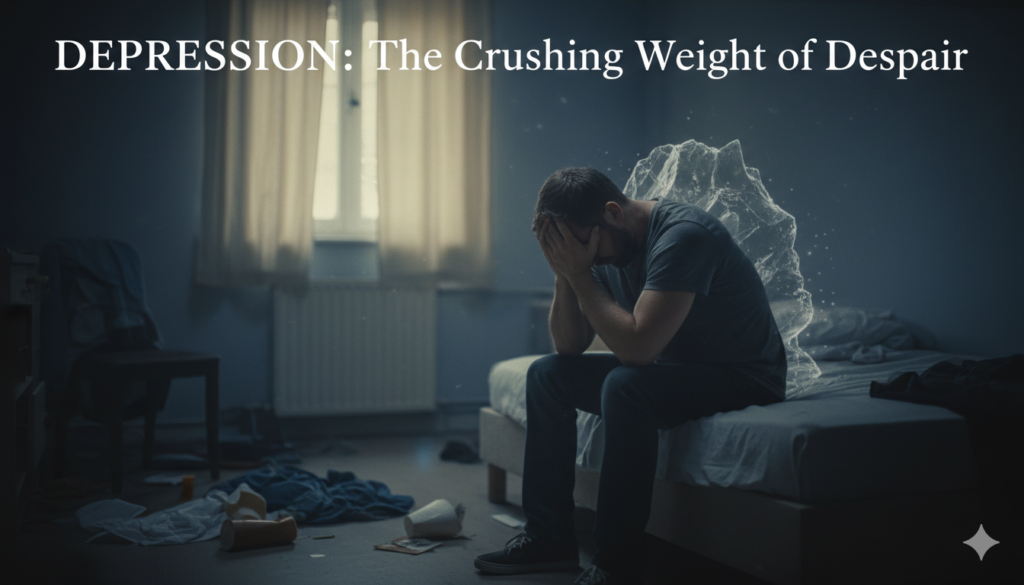
Depression, far from a fleeting sadness, is a pervasive and debilitating mood disorder characterized by persistent feelings of sadness, anhedonia (loss of interest or pleasure), fatigue, changes in appetite or sleep, feelings of worthlessness or guilt, and, in severe cases, suicidal ideation. For many, the relentless, crushing weight of depression becomes unbearable, leading to a desperate search for escape.
- The Self-Medication Hypothesis Revisited: One of the most compelling theories linking depression to addiction is the “self-medication hypothesis,” first formally articulated by Khantzian (1985). This theory posits that individuals use psychoactive substances to alleviate distressing psychological symptoms, particularly those related to affect regulation. For someone experiencing the pervasive emptiness and emotional pain of depression, substances like alcohol, opioids, or benzodiazepines might offer a temporary anesthetic, dulling the emotional ache, providing a fleeting sense of euphoria, or offering an escape from overwhelming negative thoughts. Stimulants, on the other hand, might be used to counteract the fatigue and lack of motivation inherent in depressive states. However, this relief is inherently transient and ultimately counterproductive. The initial “high” is invariably followed by a deeper crash, intensifying depressive symptoms and creating a vicious cycle where substance use becomes a maladaptive coping mechanism, further entrenching both conditions (Markou et al., 1998).
- Neurobiological Overlap and Dysregulation: Emerging research highlights a significant neurobiological overlap between depression and addiction. Both conditions involve dysregulation in key neurotransmitter systems, particularly dopamine, serotonin, and norepinephrine, which play crucial roles in mood, reward, motivation, and stress response. Chronic substance abuse can further deplete or desensitize receptors for these neurotransmitters, exacerbating depressive states. For instance, dopamine, central to the brain’s reward system, is dysregulated in both conditions. In depression, there’s often a hypoactive dopamine system leading to anhedonia, while substances artificially flood this system, leading to temporary pleasure but long-term depletion and blunting of natural rewards (Nestler, 2005). The hypothalamic-pituitary-adrenal (HPA) axis, central to the stress response, is also implicated in both. Chronic stress and depression can alter HPA axis functioning, making individuals more susceptible to the stress-reducing effects (and subsequent addictive potential) of substances (Koob & Le Moal, 1997).
- Cognitive Distortions and Impaired Coping: Depression significantly impairs an individual’s cognitive functioning and ability to cope with life’s myriad stressors. Feelings of hopelessness, helplessness, and worthlessness erode motivation to seek healthy solutions or engage in problem-solving. Cognitive distortions, such as negative self-talk, rumination, and catastrophic thinking, create a distorted reality where substance use might appear as the only viable escape. This impaired coping capacity, combined with emotional dysregulation, makes the immediate (albeit destructive) gratification of substance use an alluring, albeit tragic, alternative to confronting overwhelming feelings (Beck et al., 1979).
Anxiety: The Unrelenting Storm of Fear

Anxiety disorders, encompassing generalized anxiety disorder (GAD), panic disorder, social anxiety disorder, specific phobias, and others, are characterized by excessive worry, fear, and apprehension. The constant state of hyper-arousal, intrusive thoughts, physical symptoms like heart palpitations, shortness of breath, muscle tension, and an overwhelming sense of dread can be profoundly distressing and debilitating.
- Escape from Internal Torment: Similar to depression, individuals with anxiety disorders frequently turn to substances to escape their relentless internal torment. Alcohol and benzodiazepines (e.g., Xanax, Valium), known for their anxiolytic (anxiety-reducing) and sedative effects, can temporarily quiet an overactive mind, reduce the frequency and intensity of panic attacks, and alleviate social anxieties. The immediate calming effect can be incredibly seductive, offering a brief respite from chronic worry or fear. This rapid, potent, and easily accessible relief can lead to a rapid escalation of use, tolerance, and dependence (Brady & Sonne, 1999).
- Social Avoidance and Isolation: Social anxiety disorder, in particular, can be a powerful driver towards substance abuse. The intense fear of judgment, scrutiny, or embarrassment in social situations can lead to severe social avoidance and isolation. Substances, particularly alcohol, are often used as “social lubricants” to navigate uncomfortable interactions, creating a false sense of confidence or bravado. However, this temporary shield quickly dissolves, leaving the individual more anxious, dependent, and further entrenched in a cycle of avoidance and substance-induced disinhibition (Connor et al., 2000). The subsequent hangovers and guilt further exacerbate anxiety symptoms.
- Heightened Stress Response and Self-Regulation: Chronic anxiety keeps the body in a perpetual state of “fight or flight” (HPA axis activation), leading to physiological and psychological exhaustion. This heightened stress response can make even minor stressors feel overwhelming. Substances might be used to artificially dampen this physiological arousal, providing temporary relief from the relentless internal pressure. However, this further disrupts the body’s natural stress regulation systems, making it even harder to cope with stress without substances and increasing the likelihood of developing a dependency (Breslau et al., 1991).
The Vicious Cycle: How Addiction Fuels Mental Health Disorders
The relationship between mental health disorders and addiction is unequivocally bidirectional and cyclical. While mental health conditions often precede substance use, chronic substance abuse invariably exacerbates and complicates existing mental health disorders, and can even induce new ones, creating a deeply entrenched and self-perpetuating cycle of distress.
- Neurochemical Dysregulation and Withdrawal Syndromes: Chronic drug and alcohol use fundamentally alters brain chemistry and structure. It disrupts the delicate balance of neurotransmitters responsible for mood regulation, stress response, and cognitive function. This can dramatically worsen symptoms of depression and anxiety, making them more severe, frequent, and resistant to conventional treatments. The neuroadaptations that occur in the brain in response to chronic substance exposure lead to profound alterations in reward pathways, stress circuitry, and emotional processing (Volkow et al., 2011).
- Withdrawal Symptoms: The withdrawal process from many substances is characterized by intense and often agonizing mental health symptoms. Alcohol and benzodiazepine withdrawal, for example, can induce severe anxiety, panic attacks, depression, irritability, insomnia, and in severe cases, seizures and delirium tremens. Opioid withdrawal is marked by profound dysphoria, anxiety, and anhedonia. For individuals with pre-existing mental health conditions, these withdrawal symptoms are not only physically tormenting but also psychologically devastating, often leading to rapid relapse as they seek to escape the torment of withdrawal and re-establish a sense of equilibrium (American Psychiatric Association, 2013).
- Pharmacological Effects and Paradoxical Outcomes: While some substances may initially reduce anxiety or depression, their long-term pharmacological effects often lead to paradoxical outcomes. Chronic alcohol use, a depressant, is strongly linked to increased rates of depression and anxiety disorders. Stimulants, initially used to combat fatigue and improve mood, can lead to severe anxiety, paranoia, and deep depressive crashes upon cessation (Grant et al., 2004). Benzodiazepines, while anxiolytic, can cause rebound anxiety, memory problems, and significant withdrawal symptoms that mimic and exacerbate underlying anxiety disorders.
- Social, Occupational, and Economic Consequences: Addiction rarely exists in isolation. It invariably leads to a cascade of severe social, occupational, and economic problems. Job loss, academic failure, strained relationships, family breakdown, financial debt, homelessness, and legal troubles are common consequences. These stressors contribute profoundly to feelings of shame, guilt, hopelessness, and isolation, significantly worsening existing depression and anxiety and creating new sources of mental anguish. The erosion of self-esteem and social support further isolates the individual, perpetuating the cycle of despair and substance use.
- Stigma and Shame: Barriers to Help-Seeking: Both mental health disorders and addiction carry immense societal stigma. This dual stigma creates an enormous barrier to individuals seeking help. The fear of judgment, discrimination, and social ostracization can lead to secrecy, denial, and prolonged suffering. In many cultures, mental illness is misunderstood or seen as a moral failing, and addiction is often viewed as a character flaw rather than a chronic disease. This cultural context can delay or prevent individuals from accessing the integrated care they desperately need, further exacerbating both conditions.
- Increased Risk of Suicide: The co-occurrence of mental health disorders and substance use disorders significantly elevates the risk of suicide. Individuals with both depression and SUDs have a substantially higher likelihood of suicidal ideation and attempts compared to those with either condition alone (Wilcox et al., 2004). The impulsivity often associated with substance use, combined with the hopelessness of depression, creates a particularly lethal combination.
The Urgent Imperative for Integrated Care: Dual Diagnosis Treatment

Given the undeniable, bidirectional, and deeply entrenched link between mental health and addiction, it is unequivocally clear that treating one without comprehensively addressing the other is largely ineffective and often futile. This understanding underpins the critical need for dual diagnosis treatment, also known as integrated treatment.
Historically, the healthcare system often operated in silos. Individuals presenting with co-occurring disorders were frequently bounced between mental health services and addiction treatment centers, neither of which was adequately equipped or mandated to handle the intricate complexity of their needs. A person seeking help for severe depression might be turned away from a mental health clinic if they admitted to active substance abuse, being told to “get clean first.” Conversely, an addiction treatment center might view their depression as a secondary issue that would resolve with sobriety, or lack the expertise to manage psychiatric medications. This fragmented approach often led to chronic frustration, repeated relapses, and a perpetuation of profound suffering.
What Constitutes Effective Dual Diagnosis Treatment?
Dual diagnosis treatment is a holistic, patient-centered approach that concurrently addresses both mental health disorders and substance use disorders within the same treatment setting and by the same clinical team. It recognizes that these conditions are interconnected, influencing and exacerbating each other, and therefore must be treated in a coordinated, comprehensive, and synergistic manner. Key components of effective dual diagnosis treatment include:
- Comprehensive Biopsychosocial-Spiritual Assessment: A thorough, multidisciplinary initial assessment is paramount. This goes beyond mere symptom checklists to accurately diagnose both conditions, understand their temporal relationship, identify precipitating and perpetuating factors, and assess their interplay. It involves evaluating the severity of both disorders, the history of substance use, any co-occurring medical conditions, family history, social support systems, trauma history, and spiritual beliefs. This holistic understanding forms the bedrock of an individualized treatment plan (Mueser et al., 2005).
- Integrated Treatment Planning and Delivery: Treatment plans are meticulously designed to address both mental health and addiction goals simultaneously. This means that therapeutic interventions for depression or anxiety are seamlessly integrated with strategies for addiction recovery. The treatment team, comprising psychiatrists, psychologists, addiction counselors, social workers, and other specialists, collaborates closely to ensure a cohesive and consistent approach. The patient receives consistent messages and interventions from all team members, preventing conflicting advice or fragmented care.
- Medication Management and Pharmacotherapy: For many individuals with dual diagnoses, pharmacological interventions are a vital, often life-saving, component of treatment. A psychiatrist with expertise in co-occurring disorders carefully prescribes and manages medications such as antidepressants (e.g., SSRIs, SNRIs), anxiolytics (used cautiously due to addiction potential, or non-benzodiazepine alternatives), mood stabilizers (for bipolar disorder), or medications to reduce cravings for substances (e.g., naltrexone, buprenorphine). The goal is to stabilize mental health symptoms while supporting sobriety, always considering potential interactions and risks associated with substance use (Ziedonis et al., 2005).
- Evidence-Based Psychotherapeutic Modalities: A range of evidence-based therapies, tailored to the individual’s specific needs, are employed:
- Cognitive Behavioral Therapy (CBT): Highly effective for both depression, anxiety, and addiction, CBT helps individuals identify and challenge maladaptive thought patterns, beliefs, and behaviors that contribute to both conditions. It equips them with healthier coping mechanisms, emotional regulation skills, and strategies for relapse prevention (Carroll & Onken, 2005). For example, a client might learn to identify depressive thoughts that trigger cravings, or anxious thoughts that lead to substance use.
- Dialectical Behavior Therapy (DBT): Originally developed for Borderline Personality Disorder but widely applicable, DBT is particularly useful for individuals with significant emotion dysregulation, impulsivity, and a history of self-harm. It teaches core mindfulness, distress tolerance, emotion regulation, and interpersonal effectiveness skills, which are crucial for managing intense emotions that often drive both substance use and mental health crises (Linehan et al., 1999).
- Motivational Interviewing (MI): This client-centered, directive method helps individuals explore and resolve ambivalence about changing their substance use and mental health behaviors. It respects client autonomy and fosters intrinsic motivation for recovery, which is essential for sustained engagement in treatment (Miller & Rollnick, 2013).
- Group Therapy: Provides a safe, supportive, and structured environment where individuals can share experiences, receive feedback, challenge denial, learn from peers, and develop a sense of community. Specialized dual diagnosis groups allow participants to explore the unique interplay of their conditions.
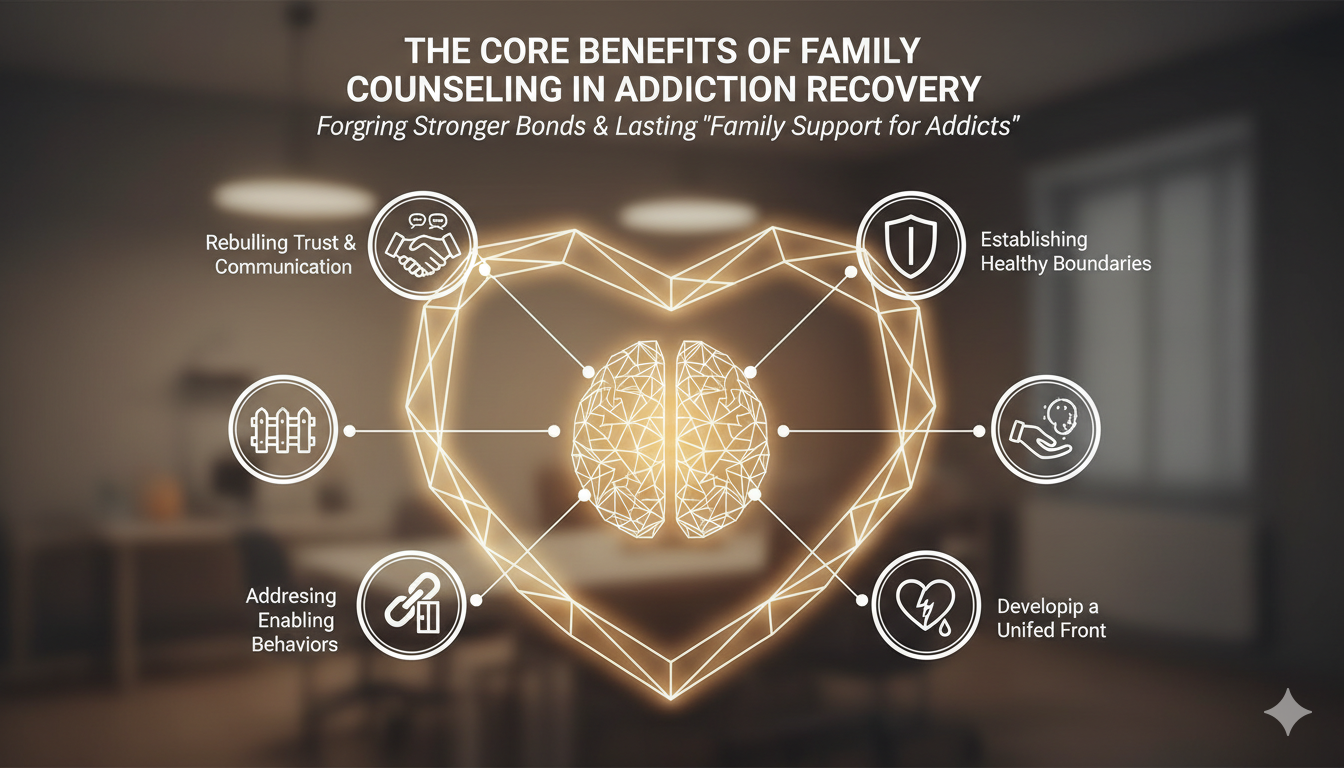
- Family Therapy/Support: Addiction and mental illness profoundly impact families. Family therapy addresses dysfunctional communication patterns, sets healthy boundaries, fosters empathy, and educates family members about both conditions, transforming them into a crucial part of the recovery support system. Support groups like Al-Anon or Nar-Anon are also invaluable for family members.
- Trauma-Informed Care: A significant proportion of individuals with dual diagnoses have a history of trauma. Trauma-informed care recognizes the pervasive impact of trauma, integrates knowledge about trauma into policies and practices, and actively resists re-traumatization. This approach is essential for creating a safe and healing environment (SAMHSA, 2014).
- Life Skills Training and Holistic Support: Many individuals with dual diagnoses lack essential life skills due to the chronicity and impact of their conditions. Treatment often includes training in areas such as stress management, communication, problem-solving, financial management, vocational skills, housing support, and healthy leisure activities. The goal is to equip individuals with the tools needed to build a stable, fulfilling life in recovery.
- Aftercare and Relapse Prevention Planning: Recovery is a long-term, often lifelong, process. Robust aftercare planning is critical for sustained sobriety and mental well-being. This includes ongoing individual and group therapy, participation in mutual aid support groups (e.g., AA, NA, Dual Recovery Anonymous), regular psychiatric follow-ups, and engagement with community resources. Relapse prevention strategies are meticulously tailored to address specific triggers related to both mental health symptoms (e.g., escalating anxiety, depressive episodes) and substance use cravings (Marlatt & Gordon, 1985).
Challenges and the Path Forward in Comprehensive Dual Diagnosis Treatment
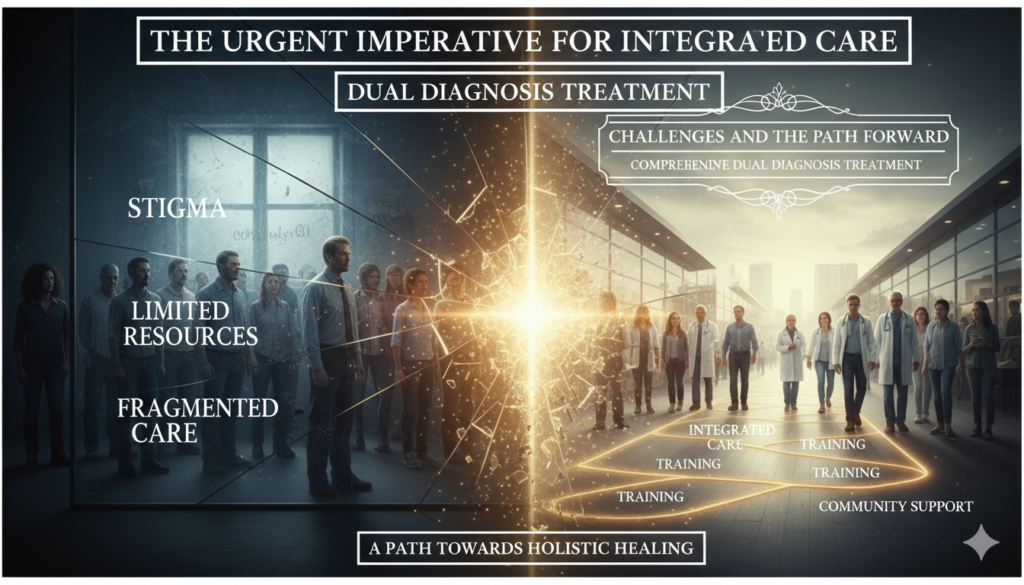
Despite the clear benefits and imperative of integrated care, significant challenges persist globally in the effective implementation of dual diagnosis treatment:
- Systemic Barriers: The historical separation of mental health and addiction services often results in a fragmented system with different funding streams, regulations, and philosophies, making true integration difficult.
- Workforce Shortage and Training: There is a global shortage of healthcare professionals adequately trained to diagnose and treat co-occurring disorders. Many clinicians specialize in one area but lack comprehensive expertise in the other.
- Stigma and Discrimination: The persistent stigma associated with both mental illness and addiction creates significant barriers to help-seeking and can lead to discrimination within healthcare settings.
- Funding and Accessibility: Quality integrated treatment can be resource-intensive and expensive, making it inaccessible for many, particularly in underserved communities or regions with limited public health infrastructure.
- Individualized Nature: While there are common principles, dual diagnosis treatment must be highly individualized, recognizing the unique interplay of conditions, personal history, and cultural context for each patient. This requires flexibility and comprehensive resources.
- Measurement and Outcomes: Developing robust outcome measures that capture improvement across both mental health and addiction domains can be challenging but is crucial for demonstrating efficacy and securing further resources.
The Path Forward: Addressing these challenges requires a multifaceted approach:
- Policy and Funding Integration: Advocating for policies that promote the integration of mental health and addiction services, with unified funding streams.
- Enhanced Training and Education: Investing in specialized training programs for all healthcare professionals, from primary care providers to specialists, on the identification and management of co-occurring disorders.
- Public Awareness Campaigns: Aggressive public health campaigns to reduce stigma and increase understanding of dual diagnosis, encouraging early intervention.
- Research and Evidence-Based Practice: Continued research to refine our understanding of the neurobiology and psychology of dual diagnosis, leading to the development and dissemination of even more effective evidence-based interventions.
- Leveraging Technology: Utilizing telemedicine, digital health platforms, and mobile applications to expand access to integrated care, particularly in remote areas, and provide ongoing support.
- Collaboration and Partnerships: Fostering strong partnerships between mental health providers, addiction treatment centers, primary care, social services, and community organizations.
Conclusion: A Unified Approach to Healing
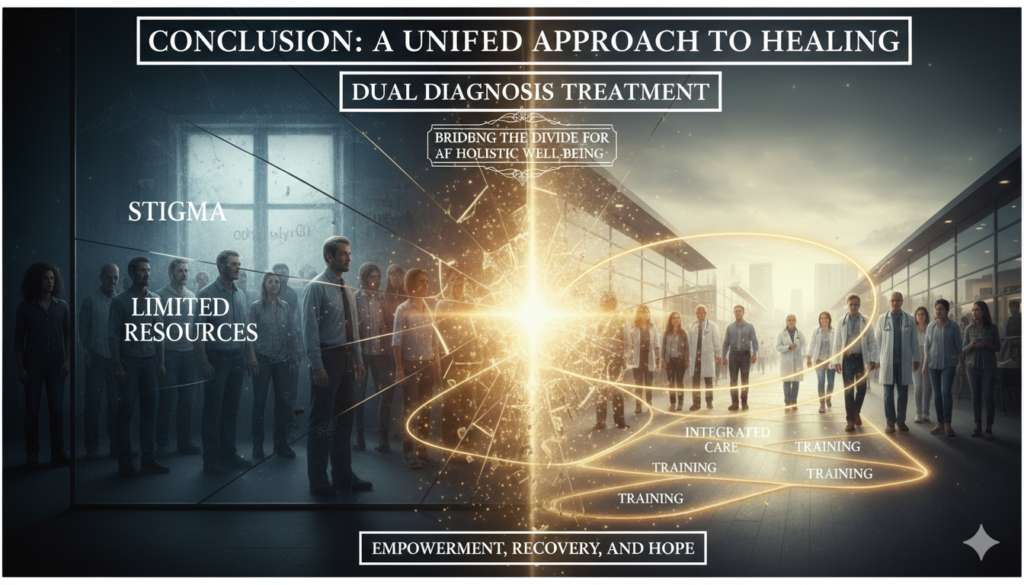
The intricate and often devastating relationship between mental health disorders like depression and anxiety and the insidious grip of addiction demands a fundamental paradigm shift in how we approach care. Ignoring one while attempting to treat the other is akin to treating a wounded limb while the underlying infection rages on, ensuring limited efficacy and prolonged suffering. The imperative for comprehensive, integrated dual diagnosis treatment is not merely a clinical preference; it is an ethical and humanitarian necessity.
As health professionals, our unwavering commitment must be to advocate for, develop, and deliver holistic care that recognizes the individual as a complex entity, addressing their emotional, psychological, spiritual, and physical suffering simultaneously. While the journey towards fully integrated care is long and fraught with systemic and societal challenges, the increasing scientific understanding, the growing body of evidence-based practices, and the unwavering dedication of individuals and organizations offer a powerful beacon of hope. By embracing a compassionate, informed, and truly integrated approach, we can empower countless individuals to break free from the intertwined chains of mental illness and addiction, paving the way for sustained recovery, renewed dignity, and a life of purpose and well-being. It is only through this unified and holistic lens that true and lasting healing can begin.
References:
- American Psychiatric Association. (2013). Diagnostic and statistical manual of mental disorders (5th ed.).
- Beck, A. T., Rush, A. J., Shaw, B. F., & Emery, G. (1979). Cognitive therapy of depression. Guilford Press.
- Brady, K. T., & Sonne, S. C. (1999). The role of anxiety and stress in the development of alcohol dependence. Alcohol Research & Health, 23(4), 232–239.
- Breslau, N., Davis, G. C., Andreski, L., & Peterson, E. (1991). Traumatic events and posttraumatic stress disorder in an urban population of young adults. Archives of General Psychiatry, 48(3), 216–222.
- Carroll, K. M., & Onken, L. S. (2005). Behavioral therapies for drug abuse. American Journal of Psychiatry, 162(8), 1452–1460.
- Connor, K. M., Davidson, J. R. T., & Hertzberg, M. A. (2000). The social phobia inventory (SPIN): Psychometric properties. Depression and Anxiety, 12(4), 202–208.
- Grant, B. F., Stinson, F. S., Dawson, D. A., Chou, S. P., Dufour, M. C., Compton, W., … & Kaplan, K. (2004). Prevalence and co-occurrence of substance use disorders and independent mood and anxiety disorders: Results from the National Epidemiologic Survey on Alcohol and Related Conditions. Archives of General Psychiatry, 61(8), 807–816.
- Khantzian, E. J. (1985). The self-medication hypothesis revisited. American Journal of Psychiatry, 142(11), 1259–1264.
- Koob, G. F., & Le Moal, M. (1997). Drug abuse: Hedonic homeostatic dysregulation. Science, 278(5335), 52–58.
- Linehan, M. M., Schmidt, H., Dimeff, L. A., Craft, J. C., Kanter, J., & Comtois, A. P. (1999). Dialectical behavior therapy for patients with borderline personality disorder and drug-dependence. American Journal on Addictions, 8(4), 279–292.
- Markou, A., Weiss, F., Koob, G. F., & Erickson, K. (1998). Current issues in the neurobiology of addiction. Annual Review of Pharmacology and Toxicology, 38(1), 105–136.
- Marlatt, G. A., & Gordon, J. R. (1985). Relapse prevention: Maintenance strategies in the treatment of addictive behaviors. Guilford Press.
- Miller, W. R., & Rollnick, S. (2013). Motivational interviewing: Helping people change (3rd ed.). Guilford Press.
- Mueser, K. T., Drake, R. E., & Wallach, M. A. (2005). Dual diagnosis: A review of etiological theories, co-occurring mental illnesses, and treatment. Drug and Alcohol Dependence, 77(3), 207–222.
- Nestler, E. J. (2005). Molecular mechanisms of cocaine addiction. New England Journal of Medicine, 353(16), 1630–1632.
- Substance Abuse and Mental Health Services Administration (SAMHSA). (2014). TIP 57: Trauma-informed care in behavioral health services.
- Volkow, N. D., Wang, G. J., Fowler, J. S., Tomasi, D., & Telang, F. (2011). Addiction: Beyond dopamine reward circuitry. Proceedings of the National Academy of Sciences, 108(37), 15042–15048.
- Wilcox, H. C., Conner, K. R., & Caine, E. D. (2004). Association of alcohol and drug use disorders and completed suicide: An empirical review of cohort studies. Drug and Alcohol Dependence, 76(Suppl 1), S119–S125.
- Ziedonis, D. M., Trudeau, E., & Johnson, B. (2005). Treatment of co-occurring substance use disorders and schizophrenia. Journal of Clinical Psychiatry, 66(Suppl 6), 28–34.