
Introduction
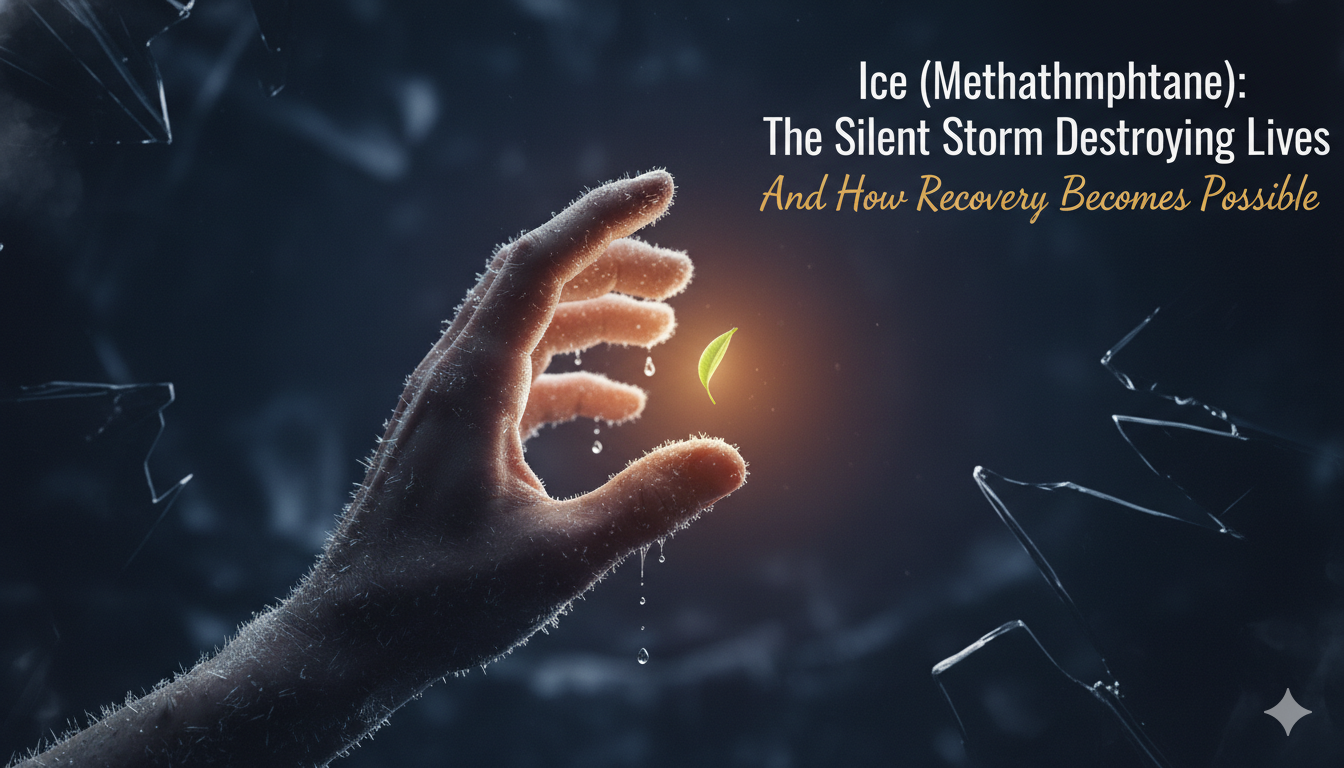
Drug addiction is a serious and growing health problem affecting individuals, families, and communities worldwide. It is not simply a lack of willpower or a bad habit. Drug addiction is a chronic medical condition that changes the brain and behavior of a person, making it difficult to stop using substances even when they cause harm. Understanding what drug addiction is, its causes, symptoms, and available treatment options is essential for early intervention and successful recovery.
What Is Drug Addiction?
Drug addiction, also known as substance use disorder (SUD), is a condition in which a person becomes physically and psychologically dependent on a substance. These substances may include illegal drugs like heroin, cocaine, and crystal meth (ice), as well as legal substances such as alcohol, prescription medications, and cannabis.
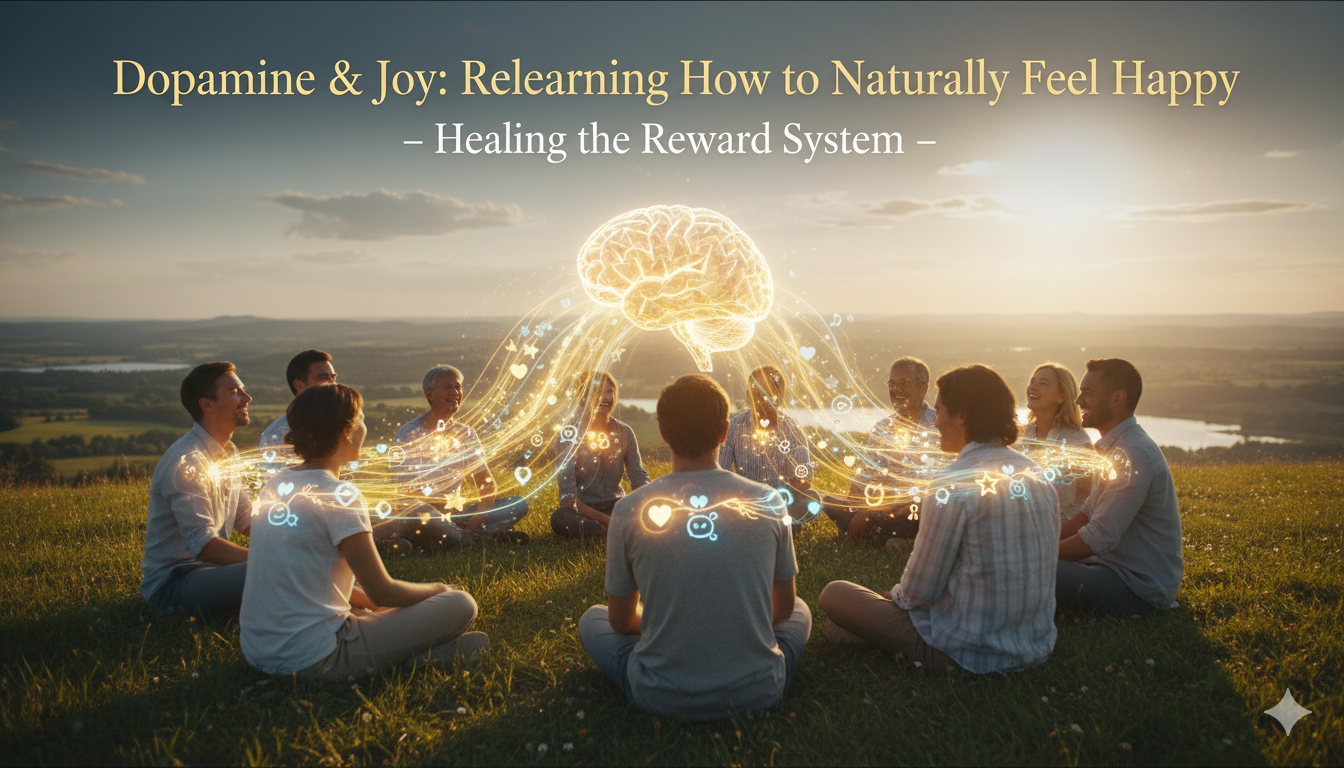
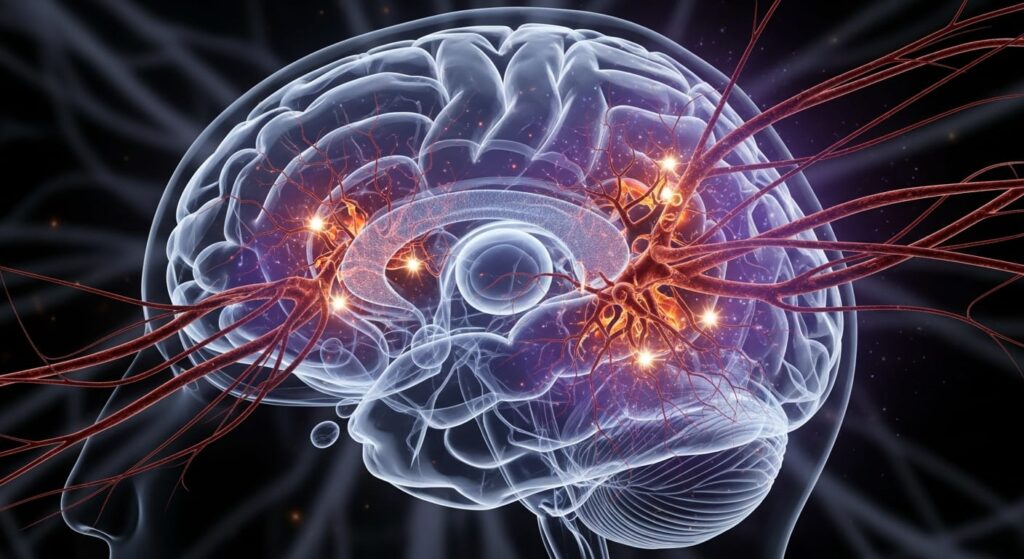
Addiction affects the brain’s reward system. When a person uses drugs, the brain releases large amounts of dopamine, a chemical responsible for feelings of pleasure and motivation. Over time, the brain becomes dependent on the substance to produce these feelings. As a result, the person feels strong cravings and loses control over their drug use.
Addiction is considered a chronic disease because it often requires long-term management and can involve relapse without proper treatment and support.
Causes of Drug Addiction
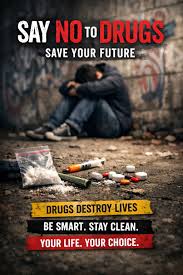
There is no single cause of drug addiction. It develops due to a combination of biological, psychological, and social factors.
1. Biological Factors
Genetics plays a significant role in addiction. Research shows that individuals with a family history of substance abuse are more likely to develop addiction. Brain chemistry and certain mental health conditions can also increase vulnerability.
2. Psychological Factors
Mental health disorders such as depression, anxiety, trauma, or post-traumatic stress disorder (PTSD) are closely linked to substance abuse. Many individuals use drugs to cope with emotional pain, stress, or psychological distress.
Low self-esteem, poor stress management, and impulsive behavior can also increase the risk.
3. Environmental and Social Factors
The environment plays a powerful role in addiction development. Common risk factors include:
- Peer pressure
- Easy availability of drugs
- Family conflict or neglect
- Poverty and unemployment
- Exposure to violence or abuse
Adolescents and young adults are especially vulnerable due to social influence and risk-taking behavior.
Symptoms of Drug Addiction

Recognizing the signs of drug addiction early can prevent serious consequences. Symptoms can be physical, psychological, and behavioral.
Physical Symptoms
- Sudden weight loss or gain
- Bloodshot eyes or unusual pupil size
- Poor hygiene and neglect of appearance
- Tremors, sweating, or frequent illness
- Changes in sleep patterns
Psychological Symptoms
- Mood swings
- Anxiety or depression
- Irritability or aggression
- Paranoia or hallucinations (especially in stimulant use like ice)
- Loss of motivation
Behavioral Symptoms
- Secretive behavior
- Loss of interest in work or school
- Financial problems
- Stealing or lying
- Withdrawal from family and friends
- Strong cravings and inability to stop using drugs
When drug use continues despite negative consequences in health, relationships, and career, it is a strong indication of addiction.
Effects of Drug Addiction

If left untreated, drug addiction can lead to severe consequences, including:
- Liver, heart, and lung damage
- Brain damage and memory problems
- Mental health disorders
- Risk of overdose and death
- Legal problems
- Family breakdown and social isolation
Addiction not only affects the individual but also deeply impacts families and society as a whole.
Treatment Options for Drug Addiction
The good news is that drug addiction is treatable. With professional care and support, recovery is possible.
1. Medical Detoxification
Detox is the first step in treatment. It involves removing drugs from the body under medical supervision. Withdrawal symptoms can be severe, especially for opioids, alcohol, or methamphetamine, so medical monitoring ensures safety and comfort.
2. Inpatient Rehabilitation
Inpatient rehab provides a structured and supportive environment where patients stay at the facility for a specific period. It includes:
- Medical care
- Individual counseling
- Group therapy
- Behavioral therapy
- Relapse prevention planning
This approach is especially effective for severe addiction cases.
3. Outpatient Treatment
Outpatient programs allow individuals to live at home while attending therapy sessions regularly. This option is suitable for mild to moderate addiction or for those who have completed inpatient treatment.
4. Psychological Therapies
Therapies such as Cognitive Behavioral Therapy (CBT) help patients identify negative thought patterns and develop healthier coping strategies. Counseling addresses the root causes of addiction and helps rebuild self-control.
5. Dual Diagnosis Treatment
If a person has both addiction and a mental health disorder, both conditions must be treated together. Ignoring one can increase the risk of relapse.
6. Family Support and Aftercare
Recovery does not end after rehab. Ongoing support, family involvement, support groups, and relapse prevention programs are essential for long-term success.
Prevention of Drug Addiction
Prevention starts with awareness and education. Open communication within families, strong social support, and early intervention for mental health issues can significantly reduce the risk of addiction.
Teaching young people about the dangers of drugs and building resilience can protect them from experimenting with harmful substances.
Conclusion
Drug addiction is a complex but treatable medical condition. It affects the brain, behavior, and overall well-being of an individual. Understanding its causes, recognizing symptoms early, and seeking professional treatment can save lives.
With proper medical care, psychological support, and family involvement, recovery is not only possible but achievable. If you or someone you know is struggling with drug addiction, seeking professional help is the first and most important step toward a healthier and drug-free life.