Introduction
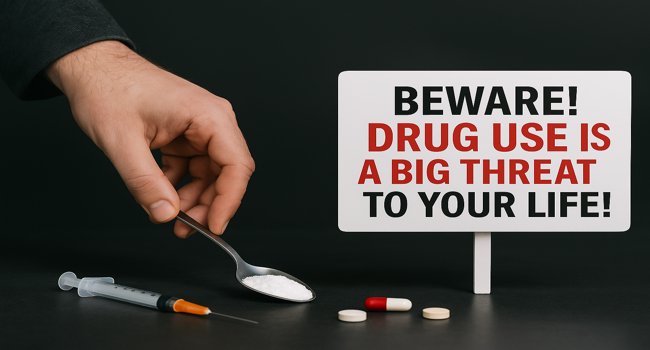
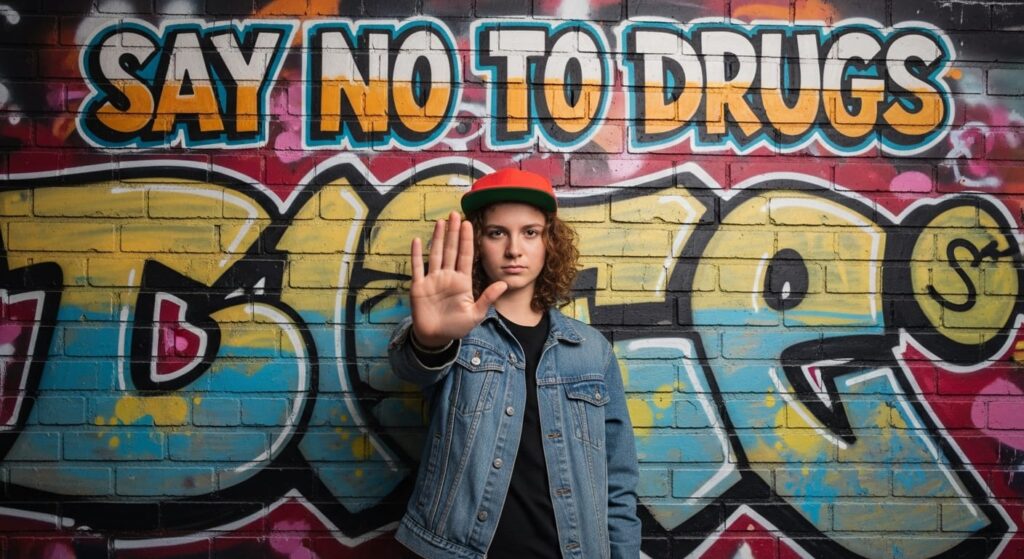
Drug abuse is one of the most serious challenges facing individuals, families, and societies today. Across the world, millions of people suffer from addiction to substances such as heroin, crystal meth (Ice), cocaine, cannabis, prescription medications, and synthetic drugs. The message “Say No to Drugs” is not just a slogan—it is a powerful life-saving decision. Refusing drugs at the beginning can prevent years of suffering, health complications, and emotional destruction.
Understanding why drugs are dangerous and how addiction develops is the first step toward building a drug-free society.
What Does “Say No to Drugs” Really Mean?

Saying no to drugs means making a conscious and informed decision to protect your physical health, mental stability, family relationships, and future goals. It means resisting peer pressure, avoiding risky environments, and choosing healthy alternatives such as education, sports, spirituality, and professional growth.
The first “no” is the most powerful. Many addicts admit that their addiction began with curiosity or social pressure. What seems like a harmless experiment can quickly turn into dependency.
Why People Start Using Drugs
People begin using drugs for different reasons. Some are influenced by friends or social circles. Others use drugs to escape stress, depression, trauma, or personal problems. Curiosity, media influence, easy availability, and lack of parental supervision also contribute.
Young people are particularly vulnerable because they may not fully understand the long-term consequences. Unfortunately, drugs do not solve problems—they create bigger ones.
How Drugs Affect the Brain and Body
Most addictive drugs affect the brain’s reward system by increasing dopamine levels. Dopamine is the chemical responsible for pleasure and motivation. When drugs artificially increase dopamine, the brain becomes dependent on the substance to feel good.
Over time, natural dopamine production decreases, making the person feel depressed, anxious, and empty without the drug. This leads to repeated use and eventually addiction.
Physically, drugs can damage almost every organ in the body. They may cause heart disease, liver failure, kidney damage, respiratory problems, weakened immunity, and even sudden death. Mental health complications such as depression, anxiety, paranoia, and psychosis are also common.
The Social and Family Impact of Drug Abuse
Drug addiction not only harms the individual; it affects the entire family. Trust is broken, financial problems increase, and emotional pain becomes constant. Many families experience conflict, domestic violence, and social isolation due to addiction.
Communities also suffer. Crime rates increase, productivity decreases, and healthcare systems become overloaded. Addiction destroys education, careers, and future opportunities.
The Psychological Trap of Addiction

Addiction is a psychological trap. At first, the drug provides pleasure or relief. Soon, the brain adapts, and the same amount of the drug no longer produces the same effect. The user increases the dose, leading to tolerance and dependence.
Eventually, the person does not take drugs to feel high—they take them just to avoid feeling sick. Withdrawal symptoms such as depression, anxiety, body pain, and intense cravings make quitting difficult without professional help.
Early Warning Signs of Drug Abuse
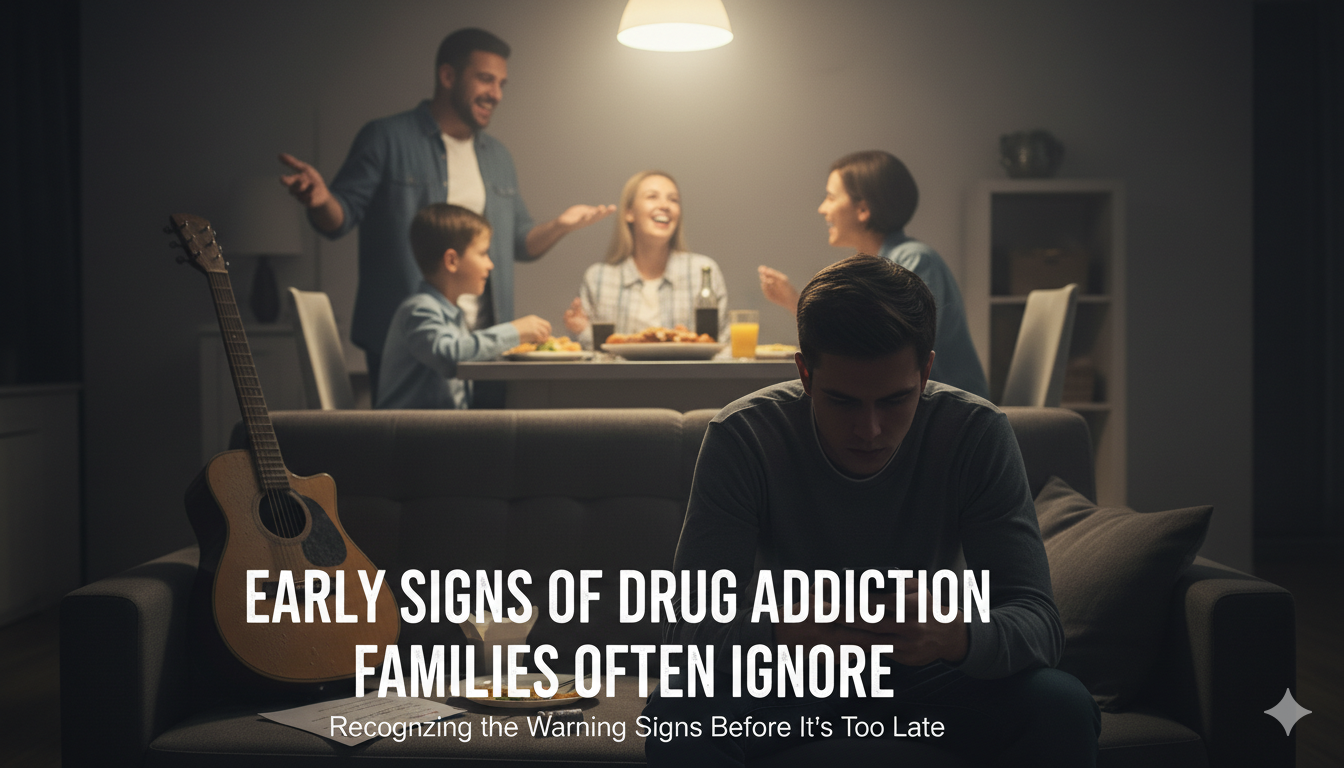
Recognizing early warning signs can save a life. Sudden behavioral changes, mood swings, secretive habits, loss of interest in studies or work, financial problems, unusual sleep patterns, and neglect of personal hygiene may indicate substance abuse.
Early intervention greatly increases the chances of successful recovery.
Prevention: How to Say No to Drugs
Prevention begins at home and in schools. Open communication between parents and children builds trust and awareness. Teaching young people about the real dangers of drugs helps them make informed decisions.
Strong family bonds, moral and religious guidance, participation in sports, and engagement in positive social activities reduce the risk of experimentation. Learning stress management skills and healthy coping mechanisms also protects individuals from turning to drugs during difficult times.
The power of saying no comes from self-confidence and clear life goals. Individuals who have purpose and strong values are less likely to fall into addiction.
Treatment and Recovery Options

Recovery from drug addiction is possible with professional support. The first step is medical detoxification under supervision to manage withdrawal symptoms safely. After detox, psychological therapies such as Cognitive Behavioral Therapy help individuals understand triggers and develop coping strategies.
Inpatient rehabilitation programs provide structured environments free from negative influences. Counseling, group therapy, family therapy, and relapse prevention planning are essential components of recovery. Long-term follow-up and support groups help maintain sobriety.
Addiction is a treatable medical condition, not a moral failure. Compassion, professional care, and consistent support are key to successful rehabilitation.
The Role of Society in Fighting Drug Abuse
Governments, healthcare professionals, educators, and community leaders must work together to combat drug abuse. Awareness campaigns, strict law enforcement, accessible treatment facilities, and youth engagement programs are critical.
Communities that prioritize prevention and rehabilitation create safer environments for future generations
Conclusion
Saying no to drugs is a life-saving decision that protects health, dignity, and future success. Drug addiction destroys lives physically, mentally, socially, and financially. However, with awareness, prevention strategies, and professional treatment, recovery is possible.
The strongest defense against addiction is education, early intervention, and the courage to refuse the first offer. A drug-free life is not only healthier—it is brighter, stronger, and full of opportunity.
Frequently Asked Questions (FAQs)
1. Why is it important to say no to drugs?
Saying no to drugs protects your physical health, mental stability, relationships, and future opportunities. Early refusal prevents addiction and long-term damage.
2. Are all drugs addictive?
Not all drugs cause addiction immediately, but many substances have addictive potential. Illegal drugs and misuse of prescription medications can quickly lead to dependence.
3. How can parents prevent their children from using drugs?
Parents can prevent drug use by maintaining open communication, educating their children about risks, monitoring their social circles, and encouraging positive activities.
4. What are the first signs of drug addiction?
Early signs include mood changes, secrecy, declining performance in school or work, financial issues, unusual sleeping patterns, and withdrawal from family activities.
5. Can a drug addict fully recover?
Yes, with proper medical treatment, psychological therapy, and strong support, many individuals recover and lead healthy, productive lives.
6. Is addiction a disease or a bad habit?
Addiction is considered a medical condition that affects brain function and behavior. It requires professional treatment and support.
7. What should I do if someone in my family is using drugs?
Approach them calmly and encourage professional help. Avoid blame or aggression. Seeking guidance from a rehabilitation center or addiction specialist is highly recommended.