The teenage years feel like standing on the edge of a vast, open world. Everything seems exciting. Everything feels possible. But beneath that excitement lie traps that can quietly destroy dreams. One of the biggest and most dangerous traps of all? Drugs.
You’ve heard people say, “It’s just for fun,” or “Everyone tries it once.” But here’s the truth: Drugs aren’t just a phase. They can change your mind, your future, and your entire life faster than you think.
Let’s talk honestly about the hidden dangers of drugs and what every teen really needs to understand.
Introduction to Teen Drug Abuse
Why Teens Are at Higher Risk
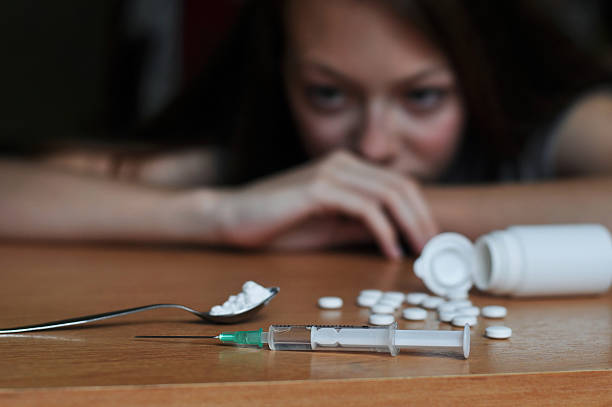
Teenagers are naturally curious. That’s not a weakness. It’s part of growing up. Your brain is still developing, especially the part responsible for decision-making and impulse control. That means you may take risks without fully thinking about long-term consequences.
At the same time, peer pressure is real. The desire to fit in can feel overwhelming. When someone offers a cigarette, alcohol, or something stronger, saying no can feel like standing alone in a storm.
But here’s what many don’t realize: teenage brains are more vulnerable to addiction than adult brains. What may seem like experimentation can quickly turn into dependency.
The Growing Drug Culture Among Youth
Social media, music, movies, and even online influencers sometimes glamorize drug use. It’s often shown as “cool,” “rebellious,” or “stress-relieving.” But the reality behind the scenes is rarely shown — the anxiety, the hospital visits, the broken families, the silent tears.
Drugs don’t make you stronger. They quietly take control.
What Are Drugs and How Do They Work?
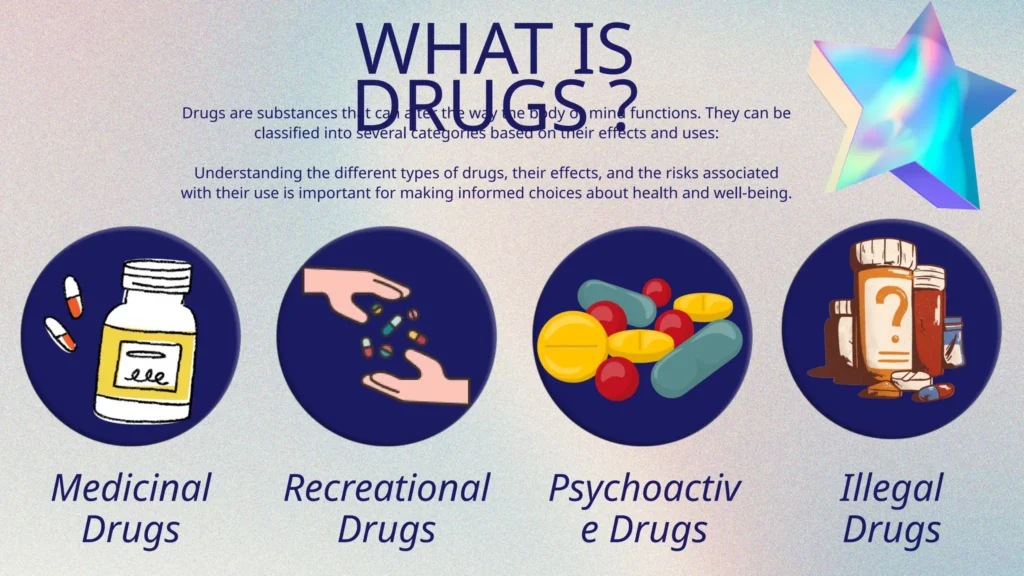
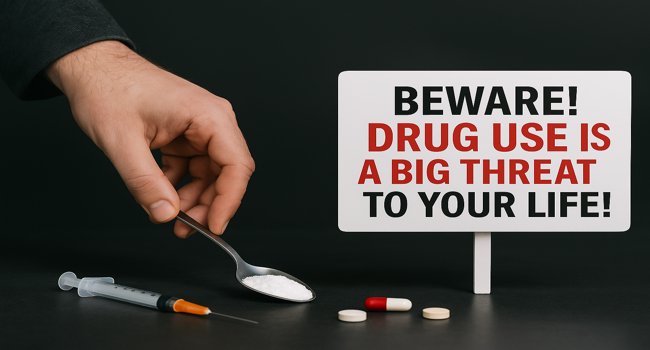
Drugs are chemicals that change the way your body and brain function. Some are legal, like alcohol and prescription medications. Others are illegal, like heroin or crystal meth.
But here’s the key point: legal doesn’t mean safe.
How Drugs Affect the Brain
Your brain works using chemical messengers. One of the most important is dopamine, which controls pleasure and reward. When you achieve something, eat good food, or laugh with friends, dopamine is released naturally.
Drugs hijack this system.
Dopamine and the Reward System
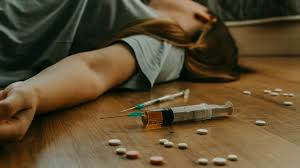
Think of dopamine like your brain’s “feel-good currency.” Drugs flood your brain with unnatural amounts of dopamine. It’s like winning the lottery every few minutes. But after repeated use, your brain stops producing dopamine naturally.
Now you need the drug just to feel normal.
That’s how addiction begins.
The Most Common Drugs Teens Experiment With
Alcohol
Alcohol is socially accepted, but it’s one of the most dangerous substances. It slows down brain function, impairs judgment, and increases the likelihood of risky behaviors. Drunk driving accidents among teens remain a leading cause of death worldwide.
Cigarettes and Vaping
Vaping is often marketed as “safer,” but nicotine is highly addictive. It affects brain development and increases the risk of future substance abuse.
Ice (Crystal Meth)
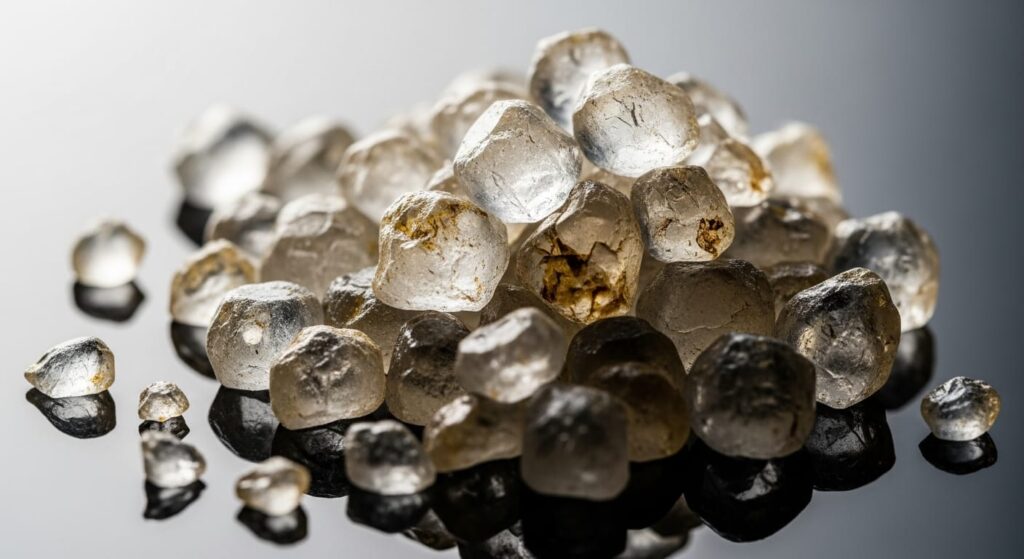
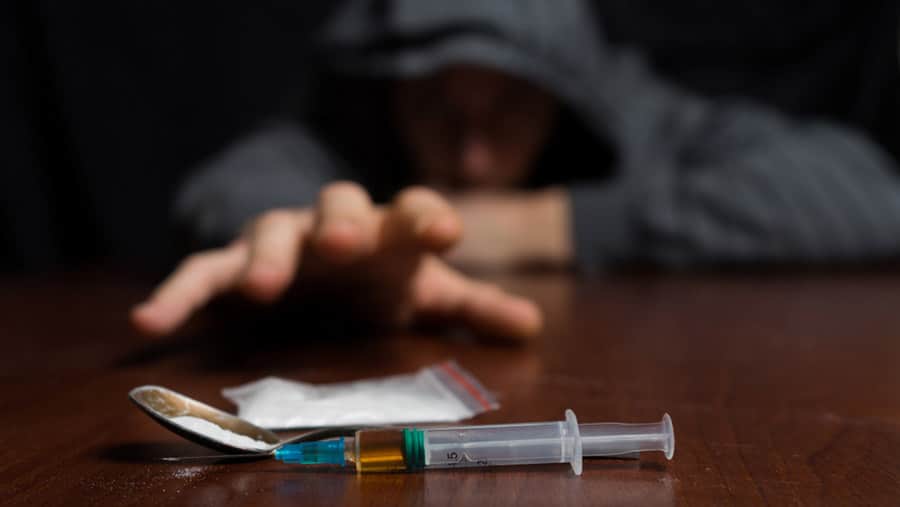
Crystal meth, often called “ice,” is extremely dangerous. It causes intense euphoria followed by severe depression. Long-term use can lead to paranoia, hallucinations, violent behavior, and permanent brain damage.
Prescription Drug Misuse
Painkillers and anti-anxiety medications are often misused. Many heroin addictions actually begin with prescription opioid misuse.
The Short-Term Effects of Drug Use
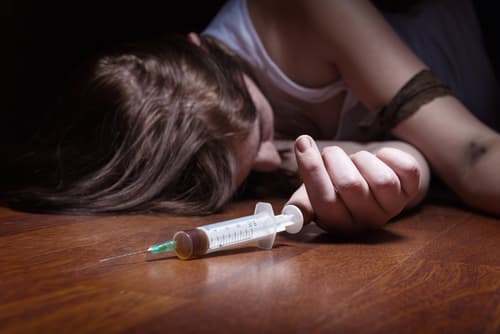
At first, drugs may create excitement or relaxation. But the short-term effects can be deadly.
Physically, drugs can cause a rapid heart rate, breathing problems, seizures, or overdose. Mentally, they can cause panic attacks, paranoia, and aggression.
Risky behaviors increase. Teens under the influence are more likely to engage in unsafe sex, fights, or reckless driving.
One bad decision can change everything.
The Long-Term Consequences of Drug Abuse
Addiction and Dependency
Addiction is not about weak willpower. It’s a brain disease. Once dependency develops, quitting becomes extremely difficult without help.
Brain Damage and Memory Loss
Drugs can permanently alter brain structure. Memory, learning ability, and emotional control suffer.
Academic Failure and Career Damage
Missed classes. Falling grades. Dropping out. Drug use often destroys academic performance. Dreams of college or careers fade away.
Broken Relationships and Social Isolation
Addiction creates distance between friends and family. Trust disappears. Isolation grows.
The Hidden Psychological Dangers
Anxiety and Depression
Many teens use drugs to escape stress. Ironically, drugs worsen anxiety and depression over time.
Drug-Induced Psychosis
Some substances, especially methamphetamine and heavy cannabis use, can cause hallucinations and delusions. Teens may lose touch with reality.
Suicidal Thoughts and Self-Harm
Drug abuse significantly increases the risk of suicide. Emotional instability becomes overwhelming.
The Impact on Family and Society
Drug addiction doesn’t affect just one person. Families suffer emotionally and financially. Conflicts increase. In severe cases, violence may occur.
Legal trouble is common. Arrests, criminal records, and court cases can permanently damage a teen’s future.
Why “Just Trying Once” Is Dangerous
Many addicts started with one sentence: “I’ll just try it once.”
The first use changes brain chemistry. Some individuals are genetically more vulnerable to addiction. You don’t know if you are one of them.
Playing with drugs is like playing with fire in a dry forest. One spark is enough.
Warning Signs Parents and Teens Should Watch For
Behavioral changes often appear first. Sudden mood swings, secretive behavior, and forming new friendships can be warning signs.
Physical signs include red eyes, weight loss, poor hygiene, and unusual sleep patterns.
Social withdrawal and loss of interest in hobbies are also red flags.
Prevention: How Teens Can Protect Themselves
Confidence is protection. When you value yourself, you don’t need substances to feel important.
Choose friends who support your growth. Stay active in sports, arts, or community work. Healthy activities produce natural dopamine without destroying your brain.
The Role of Schools and Communities
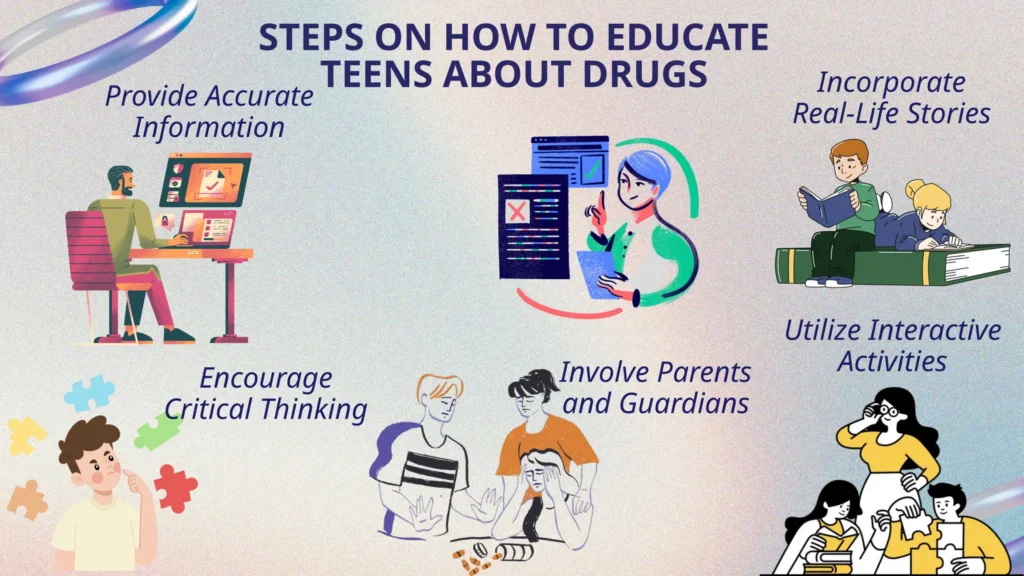
Schools must provide honest education about drug risks. Communities should offer counseling services and safe recreational spaces.
Open conversations save lives.
Seeking Help: When and How to Get Treatment
If a teen is already using drugs, early intervention is critical. The earlier treatment begins, the better the recovery chances.
Rehabilitation centers provide medical detox, therapy, and psychological support. Recovery is possible. Many former addicts rebuild their lives completely.
No one is beyond help.
Conclusion
Drugs promise pleasure but deliver pain. They promise freedom but create chains. They promise escape but build prisons inside the mind.
Teenage years are full of potential. Don’t trade your future for a temporary high.
You are stronger than peer pressure. You are smarter than a risky decision. And your life is worth far more than a moment of curiosity.
Choose wisely. Protect your brain. Protect your future.
Frequently Asked Questions (FAQs)
1. Can someone get addicted after trying drugs once?
Yes. While not everyone becomes addicted immediately, some drugs can trigger dependency quickly, especially in teens.
2. Is marijuana really dangerous for teenagers?
Yes. Teen brains are still developing, and regular marijuana use can affect memory, motivation, and mental health.
3. What should a teen do if pressured to try drugs?
Practice saying no confidently, avoid risky environments, and seek support from trusted adults.
4. Are prescription drugs safer than street drugs?
Only when used under medical supervision. Misusing prescription drugs can be just as dangerous as illegal substances.
5. Can addiction be treated successfully?
Yes. With professional treatment, therapy, and family support, recovery is possible.
Please don’t forget to leave a review