Introduction: Building a Strong Foundation for a Drug-Free Life
Drug addiction is one of the most serious challenges faced by individuals, families, and societies across the world. It damages physical health, weakens mental stability, destroys relationships, and disrupts social harmony. While awareness campaigns often encourage people to say no to drugs, real and lasting change requires structured, professional, and compassionate support. This is where the importance of a rehab centre becomes undeniable. We recognize that saying no to drugs is not a one-time decision but a continuous process that demands medical care, psychological guidance, and long-term rehabilitation.
A rehab centre plays a central role in transforming awareness into action. It provides a safe environment where individuals can break free from addiction and rebuild their lives with dignity and purpose.
Understanding Addiction as a Medical and Psychological Condition
Addiction is not a moral failure or a lack of discipline. It is a chronic condition that affects brain chemistry, emotional regulation, and decision-making abilities. Drugs alter how the brain processes pleasure, stress, and motivation, making it extremely difficult for a person to stop using substances without professional help. We understand that lasting recovery requires addressing both the physical dependency and the underlying psychological causes.
A rehab centre is designed to treat addiction as a medical and mental health condition. Through proper diagnosis and personalized treatment plans, it offers individuals a realistic opportunity to permanently say no to drugs.
The Core Role of a Rehab Centre in Drug Recovery
The primary importance of a rehab centre lies in its ability to provide structured and evidence-based treatment. We emphasize medical supervision, therapeutic intervention, and emotional support within a controlled environment. This structure allows individuals to stabilize physically and mentally while learning new coping mechanisms that replace drug use.
Rehab centres remove individuals from harmful surroundings and negative influences, giving them the mental clarity needed to focus fully on recovery. This separation is often the first major step toward lasting sobriety
Medical Detoxification and Physical Stabilization
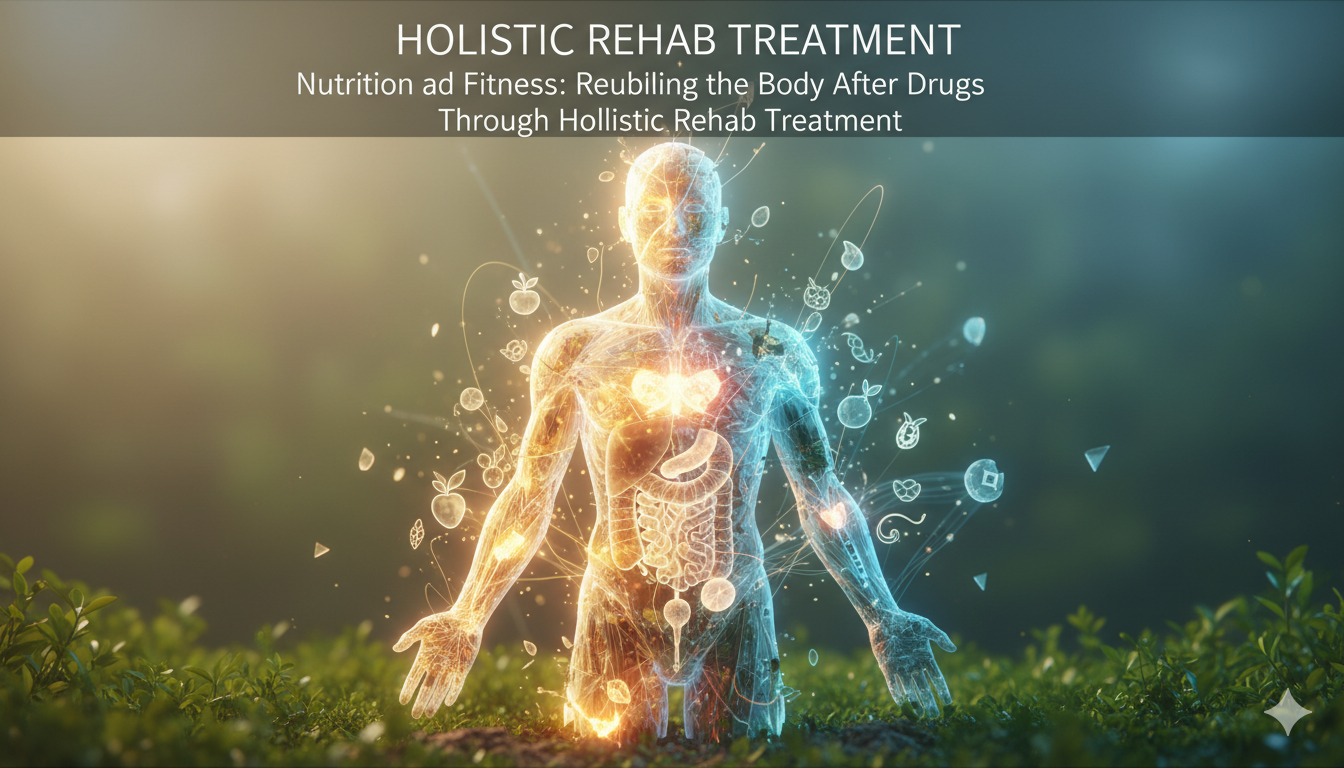
One of the most critical services offered by a rehab centre is medical detoxification. When individuals stop using drugs, their bodies often react with severe withdrawal symptoms that can be painful, dangerous, or even life-threatening. We ensure that detoxification is conducted under professional medical supervision, reducing health risks and increasing the chances of successful recovery.
Detox alone is not treatment, but it is the foundation upon which rehabilitation is built. By stabilizing the body, a rehab centre prepares individuals for the psychological and behavioral work required to say no to drugs permanently.
Psychological Healing and Behavioral Transformation
Addiction deeply affects emotions, thoughts, and behavior. Rehab centres focus on comprehensive psychological healing through structured therapy sessions. We address trauma, stress, depression, anxiety, and other emotional factors that often drive substance abuse.
Through consistent counseling and therapy, individuals gain insight into their addictive behaviors and learn healthier ways to manage emotions and challenges. This transformation is essential in helping individuals regain control over their lives and maintain a firm commitment to staying drug-free.
Teaching Life Skills That Support a Drug-Free Lifestyle
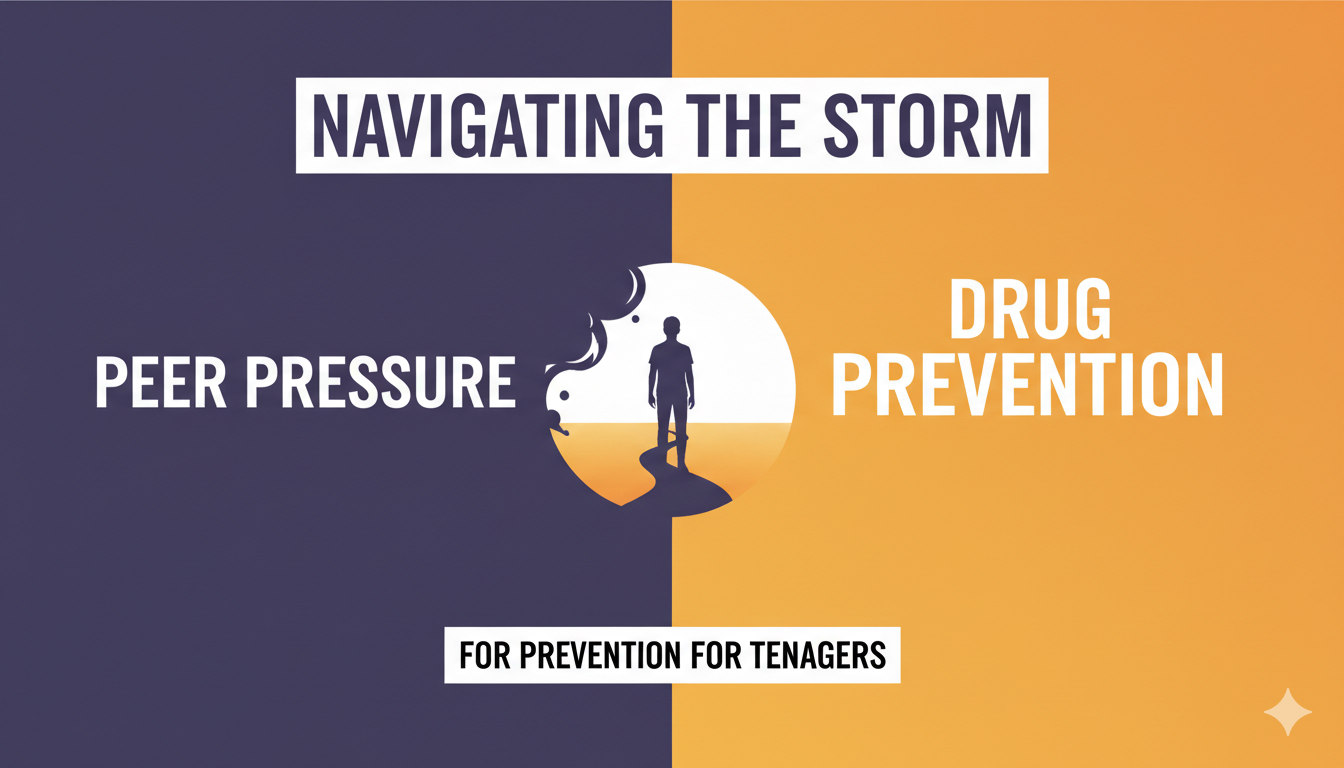
Saying no to drugs requires more than intention; it requires skills. Rehab centres teach individuals how to manage cravings, handle peer pressure, and cope with real-life stress without relying on substances. We focus on rebuilding daily routines, strengthening decision-making abilities, and promoting responsibility.
By learning these practical life skills, individuals become better equipped to face social and professional challenges without returning to drug use. This education empowers them to live independently and confidently.
Family Involvement and Relationship Restoration
Drug addiction affects not only the individual but also the entire family. Broken trust, emotional pain, and financial strain are common consequences. Rehab centres recognize the importance of family involvement in recovery. We encourage family counseling and education to rebuild relationships and create a supportive home environment.
When families understand addiction and recovery, they become active partners in the healing process. This support system significantly increases the chances of long-term success and helps prevent relapse.
Preventing Relapse Through Long-Term Support
Relapse prevention is a vital part of rehabilitation. Rehab centres focus on preparing individuals for life after treatment by developing personalized relapse prevention strategies. We emphasize self-awareness, accountability, and continuous support to ensure sustained recovery.
Ongoing follow-up care, counseling, and structured aftercare programs help individuals maintain their commitment to saying no to drugs even after leaving the rehab centre.
The Social Importance of Rehab Centres
Rehab centres contribute to the well-being of society as a whole. By treating addiction effectively, they help reduce crime, unemployment, domestic conflict, and healthcare burdens. We view rehabilitation as an investment in healthier communities and stronger families.
Recovered individuals often return to society as productive members who contribute positively to their families and workplaces. This ripple effect highlights the broader importance of rehab centres beyond individual recovery.
Youth Protection and Early Intervention
Young people are particularly vulnerable to drug addiction due to peer pressure and emotional immaturity. Rehab centres play a crucial role in early intervention and education. We work to prevent experimentation from turning into lifelong addiction by providing timely treatment and guidance.
Protecting young minds from the long-term effects of drugs ensures a healthier future generation capable of making informed and responsible choices.
Addressing Mental Health Alongside Addiction
Many individuals struggling with addiction also suffer from mental health disorders. Rehab centres provide integrated treatment that addresses both conditions simultaneously. We understand that treating addiction without addressing mental health often leads to relapse.
By offering comprehensive mental health care, rehab centres ensure a more stable and lasting recovery process.
Overcoming Stigma Through Professional Care
Social stigma often prevents individuals from seeking help. Rehab centres challenge this stigma by promoting addiction treatment as a legitimate and necessary healthcare service. We emphasize dignity, respect, and confidentiality throughout the recovery journey.
When individuals feel accepted and supported, they are more likely to commit fully to treatment and embrace a drug-free life.
AFIQs: Frequently Asked Questions
Why is a rehab centre essential for saying no to drugs?
A rehab centre provides professional medical and psychological support that makes recovery safe, structured, and sustainable.
Can addiction be treated without a rehab centre?
While some attempt recovery alone, professional rehabilitation significantly improves success rates and reduces relapse.
How long does rehab treatment usually last?
Treatment duration varies but typically ranges from one to three months, depending on individual needs.
Does rehab guarantee permanent recovery?
Rehab provides the tools and support needed for long-term recovery, but ongoing commitment is essential.
Is rehab only for severe addiction cases?
Rehab is effective at all stages of addiction, and early treatment often leads to better outcomes.
How does rehab help families?
Rehab centres educate and involve families, helping rebuild trust and strengthen support systems.
Conclusion: Turning “No to Drugs” Into a Lifelong Reality
The importance of a rehab centre for saying no to drugs cannot be overstated. It transforms intention into action, awareness into healing, and recovery into a sustainable lifestyle. Through medical care, psychological support, life skills training, and long-term follow-up, rehab centres provide individuals with the strength and structure needed to reclaim their lives.
We believe that a society committed to rehabilitation is a society that values health, dignity, and second chances. By supporting rehab centres, we move closer to a future where saying no to drugs is not just a slogan but a lived reality.