Introduction: Why the Brain Is the Primary Target
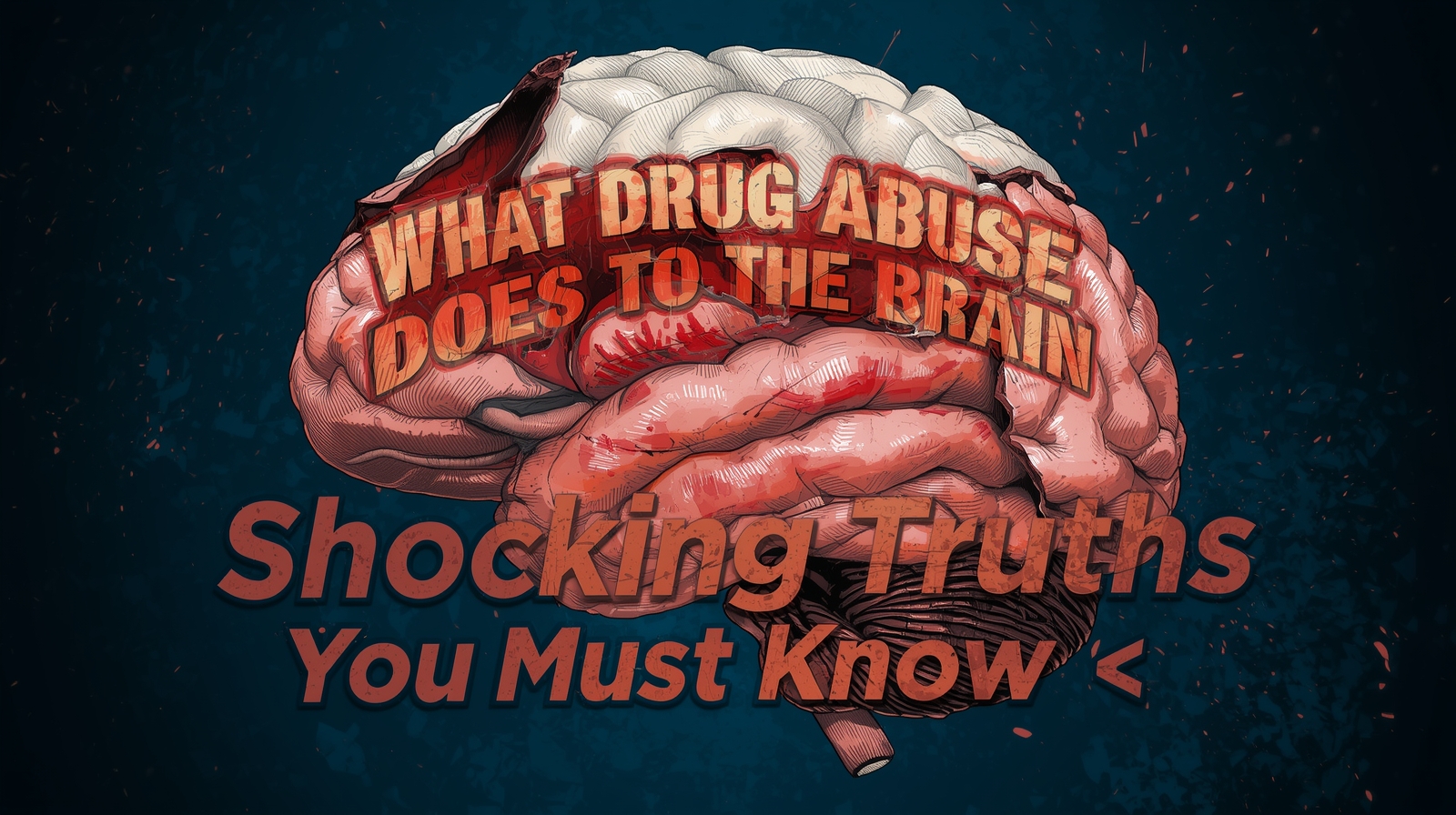
What drug abuse does to the brain isn’t just a scientific question, it’s a human one. Every thought, memory, emotion, and decision lives in the brain. When drugs enter the body, they don’t randomly cause harm; they head straight for this command center. At first, the effects may feel temporary or even pleasurable. However, over time, drug abuse rewires how the brain works, making stopping incredibly hard.
In simple terms, drugs trick the brain. They hijack natural systems meant to keep us alive and motivated. So, understanding what drug abuse does to the brain helps families, patients, and communities respond with clarity and compassion. And yes, there’s good news too, recovery is possible.
How the Healthy Brain Works
Neurons, Neurotransmitters, and Communication
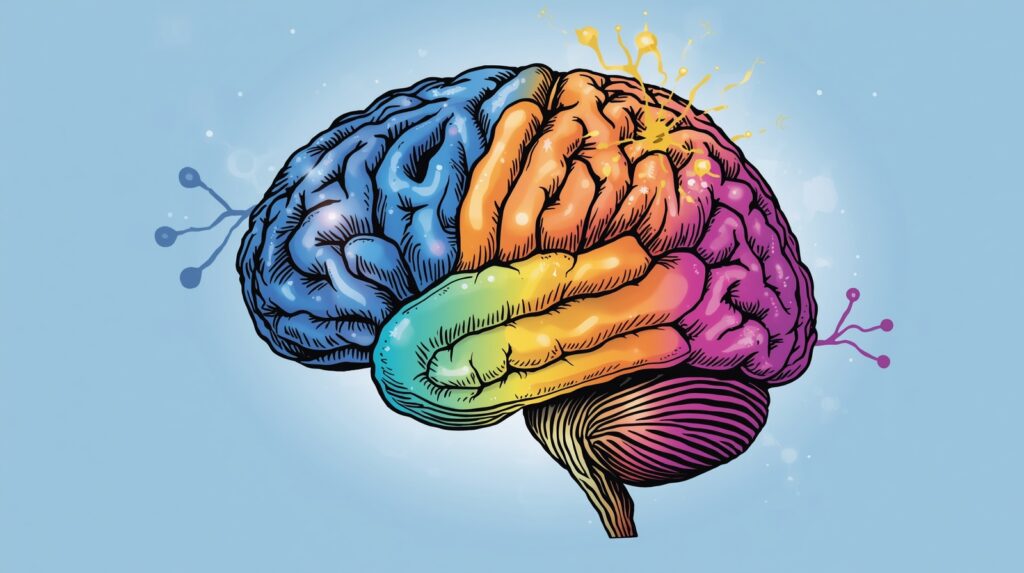
Before we dive deeper into what drug abuse does to the brain, it helps to know how a healthy brain functions. The brain contains billions of neurons. These cells communicate through chemical messengers called neurotransmitters. Dopamine, serotonin, and norepinephrine are a few key players.
Normally, these chemicals are released in balanced amounts. They help regulate mood, focus, sleep, and pleasure. The system is precise, kind of like a well-tuned orchestra.
The Brain’s Reward System
The reward system is especially important. It reinforces behaviors necessary for survival, like eating and social bonding. Dopamine plays a starring role here. When something good happens, dopamine is released, and the brain says, “Do that again.”
This system is exactly where drugs cause the most disruption.
What Drug Abuse Does to the Brain at First Use
Dopamine Flooding and Artificial Pleasure
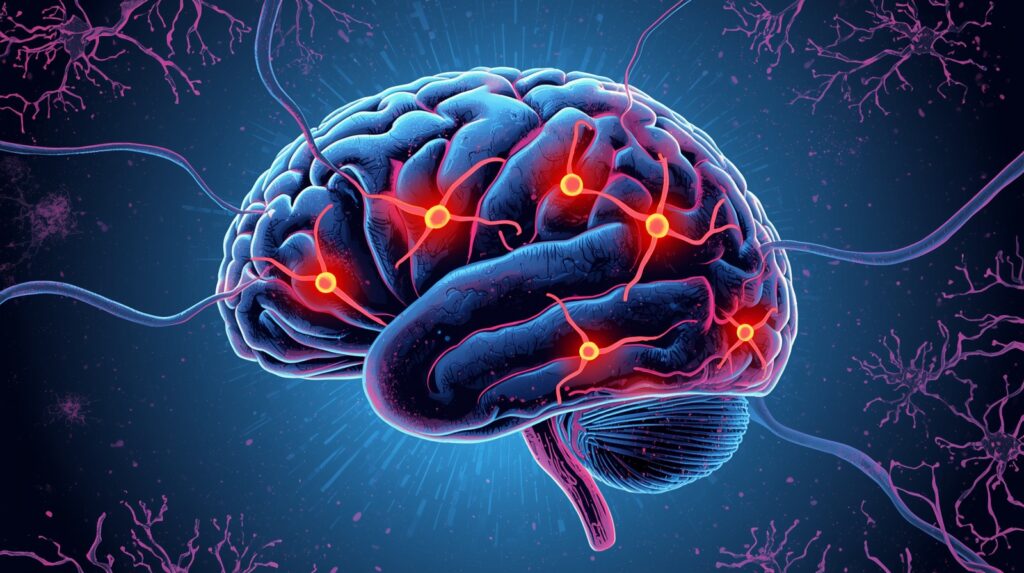
So, what drug abuse does to the brain when someone uses for the first time? Most addictive substances cause a massive release of dopamine far more than natural rewards ever could. The brain experiences intense pleasure, often described as a “high.”
But here’s the catch: the brain quickly learns this shortcut. Instead of valuing normal pleasures, it starts craving the drug.
Loss of Natural Balance
Over time, the brain reduces its own dopamine production. Natural happiness feels dull. This imbalance is a key reason people feel empty or depressed without substances. In short, what drug abuse does to the brain early on is disrupt its natural chemistry.
Long-Term Effects: What Drug Abuse Does to the Brain Over Time
Structural Changes in Brain Cells
Long-term use leads to physical changes. Brain imaging studies show that drug abuse can shrink areas responsible for judgment, learning, and emotional regulation. This is one of the most alarming answers to what drug abuse does to the brain.
Neurons may lose connections, and communication slows down. These changes don’t happen overnight, but they add up.
Cognitive Decline and Memory Loss
Memory problems are common. People struggle to focus, learn new things, or recall information. Even after stopping, some deficits may linger.
Decision-Making and Impulse Control
The prefrontal cortex, the brain’s “brake system” is especially vulnerable. Damage here explains risky behavior and poor decision-making. This is why addiction isn’t about weak willpower. It’s about a brain that’s been altered.
Mental Health Disorders Linked to Drug Abuse
Anxiety, Depression, and Psychosis
Another critical part of what drug abuse does to the brain is its impact on mental health. Substance use can trigger or worsen anxiety and depression. In severe cases, hallucinations and paranoia develop.
Dual Diagnosis Explained
When addiction and mental illness occur together, it’s called dual diagnosis. Treating only one doesn’t work. Integrated care is essential for real recovery.
Drug-Specific Brain Damage
Stimulants (Ice, Cocaine)
Stimulants overstimulate the brain. They can cause long-lasting dopamine system damage, leading to severe depression and aggression. Understanding what drug abuse does to the brain with stimulants explains why relapse risk is high.
Opioids (Heroin, Painkillers)
Opioids slow breathing and reduce oxygen to the brain. Repeated overdoses can cause permanent brain injury. Memory and emotional control often suffer.
Cannabis and Alcohol
Heavy cannabis use affects motivation and memory, especially in young brains. Alcohol damages multiple brain regions, leading to poor coordination and judgment.
Can the Brain Heal After Drug Abuse?
Neuroplasticity and Recovery
Here’s the hopeful part. The brain is adaptable. Neuroplasticity means it can form new connections. While what drug abuse does to the brain is serious, healing is possible with time and care.
Role of Rehabilitation and Therapy
Structured rehabilitation, psychotherapy, and medical support speed up recovery. Nutrition, sleep, and social connection also matter, a lot.
Prevention: Protecting the Brain
Early Education and Family Support
Prevention starts early. Teaching young people what drug abuse does to the brain empowers smarter choices. Families play a huge role here.
Medical and Community Interventions
Accessible mental health services and community programs reduce risk. Addiction is preventable and treatable when society works together.
Frequently Asked Questions (FAQs)
1. What drug abuse does to the brain permanently?
Some changes can last years, but many functions improve with abstinence and treatment.
2. Can the brain fully recover from addiction?
Often, yes. Recovery depends on drug type, duration, and quality of care.
3. Why is addiction considered a brain disease?
Because drugs physically change brain structure and function, affecting behavior control.
4. Does age matter in brain damage from drugs?
Yes. Young brains are more vulnerable and may suffer greater long-term effects.
5. How long does brain healing take after quitting drugs?
Improvements begin in weeks, but full recovery can take months or years.
6. Can therapy really change the brain?
Absolutely. Therapy strengthens healthy neural pathways and supports lasting recovery.
Conclusion: Hope for Healing
Understanding what drug abuse does to the brain changes how we see addiction. It’s not a moral failure, it’s a medical condition with real neurological roots. The damage is real, but so is hope. With early intervention, professional treatment, and compassion, the brain can heal, and lives can be rebuilt.