
Heroin addiction is a devastating disease that affects millions worldwide, leaving a trail of destruction in its wake. The grip of heroin is powerful, not just because of the intense euphoria it provides, but also due to the incredibly challenging and often terrifying experience of withdrawal. For anyone caught in the cycle of heroin use, or for their loved ones, understanding heroin withdrawal and the critical role of medical detox is the first step towards finding the best heroin treatment and rehab.
This comprehensive article, written from the perspective of a health professional, will delve deep into the intricacies of heroin withdrawal, its symptoms, timeline, and the profound reasons why attempting to detox without medical supervision is not only dangerous but often unsuccessful. We will explore why medical detox is not just a recommendation, but a necessity for a safe, effective, and sustainable recovery journey.
The Chains of Addiction: How Heroin Hijacks the Brain

Before we tackle withdrawal, it’s crucial to understand how heroin impacts the brain. Heroin is an opioid, derived from the opium poppy. When ingested, it rapidly crosses the blood-brain barrier and converts into morphine. Morphine then binds to opioid receptors in the brain, particularly those involved in pain, reward, and emotional response.
This binding floods the brain with dopamine, creating an intense rush of pleasure and euphoria. This immediate and powerful reward system is what makes heroin so addictive. With repeated use, the brain adapts to the constant presence of heroin, reducing its natural production of endorphins and dopamine. This is where physical dependence begins. The body starts to need heroin just to feel “normal,” to avoid the excruciating discomfort that arises when the drug is absent. This physiological dependence is the primary driver of withdrawal symptoms.
Identifying Heroin Withdrawal: The Telltale Signs
Heroin withdrawal is a physically and psychologically agonizing process. The symptoms can range from mild discomfort to severe, life-threatening complications. Recognizing these signs is paramount for anyone considering recovery or supporting a loved one through it.
Early Withdrawal Symptoms (6-12 hours after last dose):
The initial phase of withdrawal often begins subtly, mimicking a severe flu. These symptoms typically manifest within 6 to 12 hours after the last dose, depending on the individual’s metabolism, the amount of heroin used, and the duration of their addiction.
- Intense Cravings: This is often the first and most powerful symptom. The psychological urge to use heroin again can be overwhelming, driving individuals to extreme measures to obtain the drug.
- Anxiety and Agitation: A feeling of restlessness, nervousness, and an inability to relax sets in.
- Muscle Aches and Pains: Deep, throbbing aches in muscles and joints are common, often described as feeling like the flu multiplied tenfold.
- Increased Tearing (Lacrimation): Eyes may water uncontrollably.
- Runny Nose (Rhinorrhea): Similar to a bad cold, a runny nose is a classic early sign.
- Frequent Yawning: This is an involuntary physiological response to opioid withdrawal.
- Sweating: Profuse sweating can occur, even in cool environments.
- Insomnia: Despite extreme fatigue, the body and mind are too agitated to allow for sleep.
Peak Withdrawal Symptoms (24-72 hours after last dose):
The severity of withdrawal intensifies significantly during the peak phase, typically occurring within 24 to 72 hours after the last dose. This is often the most dangerous and unbearable period.
- Nausea and Vomiting: Severe stomach cramps often accompany bouts of nausea and projectile vomiting. Dehydration can quickly become a concern.
- Diarrhea: Uncontrollable diarrhea further contributes to dehydration and electrolyte imbalance.
- Abdominal Cramping: Intense, painful cramps in the abdomen are common.
- Goosebumps (Piloerection): Often referred to as “cold turkey,” this symptom gives withdrawal its colloquial name.
- Dilated Pupils: Pupils may appear significantly larger than usual.
- Rapid Heartbeat (Tachycardia): The heart rate can increase dramatically, putting strain on the cardiovascular system.
- High Blood Pressure (Hypertension): Blood pressure can spike to dangerous levels.
- Muscle Spasms and Kicking Movements: Involuntary leg movements, often called “kicking the habit,” are a hallmark symptom.
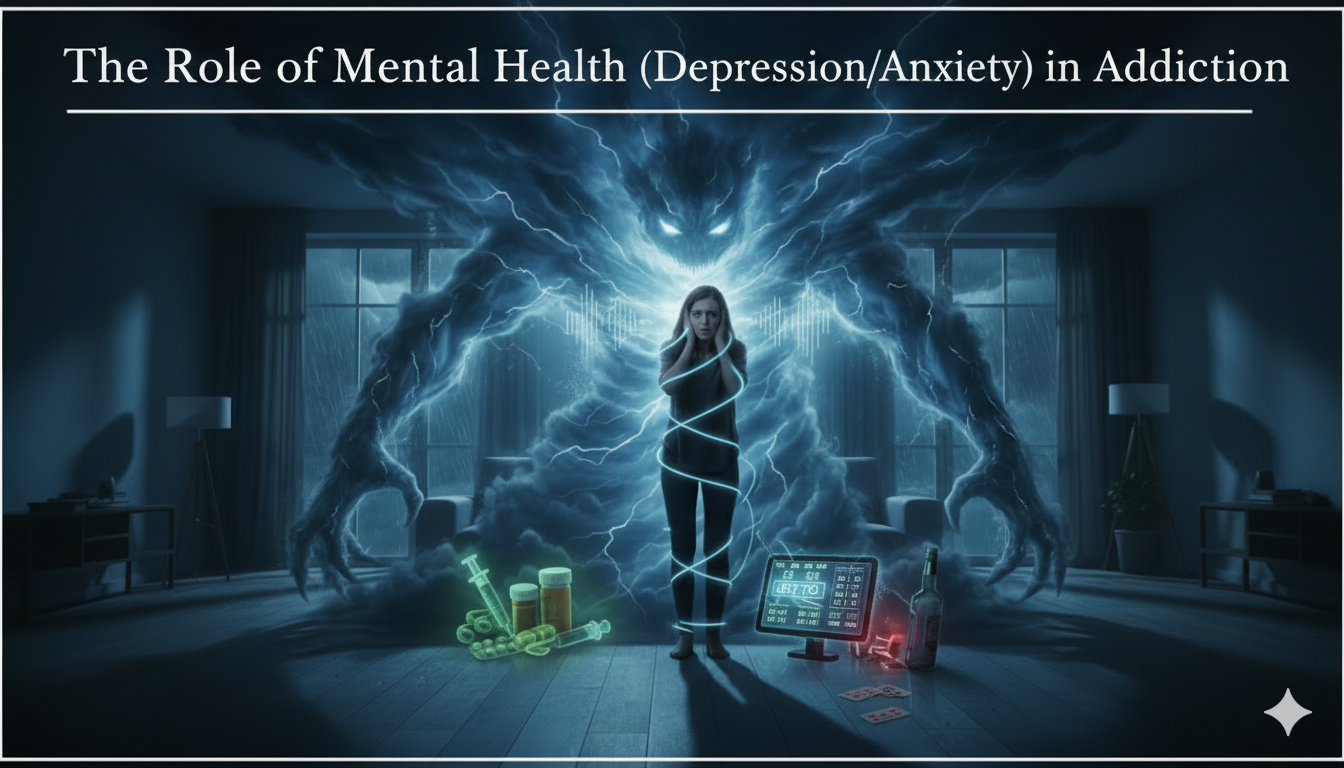
- Severe Depression and Dysphoria: The initial anxiety gives way to profound sadness, hopelessness, and anhedonia (inability to feel pleasure).
- Intensified Cravings: Cravings reach their absolute peak, making relapse a constant, looming threat.
- Restless Leg Syndrome: An uncontrollable urge to move the legs, often accompanied by unpleasant sensations.
Protracted Withdrawal Symptoms (Days to Weeks, sometimes Months):
While acute physical symptoms usually subside within a week, some psychological and physical symptoms can linger for weeks or even months. This is known as Post-Acute Withdrawal Syndrome (PAWS).
- Anxiety and Depression: Persistent mood disturbances are common.
- Insomnia and Sleep Disturbances: Difficulty falling or staying asleep can persist.
- Fatigue and Low Energy: A general feeling of exhaustion can last for an extended period.
- Difficulty Concentrating: Cognitive function can be impaired.
- Irritability and Mood Swings: Emotional instability is common.
- Anhedonia: The inability to experience pleasure can be a significant hurdle to long-term recovery.
- Persistent Cravings: While less intense than acute cravings, these can still be powerful triggers for relapse.
The Perils of “Cold Turkey”: Why At-Home Detox is Dangerous

The allure of detoxing at home, away from the perceived stigma of a treatment center, is understandable. However, attempting to quit heroin “cold turkey” without medical supervision is not only incredibly difficult but also fraught with significant dangers.
1. Severe Dehydration and Electrolyte Imbalance:
The relentless vomiting and diarrhea during peak withdrawal can quickly lead to severe dehydration. This, in turn, disrupts electrolyte balance (sodium, potassium, calcium), which is crucial for heart and brain function. Untreated, this can lead to cardiac arrhythmias, seizures, and even death.
2. Cardiovascular Complications:
The spikes in heart rate and blood pressure during withdrawal put immense stress on the cardiovascular system. Individuals with pre-existing heart conditions are particularly at risk, but even otherwise healthy individuals can experience heart attacks or strokes during this period.
3. Aspiration Pneumonia:
During severe vomiting, there’s a risk of aspirating (inhaling) vomit into the lungs, leading to aspiration pneumonia, a serious and potentially fatal lung infection.
4. Seizures:
While less common than with alcohol or benzodiazepine withdrawal, seizures can occur during severe opioid withdrawal, especially in individuals with a history of seizures or those who have also been abusing other substances.
5. Profound Psychological Distress and Suicide Risk:
The intense anxiety, depression, and dysphoria during withdrawal can be unbearable. Without support and medication, the risk of self-harm and suicide is significantly elevated. The psychological torment can be as dangerous as the physical symptoms.
6. High Risk of Relapse and Overdose:
This is perhaps the most insidious danger. The agony of withdrawal is a powerful motivator to use again. Many individuals relapse simply to alleviate the symptoms. When they do relapse, their tolerance to heroin has decreased. If they use the same amount they used before detox, they are at a dramatically increased risk of overdose, which can be fatal. This is a tragically common scenario for those attempting unsupervised detox.
The Indispensable Role of Medical Detox

Given the profound dangers and excruciating nature of heroin withdrawal, medical detox is not just recommended; it is a non-negotiable step towards successful recovery. Medical detox provides a safe, supportive, and medically supervised environment where individuals can navigate withdrawal with minimal discomfort and maximum safety.
1. Medical Supervision and Monitoring:
In a medical detox facility, individuals are under the constant care of doctors, nurses, and other healthcare professionals. Vital signs (heart rate, blood pressure, temperature, oxygen saturation) are continuously monitored. Any emerging complications, such as severe dehydration, cardiac irregularities, or seizures, can be immediately addressed.
2. Symptom Management and Medications:
The primary goal of medical detox is to make the withdrawal process as comfortable and safe as possible. This is achieved through the judicious use of medications designed to alleviate specific symptoms:
- Opioid Agonists (Buprenorphine/Naloxone – Suboxone, Methadone): These medications are often the cornerstone of opioid detox. They work by binding to opioid receptors, reducing cravings and withdrawal symptoms without producing the same “high” as heroin. They are carefully titrated and gradually tapered to ease the body off opioids.
- Clonidine: This medication helps to reduce many autonomic symptoms of withdrawal, such as sweating, chills, muscle aches, and anxiety, by lowering blood pressure and heart rate.
- Anti-nausea Medications: To combat severe nausea and vomiting.
- Anti-diarrhea Medications: To manage diarrhea and prevent dehydration.
- Muscle Relaxants: To alleviate muscle cramps and spasms.
- Sleep Aids: To help manage insomnia and promote restful sleep.
- Anti-anxiety Medications (used cautiously): In some cases, short-term use of non-addictive anti-anxiety medications may be prescribed to manage severe anxiety and agitation.
3. 24/7 Support and Care:
Beyond medication, medical detox provides round-the-clock emotional and psychological support. The presence of compassionate staff can make a significant difference in an individual’s ability to cope with the distress of withdrawal.
4. Nutritional Support and Hydration:
Medical detox centers ensure individuals receive proper nutrition and hydration, which is crucial for physical recovery and preventing complications from vomiting and diarrhea. Intravenous fluids may be administered if severe dehydration occurs.
5. Preparation for the Next Phase of Treatment:
Medical detox is not a cure for addiction; it is merely the critical first step. It cleanses the body of the drug, allowing the individual to become physically stable and mentally clearer. This stability is essential for engaging in the next phase of treatment, which typically involves inpatient or outpatient best heroin treatment and rehab programs focused on therapy, counseling, and addressing the underlying causes of addiction.
6. Reduced Risk of Relapse:
By managing symptoms effectively and providing a safe, controlled environment, medical detox significantly reduces the immediate risk of relapse during the most vulnerable period of withdrawal. It sets the stage for long-term recovery by allowing the individual to complete detox and then transition into comprehensive treatment.
Finding the Best Heroin Treatment and Rehab: Beyond Detox
Once medical detox is completed, the real work of recovery begins. Detox addresses the physical dependence, but addiction is a complex disease with psychological, social, and spiritual dimensions. This is why transitioning into a comprehensive best heroin treatment and rehab program is vital.
When searching for the best heroin treatment and rehab, consider programs that offer:
- Individual Therapy: Addressing personal triggers, trauma, co-occurring mental health disorders, and developing coping mechanisms.
- Group Therapy: Providing peer support, shared experiences, and a sense of community.
- Family Therapy: Healing damaged family relationships and educating loved ones on the disease of addiction.
- Behavioral Therapies: Such as Cognitive Behavioral Therapy (CBT) and Dialectical Behavior Therapy (DBT), which help individuals identify and change problematic thought patterns and behaviors.
- Medication-Assisted Treatment (MAT): Continued use of medications like Suboxone or Vivitrol (naltrexone) can be crucial for long-term recovery, reducing cravings and preventing relapse. MAT is a highly effective, evidence-based approach to opioid addiction treatment.
- Holistic Therapies: Yoga, meditation, mindfulness, art therapy, and other complementary approaches can support overall well-being.
- Life Skills Training: Developing essential skills for independent living, employment, and healthy relationships.
- Aftercare Planning: Crucial for sustained recovery, this includes connecting individuals with sober living environments, support groups (like NA), ongoing therapy, and relapse prevention strategies.
Jadeed Rifah Rehab & Care Center provides these facilities for the treatment of drug abuse patients.
The Path to Freedom: A Message of Hope

Heroin addiction can feel like an inescapable prison, but freedom is possible. The first, most critical step is acknowledging the need for help and understanding the necessity of medical detox. It is a testament to an individual’s courage and commitment to reclaim their life.
If you or a loved one is struggling with heroin addiction, please do not attempt to navigate withdrawal alone. Reach out to a qualified healthcare professional or an addiction specialist today. Seek out facilities that offer comprehensive heroin treatment and rehab, starting with medical detox.
The journey to recovery is challenging, but with the right support, medical care, and dedicated treatment, a life free from the shackles of heroin is not just a dream, it’s an achievable reality. Take that brave first step, and embrace the path to healing and lasting sobriety. Your future, and the future of those you love, depends on it.