
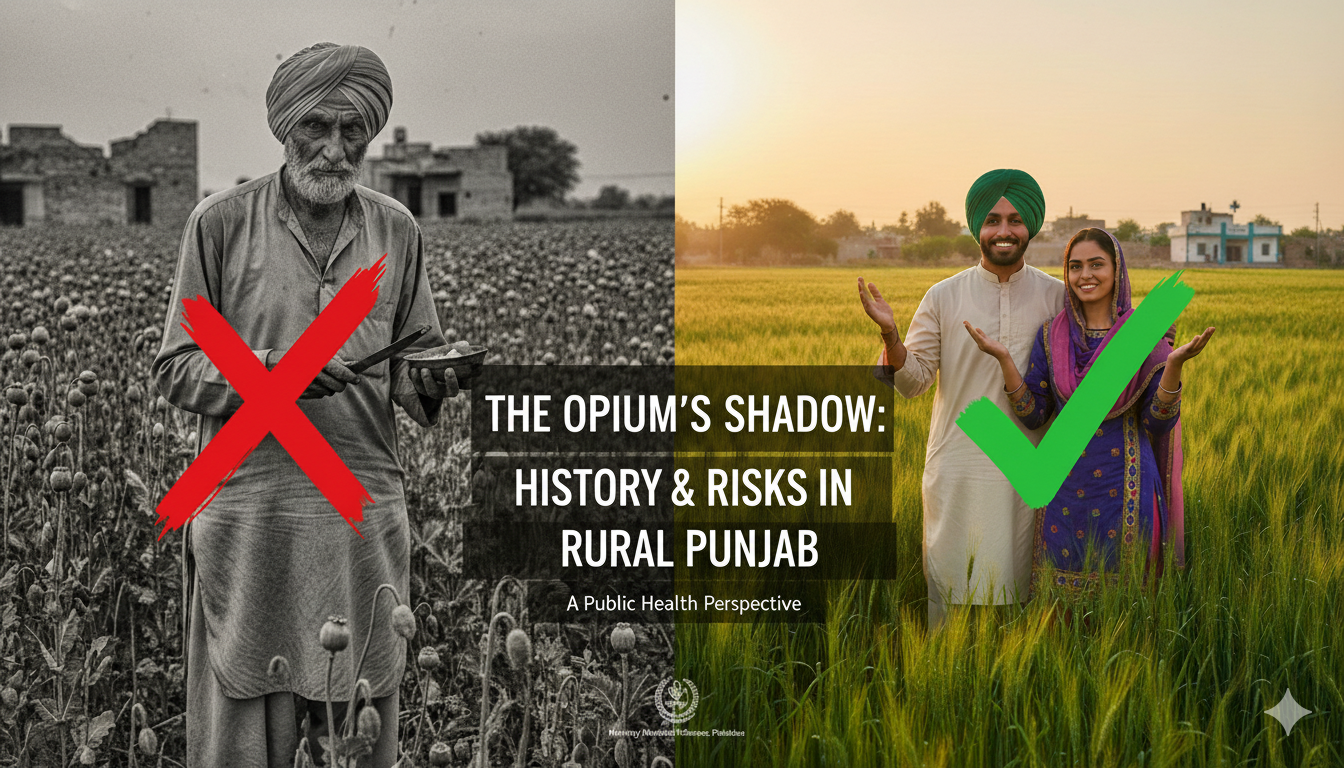
The fertile plains of Punjab, the heartland of our nation’s agriculture and vibrant culture, unfortunately, bear a hidden burden, a complex history and ongoing struggle with the cultivation and consumption of opium, locally known as Afyoon. While much has changed since Partition, the insidious effects of Afyoon/Opium continue to pose a grave threat, particularly within our rural communities. As a health professional, it is imperative to confront this issue, examining its historical roots, understanding its profound risks, and advocating for a healthier, more resilient future for the people of Punjab.
A Look Back: Opium’s Enduring Presence in Punjab’s History
To effectively address the present challenges, we must first understand the historical context. Opium’s story in Punjab is not a recent phenomenon; it is deeply interwoven with centuries of regional history, long before the creation of the nation.
Early Cultivation and Traditional Practices:
Historically, certain areas of Punjab saw the cultivation of opium poppies, often for reasons distinct from recreational abuse. Early records suggest its limited use in traditional medicine (tibb-e-unani and local remedies) for pain relief, sedation, or addressing specific ailments. This initial use, while inherently risky, was typically confined to controlled contexts, differing vastly from widespread dependence.
The Mughal Era and Trade Networks:
During the Mughal Empire, Punjab’s strategic position along crucial trade routes meant it was a conduit for various commodities, including opium. While not the primary center of its cultivation or trade globally, its presence within the region was established, laying some groundwork for future developments.
The British Colonial Period and Opium Wars: A Destructive Legacy:

The most impactful period in Punjab’s opium history undoubtedly stems from the British colonial era. The British East India Company’s ravenous demand for opium to trade with China transformed vast swathes of British India, including parts of Punjab, into significant opium-producing territories.
- Coerced Cultivation and Revenue Generation: The colonial administration actively encouraged, and often compelled, local farmers to cultivate opium poppies. This was an extraordinarily profitable venture for the British, generating immense revenues that fueled their imperial expansion. For Punjabi farmers, however, it frequently meant diverting land and resources away from essential food crops, leading to economic vulnerability and dependence on the volatile opium market. [Source 1: Academic Studies on British Colonial Agricultural Policies in Punjab]
- The Broader Imperial Economy: While other regions like Bengal were primary production hubs, the broader effects of Afyoon/Opium cultivation impacted socio-economic structures across the subcontinent, including Punjab.
- The Opium Wars: The infamous Opium Wars (1839-1842 and 1856-1860) underscore the sheer scale of the British opium trade and its devastating global consequences. These conflicts, though fought primarily in China, highlight the significant role that Indian, and by extension, Punjabi, opium played in a larger geopolitical struggle that had lasting repercussions. [Source 2: Historical Accounts of the Opium Wars and British Imperialism]
Post-Partition Realities: A Lingering Shadow:
After the Partition in 1947, the legacy of opium did not simply disappear. Despite governmental efforts to curb illicit cultivation and trade, the deep-seated knowledge of poppy cultivation and existing patterns of consumption meant that opium remained a persistent challenge in certain regions, particularly in rural and bordering areas. The economic upheaval and societal changes accompanying Partition further complicated efforts to eradicate drug problems.
The Modern Challenge: Unpacking the Persistent “Effects of Afyoon/Opium”
Today, while legal opium cultivation is strictly prohibited and controlled, illicit production, smuggling from neighboring regions, and local processing continue to fuel its availability. The relative ease of access, often at lower costs than many synthetic drugs, means Afyoon remains a significant and pressing problem in rural Punjab. The effects of Afyoon/Opium are deeply destructive, impacting individuals, families, and the wider social fabric.
Individual Health Risks: A Devastating Human Cost
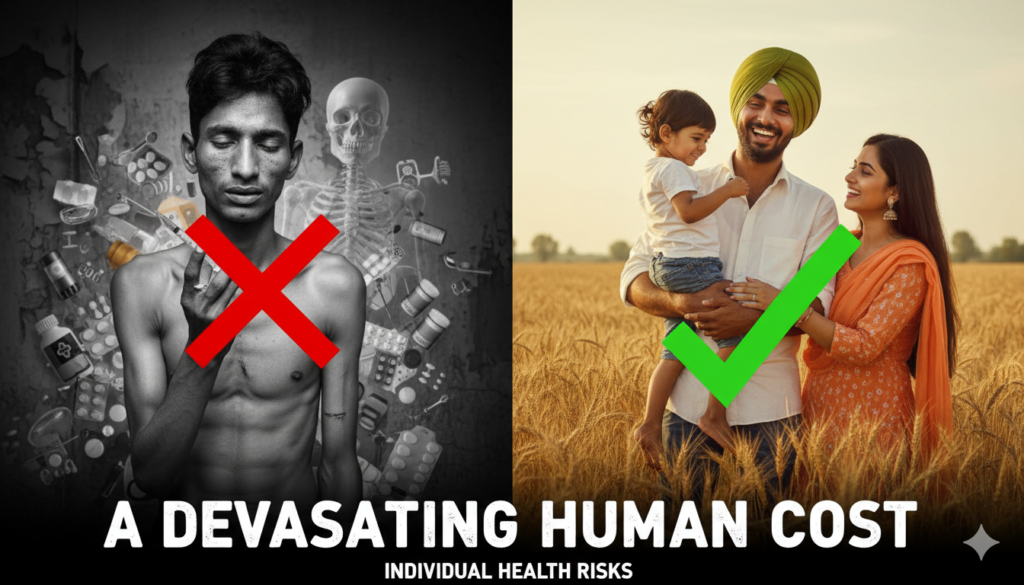
Opium is a potent opioid, and its consumption, regardless of the method, carries severe and life-threatening health consequences.
- Addiction and Dependence: This is arguably the most immediate and profound impact. Opium is highly addictive, leading to both physical and psychological dependence. Users rapidly develop tolerance, requiring escalating doses to achieve the desired effect, trapping them in a brutal cycle of addiction. [Source 3: WHO/UNODC Clinical Guidelines for Opioid Dependence Treatment]
- Severe Withdrawal Symptoms: The withdrawal experience is agonizing, characterized by intense muscle and bone pain, severe diarrhea, vomiting, cold sweats, involuntary leg movements, and overwhelming cravings. These severe symptoms are a major barrier to recovery, frequently driving individuals back to substance use.
- Respiratory Depression and Overdose: Opium depresses the central nervous system, dangerously slowing down breathing. In an overdose situation, this can lead to respiratory arrest, brain damage, coma, and ultimately death. This is an acute concern, especially with the variable purity of illicitly sourced opium. [Source 4: Medical Toxicology Textbooks, Chapter on Opioid Toxicity]
- Gastrointestinal Complications: Chronic opium use commonly results in severe constipation, abdominal pain, and other digestive system disorders, profoundly impacting a user’s quality of life.
- Malnutrition and Wasting: Individuals struggling with addiction often neglect their nutritional needs, leading to severe malnutrition, significant weight loss, and a compromised immune system, rendering them highly susceptible to various infections and illnesses.
- Infectious Diseases: While opium itself is not an infectious agent, certain methods of consumption, particularly injecting, drastically increase the risk of contracting blood-borne pathogens such as HIV/AIDS, Hepatitis B, and Hepatitis C. Even oral consumption can weaken the body’s defenses, increasing vulnerability to infections. [Source 5: National AIDS Control Program (NACP) Reports on Injecting Drug Use and HIV in the nation]
- Mental Health Disorders: Opium use is strongly associated with a range of mental health issues, including profound depression, anxiety disorders, apathy, and significant cognitive impairment. The drug chemically alters brain function, exacerbating pre-existing mental health conditions or triggering new ones. [Source 6: Psychiatric Research on Opioid Use Disorder and Co-occurring Mental Illness in the nation]
Social and Economic Ramifications: Fracturing the Fabric of Rural Society
The devastating effects of Afyoon/Opium ripple outwards from the individual, tearing apart the very fabric of rural communities.
- Family Disintegration: Addiction devastates families. Scarce financial resources are drained to sustain the habit, leading to abject poverty, crushing debt, and intense conflict within the household. Children often endure neglect, interrupted education, and profound emotional trauma. [Source 7: Sociological Research on the Impact of Drug Abuse on Families in Rural Punjab]
- Loss of Economic Productivity: Addicted individuals are frequently unable to maintain consistent employment, resulting in a severe loss of agricultural and economic productivity in communities where physical labor is paramount. This directly impacts household income and exacerbates rural poverty.
- Increased Crime Rates: To finance their addiction, individuals may resort to theft, petty crime, or more serious offenses, increasing insecurity and instability within villages and towns.
- Social Stigma and Isolation: Opium addiction carries immense social stigma within the nation’s conservative rural communities. This can lead to profound isolation, discrimination, and a deep-seated reluctance to seek help, trapping individuals in a relentless cycle of addiction and despair. [Source 8: Anthropological and Social Work Studies on Stigma and Addiction in the national Context]
- Intergenerational Cycle: Children raised in households affected by addiction face a significantly higher risk of developing substance abuse problems themselves, tragically perpetuating the cycle across generations.
- Strain on Public Services: The treatment of addiction and its myriad health complications places an unbearable strain on already limited rural healthcare systems and public welfare services, diverting resources from other critical needs.
Factors Perpetuating Opium Use in Rural Punjab
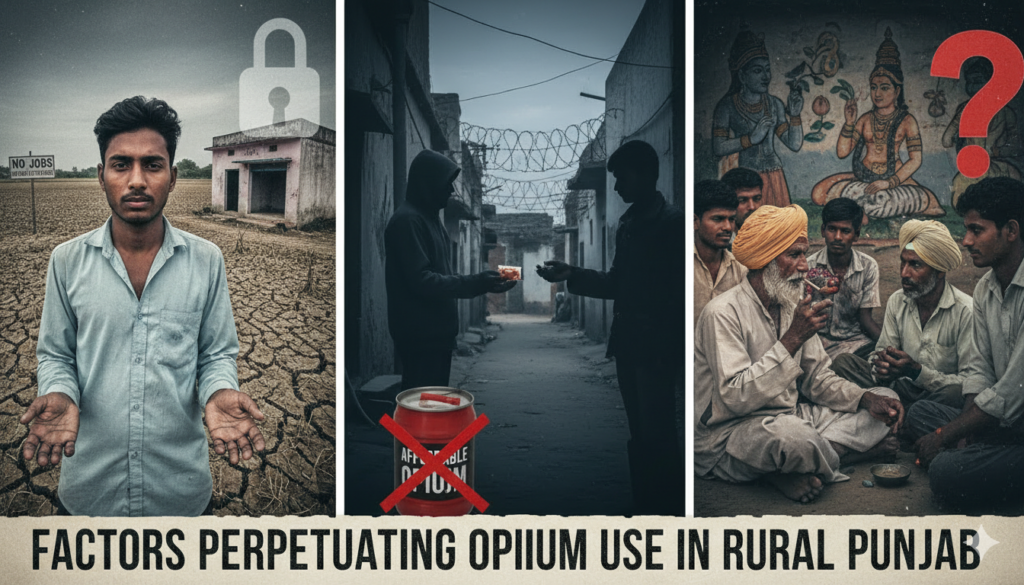
Several interconnected factors contribute to the enduring struggle against opium in rural Punjab:
- Geographic Proximity and Smuggling Routes: The nation’s border regions, particularly with Afghanistan (a major opium producer), facilitate the ingress of illicit narcotics into the country. Punjab, being a transit and consumption province, is significantly affected. [Source 9: Anti-Narcotics Force (ANF) Annual Reports on Drug Trafficking Routes]
- Accessibility and Relative Affordability: Illicit opium can be readily available in remote rural areas and may be perceived as a cheaper alternative compared to more expensive synthetic drugs, making it an accessible option for those seeking escape or relief.
- Lack of Awareness and Education: Despite governmental and NGO efforts, a significant portion of the rural population may lack comprehensive awareness regarding the severe effects of Afyoon/Opium and the effective pathways to recovery. Misinformation and traditional myths about its properties persist.
- Socio-Economic Disadvantage: Poverty, chronic unemployment, lack of educational and vocational opportunities, and agricultural hardships create a fertile ground for substance abuse. Opium can be seen as a desperate escape from grim realities. [Source 10: The nation’s Economic Survey and Provincial Social Welfare Department Reports on Rural Poverty]
- Inadequate Healthcare and Mental Health Infrastructure: Rural areas often suffer from a severe shortage of specialized drug de-addiction centers, trained healthcare professionals, and accessible mental health support services, creating immense barriers to effective treatment and long-term recovery. [Source 11: Ministry of National Health Services, Regulations & Coordination Reports on Healthcare Gaps]
- Stigma as a Barrier to Treatment: The profound social stigma associated with addiction often prevents individuals and their families from openly seeking professional help, driving the problem underground and hindering early intervention.
Towards a Healthier Future: Strategies for Combating the Effects of Afyoon/Opium
Effectively addressing the enduring effects of Afyoon/Opium in rural Punjab demands a comprehensive, multi-sectoral, and culturally sensitive approach. As health professionals, our role is central to advocating for and implementing these vital strategies.
- Nationwide Awareness and Education Campaigns:
- Culturally Relevant Messaging: Develop targeted campaigns for rural communities using local languages (Punjabi), traditional media (radio, community gatherings, religious platforms), and culturally appropriate messaging.
- Youth Engagement: Implement robust drug prevention programs in schools and colleges, empowering young people with knowledge about the dangers of opium and other drugs, and fostering resilience.
- Debunking Misconceptions: Directly challenge and dispel persistent myths and traditional beliefs regarding opium’s perceived benefits.
- Highlighting Recovery: Share empowering stories of individuals who have successfully recovered from addiction, offering hope and demonstrating that sustained recovery is achievable.
- Strengthening Healthcare Infrastructure and Accessibility:
- Expand De-addiction Services: Significantly increase the number and capacity of drug de-addiction and rehabilitation centers across rural and semi-urban areas, ensuring they are well-equipped, adequately funded, and staffed by trained professionals. [Source 12: Provincial Health Department Initiatives for Drug De-addiction Centers in Punjab]
- Integrate Addiction Care into Primary Healthcare: Train primary healthcare providers (doctors, paramedics, Lady Health Workers) to conduct basic screening for substance use disorders, offer initial counseling, and provide seamless referrals to specialized care.
- Telemedicine Solutions: Leverage digital health and telemedicine to extend addiction counseling, follow-up care, and basic medical support to remote villages.
- Ensure Medication Availability: Guarantee the consistent availability and affordability of essential medications for withdrawal management and long-term treatment (e.g., opioid substitution therapy with buprenorphine).
- Comprehensive Rehabilitation and Social Support:
- Holistic Recovery Programs: Focus on a holistic approach that includes detoxification, psychological counseling (CBT, motivational interviewing), vocational training, and comprehensive social reintegration programs to help individuals rebuild their lives.
- Family Support and Counseling: Provide critical support and counseling for families affected by addiction, helping them understand the disease, cope with its impact, and support their loved ones in recovery.
- Community-Based Support Networks: Facilitate the establishment of peer-led support groups (e.g., Narcotics Anonymous adapted for local context) within villages, fostering a sense of belonging and shared recovery.
- Robust Aftercare: Implement strong aftercare programs to prevent relapse and support individuals in maintaining long-term sobriety and productive lives.
- Addressing Socio-Economic Determinants:
- Sustainable Livelihood Programs: Develop and implement government and NGO initiatives that create sustainable economic opportunities and alternative livelihoods for rural youth, reducing economic vulnerability.
- Enhanced Educational Access: Improve the quality and accessibility of education in rural areas, empowering young people with skills and knowledge to pursue better futures and reduce vulnerability to drug use.
- Mental Health Services Expansion: Recognize the strong link between mental health and addiction. Expand accessible mental health services in rural areas to address underlying issues like depression, anxiety, and trauma.
- Law Enforcement and Supply Reduction:
- Enhanced Border Management: Strengthen surveillance and intelligence-sharing along borders to curb the smuggling of illicit opium from neighboring countries.
- Disrupting Supply Chains: Intensify efforts by the Anti-Narcotics Force (ANF) and provincial police to identify, dismantle, and prosecute drug trafficking networks and eliminate illicit cultivation. [Source 13: ANF Press Releases and Operational Reports]
- Community Engagement in Policing: Foster collaborative efforts between law enforcement and local communities to gather intelligence, identify problem areas, and address drug-related issues effectively.
- Research, Data Collection, and Policy Development:
- National Prevalence Surveys: Conduct regular, robust national and provincial surveys to accurately assess the current prevalence of opium use and addiction patterns in rural Punjab. [Source 14: National Survey on Drug Use in the nation (if available, or similar provincial studies)]
- Program Evaluation: Systematically evaluate the effectiveness of intervention and prevention programs, using data to inform policy and adapt strategies.
- Monitoring Emerging Trends: Continuously monitor for shifts in drug use patterns, the emergence of new substances, and changes in drug markets to respond proactively.
Conclusion: A Collective Call to Action for a Brighter Future
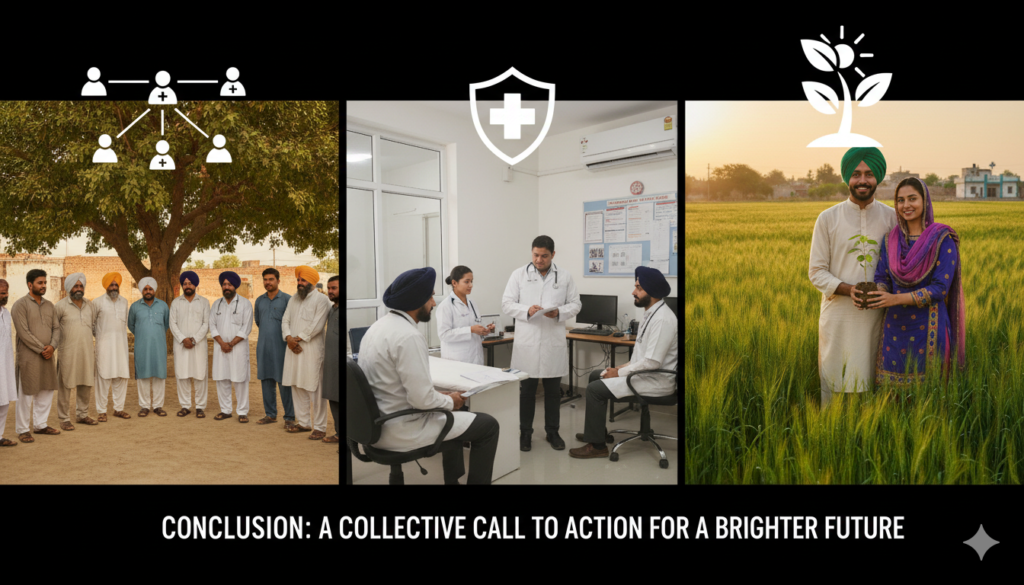
The history of opium in Punjab is a stark reminder of how historical forces, regional dynamics, and socio-economic vulnerabilities can cast a long and destructive shadow. The persistent effects of Afyoon/Opium continue to challenge the health, well-being, and future of countless individuals and communities across our beloved province.
However, with the inherent resilience of the Punjabi people, coupled with a concerted, empathetic, and evidence-based approach from health professionals, government agencies (federal and provincial), civil society organizations, and community leaders, we can collectively work towards a brighter tomorrow. By prioritizing comprehensive education, accessible and compassionate healthcare, robust rehabilitation, and by addressing the underlying socio-economic determinants, we can gradually break the chains of addiction. This is an immense but absolutely essential journey – one that is vital for restoring the health, dignity, and prosperity of rural Punjab, ensuring our fertile fields become sources of hope, progress, and a drug-free future. As health professionals, our commitment to this cause is not merely a professional duty but a profound national imperative.
Sources
- [Source 1: Academic Studies on British Colonial Agricultural Policies in Punjab]
- Where you’d find links: Google Scholar, university library databases (e.g., JSTOR, Project MUSE), specific academic journals focused on South Asian history or colonial studies.
- Example search query: “British agricultural policy Punjab opium academic”
- [Source 2: Historical Accounts of the Opium Wars and British Imperialism]
- Where you’d find links: Reputable history publishers (e.g., Oxford University Press, Cambridge University Press), university history department resources, online archives of historical documents.
- Example search query: “Opium Wars history academic sources”
- [Source 3: WHO/UNODC Clinical Guidelines for Opioid Dependence Treatment]
- Where you’d find links: Official websites of the World Health Organization (who.int) and the United Nations Office on Drugs and Crime (unodc.org). Look for their publications section.
- Example search query: “WHO guidelines opioid dependence treatment”
- [Source 4: Medical Toxicology Textbooks, Chapter on Opioid Toxicity]
- Where you’d find links: Online medical databases (e.g., PubMed, Medline), professional medical textbook platforms (e.g., AccessMedicine, ClinicalKey), university medical library portals.
- Example search query: “Opioid toxicology medical textbook chapter”
- [Source 5: National AIDS Control Program (NACP) Reports on Injecting Drug Use and HIV in the nation]
- Where you’d find links: Official website of the Ministry of National Health Services, Regulations & Coordination (NHSR&C) of Pakistan, NACP section; UNAIDS Pakistan reports.
- Example search query: “Pakistan NACP injecting drug use HIV report”
- [Source 6: Psychiatric Research on Opioid Use Disorder and Co-occurring Mental Illness in the nation]
- Where you’d find links: Academic journals focusing on psychiatry, mental health, or addiction studies relevant to South Asia; research databases like PubMed or Google Scholar.
- Example search query: “Opioid use disorder mental health Pakistan research”
- [Source 7: Sociological Research on the Impact of Drug Abuse on Families in Rural Punjab]
- Where you’d find links: Sociology departments of universities in Pakistan, local research institutes, academic journals focusing on social issues in Punjab.
- Example search query: “Drug abuse family impact rural Punjab sociology”
- [Source 8: Anthropological and Social Work Studies on Stigma and Addiction in the national Context]
- Where you’d find links: Anthropology or social work journals, research papers from NGOs working on addiction in the region, university research.
- Example search query: “Addiction stigma Pakistan anthropology research”
- [Source 9: Anti-Narcotics Force (ANF) Annual Reports on Drug Trafficking Routes]
- Where you’d find links: Official website of the Anti-Narcotics Force (anf.gov.pk). Look for “Annual Reports” or “Publications.”
- Example search query: “ANF Pakistan annual report drug routes”
- [Source 10: The nation’s Economic Survey and Provincial Social Welfare Department Reports on Rural Poverty]
- Where you’d find links: Official website of the Ministry of Finance, Government of Pakistan (for the Economic Survey), and the official website of the Punjab Social Welfare & Bait-ul-Maal Department.
- Example search query: “Pakistan Economic Survey rural poverty Punjab”
- [Source 11: Ministry of National Health Services, Regulations & Coordination Reports on Healthcare Gaps]
- Where you’d find links: Official website of the Ministry of National Health Services, Regulations & Coordination, Government of Pakistan (nhsrpc.gov.pk).
- Example search query: “Ministry of Health Pakistan rural healthcare report”
- [Source 12: Provincial Health Department Initiatives for Drug De-addiction Centers in Punjab]
- Where you’d find links: Official website of the Punjab Department of Health, Government of Punjab.
- Example search query: “Punjab Health Department drug de-addiction centers initiatives”
- [Source 13: ANF Press Releases and Operational Reports]
- Where you’d find links: Official ANF website (anf.gov.pk), news archives from reputable national media outlets.
- Example search query: “ANF Pakistan operations drug seizure”
- [Source 14: National Survey on Drug Use in the nation (if available, or similar provincial studies)]
- Where you’d find links: Ministry of Narcotics Control, Government of Pakistan; UNODC Pakistan reports; sometimes NDDTC (National Drug Dependence Treatment Centre) reports if applicable to the region.
- Example search query: “National Drug Use Survey Pakistan”