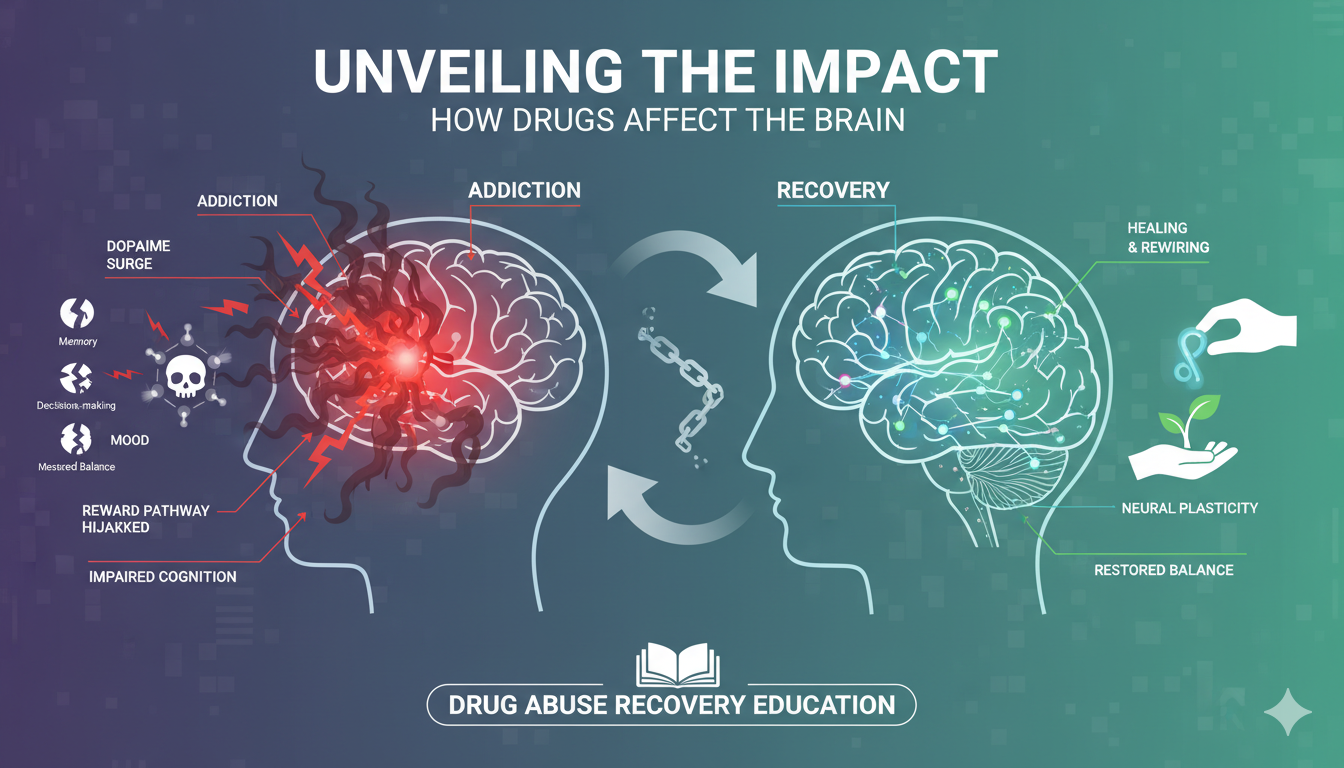
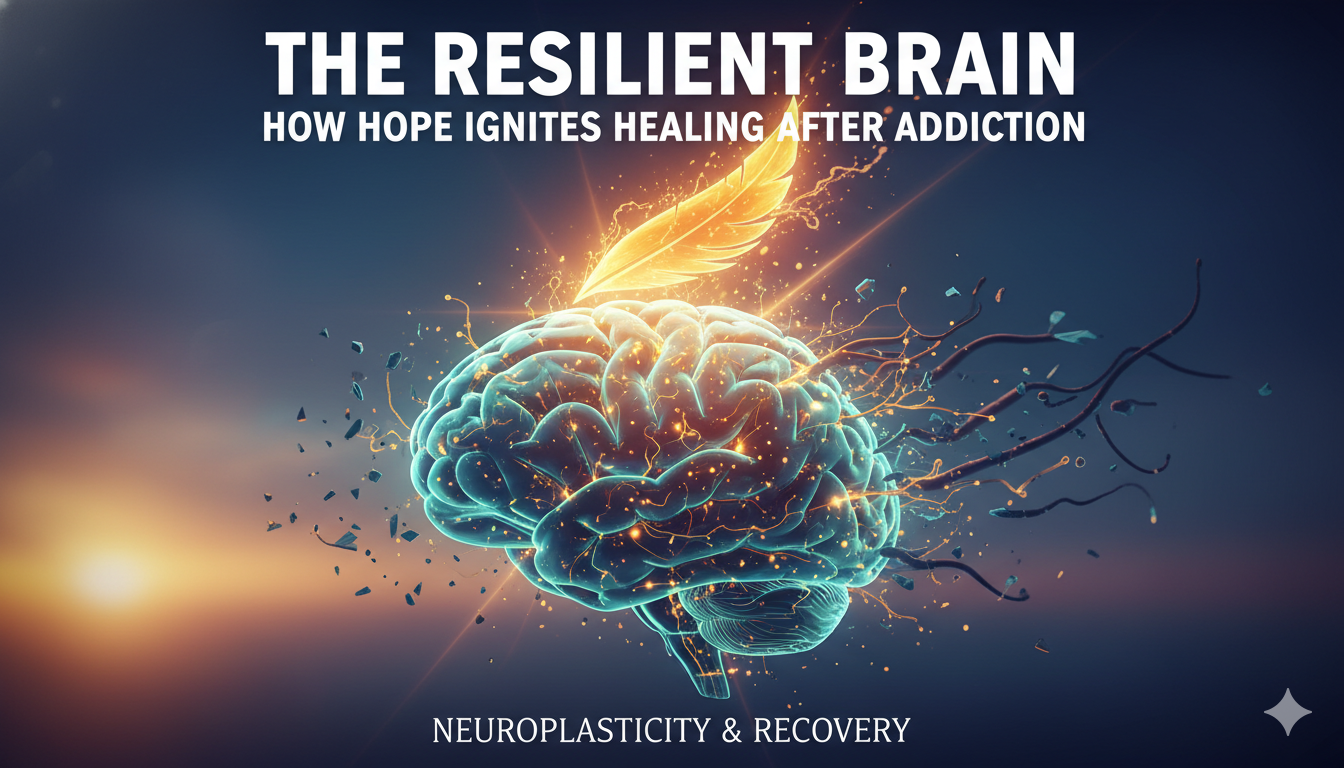
Addiction, a formidable foe, casts a long shadow over millions of lives, leaving a trail of shattered dreams and broken connections. For too long, it was viewed as a moral failing, a weakness of character. Yet, modern neuroscience has unveiled a far more nuanced truth: addiction is a complex brain disease, fundamentally altering neural pathways and hijacking the very reward systems designed for our survival. But within this intricate dance of neurobiology lies a profound message of optimism: the brain, even after the ravages of addiction, possesses an extraordinary capacity for healing, a phenomenon deeply intertwined with the powerful force of hope.
This article delves into the science behind this remarkable recovery, focusing on the incredible concept of neuroplasticity and recovery. We’ll explore how the brain, once reshaped by the insidious grip of substances, can be rewired, repaired, and revitalized, and how the cultivation of hope acts as a vital catalyst in this transformative journey.
The Brain Under Siege: How Addiction Rewires Our Core
To truly appreciate the healing process, we must first understand the battlefield. The brain, an organ of astonishing complexity, is constantly adapting, learning, and evolving. This inherent flexibility, known as neuroplasticity, is a double-edged sword when it comes to addiction. While it allows us to learn new skills and adapt to our environment, it also enables the brain to learn and entrench addictive behaviors.
At the heart of addiction’s impact are several key brain regions and neurotransmitter systems:
- The Reward System (Mesolimbic Pathway): This is the brain’s pleasure center, primarily involving dopamine. When we engage in life-sustaining activities like eating, drinking, or social interaction, dopamine is released, producing feelings of pleasure and motivating us to repeat these behaviors. Addictive substances, however, flood this system with dopamine, producing an intensely euphoric “high” that far surpasses natural rewards. This creates a powerful, almost irresistible, drive to seek the substance again. Over time, the brain’s reward system becomes desensitized to natural pleasures, requiring more of the substance to achieve the same effect – a phenomenon known as tolerance.
- The Prefrontal Cortex (PFC): This “executive control center” is responsible for decision-making, impulse control, judgment, and planning. In individuals with addiction, the PFC’s function is significantly impaired. The overwhelming drive for the addictive substance overrides rational thought, leading to compulsive drug-seeking behavior despite negative consequences. The ability to weigh long-term benefits against immediate gratification is severely compromised.
- The Amygdala and Hippocampus: These regions play crucial roles in memory and emotion. The amygdala processes fear and anxiety, while the hippocampus is vital for forming new memories. In addiction, these areas become hyper-responsive to drug-related cues. Seeing a drug paraphernalia, smelling a familiar scent, or even encountering people associated with past drug use can trigger intense cravings and relapse, even years into recovery. This is due to the powerful associative memories formed during active addiction.
- Stress Response System: Chronic drug use can dysregulate the brain’s stress response system, making individuals more susceptible to stress and anxiety. This heightened stress can, in turn, become a powerful trigger for relapse, as individuals seek to self-medicate uncomfortable feelings.
In essence, addiction hijacks the brain’s natural learning mechanisms, reprogramming them to prioritize drug-seeking above all else. This creates a vicious cycle where the brain becomes dependent on the substance, and the individual loses control over their choices.
Neuroplasticity: The Brain’s Capacity for Redemption
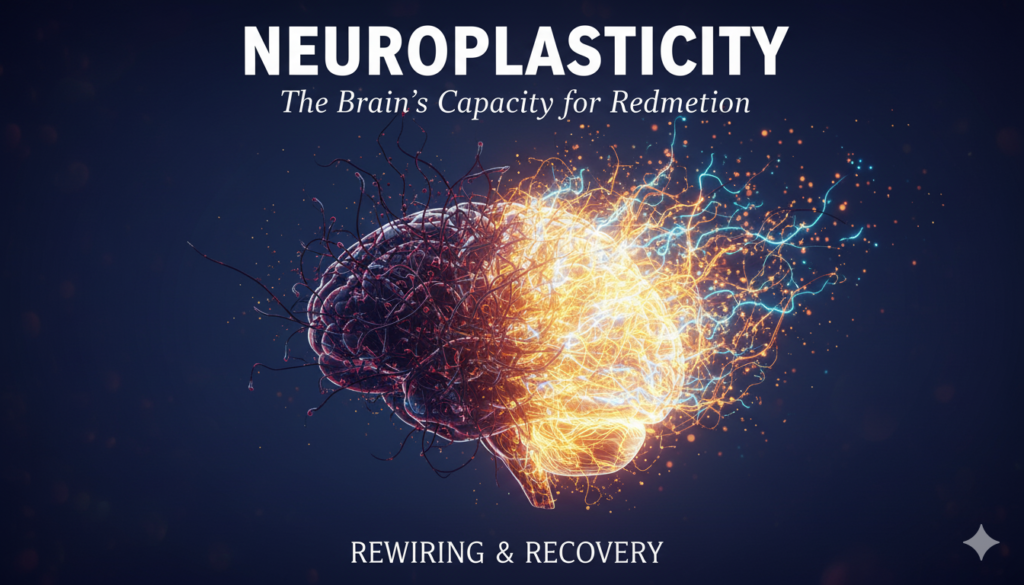
Despite the profound changes wrought by addiction, the brain is not permanently damaged. Here’s where the remarkable power of neuroplasticity steps in, offering a beacon of hope. Neuroplasticity refers to the brain’s lifelong ability to reorganize itself by forming new neural connections and reorganizing existing ones. It’s the brain’s innate capacity to learn, adapt, and heal.
In the context of recovery, neuroplasticity manifests in several crucial ways:
- Synaptic Pruning and Strengthening: During addiction, certain neural pathways associated with drug use become incredibly strong, while others, responsible for healthy decision-making, may weaken. In recovery, as an individual abstains from substances and engages in therapeutic interventions, the brain begins to “prune” these maladaptive connections. Simultaneously, new, healthy connections are formed and strengthened, particularly in the prefrontal cortex, enhancing executive function and impulse control.
- Neurogenesis: While once believed to be limited, research now shows that the adult brain can generate new neurons, particularly in the hippocampus. This process, known as neurogenesis, is vital for learning and memory and can be stimulated by various factors, including exercise, enriched environments, and abstinence from addictive substances. New neurons can help in repairing damaged circuits and improving cognitive function.
- Rebalancing Neurotransmitter Systems: With sustained sobriety, the brain’s neurotransmitter systems, particularly dopamine, begin to re-regulate. While the initial “high” from drugs is difficult to replicate with natural rewards, the brain gradually regains its sensitivity to these natural pleasures. The baseline levels of dopamine can return to a healthier state, allowing individuals to experience joy and contentment from everyday activities once again.
- Functional Reorganization: Brain imaging studies have shown that as individuals progress in recovery, there’s a functional reorganization of brain activity. Areas like the prefrontal cortex show increased activity and connectivity, indicating improved self-control and decision-making. Conversely, activity in areas associated with craving and emotional reactivity may decrease.
This continuous rewiring is not a passive process; it’s actively shaped by an individual’s experiences, behaviors, and environment. This is why therapeutic interventions, lifestyle changes, and support systems are so crucial in recovery – they provide the scaffolding for the brain to rebuild itself.
Hope: The Architect of Brain Healing
While neuroplasticity provides the biological mechanism for healing, hope serves as the indispensable psychological engine that drives this process. Hope is not merely wishful thinking; it’s a dynamic cognitive process involving goal setting, agency (the belief in one’s ability to achieve those goals), and pathways (the perceived strategies to reach them). For individuals in recovery, hope is a powerful predictor of successful outcomes.
Here’s how hope fuels neuroplasticity and recovery:
- Motivating Behavioral Change: Hope provides the motivation to engage in the difficult work of recovery. When individuals believe that change is possible, they are more likely to commit to treatment, attend support group meetings, and make necessary lifestyle adjustments. These consistent, positive behaviors directly contribute to the brain’s rewiring. Each small victory, fueled by hope, reinforces new neural pathways and strengthens the resolve to continue.
- Enhancing Cognitive Function: Hope has been linked to improved cognitive function, including problem-solving abilities and resilience. When individuals feel hopeful, they are better equipped to navigate challenges, cope with cravings, and develop effective strategies for managing triggers. This improved cognitive capacity directly supports the strengthening of the prefrontal cortex, which is vital for long-term recovery.
- Reducing Stress and Improving Emotional Regulation: Chronic stress is a significant impediment to recovery, often triggering relapse. Hope acts as a buffer against stress, reducing its impact on the brain and body. When individuals have hope, they are less likely to fall into cycles of despair and anxiety, which can otherwise overwhelm their capacity for self-regulation. This emotional stability creates a more conducive environment for neural repair.
- Fostering Self-Efficacy: Hope is inextricably linked to self-efficacy – the belief in one’s own ability to succeed. As individuals experience small successes in recovery, their self-efficacy grows, further fueling their hope. This positive feedback loop strengthens neural circuits associated with reward and accomplishment, reinforcing the desire to continue on the path to sobriety.
- Promoting Engagement in Therapeutic Interventions: Effective addiction treatment, such as cognitive behavioral therapy (CBT), dialectical behavior therapy (DBT), and mindfulness-based interventions, are designed to leverage neuroplasticity. These therapies help individuals identify and change maladaptive thought patterns, develop coping skills, and regulate emotions. Hope encourages individuals to actively participate in and benefit from these interventions, maximizing their impact on brain healing. For example, practicing mindfulness trains the brain to observe thoughts and feelings without judgment, strengthening inhibitory control and reducing reactivity to cravings.
- Building Supportive Networks: Hope often inspires individuals to connect with others, whether in support groups, with family, or with friends. These social connections are not just emotionally beneficial; they have a tangible impact on brain health. Social interaction stimulates the release of oxytocin, a hormone linked to bonding and trust, which can reduce stress and promote feelings of well-being. A supportive community reinforces positive behaviors and provides accountability, further aiding in neuroplastic changes.
The Journey of Healing: Practical Applications

Understanding the science of hope and neuroplasticity provides a powerful framework for addiction recovery. Here are some key practical applications:
- Therapeutic Interventions: Evidence-based therapies are paramount. CBT helps individuals identify and challenge negative thought patterns and develop coping mechanisms. DBT teaches emotional regulation and distress tolerance. These therapies actively engage the brain’s plasticity, helping to rewire maladaptive circuits.
- Mindfulness and Meditation: These practices train the brain to be present and non-reactive, strengthening areas like the prefrontal cortex and reducing the emotional reactivity of the amygdala. Regular practice can lead to measurable changes in brain structure and function, enhancing self-awareness and impulse control.
- Physical Activity: Exercise is a powerful stimulant for neurogenesis and the release of beneficial neurotransmitters. It reduces stress, improves mood, and can enhance cognitive function, all contributing to a healthier brain in recovery.
- Nutrition: A balanced diet provides the necessary building blocks for brain health. Nutrients support neurotransmitter production and overall neural function, aiding in repair and optimal functioning.
- Sleep Hygiene: Quality sleep is essential for brain repair and consolidation of new learning. Disrupted sleep can exacerbate cravings and impair cognitive function, making recovery more challenging.
- Establishing New Routines and Hobbies: Engaging in new, healthy activities helps to create new neural pathways and derive pleasure from non-substance-related rewards. This re-establishes the brain’s natural reward system and offers alternative coping strategies.
- Support Systems: Connecting with others in recovery, family, and friends provides crucial emotional support, reduces feelings of isolation, and reinforces positive behaviors. Social connection has a direct impact on brain chemistry and overall well-being.
- Goal Setting and Celebration of Milestones: Setting achievable goals and celebrating progress, no matter how small, reinforces hope and motivates continued effort. Each successful step strengthens the brain’s belief in its ability to change.
The Enduring Power of Resilience
The journey of recovery is undeniably challenging, marked by setbacks and moments of despair. However, the scientific understanding of neuroplasticity and the profound impact of hope offer an empowering narrative. The brain, far from being a static entity, is a marvel of adaptability, capable of remarkable healing and transformation.
By actively engaging in therapeutic processes, adopting healthy lifestyle choices, and consistently nurturing the flame of hope, individuals can empower their brains to rebuild, rewire, and ultimately, reclaim a life free from the shackles of addiction. The science is clear: recovery is not just possible; it’s a testament to the brain’s incredible capacity for resilience, guided by the unwavering strength of hope.
References (Illustrative Examples, not exhaustive):
- Volkow, N. D., Koob, G. F., & McLellan, A. T. (2016). Neurobiologic Advances from the Brain Disease Model of Addiction. New England Journal of Medicine, 374(4), 363-371. (Discusses addiction as a brain disease and its neurobiological underpinnings).
- Everitt, B. J., & Robbins, T. W. (2016). Drug Addiction: The Neurocircuitry of Relapse. Nature Neuroscience, 19(5), 652-661. (Explores the neural circuits involved in drug-seeking and relapse).
- Nestler, E. J. (2013). Cellular basis of memory for addiction. Dialogues in Clinical Neuroscience, 15(4), 431. (Delves into the synaptic changes and molecular mechanisms underlying addiction memory).
- Snyder, C. R. (2002). Hope Theory: Rainbows in the Mind. Psychological Inquiry, 13(4), 249-275. (Foundational work on hope theory, its components, and its role in human motivation).
- Davidson, R. J., & McEwen, B. S. (2012). Social Regulation of the Brain. Social Neuroscience, 7(3), 241-257. (Discusses the impact of social connections on brain function and stress response).
- Kempermann, G., & Gage, F. H. (1999). New neurons in the adult brain. Scientific American, 280(5), 48-53. (Early work highlighting adult neurogenesis).