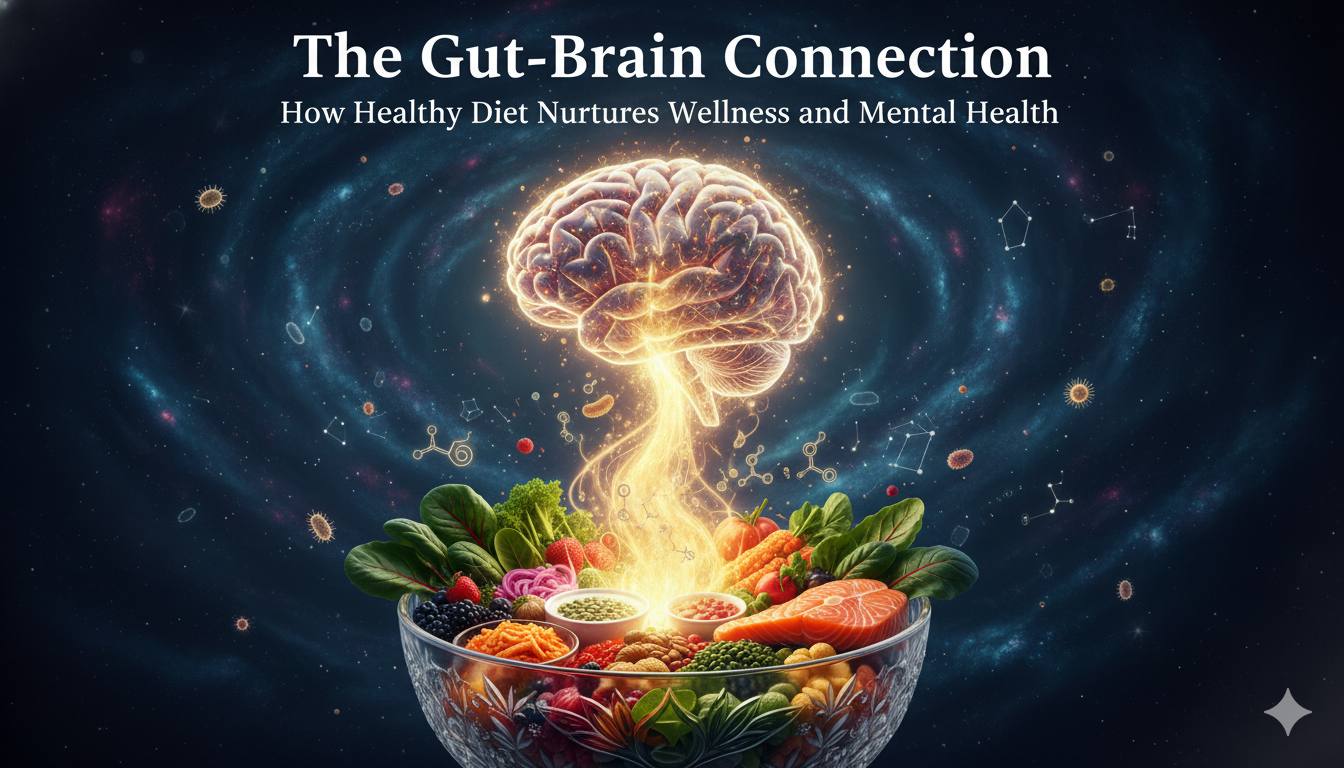
In an era where the pursuit of optimal well-being is paramount, a fascinating and increasingly well-understood field of science is shedding light on an intricate relationship within our bodies: the gut-brain connection. This isn’t just about avoiding a “gut feeling” when making a tough decision; it’s a complex, bidirectional communication highway that profoundly impacts our wellness and mental health. Far from being two isolated systems, our digestive tract and our brain are in constant dialogue, a conversation heavily influenced by what we choose to put on our plates.
For centuries, ancient wisdom traditions have intuitively linked diet to mood and cognitive function. Think of the calming effect of a warm, nourishing meal or the irritability that can accompany hunger. Modern science is now providing robust evidence to support these age-old observations, revealing the sophisticated mechanisms through which our gut microbiome – the trillions of microorganisms residing in our intestines – acts as a powerful mediator in this crucial connection.
This comprehensive article will delve deep into the science behind the gut-brain axis, explore how a healthy diet can optimize this connection, and provide actionable strategies to support your wellness and mental health through mindful eating.
The Unseen Universe Within: Understanding the Gut Microbiome
To truly grasp the gut-brain connection, we must first appreciate the bustling ecosystem within our digestive system: the gut microbiome. This diverse community of bacteria, viruses, fungi, and other microorganisms plays a pivotal role in far more than just digestion. It’s an internal organ in its own right, weighing as much as a human brain (around 2-3 pounds!) and boasting a collective genetic code that far surpasses our own.
Key Functions of a Healthy Gut Microbiome:
- Digestion and Nutrient Absorption: The microbiome assists in breaking down complex carbohydrates and fibers that our human enzymes cannot digest, extracting vital nutrients and producing beneficial compounds.
- Immune System Modulation: A significant portion of our immune system resides in the gut. A balanced microbiome helps train and regulate immune responses, protecting against pathogens and reducing inflammation.
- Vitamin Synthesis: Certain gut bacteria synthesize essential vitamins, such as Vitamin K and several B vitamins, which are crucial for various bodily functions, including energy production and neurological health.
- Protection Against Pathogens: A healthy microbiome creates a competitive environment, preventing the overgrowth of harmful bacteria.
- Metabolism Regulation: The gut microbiota influences energy harvesting from food and plays a role in glucose metabolism and fat storage, impacting conditions like obesity and type 2 diabetes.
When this delicate balance is disrupted – a state known as dysbiosis – the consequences can extend far beyond digestive discomfort, potentially impacting our mood, cognitive function, and overall wellness and mental health.
The Superhighway: How the Gut and Brain Communicate
The communication between the gut and the brain is not a one-way street; it’s a dynamic, bidirectional superhighway known as the gut-brain axis. Several pathways facilitate this intricate dialogue:
- The Vagus Nerve: The Direct Line:
The vagus nerve is the longest cranial nerve, extending from the brainstem to the abdomen, forming a direct communication link between the brain and most of our internal organs, including the gut. It’s a critical component of the parasympathetic nervous system, responsible for “rest and digest” functions. Studies have shown that signals from the gut microbes can travel up the vagus nerve to influence brain function, mood, and behavior. For example, some probiotic strains have been shown to impact anxiety-like behaviors through vagal pathways (Bravo et al., 2011). - Neurotransmitters: Chemical Messengers:
Surprisingly, the gut is a major producer of neurotransmitters – the chemical messengers that regulate mood, sleep, and appetite in the brain. For instance, approximately 90% of the body’s serotonin, a key neurotransmitter associated with feelings of well-being and happiness, is produced in the gut. Gut microbes can directly influence the production and availability of these neurotransmitters. A healthy microbiome ensures adequate production, while dysbiosis can disrupt this delicate balance, potentially contributing to mood disorders. - Short-Chain Fatty Acids (SCFAs): Microbial Byproducts with Brain Benefits:
When beneficial gut bacteria ferment dietary fiber, they produce short-chain fatty acids (SCFAs) like butyrate, propionate, and acetate. These SCFAs are not just energy sources for gut cells; they can cross the blood-brain barrier and exert profound effects on brain health. Butyrate, in particular, is a well-studied SCFA known for its anti-inflammatory properties and its ability to support brain-derived neurotrophic factor (BDNF), a protein crucial for neuronal growth, survival, and synaptic plasticity – all vital for learning, memory, and mood regulation (Stilling et al., 2014). - The Immune System and Inflammation:
The gut is a major hub of immune activity. When the gut barrier (the lining of the intestines) becomes compromised – often due to dysbiosis, stress, or a poor diet – it can lead to “leaky gut.” This allows inflammatory molecules and microbial components to enter the bloodstream, triggering a systemic inflammatory response. Chronic low-grade inflammation is increasingly recognized as a contributing factor to various mental health conditions, including depression and anxiety, by affecting neurotransmitter systems and neuronal function in the brain (Felger & Lotrich, 2013). - Tryptophan Metabolism:
Tryptophan is an essential amino acid and a precursor to serotonin. Gut microbes influence the metabolism of tryptophan, directing it towards either serotonin production (beneficial for mood) or other pathways that can produce inflammatory compounds. A balanced microbiome promotes the former, contributing positively to wellness and mental health.
The Impact of Diet on the Gut-Brain Axis and Mental Health
Given the profound connection between the gut and the brain, it stands to reason that our dietary choices are critical determinants of our wellness and mental health. A diet rich in processed foods, sugar, and unhealthy fats can wreak havoc on the gut microbiome, leading to dysbiosis, inflammation, and impaired gut-brain communication. Conversely, a diet emphasizing whole, unprocessed foods can foster a diverse and healthy microbiome, supporting optimal brain function and mood.
The “Bad Guys”: Diets Detrimental to the Gut-Brain Axis
- Highly Processed Foods: These often contain artificial additives, preservatives, excessive sugar, and unhealthy fats, all of which can negatively alter the gut microbiome, promote inflammation, and potentially contribute to anxiety and depression.
- Excessive Sugar: Sugar feeds harmful bacteria and yeasts in the gut, leading to dysbiosis. It also causes rapid blood sugar fluctuations, which can impact mood and energy levels.
- Unhealthy Fats (Trans Fats, Excessive Omega-6): These fats, often found in fried foods and many processed snacks, promote inflammation throughout the body, including the gut and brain.
- Artificial Sweeteners: Emerging research suggests that some artificial sweeteners can negatively impact the gut microbiome, though more research is needed (Suez et al., 2014).
- Excessive Alcohol: Chronic alcohol consumption can damage the gut lining, lead to dysbiosis, and impair nutrient absorption, all of which can negatively impact mood and cognitive function.
The “Good Guys”: Diets Supporting a Healthy Gut-Brain Axis
Embracing a diet centered around whole, nutrient-dense foods is the cornerstone of supporting a thriving gut microbiome and, by extension, robust wellness and mental health.
- Fiber-Rich Foods (Prebiotics): Fuel for Good Bacteria
Dietary fiber is the indigestible plant material that serves as fuel for beneficial gut bacteria. These fibers are known as prebiotics. When gut microbes ferment prebiotics, they produce beneficial SCFAs, which nourish gut cells, reduce inflammation, and support brain health.- Sources: Whole grains (oats, barley, quinoa), legumes (lentils, beans, chickpeas), fruits (berries, apples, bananas), vegetables (garlic, onions, leeks, asparagus, broccoli, leafy greens), nuts, and seeds.
- Fermented Foods (Probiotics): Introducing Beneficial Microbes
Fermented foods are rich in live beneficial bacteria, often referred to as probiotics. Consuming these foods can introduce new, beneficial strains to the gut and enhance the diversity of the existing microbiome.- Sources: Yogurt with live and active cultures, kefir, sauerkraut, kimchi, tempeh, miso, kombucha (choose varieties low in sugar).
- Omega-3 Fatty Acids: Anti-Inflammatory Powerhouses
Omega-3 fatty acids, particularly EPA and DHA, are crucial for brain health and have potent anti-inflammatory properties. They can help reduce inflammation in the gut and brain, support neuronal membranes, and positively influence neurotransmitter function.- Sources: Fatty fish (salmon, mackerel, sardines, tuna), flaxseeds, chia seeds, walnuts, omega-3 enriched eggs.
- Polyphenol-Rich Foods: Antioxidant and Anti-Inflammatory Benefits
Polyphenols are plant compounds with powerful antioxidant and anti-inflammatory properties. They are not only beneficial for human health but also serve as fuel for certain beneficial gut bacteria, influencing the composition and activity of the microbiome.- Sources: Berries, dark chocolate, green tea, coffee, red wine (in moderation), colorful fruits and vegetables.
- Lean Proteins: Building Blocks for Neurotransmitters
Protein provides the essential amino acids, including tryptophan, which are precursors to neurotransmitters like serotonin and dopamine.- Sources: Lean meats, poultry, fish, eggs, legumes, nuts, seeds, tofu.
- Hydration: The Unsung Hero
Adequate water intake is essential for all bodily functions, including digestion and nutrient absorption. It helps maintain the integrity of the gut lining and facilitates the smooth passage of food through the digestive tract.
Beyond Diet: Other Factors Influencing the Gut-Brain Axis
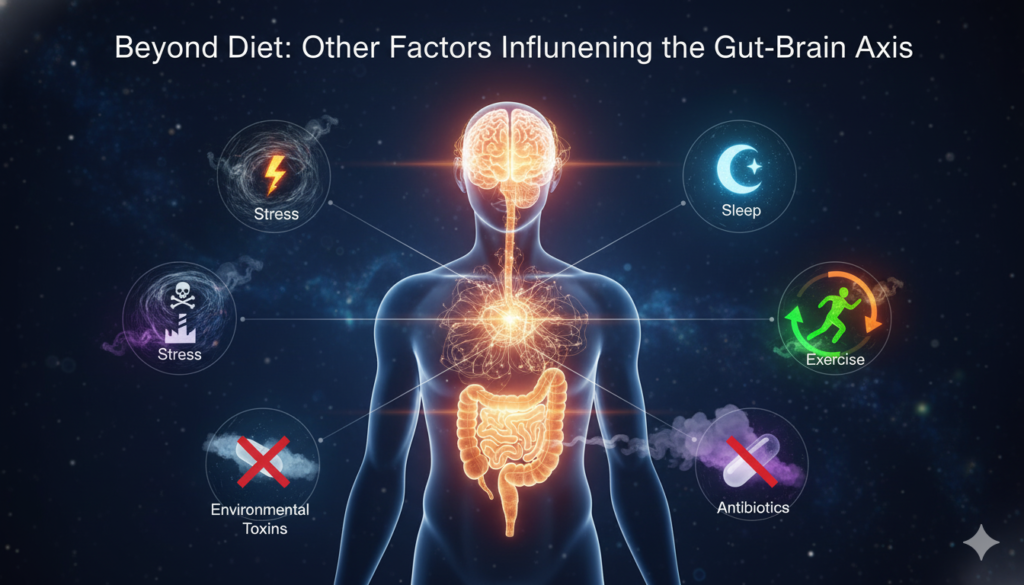
While diet is a cornerstone, several other lifestyle factors significantly impact the gut-brain axis and, consequently, our wellness and mental health:
- Stress: Chronic psychological stress is a powerful disruptor of the gut microbiome. It can alter gut motility, increase gut permeability (“leaky gut”), and change the composition of gut bacteria. Stress hormones like cortisol can directly influence gut function and microbial balance (Madison & Kiecolt-Glaser, 2019).
- Sleep: Poor sleep quality and insufficient sleep can negatively impact the gut microbiome, leading to dysbiosis and increased inflammation. Conversely, a healthy gut can contribute to better sleep patterns.
- Exercise: Regular physical activity has been shown to increase the diversity and richness of the gut microbiome, promote the production of beneficial SCFAs, and reduce inflammation, all of which can positively impact mood and cognitive function.
- Antibiotics: While essential for treating bacterial infections, antibiotics can indiscriminately wipe out both harmful and beneficial gut bacteria, leading to significant dysbiosis. It’s crucial to restore the gut microbiome after antibiotic use, often through probiotic supplementation and a fiber-rich diet.
- Environmental Toxins: Exposure to pesticides, herbicides, and other environmental toxins can negatively impact the gut microbiome and contribute to inflammation.
Practical Strategies for Nurturing Your Gut-Brain Connection
Empowering yourself to support your gut-brain axis doesn’t require drastic overhauls. Small, consistent changes can yield significant benefits for your wellness and mental health.
- Prioritize Whole, Unprocessed Foods: Shift your focus away from packaged, refined items and towards whole grains, fresh fruits, vegetables, lean proteins, and healthy fats.
- Eat a Diverse Range of Plant Foods: Aim for at least 30 different plant-based foods per week to foster a diverse and resilient gut microbiome. “Eat the rainbow” to ensure a wide array of polyphenols and fibers.
- Incorporate Fermented Foods Daily: Add a serving of yogurt, kefir, sauerkraut, or kimchi to your daily diet.
- Boost Your Fiber Intake: Gradually increase your consumption of fiber-rich foods like legumes, whole grains, and a variety of fruits and vegetables. Drink plenty of water as you increase fiber.
- Hydrate, Hydrate, Hydrate: Make water your primary beverage.
- Limit Sugar and Artificial Sweeteners: Be mindful of hidden sugars in processed foods and drinks.
- Choose Healthy Fats: Opt for sources of omega-3s and monounsaturated fats (avocado, olive oil) over unhealthy trans and excessive saturated fats.
- Manage Stress Effectively: Implement stress-reduction techniques such as mindfulness meditation, yoga, deep breathing exercises, spending time in nature, or engaging in hobbies you enjoy.
- Ensure Adequate Sleep: Aim for 7-9 hours of quality sleep per night. Establish a consistent sleep schedule and create a relaxing bedtime routine.
- Stay Active: Incorporate regular physical activity into your routine. Even moderate exercise can benefit your gut and mood.
- Consider Probiotic and Prebiotic Supplements (Under Guidance): While whole foods are always best, targeted probiotic and prebiotic supplements can be beneficial, especially after antibiotic use or for specific conditions. Always consult with a healthcare professional before starting any new supplement regimen.
- Chew Your Food Thoroughly: Digestion begins in the mouth. Chewing adequately aids in the breakdown of food and reduces the burden on your digestive system.
- Practice Mindful Eating: Pay attention to your hunger and fullness cues. Eat slowly, savor your food, and minimize distractions during meals. This can improve digestion and reduce stress around eating.
The Future of Wellness: Psychobiotics and Beyond
The exciting field of psychobiotics is exploring specific strains of probiotics and prebiotics that have demonstrated potential in influencing mood, anxiety, and cognitive function. While still in its early stages, research into these “brain-altering” microbes holds immense promise for novel therapeutic approaches to mental health conditions.
Personalized nutrition, based on an individual’s unique gut microbiome composition, is another frontier. Imagine a future where dietary recommendations are tailored precisely to optimize your gut health and, consequently, your wellness and mental health.
Conclusion: Your Plate, Your Power
The intricate gut-brain connection offers a powerful lens through which to view our wellness and mental health. It underscores the profound impact of our dietary choices, not just on our physical health, but on our emotional and cognitive well-being. By nurturing a diverse and thriving gut microbiome through a healthy, whole-foods diet and supportive lifestyle choices, we can optimize this vital communication highway.
Remember, every meal is an opportunity to nourish not just your body, but your brain and your mood. Embrace the power of your plate, cultivate a healthy gut, and unlock a more vibrant, resilient, and joyful you. Your gut and your brain will thank you for it, paving the way for enhanced wellness and mental health that truly flourishes from within.
References
- Bravo, J. A., Forsythe, P., Chew, M. V., Escaravage, E., Savignac, H. M., Burnet, T. V., … & Dinan, T. G. (2011). Ingestion of Lactobacillus rhamnosus (JB-1) by healthy volunteers affects mood and cognitive function. Proceedings of the National Academy of Sciences, 108(38), 16050-16055.
- Felger, J. C., & Lotrich, F. E. (2013). Inflammatory cytokines in depression: neurobiological mechanisms and therapeutic implications. Neuroscience, 246, 316-327.
- Madison, A., & Kiecolt-Glaser, J. K. (2019). Stress, social support, and inflammation in the gut-brain axis. Current Opinion in Behavioral Sciences, 28, 140-146.
- Stilling, R. M., O’Callaghan, C. L., O’Keeffe, G. W., Quigley, E. M., & Cryan, J. F. (2014). The microbiome as a key regulator of brain function and behavior. Gastroenterology, 147(6), 1215-1229.
- Suez, J., Korem, A., Zeevi, D., Zilberman-Schakchar, G., Barda, C., David, E., … & Segal, E. (2014). Artificial sweeteners induce glucose intolerance by altering the gut microbiota. Nature, 514(7521), 181-186.
Disclaimer: This article is for informational purposes only and does not constitute medical advice. Always consult with a qualified healthcare professional before making any dietary or lifestyle changes, especially if you have existing health conditions or are taking medications.