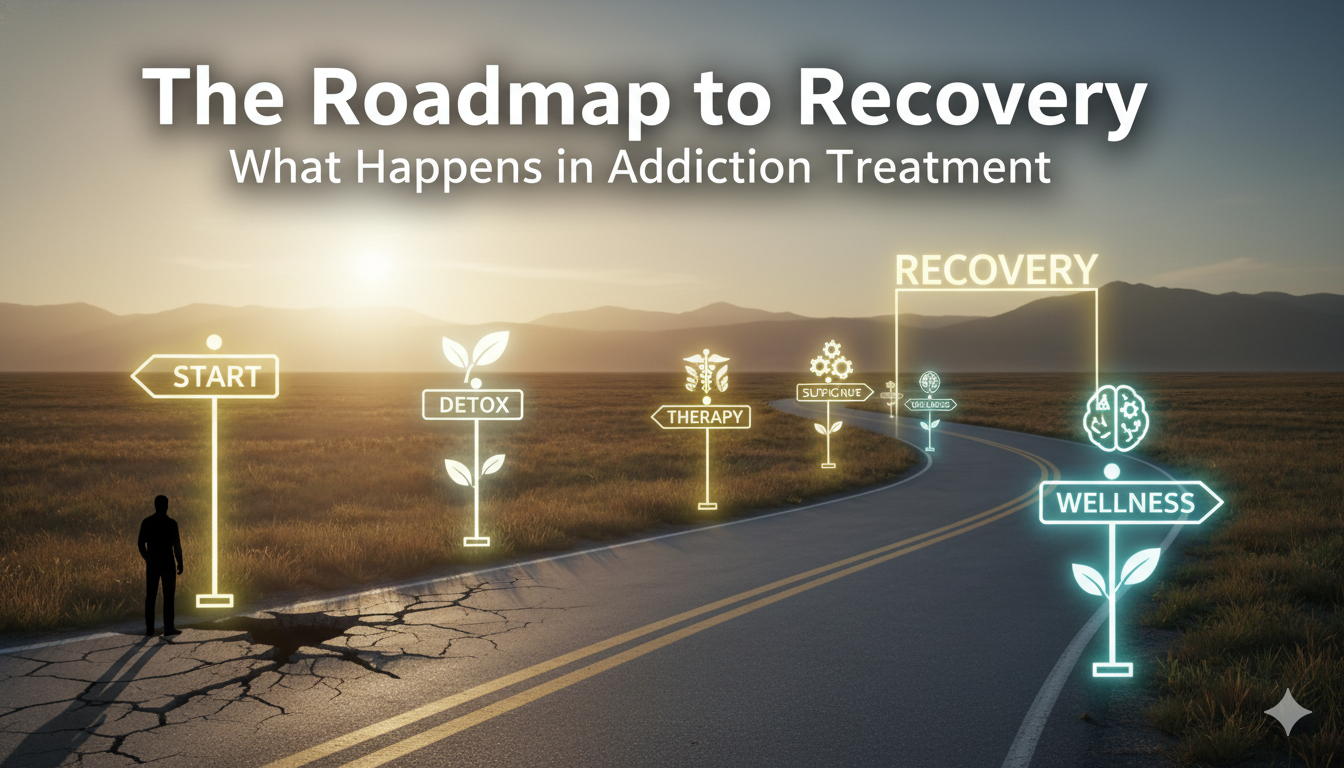
Introduction: Why the First 72 Hours Matter Most
The early recovery stage is often the most fragile, intense, and decisive period in a person’s journey toward sobriety. The first 72 hours, just three days, can feel like a lifetime for someone stepping away from substance use. This phase is not just about physical withdrawal; it’s a complex interplay of neurological recalibration, emotional upheaval, and psychological resistance.
For many individuals, these initial hours determine whether recovery will gain momentum or falter. Understanding what happens during this critical window, and how to navigate it safely, can significantly improve outcomes.
This article explores the science, symptoms, emotional challenges, and evidence-based strategies for managing the first 72 hours of sobriety. Whether you are a healthcare professional, caregiver, or someone entering recovery, this guide provides practical and clinically informed insight into the early recovery stage.
Understanding the Early Recovery Stage
The early recovery stage begins immediately after cessation of substance use. It is characterized by acute withdrawal symptoms, emotional instability, and intense cravings.
What Happens in the Brain?
Substance use alters the brain’s reward system, particularly dopamine pathways. When the substance is removed:
- Dopamine levels drop sharply
- The brain struggles to maintain equilibrium
- Stress hormones (like cortisol) rise
- The prefrontal cortex (decision-making center) becomes less effective
This imbalance explains why individuals feel anxious, irritable, and overwhelmed in the early recovery stage.
Why 72 Hours?
The first 72 hours are critical because:
- Withdrawal symptoms often peak within this timeframe
- Medical complications are most likely to occur
- Psychological cravings are at their strongest
- Relapse risk is highest
Different substances have different withdrawal timelines, but for many, especially alcohol, opioids, and benzodiazepines, the first three days are the most intense.
Hour-by-Hour Breakdown of the First 72 Hours
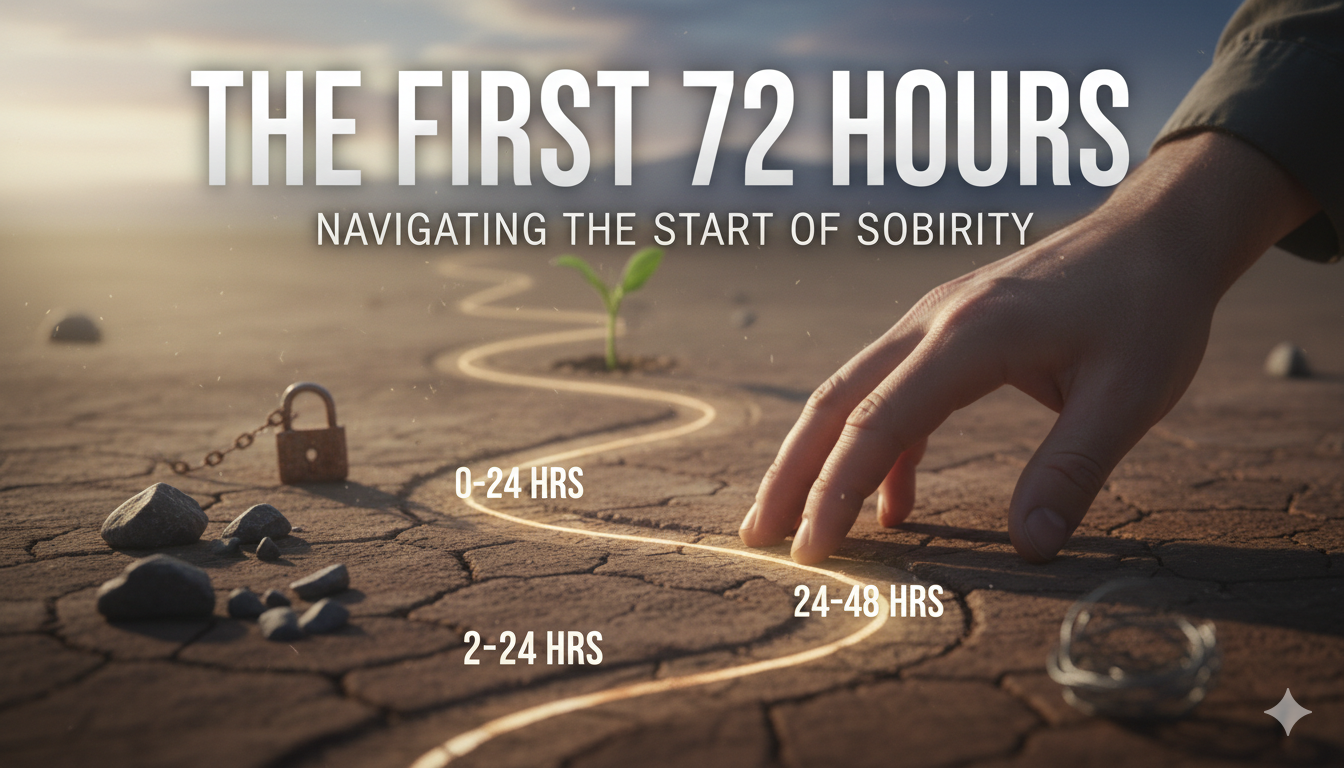
0–24 Hours: The Onset Phase
During the first 24 hours, the body begins reacting to the absence of the substance.
Common Symptoms:
- Anxiety and restlessness
- Sweating and chills
- Nausea or vomiting
- Insomnia
- Headaches
- Mild tremors
Psychological State:
- Denial or second thoughts
- Fear of withdrawal
- Strong urges to use again
For alcohol users, symptoms may begin as early as 6-8 hours after the last drink.
24–48 Hours: The Peak Phase
This is often the most difficult part of the early recovery stage.
Physical Symptoms:
- Increased heart rate and blood pressure
- Severe sweating
- Muscle aches
- Gastrointestinal distress
- Tremors (more pronounced)
Serious Risks:
- Seizures (especially in alcohol and benzodiazepine withdrawal)
- Delirium tremens (DTs) in severe alcohol dependence
Emotional and Psychological Symptoms:
- Irritability
- Depression
- Panic attacks
- Intense cravings
This is the phase where medical supervision is strongly recommended.
48–72 Hours: The Stabilization Phase
By this time, the body begins to adjust, though symptoms may still persist.
Improvements:
- Slight reduction in physical discomfort
- Better hydration and appetite
- Reduced intensity of cravings
Ongoing Challenges:
- Fatigue
- Mood swings
- Sleep disturbances
- Emotional vulnerability
Even though symptoms may ease, the risk of relapse remains high due to psychological triggers.
Substance-Specific Withdrawal in the Early Recovery Stage
Alcohol
- Onset: 6–12 hours
- Peak: 24–72 hours
- Risks: Seizures, delirium tremens
Opioids (e.g., heroin, morphine)
- Onset: 8–24 hours
- Peak: 48–72 hours
- Symptoms: Severe body aches, diarrhea, vomiting, cravings
Benzodiazepines
- Onset: 1–4 days (depending on half-life)
- Risks: Life-threatening seizures
Stimulants (e.g., cocaine, methamphetamine)
- Less physical withdrawal but intense psychological symptoms
- Depression, fatigue, and suicidal ideation are common
The Role of Medical Detox in the First 72 Hours
Attempting to navigate the early recovery stage without medical supervision can be dangerous—especially for alcohol and benzodiazepine users.
Benefits of Medical Detox:
- Continuous monitoring of vital signs
- Medication-assisted treatment (MAT)
- Immediate intervention in emergencies
- Emotional and psychological support
Common Medications Used:
- Benzodiazepines for alcohol withdrawal
- Methadone or buprenorphine for opioid withdrawal
- Clonidine for autonomic symptoms
- Antiemetics and analgesics for symptom relief
Medical detox significantly reduces complications and improves long-term recovery outcomes.
Emotional Turmoil in the Early Recovery Stage
The physical symptoms are only half the battle. The early recovery stage is emotionally overwhelming.
Common Emotional Experiences:
- Guilt and shame
- Fear of failure
- Hopelessness
- Anger and frustration
These emotions are often intensified by the sudden absence of the substance, which previously served as a coping mechanism.
Why Emotional Support Is Critical
Without proper emotional support:
- Individuals are more likely to relapse
- Mental health conditions may worsen
- Motivation for recovery declines
Support can come from therapists, family, peer groups, or structured rehabilitation programs.
Cravings: The Biggest Threat in the First 72 Hours
Cravings during the early recovery stage can feel overpowering and uncontrollable.
What Causes Cravings?
- Dopamine deficiency
- Environmental triggers
- Stress and emotional discomfort
Evidence-Based Techniques to Manage Cravings:
- Urge Surfing
Recognize that cravings rise and fall like waves. - Distraction Techniques
Engage in activities like walking, reading, or talking to someone. - Hydration and Nutrition
Stabilizes blood sugar and reduces irritability. - Mindfulness and Breathing Exercises
Helps regulate emotional responses.
The Importance of Hydration and Nutrition
During the early recovery stage, the body is in a depleted state.
Key Nutritional Needs:
- Fluids: Prevent dehydration
- Electrolytes: Restore balance
- Protein: Support tissue repair
- Complex carbohydrates: Stabilize mood
Recommended Foods:
- Fruits and vegetables
- Whole grains
- Lean proteins
- Broths and soups
Malnutrition can worsen withdrawal symptoms, so proper dietary support is essential.
Sleep Disturbances and How to Manage Them
Sleep is often severely disrupted in the first 72 hours.
Common Issues:
- Insomnia
- Night sweats
- Vivid dreams
Strategies for Better Sleep:
- Maintain a dark, quiet environment
- Avoid caffeine
- Practice relaxation techniques
- Use medical support if necessary
Rest is crucial for neurological recovery.
The Role of Family and Caregivers
Family involvement can make a significant difference in the early recovery stage.
How Families Can Help:
- Provide emotional support
- Avoid judgment or criticism
- Encourage treatment adherence
- Monitor for warning signs
What to Avoid:
- Enabling behavior
- Minimizing the seriousness of withdrawal
- Forcing recovery without consent
Education is key to effective support.
Warning Signs That Require Immediate Medical Attention
During the first 72 hours, certain symptoms should never be ignored:
- Seizures
- Hallucinations
- High fever
- Severe confusion
- Chest pain
These may indicate life-threatening complications such as delirium tremens.
Transitioning Beyond the First 72 Hours
Successfully navigating the early recovery stage is a major milestone, but recovery does not end here.
Next Steps:
- Inpatient or outpatient rehabilitation
- Cognitive Behavioral Therapy (CBT)
- Group therapy (e.g., NA, AA)
- Relapse prevention planning
Long-term recovery requires continued structure and support.
Clinical Insights: What Improves Success Rates?
Research shows that individuals who:
- Undergo medical detox
- Receive psychological support early
- Engage in structured programs
…are significantly more likely to maintain sobriety.
Consistency and early intervention are the strongest predictors of success.
Conclusion: The First 72 Hours Can Change Everything
The first 72 hours of sobriety represent the most challenging yet transformative phase of recovery. The early recovery stage is marked by intense physical, emotional, and psychological changes—but it is also the beginning of healing.
With proper medical care, emotional support, and evidence-based strategies, individuals can safely navigate this critical period and build a strong foundation for long-term recovery.
Recovery does not happen overnight, but it does begin in these first 72 hours.
References
- National Institute on Drug Abuse (NIDA). (2020). Principles of Drug Addiction Treatment: A Research-Based Guide.
https://nida.nih.gov - Substance Abuse and Mental Health Services Administration (SAMHSA). (2021). TIP 45: Detoxification and Substance Abuse Treatment.
https://www.samhsa.gov - Mayo Clinic. (2023). Alcohol Withdrawal: Symptoms and Causes.
https://www.mayoclinic.org - World Health Organization (WHO). (2019). Management of Substance Abuse.
https://www.who.int - American Society of Addiction Medicine (ASAM). (2020). The ASAM Clinical Practice Guideline on Alcohol Withdrawal Management.
https://www.asam.org - Kosten, T.R., & O’Connor, P.G. (2003). Management of Drug and Alcohol Withdrawal. New England Journal of Medicine, 348(18), 1786–1795.
- McKay, J.R. (2021). Continuing Care Research in Addiction Treatment. Current Psychiatry Reports.