Introduction
Drug addiction is a complex and deeply personal struggle that affects millions of individuals and families worldwide. It does not discriminate it impacts people across all ages, cultures, and socioeconomic backgrounds. Fortunately, recovery is possible, and drug rehabilitation programs provide a structured, evidence-based pathway toward healing.
This comprehensive guide explores everything you need to know about drug rehabilitation from understanding addiction and types of rehab programs to treatment methods, costs, and long-term recovery strategies. Whether you are seeking help for yourself or a loved one, this guide will offer clarity, direction, and hope.
What Is Drug Rehabilitation?
Drug rehabilitation refers to a range of medical and psychological treatments designed to help individuals stop using drugs and maintain a drug-free lifestyle. It addresses not only the physical dependence on substances but also the psychological, behavioral, and social factors contributing to addiction.
Rehabilitation is not a one size fits all solution. Effective programs are tailored to meet the unique needs of each individual, considering factors such as:
- Type of substance used
- Duration and severity of addiction
- Co-occurring mental health disorders
- Personal and social circumstances
Understanding Addiction: Why Rehabilitation Is Necessary
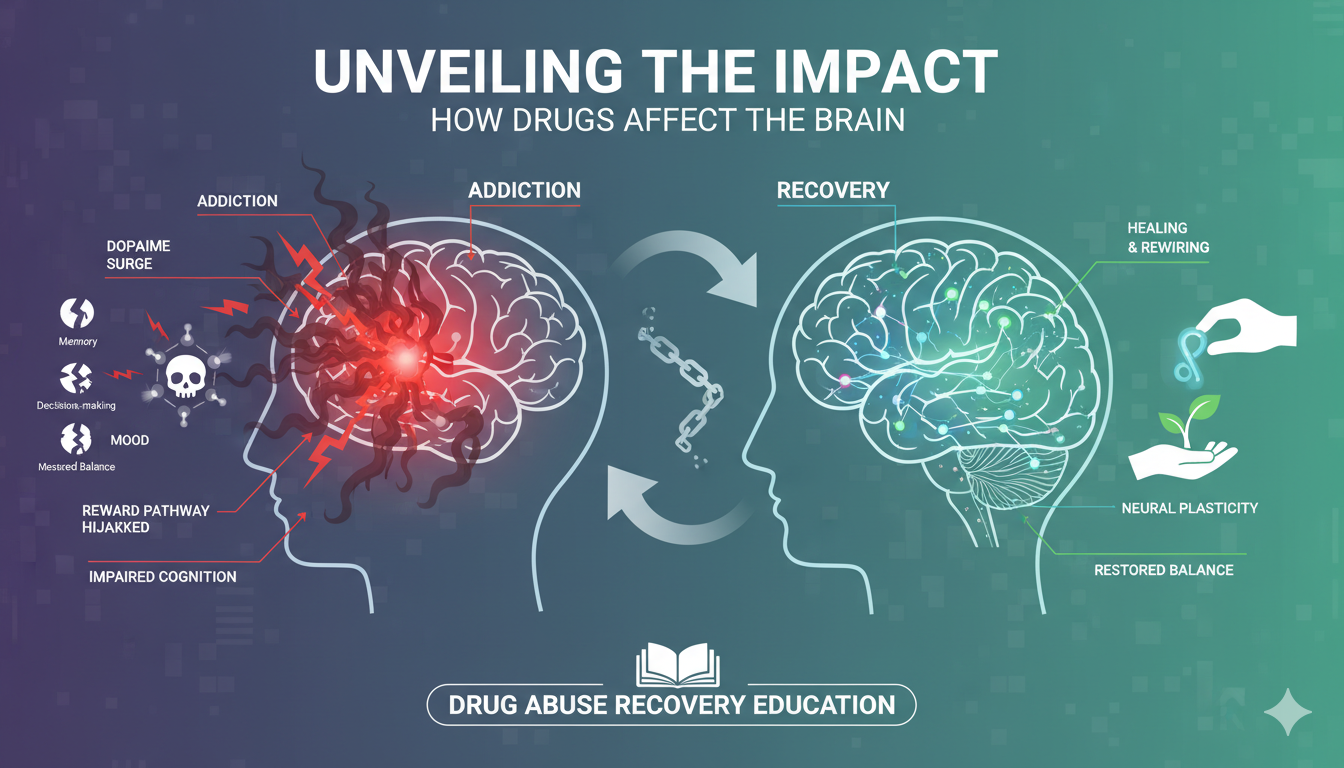
Addiction is a chronic brain disorder characterized by compulsive drug seeking and use, despite harmful consequences. It alters brain chemistry, particularly affecting the reward system driven by dopamine.
Key Causes of Addiction
- Biological Factors
- Genetics can account for up to 40–60% of addiction risk.
- Changes in brain structure and function.
- Psychological Factors
- Trauma, anxiety, depression
- Poor coping mechanisms
- Environmental Influences
- Peer pressure
- Availability of drugs
- Family dynamics
Without proper drug rehabilitation, addiction can lead to severe health complications, broken relationships, financial problems, and even death.
Types of Drug Rehabilitation Programs
Choosing the right program is crucial for successful recovery. Below are the most common types of drug rehabilitation programs:
1. Inpatient Rehabilitation (Residential Treatment)
Inpatient rehab requires individuals to live at a treatment facility for a specified period, typically ranging from 28 days to several months.
Benefits:
- 24/7 medical supervision
- Structured environment
- Minimal exposure to triggers
Best for:
- Severe addiction
- Individuals with relapse history
- Co-occurring mental health disorders
2. Outpatient Rehabilitation
Outpatient programs allow individuals to receive treatment while continuing their daily responsibilities.
Benefits:
- Flexibility
- Lower cost
- Continued family and work involvement
Best for:
- Mild to moderate addiction
- Strong support systems
3. Partial Hospitalization Programs (PHP)
PHPs provide intensive treatment during the day while allowing patients to return home at night.
Features:
- Medical monitoring
- Therapy sessions
- Skill-building workshops
4. Intensive Outpatient Programs (IOP)
IOPs are less intensive than PHPs but more structured than standard outpatient care.
Focus Areas:
- Relapse prevention
- Behavioral therapy
- Group counseling
5. Long-Term Rehabilitation Programs
These programs last 6 months to a year or more and focus on deep behavioral change.
Advantages:
- Higher success rates
- Time to rebuild life skills
- Strong community support
The Drug Rehabilitation Process
Recovery is a journey that unfolds in several stages. Understanding this process helps set realistic expectations.
1. Assessment and Evaluation
- Medical and psychological assessments
- Substance use history
- Treatment planning
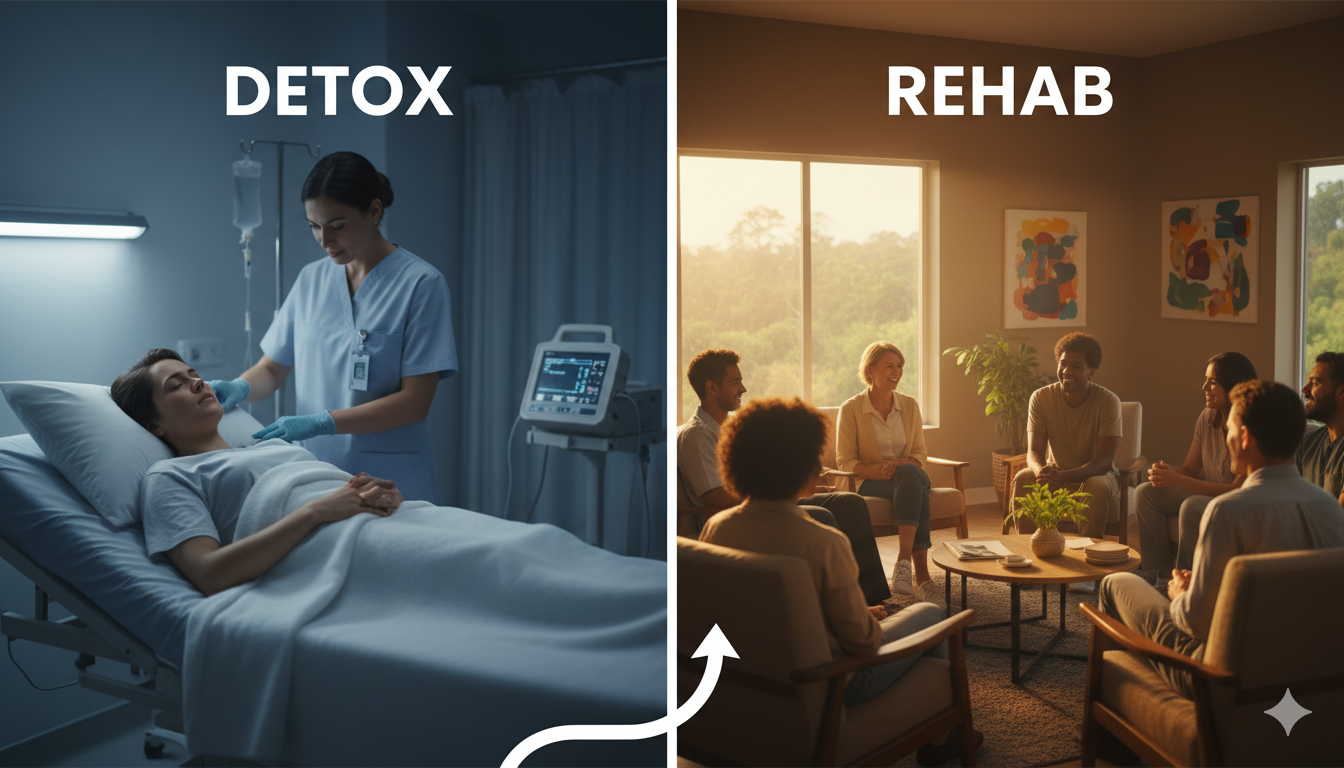
2. Detoxification (Detox)
Detox is the process of removing drugs from the body under medical supervision.
Key Points:
- Can last from a few days to weeks
- May involve withdrawal symptoms
- Medications may be used to ease discomfort
3. Therapy and Counseling
Therapy is the cornerstone of drug rehabilitation.
Common Therapeutic Approaches:
- Cognitive Behavioral Therapy (CBT): Identifies and changes negative thought patterns
- Dialectical Behavior Therapy (DBT): Focuses on emotional regulation
- Motivational Interviewing (MI): Enhances motivation for change
- Group Therapy: Encourages peer support
- Family Therapy: Repairs relationships
4. Medication-Assisted Treatment (MAT)
MAT combines medications with counseling to treat substance use disorders.
Examples:
- Methadone
- Buprenorphine
- Naltrexone
5. Aftercare and Relapse Prevention
Recovery doesn’t end after rehab. Aftercare ensures long-term success.
Includes:
- Support groups (e.g., NA)
- Ongoing therapy
- Sober living homes
- Lifestyle changes
Key Components of Effective Drug Rehabilitation Programs
Not all programs are equally effective. High-quality drug rehabilitation centers share certain characteristics:
1. Individualized Treatment Plans
Each patient receives a customized plan tailored to their needs.
2. Integrated Mental Health Care
Addresses co-occurring disorders like depression or anxiety.
3. Evidence-Based Therapies
Uses scientifically validated treatment methods.
4. Holistic Approaches
Includes physical, emotional, and spiritual healing.
Examples:
- Mindfulness and meditation
- Physical fitness
- Nutritional therapy
- Faith-based counseling
5. Qualified Medical Staff
A team of doctors, psychologists, and trained counselors.
Benefits of Drug Rehabilitation
Entering a drug rehabilitation program can transform lives in profound ways:
- Improved physical health
- Better mental clarity
- Stronger relationships
- Increased productivity
- Reduced risk of relapse
Most importantly, it restores hope and purpose.
Challenges in Drug Rehabilitation
Recovery is not always easy. Individuals may face:
- Withdrawal symptoms
- Emotional distress
- Cravings and triggers
- Social stigma
However, with the right support and commitment, these challenges can be overcome.
How to Choose the Right Drug Rehabilitation Center
Selecting the right facility is a critical decision.
Consider the Following:
- Accreditation and Licensing
- Treatment Methods Used
- Staff Qualifications
- Success Rates
- Cost and Insurance Coverage
- Location and Environment
If possible, visit the facility and speak with staff before making a decision.
Cost of Drug Rehabilitation
The cost of drug rehabilitation varies widely depending on:
- Type of program
- Duration
- Facility amenities
- Geographic location
Average Costs:
- Outpatient programs: $1,000–$10,000
- Inpatient rehab: $1,000–$10,000
Many centers offer:
- Payment plans
- Insurance coverage
- Financial assistance
The Role of Family in Recovery
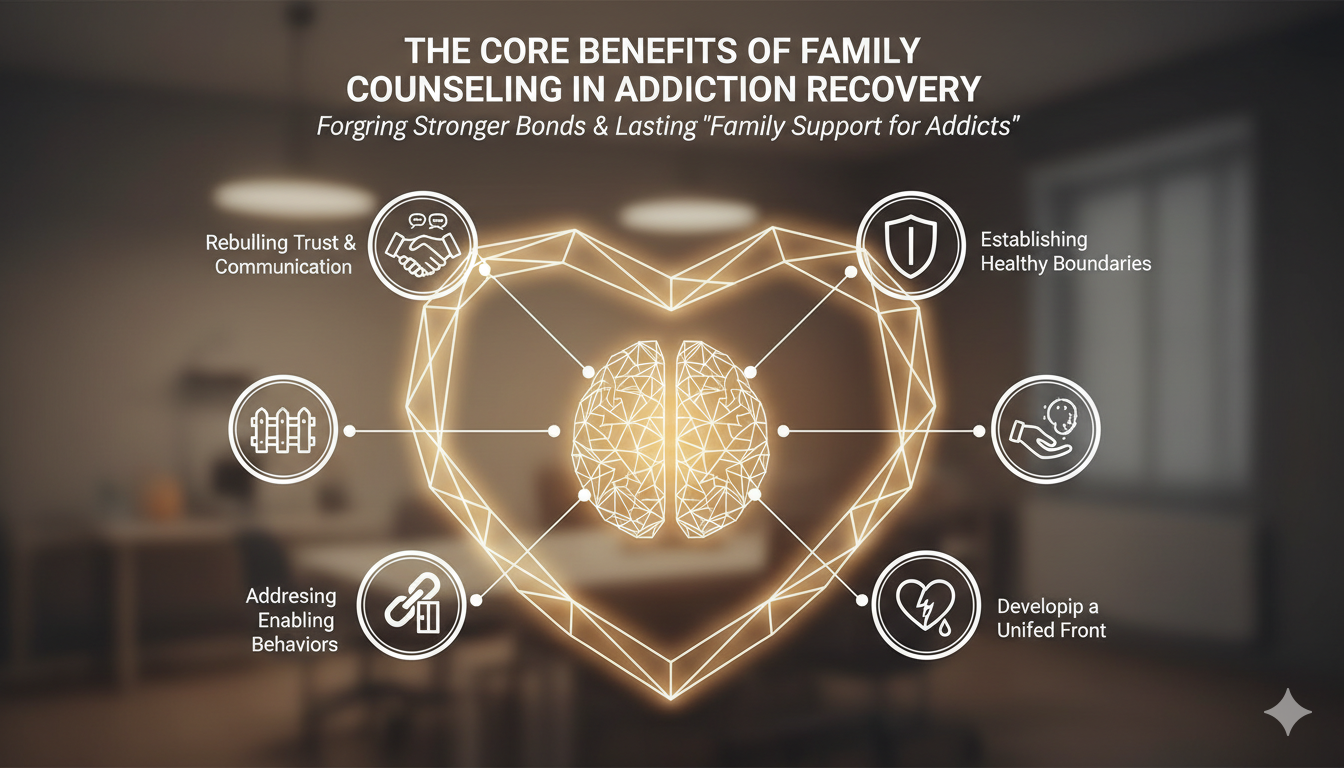
Family support plays a vital role in successful drug rehabilitation.
How Families Can Help:
- Participate in family therapy
- Provide emotional support
- Avoid enabling behaviors
- Encourage accountability
A supportive home environment significantly reduces relapse risk.
Relapse: A Part of the Recovery Journey
Relapse does not mean failure—it is often part of the recovery process.
Common Triggers:
- Stress
- Negative emotions
- Social pressure
- Environmental cues
Prevention Strategies:
- Developing coping skills
- Avoiding high-risk situations
- Staying connected to support networks
Holistic and Faith-Based Rehabilitation Approaches
Many modern drug rehabilitation programs incorporate holistic healing.
Examples:
- Yoga and meditation
- Art and music therapy
- Spiritual counseling
- Islamic or faith-based guidance
These approaches help individuals find deeper meaning and inner peace during recovery.
Drug Rehabilitation in a Global Context
Drug addiction is a global issue, and rehabilitation approaches vary across countries.
Key Trends:
- Increasing use of digital therapy
- Integration of mental health services
- Focus on harm reduction
- Community-based recovery models
Countries are shifting from punishment to treatment-based approaches, recognizing addiction as a health condition.
Signs Someone Needs Drug Rehabilitation
Recognizing the signs early can save lives.
Warning Signs:
- Loss of control over drug use
- Neglecting responsibilities
- Physical health decline
- Mood swings and irritability
- Withdrawal from family and friends
If these signs are present, seeking professional drug rehabilitation is essential.
Prevention: The First Line of Defense
While drug rehabilitation is crucial, prevention is equally important.
Prevention Strategies:
- Education and awareness
- Early intervention
- Healthy coping mechanisms
- Strong family and community support
Future of Drug Rehabilitation
The future of drug rehabilitation is evolving rapidly with advancements in science and technology.
Emerging Trends:
- Telehealth and online therapy
- Personalized medicine
- AI-driven treatment plans
- Virtual reality therapy
These innovations aim to make treatment more accessible and effective.
Conclusion
Drug addiction is a challenging but treatable condition. With the right drug rehabilitation program, individuals can overcome addiction and rebuild their lives.
Recovery requires commitment, support, and a willingness to change but it is absolutely achievable. Whether through inpatient care, outpatient therapy, or holistic approaches, the path to sobriety begins with a single step.
If you or a loved one is struggling, don’t wait. Seeking help today can lead to a healthier, brighter tomorrow.
References
- National Institute on Drug Abuse (NIDA). Principles of Drug Addiction Treatment: A Research-Based Guide.
https://nida.nih.gov - World Health Organization (WHO). Substance Abuse and Mental Health.
https://www.who.int - Substance Abuse and Mental Health Services Administration (SAMHSA). Treatment Improvement Protocols.
https://www.samhsa.gov - Mayo Clinic. Drug Addiction (Substance Use Disorder).
https://www.mayoclinic.org - American Psychiatric Association (APA). Diagnostic and Statistical Manual of Mental Disorders (DSM-5)
- National Health Service (NHS). Drug Addiction: Getting Help.
https://www.nhs.uk