Introduction: The Allure and the Abyss of Benzodiazepines
In a world increasingly seeking rapid solutions to the complexities of anxiety, insomnia, and panic disorders, benzodiazepines have emerged as a prominent class of pharmaceutical interventions. Among them, alprazolam (commonly known by its brand name Xanax) stands out as a frequently prescribed medication. While these drugs can offer immediate relief, their widespread use has unveiled a darker side: the “benzodiazepine trap.” This article, penned from the perspective of a health professional, delves into the inherent risks associated with pharmacy drugs like alprazolam, shedding light on why they can be deceptively dangerous and emphasizing the critical need for alprazolam addiction help when dependence takes hold.
We will explore the mechanisms of action that make these drugs both effective and perilous, discuss the insidious nature of tolerance and dependence, and outline the severe challenges of withdrawal. Our aim is to equip you with a comprehensive understanding of these risks, empowering informed decisions about your health and guiding those ensnared by benzodiazepine dependence towards effective, compassionate support.
Understanding Benzodiazepines: A Double-Edged Sword

Benzodiazepines are a class of psychoactive drugs that work by enhancing the effect of the neurotransmitter gamma-aminobutyric acid (GABA) in the brain. GABA is the primary inhibitory neurotransmitter in the central nervous system, meaning it reduces neuronal excitability. By boosting GABA’s activity, benzodiazepines produce a calming effect, reducing anxiety, inducing sleep, and relaxing muscles. This mechanism makes them highly effective for short-term management of acute anxiety, panic attacks, and severe insomnia.
The Role of Alprazolam
Alprazolam, a triazolobenzodiazepine, is characterized by its rapid onset of action and relatively short half-life, making it particularly appealing for immediate symptom relief. This quick action can be a perceived advantage, as patients feel the effects almost instantly, but it also contributes to its higher addictive potential. The rapid rise and fall of drug levels in the bloodstream can lead to inter-dose withdrawal symptoms, prompting users to take more frequent doses, thus accelerating the development of tolerance and dependence.
The Insidious Path to Dependence: How the Trap is Sprung
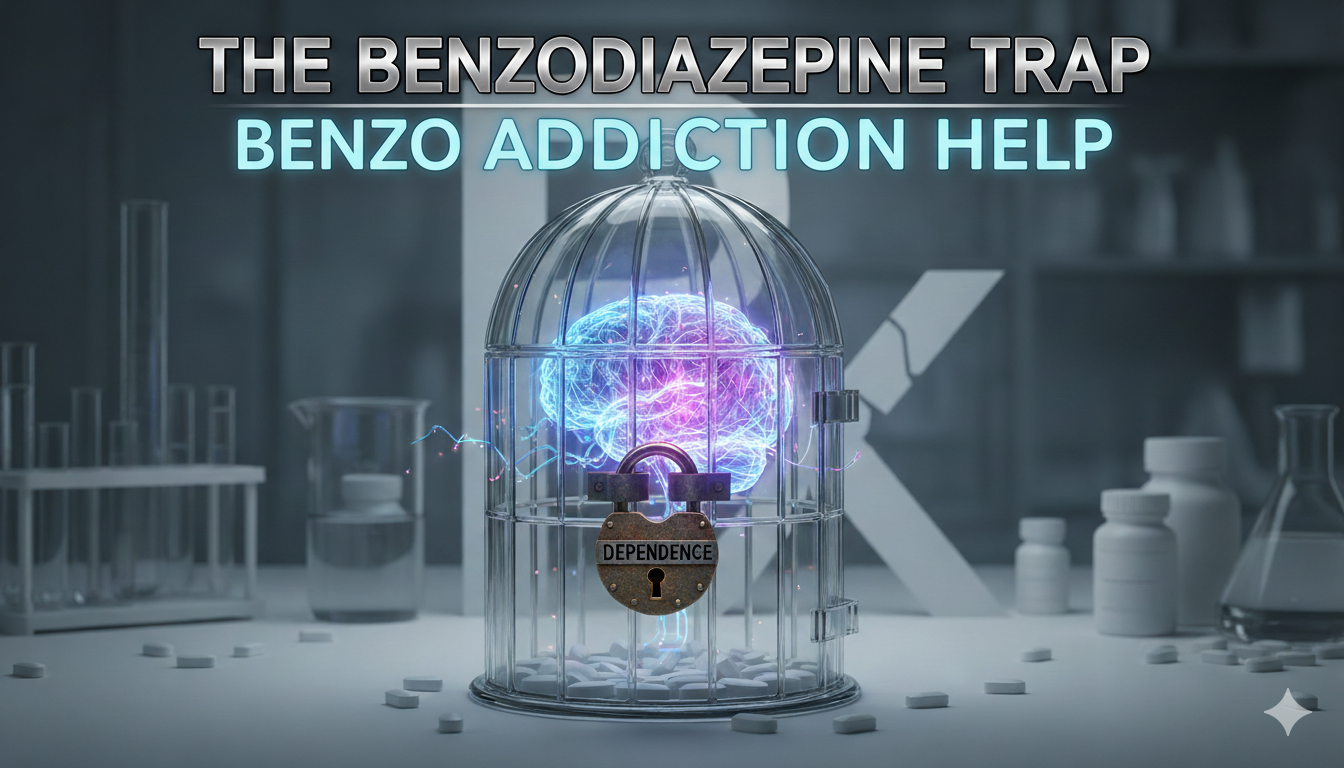
The “benzodiazepine trap” refers to the subtle yet powerful way these medications can lead to physical and psychological dependence, often without the user realizing it until withdrawal symptoms manifest. This process typically unfolds in several stages:
1. Initial Prescription and Symptom Relief
Patients are usually prescribed benzodiazepines for legitimate medical reasons – a panic disorder, generalized anxiety, or severe insomnia. The initial experience is often one of profound relief. The distressing symptoms subside, and a sense of calm returns. This positive reinforcement solidifies the drug’s perceived efficacy.
2. Tolerance: The Need for More
Over time, the brain adapts to the presence of the benzodiazepine. This phenomenon, known as tolerance, means that the same dose no longer produces the original therapeutic effect. To achieve the desired relief, individuals often feel compelled to increase their dosage, either on their own or with their prescriber’s reluctant approval. This escalation is a critical step deeper into the trap.
3. Physical Dependence: The Brain’s New “Normal.”
With continued use, especially at higher doses, the brain’s GABA receptors become downregulated or less sensitive. The body now requires the benzodiazepine to maintain normal functioning. If the drug is stopped or the dose is significantly reduced, the brain experiences an overabundance of excitatory neurotransmitters, leading to a cascade of often severe and debilitating withdrawal symptoms. This is the hallmark of physical dependence.
4. Psychological Dependence: The Mental Chain
Beyond physical changes, psychological dependence also develops. Individuals begin to associate the drug with relief from anxiety or the ability to sleep. They may develop a fear of symptoms returning if they stop taking the medication, leading to a strong psychological attachment and a belief that they cannot cope without it. This mental reliance makes cessation even more challenging.
The Dangers of Benzodiazepine Use: Beyond Dependence
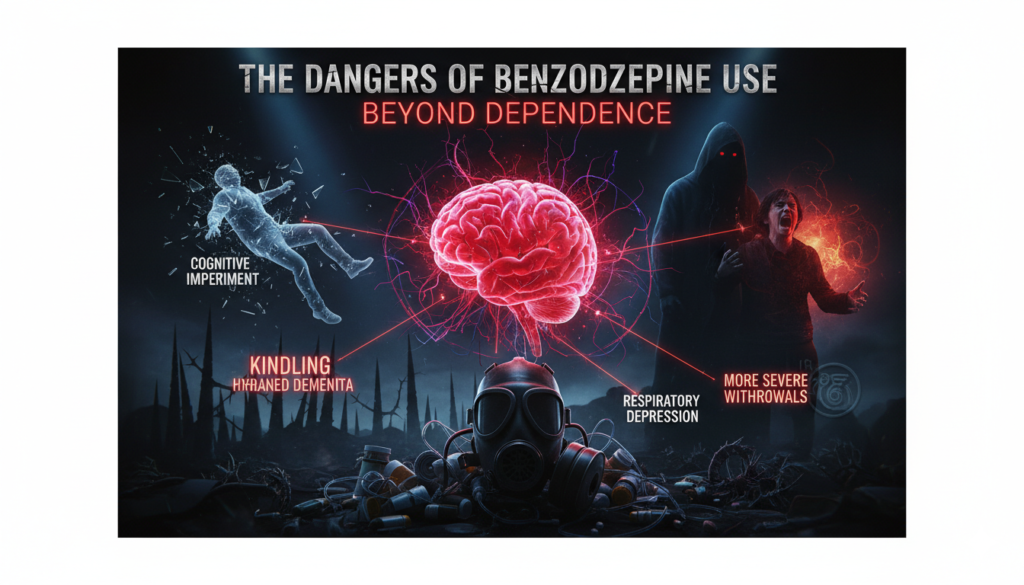
The risks associated with benzodiazepines extend far beyond the development of dependence. Understanding these multifaceted dangers is crucial for both prescribers and patients.
Cognitive Impairment
Long-term benzodiazepine use is associated with a range of cognitive impairments, including:
- Memory problems: Difficulty forming new memories (anterograde amnesia) and retrieving existing ones.
- Reduced attention and concentration: Difficulty focusing on tasks.
- Impaired psychomotor skills: Slower reaction times, clumsiness, and increased risk of falls, especially in older adults.
- Executive dysfunction: Problems with planning, problem-solving, and decision-making.
These cognitive deficits can significantly impact daily functioning, work performance, and quality of life.
Paradoxical Reactions
While typically calming, benzodiazepines can sometimes produce paradoxical effects, especially in susceptible individuals (e.g., children, older adults, those with underlying psychiatric conditions). These reactions can include:
- Increased anxiety or agitation
- Insomnia
- Irritability and aggression
- Hallucinations
- Depression and suicidal ideation
Respiratory Depression (Especially with Opioids)
A particularly dangerous interaction occurs when benzodiazepines are combined with other central nervous system depressants, most notably opioids. Both classes of drugs suppress respiratory drive, and their co-administration can lead to severe respiratory depression, coma, and death. The alarming rise in overdose deaths involving both opioids and benzodiazepines underscores this critical risk.
Increased Risk of Dementia
Emerging research suggests a potential link between long-term benzodiazepine use and an increased risk of developing dementia, particularly Alzheimer’s disease. While more research is needed to establish a definitive causal link, the findings warrant caution and suggest that these medications should be used judiciously, especially in older populations.
Risk of Overdose
While benzodiazepines alone are less likely to cause fatal overdose compared to opioids, high doses can still lead to severe sedation, respiratory depression, and coma. The risk dramatically escalates when combined with alcohol or other depressants.
“Kindling” Phenomenon
Repeated cycles of benzodiazepine withdrawal and reinstatement can lead to a phenomenon known as “kindling.” This means that subsequent withdrawals become progressively more severe and prolonged, even from lower doses, making eventual cessation even more challenging and potentially dangerous.
The Terrifying Reality of Benzodiazepine Withdrawal
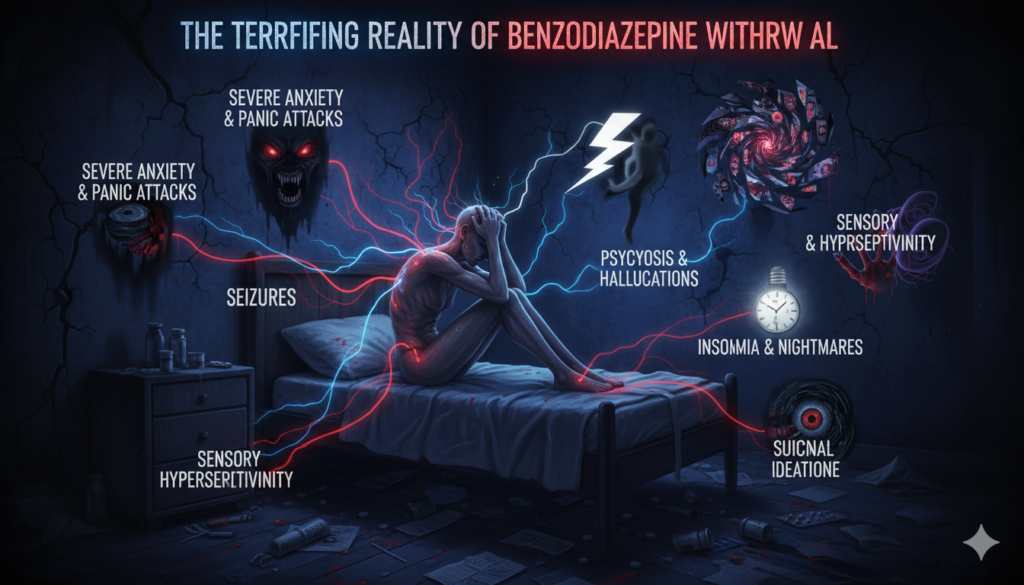
For those caught in the benzodiazepine trap, withdrawal is often the most formidable obstacle. Unlike withdrawal from some other substances, benzodiazepine withdrawal can be life-threatening and requires careful medical supervision. The severity and duration of symptoms vary widely depending on the type of benzodiazepine, the dosage, duration of use, and individual physiological factors.
Common withdrawal symptoms include:
- Rebound anxiety and insomnia: Often more severe than the original symptoms the drug was prescribed to treat.
- Panic attacks: Intense episodes of fear and discomfort.
- Muscle cramps, aches, and stiffness: Generalized body discomfort.
- Headaches: Often severe and persistent.
- Sensory hypersensitivity: Increased sensitivity to light, sound, and touch.
- Gastrointestinal distress: Nausea, vomiting, diarrhea.
- Tremors and twitching: Involuntary muscle movements.
- Heart palpitations and chest pain: Mimicking cardiac events.
- Depersonalization/Derealization: Feeling detached from oneself or reality.
- Cognitive difficulties: Worsening memory and concentration problems.
Severe withdrawal can escalate to:
- Seizures: Potentially life-threatening, especially with abrupt cessation.
- Psychosis: Hallucinations, delusions, and severe disorientation.
- Suicidal ideation: The intense distress of withdrawal can lead to severe depression and thoughts of self-harm.
The protracted nature of some withdrawal symptoms, often referred to as “protracted withdrawal syndrome” or “post-acute withdrawal syndrome (PAWS),” can persist for months or even years, further complicating recovery.
The Urgent Need for Alprazolam Addiction Help
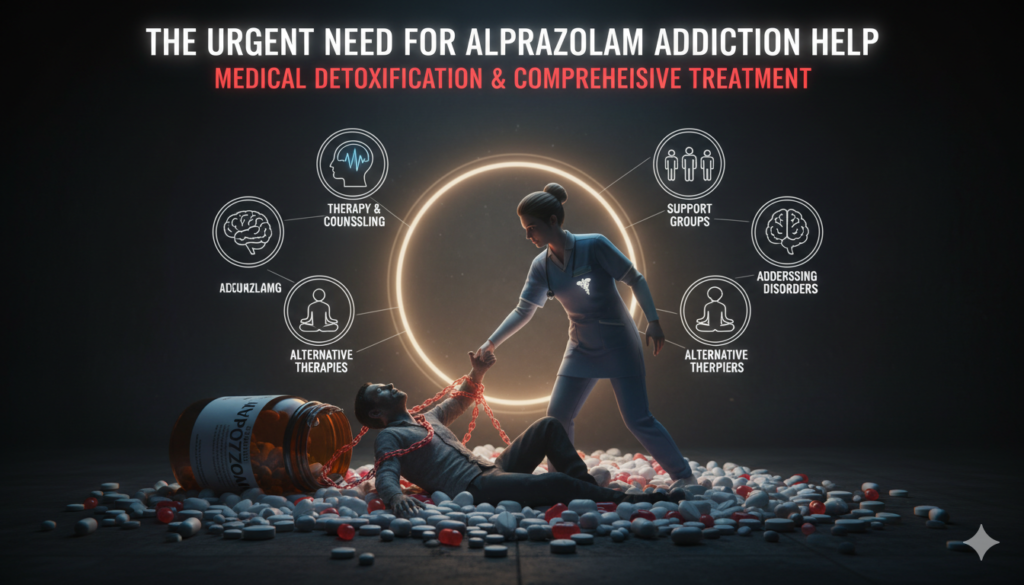
Given the profound difficulties of benzodiazepine dependence and withdrawal, professional alprazolam addiction help is not merely beneficial; it is often essential for safe and successful cessation. Attempting to stop “cold turkey” can be extremely dangerous due to the risk of seizures and other severe complications.
Medical Detoxification: The First Step to Freedom
The cornerstone of effective alprazolam addiction help is medically supervised detoxification. This process involves:
- Gradual Tapering: The most crucial element is a slow, controlled reduction of the benzodiazepine dose. This allows the brain to gradually readjust and minimizes the severity of withdrawal symptoms. The tapering schedule is highly individualized and typically extends over weeks or even months. Sometimes, switching to a longer-acting benzodiazepine (e.g., clonazepam or diazepam) can facilitate a smoother taper due to its more stable blood levels.
- Symptom Management: During the taper, healthcare professionals monitor for and manage withdrawal symptoms using supportive medications (e.g., anticonvulsants, antidepressants, beta-blockers) to alleviate discomfort and prevent serious complications.
- Medical Oversight: Throughout detox, vital signs are monitored, and medical staff are on hand to address any emergencies, particularly the risk of seizures.
This process is best conducted in a specialized detox facility or under the close supervision of a physician experienced in benzodiazepine withdrawal.
Comprehensive Treatment: Beyond Detox
Detoxification is just the first step. True recovery from benzodiazepine dependence requires a holistic approach that addresses the underlying issues and equips individuals with coping mechanisms for a substance-free life.
- Therapy and Counseling:
- Cognitive Behavioral Therapy (CBT): Helps individuals identify and change negative thought patterns and behaviors that contribute to anxiety and substance use.
- Dialectical Behavior Therapy (DBT): Focuses on emotional regulation, distress tolerance, interpersonal effectiveness, and mindfulness.
- Group Therapy: Provides peer support, reduces feelings of isolation, and allows individuals to learn from shared experiences.
- Individual Counseling: Addresses personal triggers, trauma, and develops personalized coping strategies.
- Support Groups: Programs like Benzodiazepine Anonymous (akin to Alcoholics Anonymous) or other peer support groups offer invaluable understanding, encouragement, and a sense of community for those navigating recovery.
- Alternative Therapies and Lifestyle Changes:
- Mindfulness and meditation: can help manage anxiety and improve emotional regulation.
- Yoga and exercise: promote physical and mental well-being, reducing stress.
- Proper Nutrition: Supports overall brain health and recovery.
- Stress Reduction Techniques: Learning healthy ways to cope with stress without relying on medication.
- Addressing Co-occurring Disorders: Many individuals prescribed benzodiazepines have underlying anxiety, depression, or other mental health conditions. Effective treatment for these co-occurring disorders is paramount to preventing relapse and fostering long-term stability. This may involve non-addictive medications (e.g., SSRIs) and ongoing psychotherapy.
Prevention: Avoiding the Trap in the First Place
The best approach to the benzodiazepine trap is to avoid it entirely. For healthcare professionals, this means:
- Judicious Prescribing: Benzodiazepines should be prescribed for the shortest possible duration and at the lowest effective dose, primarily for acute, severe symptoms.
- Exploring Alternatives: Prioritizing non-pharmacological interventions like psychotherapy (CBT, exposure therapy), lifestyle changes, and other non-addictive medications for chronic anxiety or insomnia.
- Patient Education: Thoroughly educating patients about the risks of tolerance, dependence, and withdrawal, and setting clear expectations about the short-term nature of treatment.
- Regular Review: Periodically reassessing the need for benzodiazepine prescriptions and initiating tapering when appropriate.
For patients, it’s crucial to:
- Question Prescriptions: Don’t hesitate to ask your doctor about the risks, benefits, and alternatives to benzodiazepines.
- Follow Instructions Carefully: Never exceed the prescribed dose or duration.
- Avoid Self-Medication: Never share or take benzodiazepines not prescribed to you.
- Be Aware of Interactions: Inform your doctor about all other medications, supplements, and alcohol you consume.
Conclusion: Navigating Towards a Benzodiazepine-Free Future
The benzodiazepine trap is a stark reminder that even pharmacy drugs, seemingly innocuous and prescribed by professionals, carry significant risks. While medications like alprazolam offer powerful immediate relief for distressing symptoms, their capacity to induce dependence, create debilitating withdrawal, and cause a host of other adverse effects cannot be understated.
For those struggling with dependence, the journey out of the trap requires courage, commitment, and, critically, professional alprazolam addiction help. With medically supervised detoxification, comprehensive therapy, and ongoing support, individuals can safely navigate the challenges of withdrawal and build a foundation for lasting recovery.
As health professionals, our responsibility is to prescribe judiciously, educate thoroughly, and provide compassionate care to those caught in the grip of dependence. As patients, our role is to be informed, ask questions, and advocate for our long-term health, recognizing that true well-being often lies beyond the quick fix of a pill.
References
- Lader, M. H. (1999). Limitations of benzodiazepine use. Dialogues in Clinical Neuroscience, 1(2), 114–121.
- Brett, J., & Murnion, B. (2015). Management of benzodiazepine misuse and dependence. Australian Prescriber, 38(5), 152–155.
- Ashton, H. (2002). Benzodiazepine withdrawal: an illustrative case history. Addiction Biology, 7(3), 263–268.
- National Institute on Drug Abuse. (2021). Misuse of Prescription Drugs. Retrieved from https://www.drugabuse.gov/publications/research-reports/misuse-prescription-drugs/what-are-benzodiazepines
- Curran, H. V. (1991). Benzodiazepines, memory and mood: a review. Psychopharmacology, 105(1), 1–11.
- Gomm, W., Lunetta, K. L., Libonati, M. A., Murray, M. M., Ganguli, M., Sprague-Newton, E. P., … & Reche, A. (2016). Benzodiazepine Use and Risk of Alzheimer’s Disease: A Cohort Study in the United States. Journal of Alzheimer’s Disease, 52(1), 267–275.
- SAMHSA. (2015). Benzodiazepines: A Guide for Clinicians. HHS Publication No. (SMA) 15-4927. Rockville, MD: Substance Abuse and Mental Health Services Administration.