Sleep is one of the most powerful natural healing processes the human body possesses. In a fast-paced world where people often sacrifice sleep for work, social media, or stress, the brain quietly suffers. Quality sleep does far more than provide rest; it actively cleans, repairs, and resets the brain. Among the different stages of sleep, Rapid Eye Movement (REM) sleep plays a particularly vital role in mental detoxification and cognitive clarity.
Understanding the importance of REM sleep in detox is crucial for mental health, emotional balance, and recovery from stress or addiction. Research in neuroscience increasingly shows that REM sleep helps the brain process emotions, remove toxic waste, strengthen memory, and restore mental clarity.
For individuals recovering from substance abuse, psychological stress, or emotional trauma, sleep, especially REM sleep, is not just rest. It is a biological reset button for the brain.
This article explores the science of sleep, how REM sleep contributes to detoxification of the brain, and why improving sleep quality can dramatically enhance mental clarity and overall wellbeing.
Understanding the Stages of Sleep
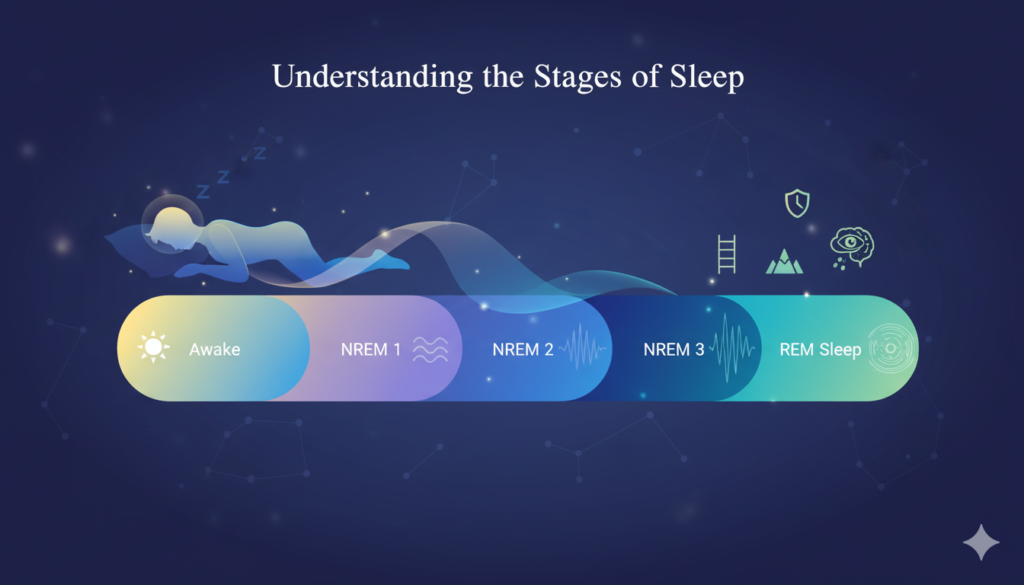
Sleep is not a single uniform state. Instead, it occurs in cycles that repeat throughout the night. Each sleep cycle lasts approximately 90 minutes and includes several stages that support different aspects of brain and body restoration.
Stage 1: Light Sleep
This is the transition between wakefulness and sleep. It usually lasts only a few minutes and involves slow eye movements and relaxed muscles. Brain activity begins to slow, allowing the body to prepare for deeper sleep.
Stage 2: Stable Sleep
During this stage, heart rate slows and body temperature drops. The brain begins producing sleep spindles—short bursts of brain activity associated with learning and memory processing.
Stage 3: Deep Sleep (Slow-Wave Sleep)
Deep sleep is the most physically restorative stage. It is when the body repairs tissues, strengthens the immune system, and releases growth hormones. Deep sleep is also essential for physical recovery.
Stage 4: REM Sleep
REM sleep is the stage most associated with dreaming. During this phase, the brain becomes highly active while the body remains temporarily paralyzed to prevent physical movement during dreams.
This stage plays a critical role in memory consolidation, emotional regulation, and brain detoxification.
Understanding the importance of REM sleep in detox begins with recognizing how active and complex the brain becomes during this stage.
The Science Behind REM Sleep
REM sleep typically begins about 90 minutes after falling asleep and occurs several times throughout the night. Each REM phase becomes longer as the night progresses.
During REM sleep:
- Brain activity resembles wakefulness
- Eyes move rapidly behind closed eyelids
- Dreams become vivid and complex
- Emotional memories are processed
- Neural connections are reorganized
Scientists believe REM sleep is when the brain reorganizes information collected during the day, separating important memories from irrelevant information.
But the benefits of REM sleep go even deeper. Recent discoveries show that REM sleep contributes to brain detoxification and neurological health.
The Brain’s Natural Detox System
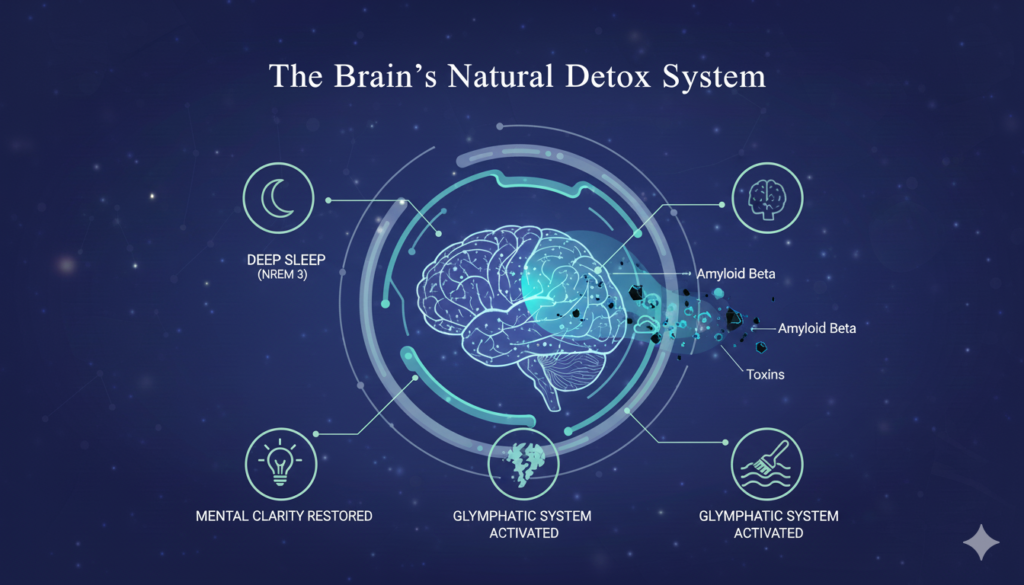
For decades, scientists believed the brain lacked a dedicated waste removal system. However, in 2012 researchers discovered the glymphatic system, a network responsible for clearing toxic waste from the brain.
This system functions similarly to the body’s lymphatic system but operates specifically within the brain.
During sleep, particularly deep and REM sleep, the brain:
- Shrinks slightly to allow fluid flow
- Flushes out metabolic waste
- Removes toxic proteins
These toxins include beta-amyloid and tau proteins, which are linked to neurodegenerative diseases such as Alzheimer’s.
Without proper sleep cycles, this detox process becomes less efficient.
This is why experts emphasize the importance of REM sleep in detox. It allows the brain to maintain neurological balance and protect long-term cognitive health.
REM Sleep and Mental Clarity
One of the most noticeable benefits of REM sleep is improved mental clarity.
After a full night of sleep, people often experience:
- Better focus
- Improved decision-making
- Faster reaction time
- Enhanced creativity
- Clearer thinking
This happens because REM sleep reorganizes neural networks in the brain.
Think of the brain like a computer processing large amounts of data throughout the day. REM sleep functions like a system reset, organizing files and clearing unnecessary information.
When REM sleep is disrupted, mental performance declines.
Studies show sleep deprivation leads to:
- Poor concentration
- Memory problems
- Emotional instability
- Reduced problem-solving ability
For professionals, students, and individuals undergoing recovery from addiction, mental clarity depends heavily on consistent REM sleep cycles.
The Importance of REM Sleep in Detox and Addiction Recovery
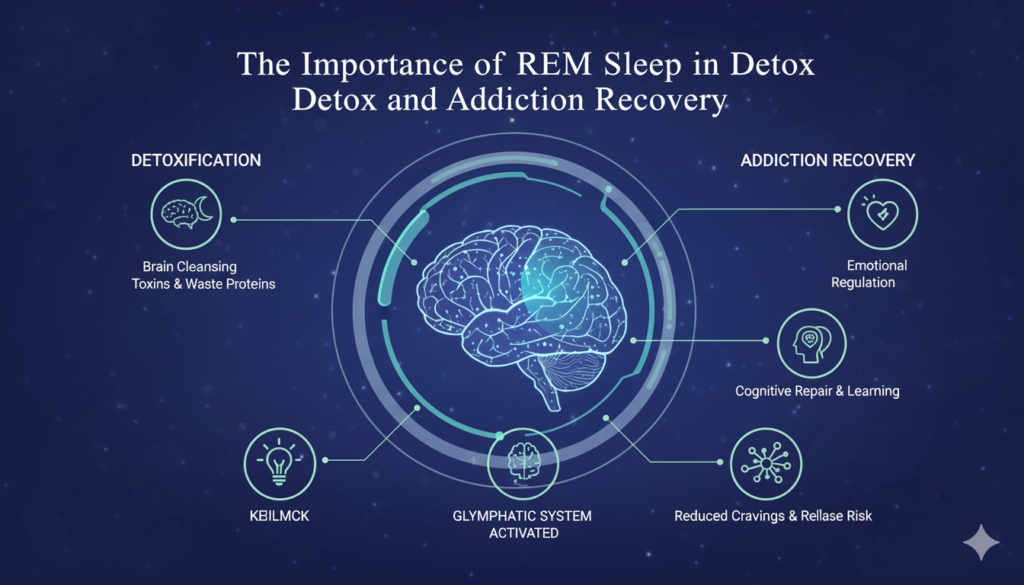
Sleep disturbances are extremely common among individuals recovering from substance abuse.
Drugs such as:
- Methamphetamine (Ice)
- Cocaine
- Alcohol
- Opioids
severely disrupt natural sleep cycles and suppress REM sleep.
When drug use stops, the brain attempts to restore balance, often causing REM rebound, where REM sleep becomes longer and more intense.
This process is a natural part of neurological detoxification.
Why REM Sleep Matters in Addiction Recovery
REM sleep supports recovery in several important ways:
Emotional healing: It helps process trauma, guilt, and emotional stress.
Memory rebuilding: It strengthens learning processes essential for therapy and behavioral change.
Neurochemical balance: REM sleep helps regulate dopamine and serotonin levels affected by drug abuse.
Stress reduction: Proper sleep lowers cortisol levels and improves emotional stability.
For rehabilitation centers and mental health facilities, ensuring patients achieve healthy sleep patterns is a critical part of treatment.
How Lack of REM Sleep Affects Mental Health
Sleep deprivation, especially REM sleep deprivation, can significantly impact mental health.
Research links poor REM sleep to conditions such as:
- Depression
- Anxiety disorders
- Post-traumatic stress disorder (PTSD)
- Mood instability
- Cognitive impairment
When REM sleep is disrupted, emotional memories remain unprocessed, causing psychological stress to accumulate.
A study published in Nature Reviews Neuroscience suggests REM sleep helps the brain process emotional experiences in a safe neurological environment, reducing emotional intensity associated with painful memories.
This explains why people often feel emotionally overwhelmed after several nights of poor sleep.
The Connection Between Dreams and Emotional Detox
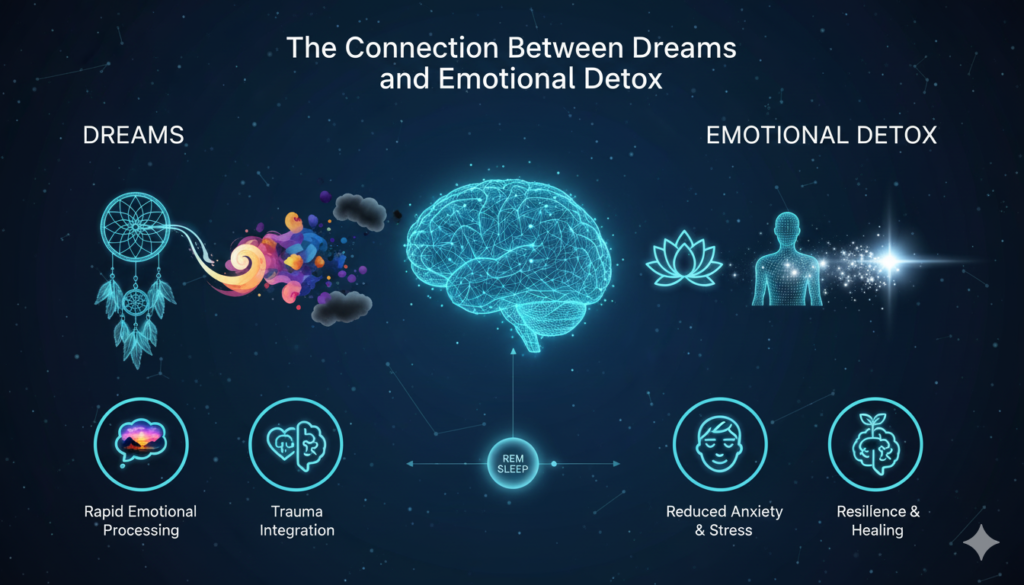
Dreams are a fascinating part of REM sleep and play a role in psychological healing.
During dreaming, the brain revisits emotional experiences from the day and integrates them into existing memory networks.
Psychologists believe dreams allow the brain to simulate emotional scenarios, helping individuals process fears, trauma, and unresolved stress.
This emotional detox process can:
- Reduce anxiety
- Improve emotional resilience
- Enhance problem-solving abilities
People who achieve sufficient REM sleep often wake up feeling emotionally lighter and mentally refreshed.
Signs You Are Not Getting Enough REM Sleep
Many people underestimate how common REM sleep deprivation has become.
Several factors disrupt REM cycles, including stress, excessive screen time, irregular sleep schedules, and substance use.
Common signs of insufficient REM sleep include:
- Brain fog
- Poor memory
- Difficulty concentrating
- Mood swings
- Irritability
- Frequent waking during the night
- Vivid or disturbing dreams after sleep deprivation
Individuals experiencing these symptoms should prioritize improving their sleep habits.
How to Improve REM Sleep Naturally
Improving REM sleep does not always require medication. Lifestyle changes can significantly enhance sleep quality and brain detoxification.
Maintain a Consistent Sleep Schedule
Going to bed and waking up at the same time daily helps regulate the body’s circadian rhythm, which controls sleep cycles.
Reduce Screen Exposure Before Bed
Blue light from smartphones and computers suppresses melatonin, the hormone responsible for sleep.
Experts recommend avoiding screens at least one hour before bedtime.
Practice Stress Management
Stress and anxiety can prevent the brain from entering deeper sleep stages.
Helpful techniques include:
- Meditation
- Deep breathing
- Prayer or spiritual reflection
- Journaling
Limit Caffeine and Stimulants
Caffeine can stay in the bloodstream for up to 8 hours, interfering with sleep cycles.
Reducing evening caffeine intake can significantly improve REM sleep.
Create a Sleep-Friendly Environment
A dark, quiet, and cool bedroom encourages deeper sleep.
Small changes like blackout curtains, comfortable bedding, and reduced noise can make a major difference.
Nutrition and Sleep Quality
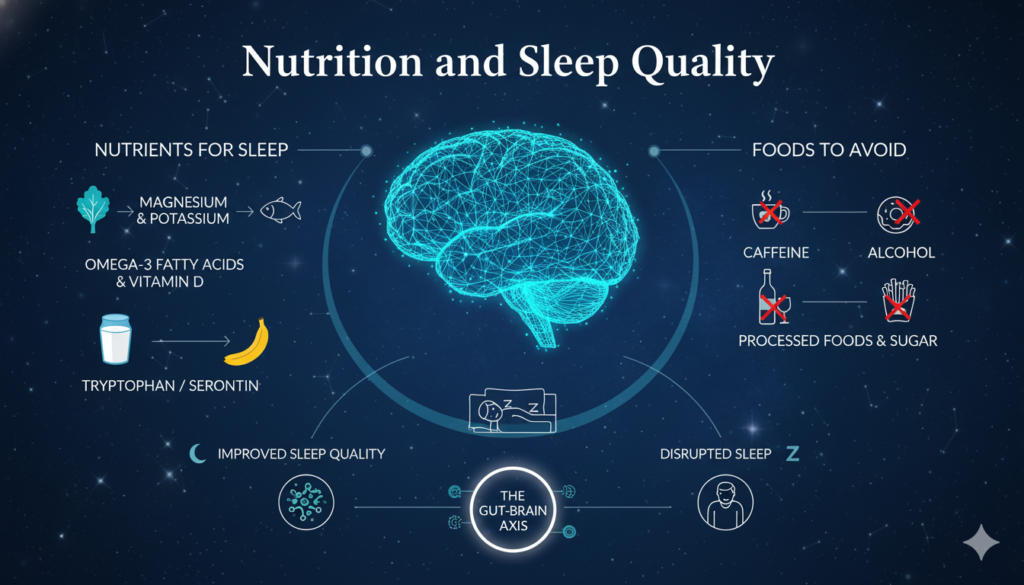
Diet also influences sleep patterns.
Certain nutrients support the production of sleep-regulating hormones such as melatonin and serotonin.
Foods that promote healthy sleep include:
- Bananas
- Almonds
- Oats
- Milk
- Turkey
- Cherries
These foods contain magnesium, tryptophan, and melatonin, which naturally support sleep cycles.
Avoiding heavy meals and sugar before bedtime can also prevent nighttime awakenings.
Exercise and Its Role in REM Sleep
Regular physical activity is one of the most effective ways to improve sleep quality.
Exercise helps regulate circadian rhythms, reduces stress hormones, and promotes deeper sleep cycles.
Studies from Harvard Medical School indicate that individuals who exercise regularly experience:
- Faster sleep onset
- Longer REM sleep phases
- Improved overall sleep quality
However, intense exercise right before bedtime may temporarily increase alertness, so it is best performed earlier in the day.
Sleep as a Mental Reset for Daily Performance
Quality sleep is essential for optimal daily performance.
Athletes, professionals, students, and healthcare workers all rely on sleep for peak mental functioning.
A well-rested brain demonstrates:
- Enhanced creativity
- Improved emotional control
- Stronger memory retention
- Better learning capacity
In contrast, chronic sleep deprivation leads to mental fatigue and impaired judgment.
This highlights again the importance of REM sleep in detox, as it helps restore the brain’s natural balance and clarity.
Future Research on Sleep and Brain Detox
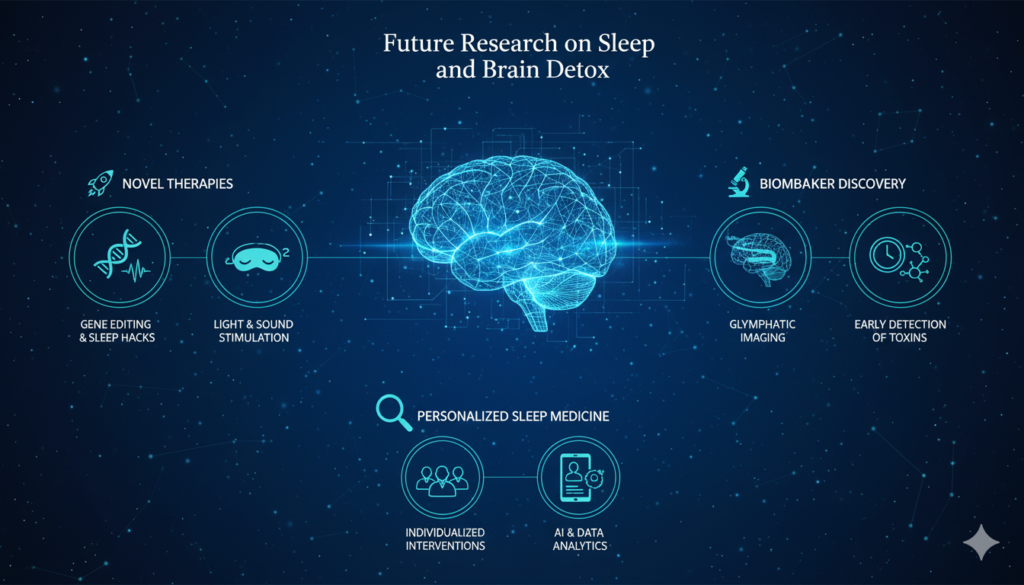
Scientists continue to explore the relationship between sleep and neurological health.
Emerging research suggests sleep may play a preventive role in neurodegenerative diseases such as:
- Alzheimer’s disease
- Parkinson’s disease
- Dementia
The discovery of the glymphatic system has opened new possibilities for treatments targeting brain detoxification through sleep optimization.
As our understanding grows, sleep may become one of the most powerful tools in preventive medicine.
Conclusion
Sleep is not simply a period of inactivity, it is one of the most important biological processes for maintaining mental health and cognitive function.
Among the various stages of sleep, REM sleep stands out as a critical component of brain detoxification, emotional processing, and memory consolidation.
The importance of REM sleep in detox cannot be overstated. It helps clear toxic waste from the brain, reorganize neural connections, regulate emotions, and restore mental clarity.
In today’s modern lifestyle, where sleep is often sacrificed for productivity, protecting sleep quality is essential for long-term wellbeing.
For individuals recovering from addiction, managing stress, or seeking mental clarity, prioritizing sleep may be one of the most effective and natural healing strategies available.
By respecting the body’s natural sleep cycles, we allow the brain to reset, detoxify, and prepare for a healthier and more focused life.
References
Walker, M. (2017). Why We Sleep: Unlocking the Power of Sleep and Dreams. Scribner.
Xie, L., Kang, H., Xu, Q., et al. (2013). Sleep Drives Metabolite Clearance from the Adult Brain. Science, 342(6156), 373–377.
National Institute of Neurological Disorders and Stroke (NINDS). (2023). Brain Basics: Understanding Sleep.
Harvard Medical School Division of Sleep Medicine. (2022). The Science of Sleep.
American Academy of Sleep Medicine (AASM). (2021). Sleep and Mental Health.
Stickgold, R., & Walker, M. P. (2013). Sleep-dependent memory triage. Nature Reviews Neuroscience.